That banging, whistling, or chirping sound coming from your furnace isn't normal. Here's what it means and why waiting could cost you more.
Your heating system makes some noise during normal operation. The whoosh of air moving through vents, the click of the thermostat engaging, the gentle hum of the blower motor—these are all part of how a furnace works.
But when you start hearing sounds that stand out, sounds that make you stop what you’re doing and wonder if something’s wrong, your instinct is probably right. Banging, whistling, and chirping noises don’t happen in properly functioning systems. Each sound points to a specific problem, and understanding the difference helps you know when to pick up the phone.
Let’s break down the most common strange furnace sounds San Mateo County homeowners hear and what’s actually happening inside your heating system.
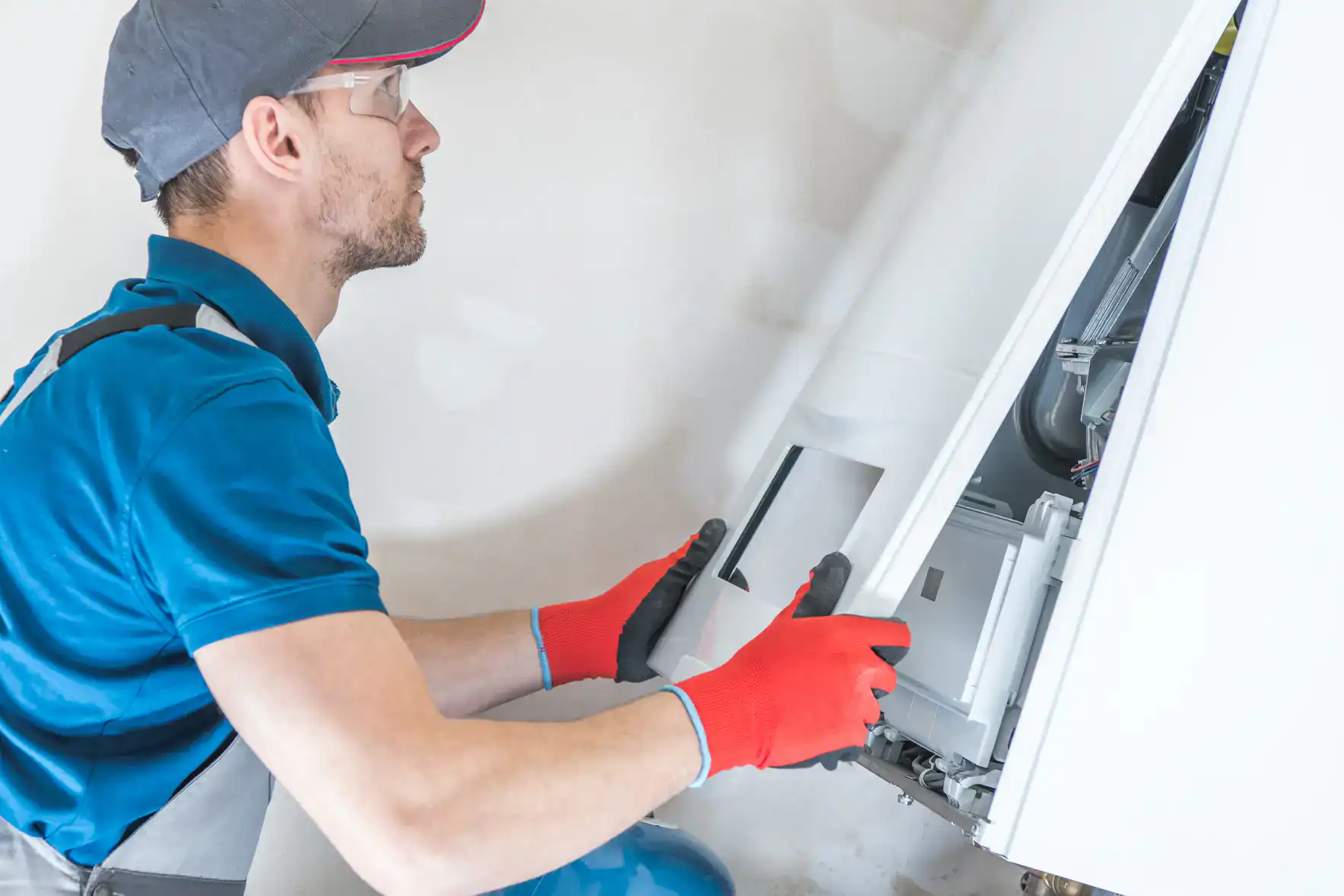
A loud bang when your furnace first kicks on is one of the most alarming sounds homeowners experience. It can shake the walls, startle you awake, and make you genuinely worried about what’s happening in your heating system.
This banging noise usually happens because of something called delayed ignition. Here’s what that means in plain terms. Your furnace is supposed to ignite the gas quickly when the burners open. When the burners are dirty or misaligned, gas builds up for a few seconds before igniting. When it finally lights, all that accumulated gas ignites at once, creating a small explosion inside the combustion chamber. That’s the bang you’re hearing.
This isn’t just annoying. It’s dangerous. Repeated delayed ignition puts stress on your heat exchanger, which is one of the most expensive components in your furnace. Over time, this stress can crack the heat exchanger, leading to carbon monoxide leaks and requiring a complete furnace replacement instead of a simple burner cleaning.
The other common cause of banging is expanding and contracting ductwork. When your furnace heats up, the metal ducts expand. When it cools down, they contract. In some systems, especially older ones with undersized ducts or poor installation, this expansion creates loud popping or banging sounds. While this is less dangerous than delayed ignition, it still indicates your ductwork isn’t properly sized or secured.
If you’re hearing loud bangs, especially when the furnace first turns on, you need a heating system troubleshooting inspection. A qualified technician can clean the burners, check the ignition timing, inspect the heat exchanger for damage, and evaluate your ductwork. Catching this early means a relatively simple repair instead of an emergency replacement.
San Mateo County’s wet winters can make delayed ignition worse because moisture affects the ignition system components. The longer you wait, the more likely you are to face a complete breakdown when you need heat most.
A whistling furnace creates a sound that’s hard to ignore. It’s that high-pitched, sometimes piercing noise that seems to come from your vents, your furnace itself, or somewhere in between. Unlike the occasional bang, whistling is often continuous, making it particularly frustrating.
Whistling happens when air is forced through a space that’s too small. Think about blowing air through pursed lips—that’s essentially what’s happening in your heating system. The most common cause is restricted airflow, and there are several reasons this restriction occurs.
Dirty air filters are the number one culprit. When your filter gets clogged with dust, pet hair, and debris, air can’t flow through easily. Your blower motor keeps pushing air, but it has to squeeze through the tiny spaces that aren’t blocked. This creates that whistling sound. The fix is straightforward—replace the filter. But if the whistling continues after a new filter, the problem is deeper.
Blocked supply or return vents cause similar issues. If furniture is covering vents, or if someone closed vents in unused rooms thinking it would save energy, you’re creating pressure imbalances in your ductwork. The air has to go somewhere, and when it’s forced through smaller openings, it whistles. Keep all vents open and unobstructed.
Leaky ductwork is another frequent cause of whistling, especially in older San Mateo County homes. Small cracks or gaps in your ducts let air escape under pressure, creating a whistling noise. This doesn’t just sound bad—it wastes energy and makes your heating bills higher because heated air is escaping before it reaches your rooms.
The most concerning cause of whistling is a gas leak. If you have a gas furnace and you hear whistling accompanied by a sulfur or rotten egg smell, leave your home immediately and call your gas company. Gas leaks are extremely dangerous and require immediate professional attention. Even without the smell, a persistent whistle from a gas furnace warrants a professional inspection to rule out leaks in the gas line.
Blower motor issues can also create whistling sounds. If the motor bearings are worn or the motor is running at the wrong speed, it can create unusual noises including high-pitched whistles. This requires professional furnace repair because motor issues don’t improve on their own—they only get worse until the motor fails completely.
When you call for heater repair near you, a technician will systematically check each potential cause. They’ll inspect your filter, examine your vents and ductwork, test the blower motor, and ensure there are no gas leaks. The goal is finding the root cause, not just the symptom, so the whistling stops for good.
Get a Free Quote!
Connect with a Eco Air Cooling and Heating expert for fast, friendly support.
Not every furnace noise is an emergency. Some sounds indicate problems you can address yourself, like changing a dirty filter or opening closed vents. Others signal issues that need professional attention but can wait until regular business hours.
Then there are the sounds that mean you should call a heater repair specialist right away. Understanding the difference protects your family’s safety and prevents minor problems from becoming major expenses.
The key question is whether the noise indicates a safety risk or imminent system failure. If the answer is yes to either, that’s when you pick up the phone immediately.
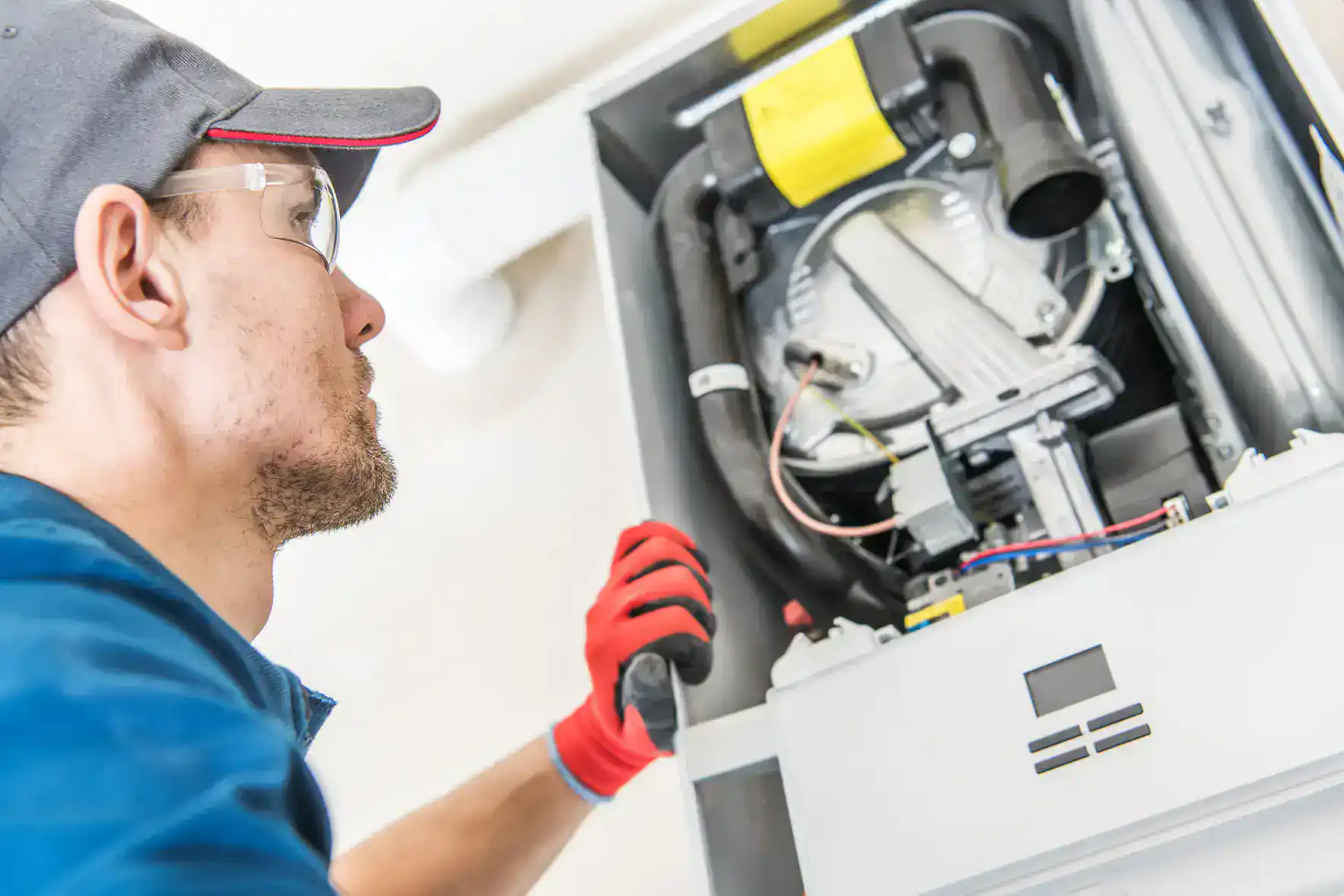
Certain furnace sounds and situations demand immediate professional help, regardless of the time of day or night. These are the scenarios where waiting isn’t an option.
Any smell accompanying strange noises elevates the situation to an emergency. A rotten egg or sulfur smell with any furnace noise means a potential gas leak. Natural gas is odorless naturally, but utility companies add that distinctive smell so you can detect leaks. If you smell it, leave your home, don’t use any electrical switches or create sparks, and call your gas company immediately. Once they’ve addressed the immediate danger, you’ll need an HVAC professional to repair whatever caused the leak.
Burning smells are different from gas smells but equally concerning. If your furnace is making noise and you smell something burning—especially if it smells like burning plastic or melting insulation—shut off your furnace at the breaker and call for emergency heater repair. This often indicates electrical problems or overheating components that could start a fire.
Loud grinding or scraping sounds that start suddenly and don’t stop indicate something has come loose inside your furnace and is hitting other components. This can cause rapid damage to your blower motor, heat exchanger, or other critical parts. Turn off your system and call for repairs before the damage spreads.
If your furnace makes strange noises and then shuts off completely, especially if it won’t restart, that’s a breakdown in progress. During San Mateo’s cold nights, going without heat isn’t just uncomfortable—it can be dangerous for seniors, young children, and anyone with health conditions. It also risks frozen pipes if temperatures drop low enough.
Chirping or beeping from your carbon monoxide detector while your furnace is making unusual noises is an absolute emergency. Carbon monoxide is a colorless, odorless gas that can be deadly. Get everyone out of the house and call 911, then contact your HVAC company once it’s safe to return.
The combination of strange noises and visible smoke or sparks from your furnace means immediate shutdown and emergency service. This indicates serious electrical problems or combustion issues that pose fire risks.
For San Mateo County homeowners, the wet winter climate can accelerate certain furnace problems, making issues that might normally wait become more urgent. Moisture-related corrosion, condensation problems, and ventilation issues common in the area can turn a minor noise into a major breakdown faster than in drier climates.
Beyond banging and whistling, furnaces make several other distinctive sounds that indicate specific problems. Understanding these noises helps you communicate clearly with your heater repair specialist and know what level of urgency the situation requires.
Chirping sounds from your furnace can mean different things depending on when they occur. If you hear chirping when you first turn on your heat after months of not using it, that’s often normal. It’s the sound of components settling and adjusting after a period of inactivity. The chirping should stop after a few minutes or a few heating cycles.
However, persistent chirping that continues beyond the first few uses often indicates a problem with the blower motor or mounting plate. The bearings in the motor may need lubrication, or something may have come slightly loose. While this isn’t usually an emergency, it’s something to address before the motor fails completely. A furnace maintenance visit can typically resolve this before it becomes a bigger issue.
Rattling noises usually mean something has come loose. It could be a panel on the furnace cabinet that needs tightening, a loose screw vibrating against metal, or something more serious like a cracked heat exchanger. Start by checking if the access panel is secure. If tightening it doesn’t stop the rattling, you need a professional inspection to identify what’s loose and whether it’s causing damage.
Squealing or screeching sounds almost always point to the blower motor or belt. Older furnaces use belts to connect the motor to the blower fan, and these belts wear out over time. When they get loose or start to crack, they squeal. This is a relatively simple repair if caught early, but if the belt breaks completely, your furnace won’t blow air at all. Modern furnaces without belts can still squeal if the motor bearings are failing or if the motor shaft needs lubrication.
Humming that’s louder than normal might indicate electrical issues. A loose transformer, failing capacitor, or electrical connection problem can create a buzzing or humming sound. While your furnace might continue working, electrical problems tend to worsen and can eventually cause the system to fail or create safety hazards.
Clicking sounds are normal when your thermostat engages or when the furnace starts and stops. But constant clicking, or clicking that happens without the furnace turning on, suggests ignition problems. The igniter might be trying to light the gas but failing, or there could be an issue with the flame sensor. This needs professional attention because ignition problems can lead to gas buildup and the dangerous delayed ignition we discussed earlier.
Rumbling sounds, especially after the burners shut off, can indicate dirty burners or a problem with the gas pressure. The burners should shut down cleanly when the thermostat is satisfied. If you hear rumbling that continues after shutdown, it means combustion isn’t happening cleanly. This affects efficiency and can be a safety concern.
For homeowners searching for “common furnace noises” or “heating system troubleshooting,” the pattern is clear—most unusual sounds indicate something needs attention. Some issues you can address yourself, like changing filters or tightening loose panels. But most require professional diagnosis to identify the real problem and prevent it from getting worse.
Strange furnace noises don’t improve with time. That banging gets louder, that whistling becomes constant, and that occasional chirp turns into a persistent squeal. What starts as an annoyance becomes an emergency, usually at the worst possible time.
The homeowners who avoid emergency breakdowns are the ones who pay attention to early warning signs. They hear a noise that doesn’t sound right, and they call for an inspection before the problem spreads. They understand that a small repair now costs far less than an emergency replacement later.
You don’t need to diagnose the problem yourself. You just need to recognize that something’s changed, that your furnace sounds different than it used to, and that waiting rarely makes HVAC problems better. When you call a qualified heater repair specialist, they bring the diagnostic tools and experience to identify exactly what’s causing the noise and what it will take to fix it properly.
For San Mateo County homeowners, working with a company that understands local heating challenges makes a difference. The moisture, the climate, the types of systems common in the area—all of these factors affect how furnaces behave and what problems develop. We’ve been handling these specific challenges since 1985, bringing 40 years of experience to every service call.
Summary:
Article details:
Share: