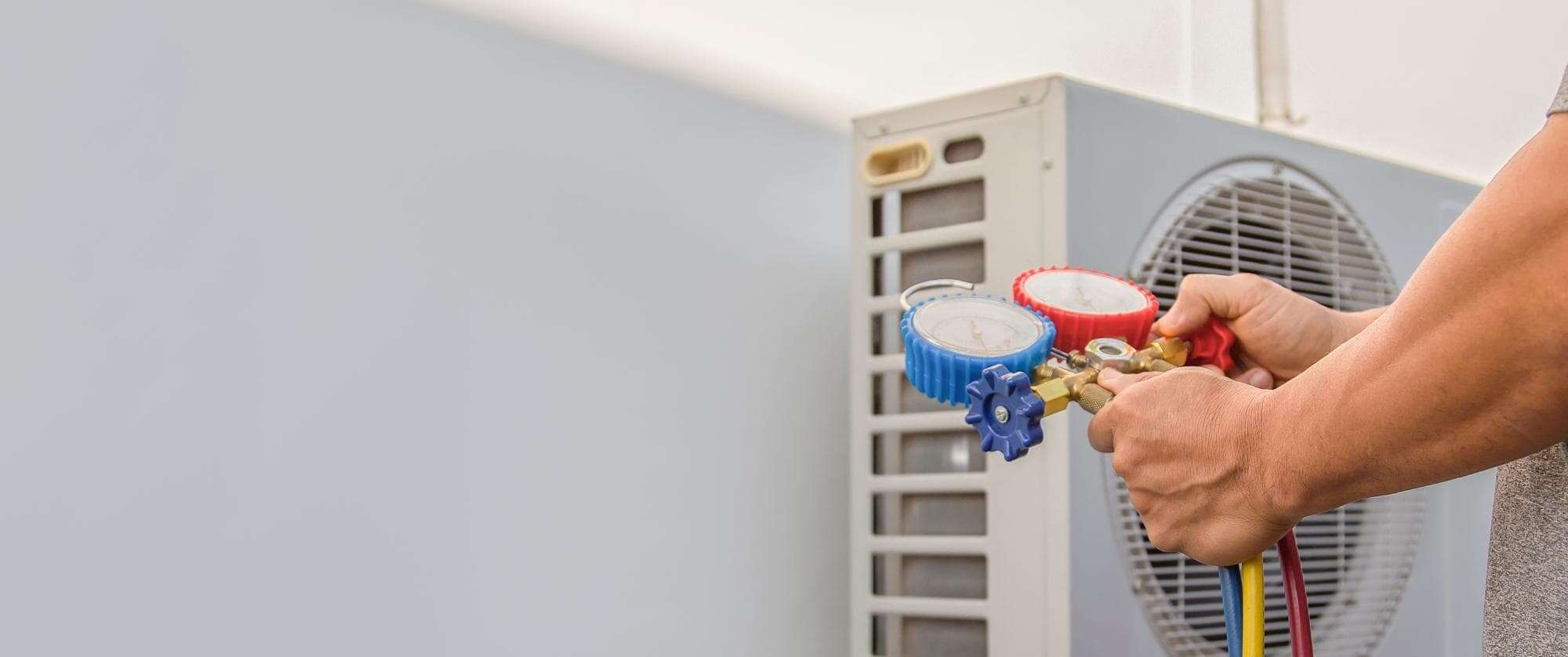
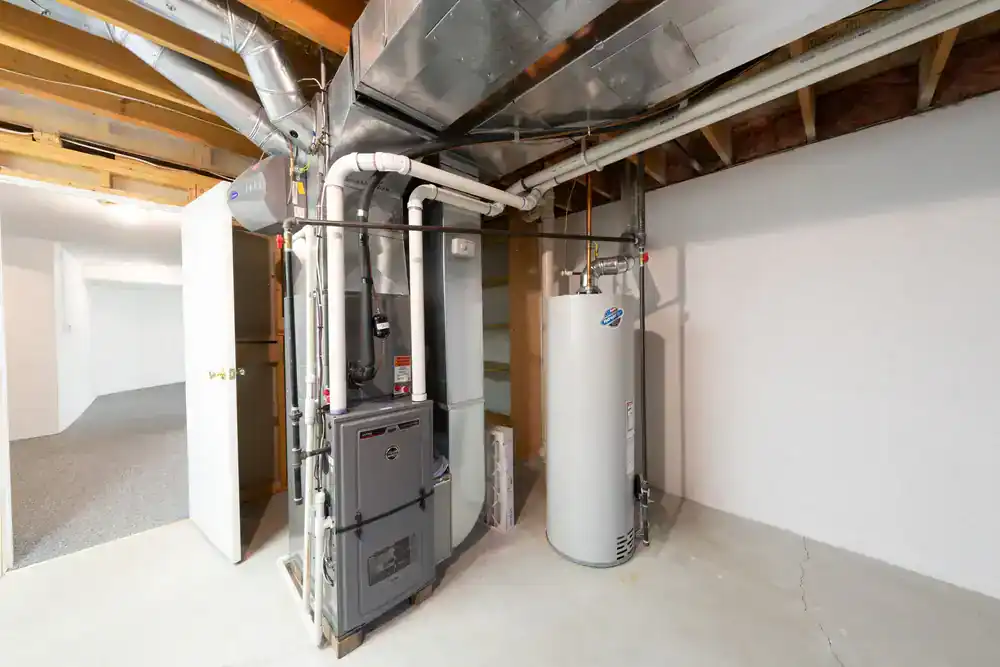
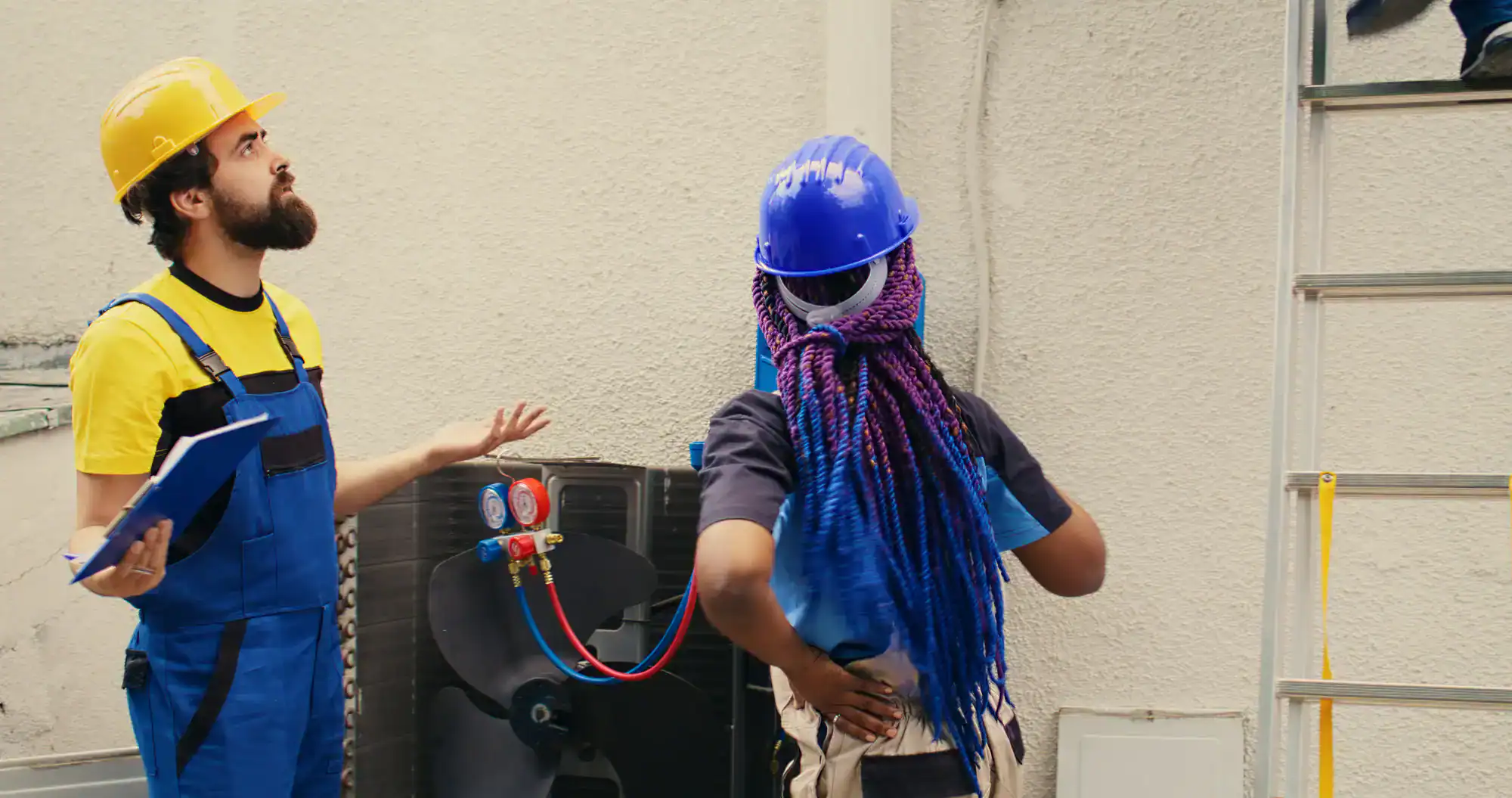
Your energy bills don't have to keep climbing. An experienced HVAC contractor knows exactly which maintenance steps deliver real savings—and most homeowners are missing at least three of them.
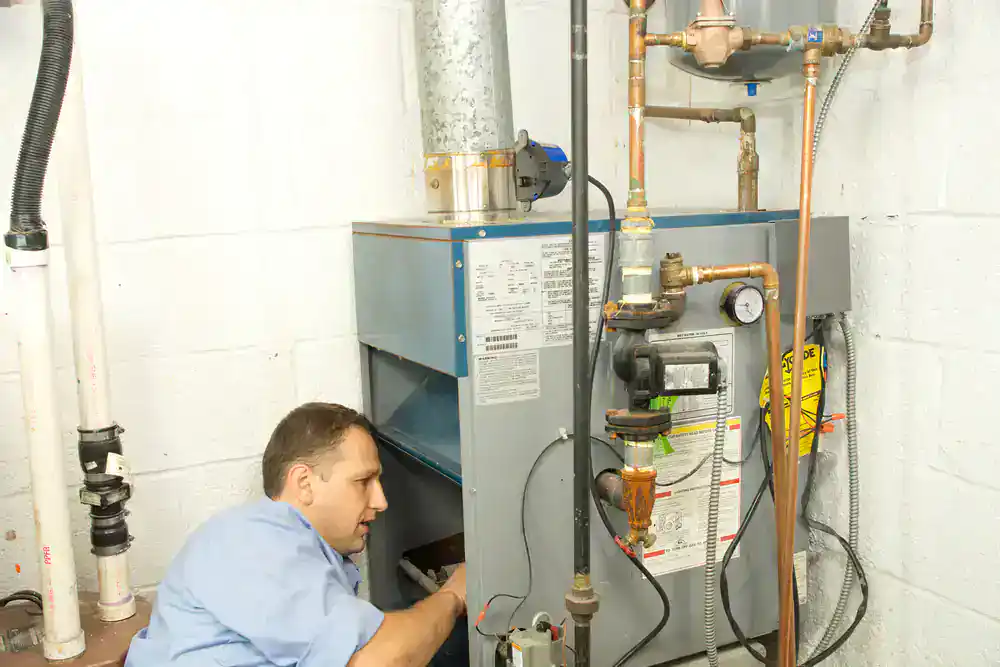
Your energy bill just arrived, and it’s higher than last month. Again. You haven’t changed how you use your heating or air conditioning, so what’s going on?
Here’s what most San Mateo homeowners don’t realize: your HVAC system is probably working harder than it should. Not because it’s broken, but because small efficiency problems compound over time. A dirty filter here, a neglected coil there, and suddenly you’re paying 15% to 30% more than necessary to stay comfortable.
The difference between an efficient system and one that’s quietly draining your wallet often comes down to maintenance. Not the kind of maintenance that requires a complete overhaul—just the strategic, proven steps that actually move the needle on your monthly costs. Let’s start with the single biggest energy drain in most homes.
Walk past your HVAC system right now and check when you last changed the filter. If you can’t remember, you’re already losing money.
A clogged air filter doesn’t just reduce air quality. It forces your system to work significantly harder to push air through the restriction, which directly increases how much energy the blower motor consumes. According to the U.S. Environmental Protection Agency, that simple problem can cost you 5% to 15% more on your monthly heating and cooling bills.
Think about what that means over a year. If your typical monthly HVAC costs run $150, a dirty filter could be adding $90 to $270 annually—just from restricted airflow. That’s real money for something that takes five minutes to fix.
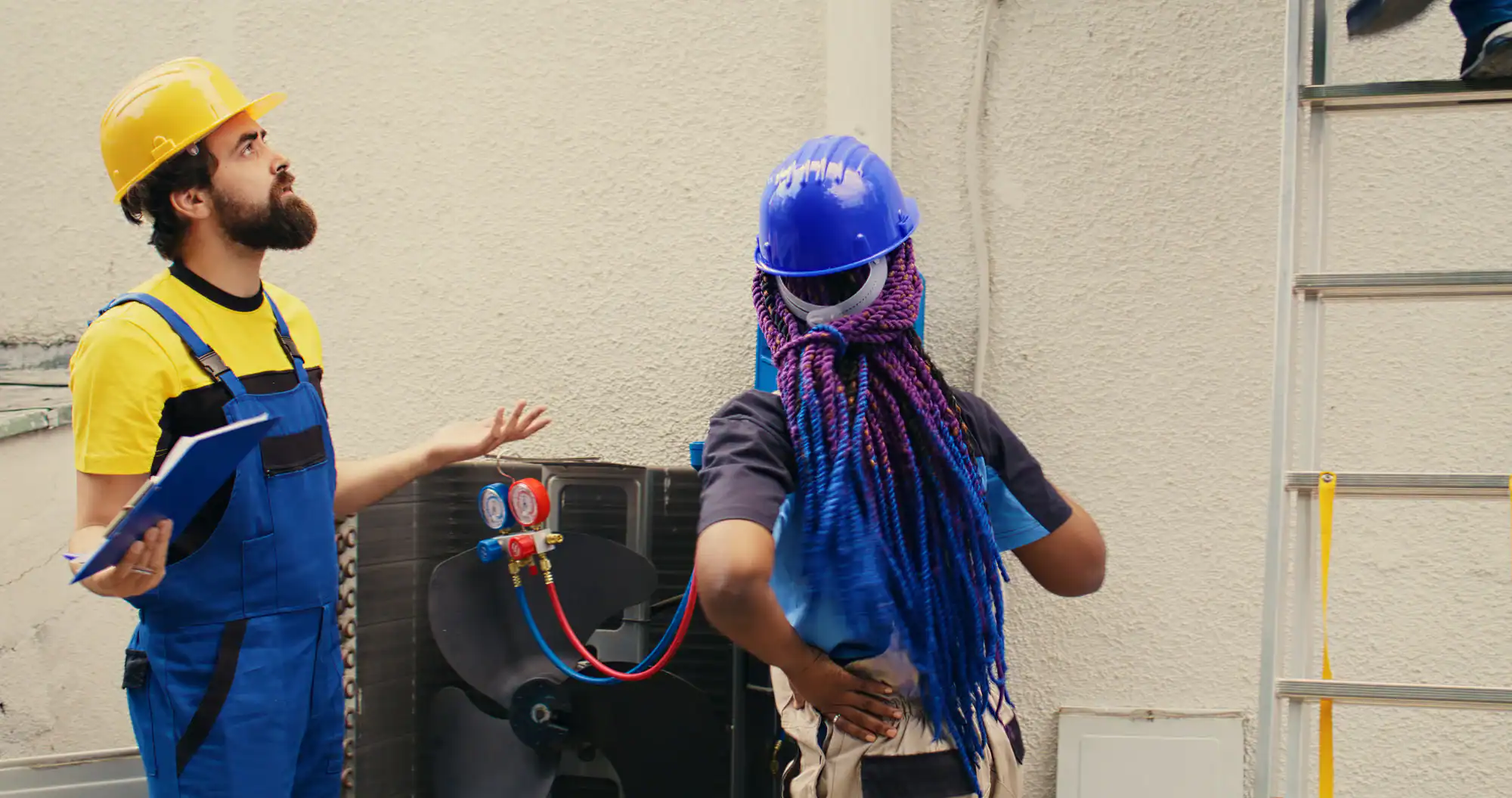
The answer isn’t what’s printed on the filter package. It depends on your home.
Standard 1-inch filters typically need replacement every 30 to 90 days, but that’s just a starting point. If you have pets, you’re dealing with hair and dander that clogs filters faster than most people expect. Homes near construction sites, busy roads, or areas with high pollen counts face the same issue. In those situations, monthly replacement makes more sense than waiting three months.
Here’s a simple test: pull your filter after one month and hold it up to the light. If you can’t see through it clearly, it’s time for a new one. That visual check tells you more about your actual replacement schedule than any general recommendation.
Higher-MERV filters—the ones rated between 11 and 13—capture more particles, which is great for air quality. They also tend to last slightly longer than basic filters. But “longer” doesn’t mean you can ignore them. Even premium filters need monthly inspection, especially during peak heating and cooling seasons when your system runs constantly.
The cost of filters is minimal compared to what you lose in wasted energy. A quality filter runs $15 to $30. Compare that to the $90+ you’re spending annually when a clogged filter forces us to run service calls for problems that started with restricted airflow. Regular replacement isn’t an expense—it’s one of the cheapest ways to maintain efficiency and avoid bigger issues down the line.
Ignoring your filter doesn’t just cost you on energy bills. It creates a cascade of problems that get progressively more expensive.
When airflow drops, your system compensates by running longer cycles to reach the temperature you’ve set. Longer cycles mean more wear on the blower motor, more strain on the compressor, and higher likelihood of component failure. That’s how a $20 filter becomes a $500 AC repair bill—or worse, a full system replacement years earlier than necessary.
Dust and debris that bypass a saturated filter don’t just disappear. They settle on your evaporator coils, reducing their ability to transfer heat effectively. Dirty coils make both heating and cooling cycles longer and more energy-intensive. You’re paying more each month while your system struggles to do what it used to handle easily.
Research shows that 85% of HVAC repairs stem from inadequate maintenance, and clogged filters sit at the top of that list. When we tell you that regular filter changes could have prevented the problem, we’re not upselling—we’re pointing to the data.
The indoor air quality impact matters too, especially if anyone in your home deals with allergies or respiratory issues. A clean filter catches dust, pollen, and other airborne particles before they circulate through your living space. Skip changes, and you’re breathing whatever makes it past that saturated barrier.
We can set up a filter delivery service or remind you when it’s time for a change, but the responsibility ultimately sits with you. Mark it on your calendar. Set a phone reminder. Make it as routine as any other household task, because the return on that small investment shows up every single month on your energy bill.
Get a Free Quote!
Connect with a Eco Air Cooling and Heating expert for fast, friendly support.
Changing your own filter is essential, but it’s not the whole picture. There are parts of your HVAC system that require professional attention—components you can’t access, issues you won’t spot, and efficiency losses that only show up under diagnostic testing.
An experienced HVAC contractor does more than show up and check a box. We’re looking at refrigerant levels, electrical connections, duct integrity, and airflow balance. Each of these factors directly affects how much energy your system consumes, and most homeowners have no way to assess them accurately on their own.
Annual professional maintenance isn’t optional if you’re serious about controlling costs. It’s the difference between a system that operates at 95% efficiency and one that’s dropped to 70% without you noticing the gradual decline.
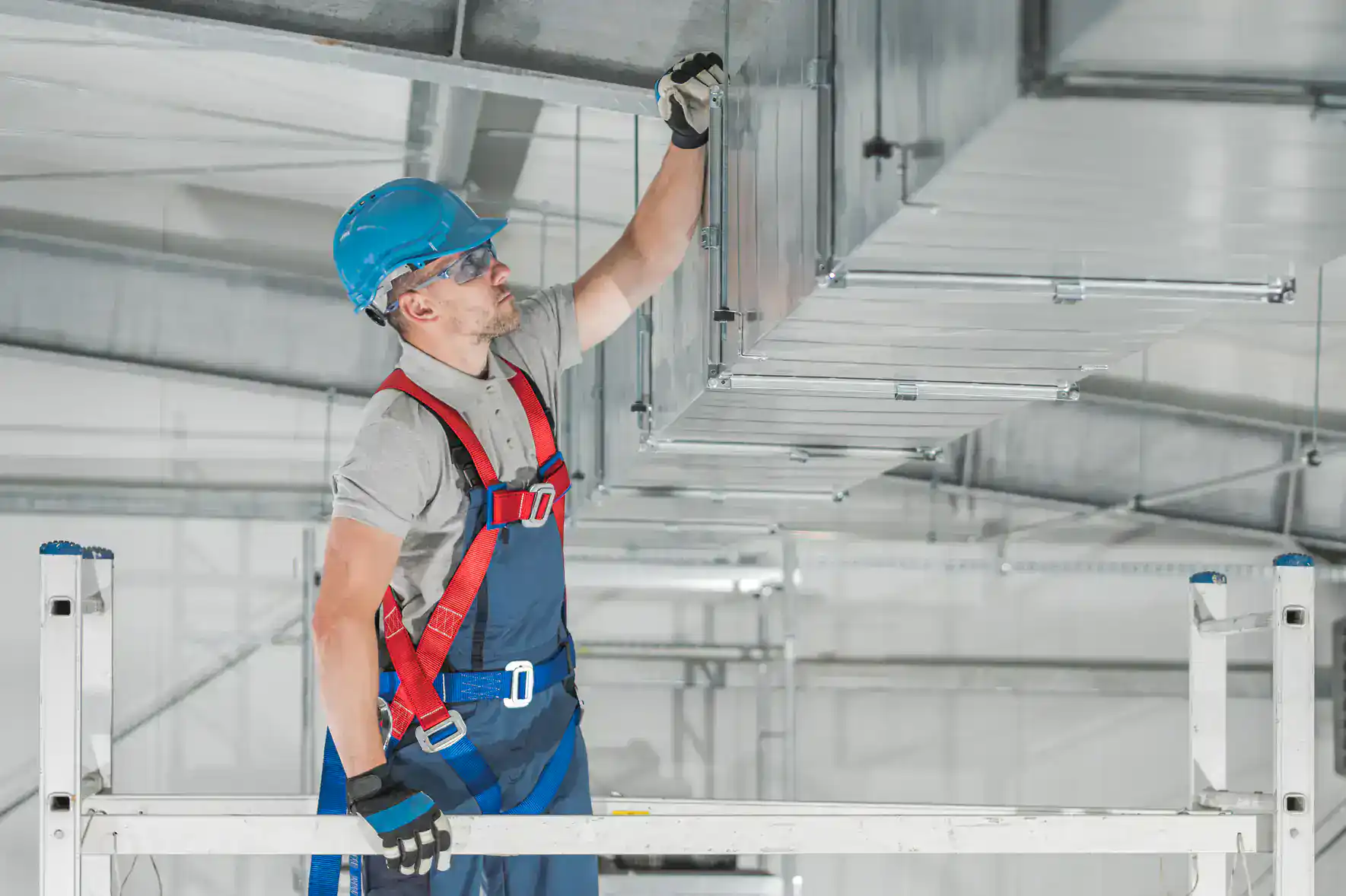
When you schedule maintenance with a qualified HVAC company in San Mateo County, here’s what should actually happen during that visit.
We start by inspecting your system components for wear, corrosion, or damage. We’re checking belts, motors, bearings, and electrical connections—looking for anything that’s starting to fail before it causes a complete breakdown. Early detection here prevents emergency service calls that always cost more than planned maintenance.
Next comes cleaning. Your evaporator and condenser coils accumulate dust and grime that insulate them from the air they’re supposed to heat or cool. When coils can’t transfer heat effectively, your system runs longer cycles and uses more energy to achieve the same result. According to the EPA, cleaning these components once a year can save up to 15% on energy use. That’s not a small number when you’re talking about a system that accounts for nearly half your home’s total energy consumption.
Refrigerant levels get tested and adjusted if needed. Low refrigerant doesn’t just reduce cooling capacity—it forces your air conditioning service to run constantly trying to reach the temperature you’ve set. That extended runtime shows up directly on your utility bill, month after month, until someone identifies and fixes the leak.
Lubrication and calibration matter more than most people realize. Motors and moving parts that aren’t properly lubricated create friction, which increases energy consumption and accelerates wear. A few drops of lubricant in the right places can extend component life and reduce the power draw your system needs to operate.
Thermostat calibration ensures your system isn’t overshooting or undershooting your target temperature. Even a couple degrees of miscalibration translates to wasted energy and uneven comfort. We verify that what you set matches what you’re actually getting.
Duct inspection identifies leaks, gaps, and blockages that allow conditioned air to escape before it reaches your living space. The EPA reports that proper duct sealing can optimize energy efficiency by 20% to 30%. If a third of your heated or cooled air is leaking into your attic or crawlspace, you’re paying to condition spaces you don’t even use.
Emergency HVAC repairs don’t happen randomly. They’re almost always the result of small problems that went unnoticed until they became critical failures.
A worn belt that could have been replaced during routine maintenance snaps on the hottest day of summer. A small refrigerant leak that would have cost $200 to fix becomes a $1,500 compressor replacement because the system ran low for months. Electrical connections that needed tightening cause a component to overheat and fail completely.
Research indicates that regular maintenance can reduce the risk of breakdowns by up to 95%. That’s not marketing language—it’s what happens when you catch issues early, before they cascade into expensive failures.
Emergency service calls come with premium pricing. When your AC repair happens at 9 PM on a Saturday in July, you’re paying for urgency, not just the fix itself. Those situations are almost entirely preventable through scheduled maintenance that identifies problems during business hours, when parts are available and pricing is standard.
The financial math is straightforward. Annual maintenance from a reputable HVAC service typically costs $150 to $300, depending on your system size and what’s included. A single emergency repair often runs $500 to $1,500 or more. One prevented breakdown pays for years of routine service.
Beyond the direct cost savings, there’s the comfort factor. No one wants to wake up to a cold house in winter or sweat through a weekend waiting for air conditioning service in summer. Preventive maintenance means your system works when you need it, not just when it feels like cooperating.
We should be catching these issues during routine visits. If we’re not finding anything that needs attention year after year, either your system is exceptionally well-maintained or we’re not looking closely enough. Most systems that run regularly will have at least minor items that benefit from adjustment or early intervention.
Lowering your energy bills doesn’t require a complete system overhaul or thousands in upfront investment. It starts with the basics: clean filters, professional maintenance, and attention to the small efficiency losses that add up over time.
The data is clear. Well-maintained HVAC systems use 15% to 30% less energy than neglected ones. That difference shows up every single month on your utility bill, year after year. For a typical San Mateo County home spending $1,800 annually on heating and cooling, that’s $270 to $540 in savings—just from doing what your system already needs to function properly.
If you’re ready to stop overpaying for comfort, start with the maintenance you’ve been putting off. Check your filter today. Schedule that tune-up you’ve been meaning to book. Work with an HVAC contractor who’s been serving your community long enough to know what actually works in local conditions.
We’ve been helping San Mateo County homeowners control their energy costs since 1985. Straightforward service, honest recommendations, and the kind of maintenance that actually delivers results.
Summary:
Article details:
Share: