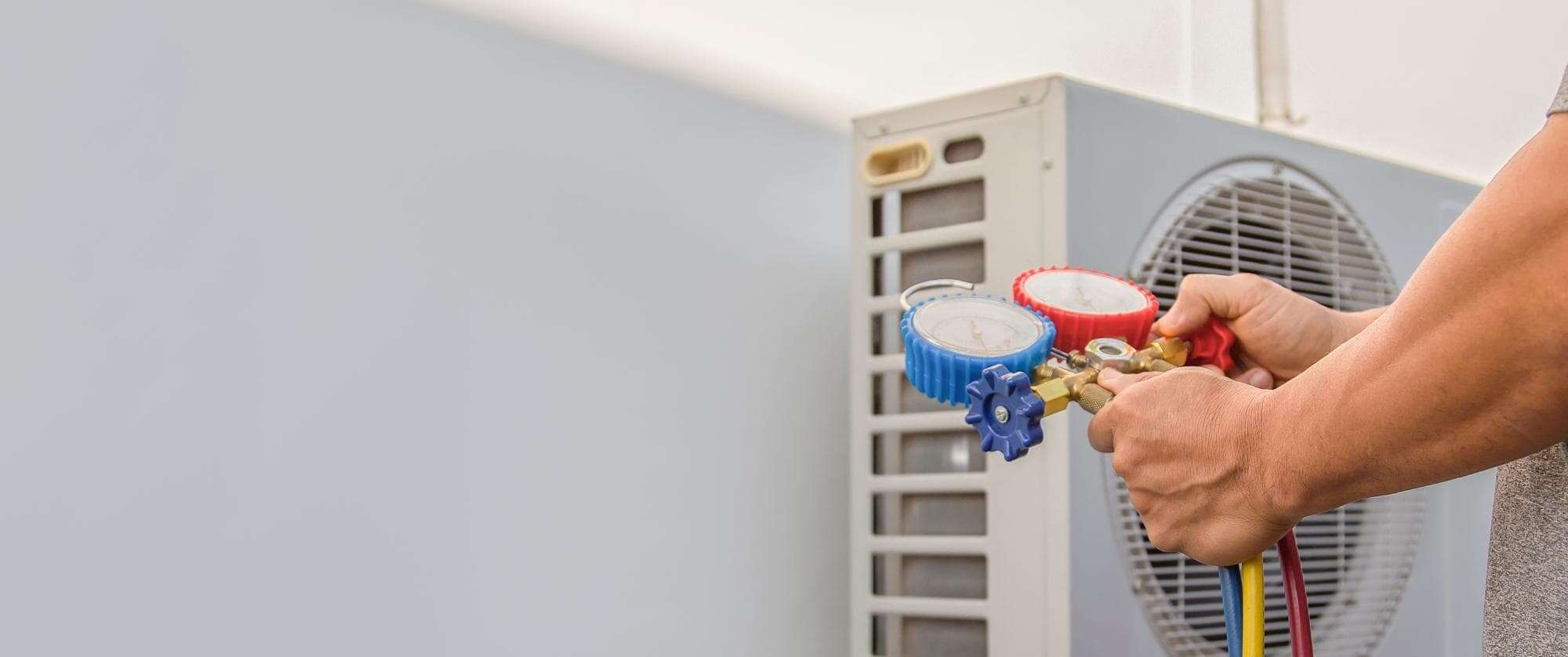
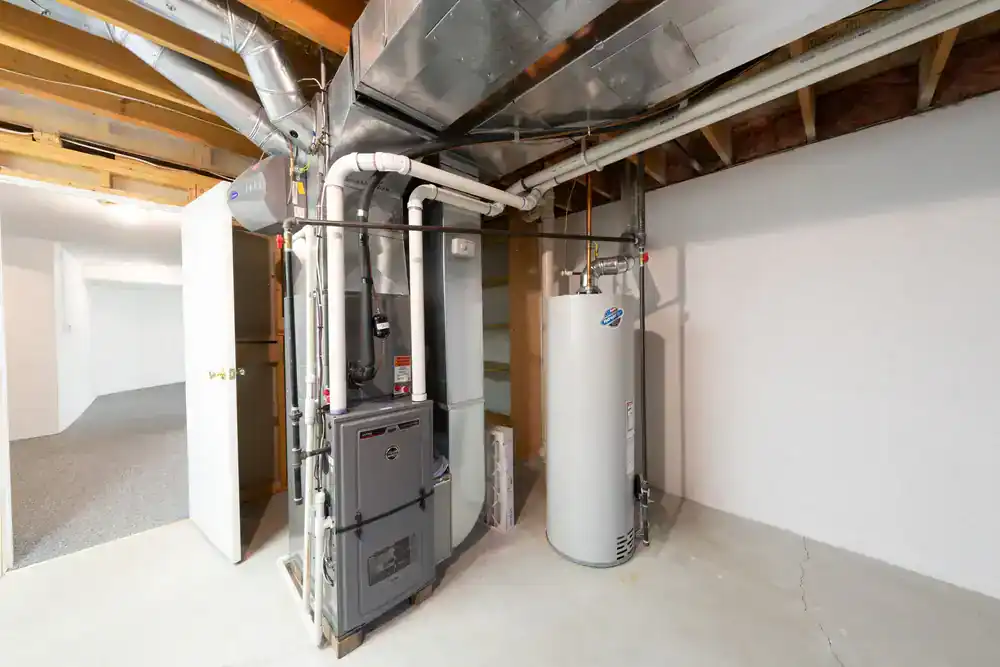
Most San Mateo homes have 100-amp panels. The good news? You can still meet 2026 heat pump requirements without a costly electrical overhaul.
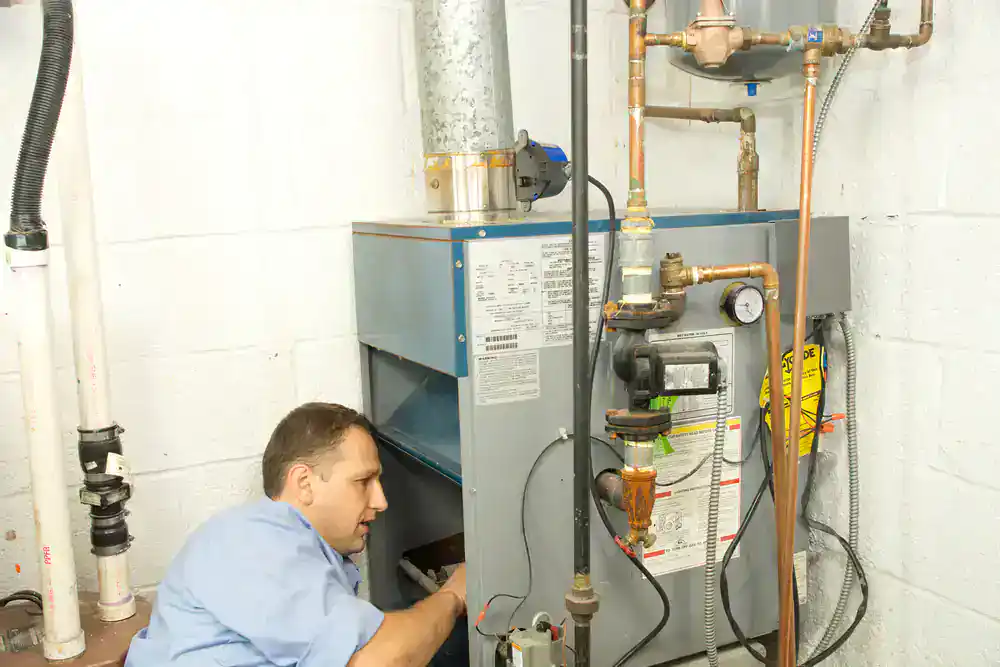
California’s 2025 Title 24 Energy Code went into effect January 1, 2026, and it’s changing how homes handle heating and cooling. The code encourages—and in many cases requires—electric heat pumps instead of gas furnaces. The goal is reducing emissions and moving toward all-electric homes.
Here’s where it gets practical. “Electric-ready” doesn’t mean your home needs to be fully electrified today. It means your electrical infrastructure should be able to support electric appliances when you’re ready to make the switch. For HVAC, that typically means having adequate electrical capacity for a heat pump system.
Most modern heat pumps need a dedicated 240-volt circuit. The size depends on your system—a smaller unit might need 15-30 amps, while a whole-home system could require 40-60 amps. If you’re already running close to your panel’s limit, adding that load becomes a problem.
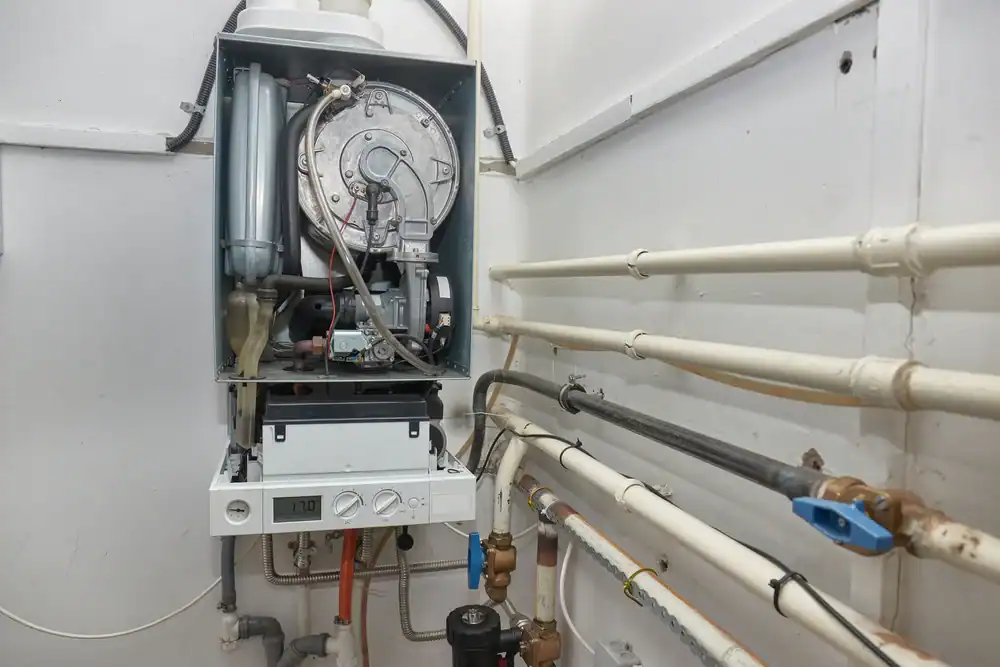
Walk through older neighborhoods in San Mateo, and you’ll find homes built in the 1950s through 1980s. Beautiful properties, solid construction, but designed for a different era of electrical use. Back then, 100-amp service handled everything a typical household needed.
Your home didn’t have central air conditioning running all summer. You weren’t charging electric vehicles overnight. Kitchen appliances were simpler. Home offices with multiple computers and monitors didn’t exist. The electrical demand was a fraction of what modern homes require.
Fast forward to today, and that same 100-amp panel is working overtime. You’ve added window AC units, upgraded to electric ranges, installed smart home devices, and now California wants you to add a heat pump on top of everything else. It’s not that your panel is broken—it’s just not sized for 2026 living.
The National Electrical Code recommends keeping your total load below 80% of your panel’s rating for safety. For a 100-amp panel, that’s 80 amps. When you start adding up your existing appliances plus a new heat pump system, the math gets tight quickly.
Here’s what many San Mateo homeowners don’t realize: upgrading to 200-amp service isn’t always necessary. Yes, it’s become the modern standard, and yes, it gives you plenty of headroom for future additions. But it also costs $2,000 to $4,000 or more, depending on your home’s specific situation. If your utility service line needs upgrading or you have underground service, those costs climb even higher.
Before you assume you need a full upgrade, it’s worth understanding what alternatives exist. Circuit-sharing technology, smart panels, and strategic equipment choices can often let you install a heat pump on your existing 100-amp service. The key is working with an HVAC contractor who understands both the heating and cooling side and the electrical requirements—not just one or the other.
Circuit sharing sounds complicated, but the concept is straightforward. Most homes don’t run all their high-draw appliances at the same time. Your electric dryer isn’t running while you’re charging your car while your heat pump is at full capacity. These loads naturally stagger throughout the day.
Circuit-sharing devices take advantage of this reality. They let two appliances share a single 240-volt circuit by managing which one gets power at any given moment. If your dryer is near your garage, for example, a smart splitter can share that circuit between your dryer and an EV charger. You’re not running both simultaneously anyway, so why dedicate separate circuits to each?
For heat pump installations, this technology opens up possibilities. Instead of adding a completely new circuit that pushes your panel over capacity, you can share an existing circuit with another high-draw appliance that doesn’t run constantly. Basic plug-in splitters cost $400 to $700—dramatically less than a full panel upgrade.
The more sophisticated option is a smart panel. Companies like Span, Lumin, and Leviton make panels that actively manage your home’s electrical load. They monitor every circuit in real-time and can automatically prioritize which appliances get power based on rules you set. If your heat pump needs to run and you’re approaching your panel’s limit, the smart panel might delay charging your EV for an hour or pause your water heater temporarily.
Smart panels cost more upfront—typically $3,000 to $5,000 installed. But they eliminate the need for utility coordination and service upgrades. You keep your existing 100-amp service and let the panel handle load management intelligently. For homes planning multiple electrification upgrades over time, this investment often makes more sense than upgrading to 200 amps.
There’s another angle worth considering: right-sizing your heat pump. HVAC contractors sometimes oversize systems “just to be safe,” but that approach wastes energy and puts unnecessary strain on your electrical service. A proper load calculation based on your home’s square footage, insulation, windows, and San Mateo’s mild climate ensures you’re not installing more capacity than you actually need.
San Mateo rarely sees temperatures below 40°F, which means heat pumps operate efficiently year-round here. You don’t need the same capacity someone in Minnesota requires. A correctly sized system not only reduces your electrical draw—it also runs more efficiently, costs less to operate, and maintains better humidity control. Working with an experienced heating and cooling contractor who takes the time to calculate your actual needs makes a real difference in both performance and electrical requirements.
Get a Free Quote!
Connect with a Eco Air Cooling and Heating expert for fast, friendly support.
The biggest mistake homeowners make is treating HVAC and electrical as separate projects. You call an HVAC company for the heat pump, then realize you need electrical work, so you call an electrician. Now you’re coordinating between two contractors who may not communicate well, and you’re hoping the electrical work actually supports what the HVAC system needs.
A better approach: work with an HVAC contractor who coordinates the electrical side from the start. When one team handles both aspects, they can plan the installation knowing exactly what electrical capacity you have and what the heat pump requires. This prevents situations where your heat pump gets installed only to trip breakers because the electrical wasn’t properly sized.
We’ve been serving San Mateo County since 1985, and we’ve seen how coordination matters. When your HVAC company understands electrical requirements and works with qualified electricians, the installation goes smoother, meets code the first time, and avoids the back-and-forth that drives costs up.
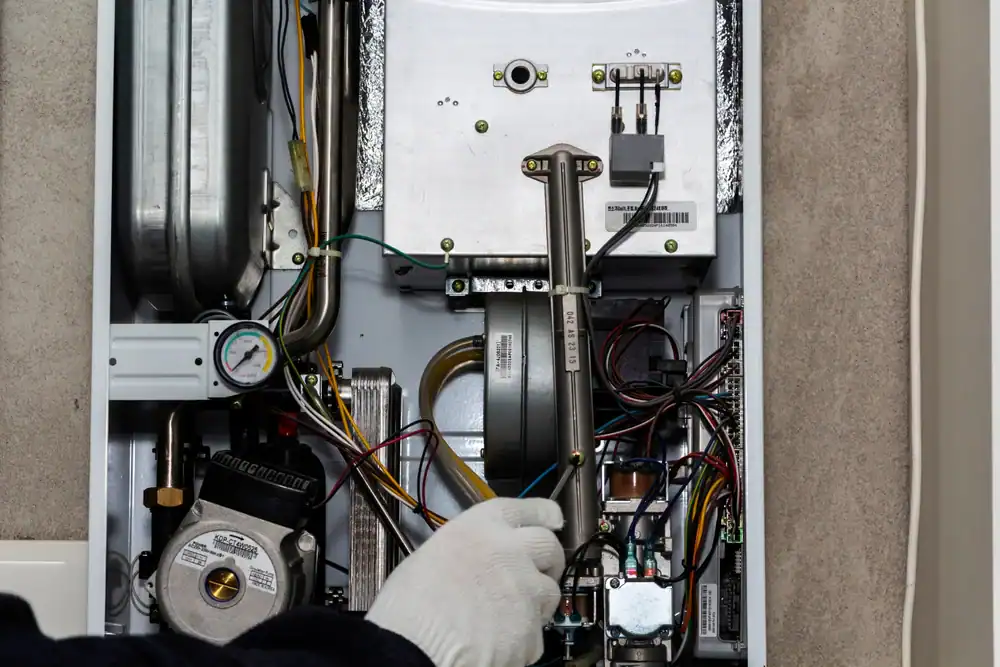
Let’s walk through what happens when you’re installing a heat pump on a 100-amp panel. First, someone needs to evaluate your current electrical situation. This isn’t just looking at your panel—it’s calculating your existing load, understanding what circuits you have available, and determining whether your panel can handle the additional draw.
A load calculation adds up everything: your lighting, appliances, HVAC, water heater, and any other fixed electrical loads. The National Electrical Code has specific formulas for this. Once you know where you stand, you can see how much capacity remains for a heat pump.
If you have room, great. The installation proceeds like any other heat pump project. If you’re close to your limit, that’s when alternatives come into play. Maybe you can use circuit sharing. Maybe a smart panel makes sense. Maybe your old electric water heater gets replaced with a heat pump water heater that uses less power, freeing up capacity for your space heating heat pump.
The permitting process varies by jurisdiction, but San Mateo County requires permits for both HVAC installations and electrical work. Your contractor should handle this—it’s not something you want to DIY. Permits ensure the work meets code and gets inspected, which protects you if something goes wrong and keeps your homeowner’s insurance valid.
Installation typically takes one to two days for a standard heat pump replacement. If electrical panel work is involved, add another day. If you’re doing a full panel upgrade with utility coordination, the timeline extends to one to two weeks, with most of that time spent waiting for utility company scheduling.
Here’s something worth knowing: California offers incentives for heat pump installations. The federal 25C tax credit gives you 30% back on qualifying electrical panel upgrades, up to $600. That’s not nothing when you’re looking at electrical work. Bay Area programs like TECH Clean California offer rebates of $3,000 to $7,000 for qualifying heat pump installations. Your contractor should help you navigate these programs—the paperwork can be confusing, but the savings are real.
The question we hear most: “Do I really need to upgrade my panel?” The honest answer is: maybe not. It depends on your specific situation—your current electrical load, what type of heat pump you’re installing, and what other electrical upgrades you’re planning.
A single-zone ductless mini-split might only need a 15-amp circuit. If you have space in your panel and aren’t maxed out on capacity, installation is straightforward. A whole-home ducted heat pump system serving multiple zones could need 40 to 60 amps. That’s a different conversation, especially on a 100-amp panel.
Another common concern: “Will my heat pump work in San Mateo’s climate?” Absolutely. San Mateo’s mild temperatures are ideal for heat pump operation. Modern cold-climate heat pumps work efficiently down to 5°F, and you rarely see temperatures anywhere near that low here. Your heat pump will handle heating and cooling year-round without issue.
People also ask about ongoing costs. Heat pumps are more efficient than traditional electric resistance heating or gas furnaces. They move heat rather than generating it, which means they deliver three to four times more heat energy than the electrical energy they consume. Your monthly utility costs typically drop compared to older systems, especially if you’re replacing an aging furnace or electric baseboard heat.
What about maintenance? Heat pumps need regular service just like any HVAC system—annual tune-ups, filter changes, and occasional repairs. But they’re reliable equipment when properly maintained. The lifespan is similar to traditional systems, typically 15 to 20 years with good care.
One question that deserves a straight answer: “How much is this going to cost?” Heat pump installations in San Mateo typically run $8,000 to $18,000, depending on system size and complexity. If you need electrical work, add $400 to $700 for circuit sharing, $2,000 to $4,000 for a panel upgrade, or $3,000 to $5,000 for a smart panel. These numbers vary based on your home’s specific situation, but they give you a realistic starting point.
The cost feels significant until you factor in rebates, tax credits, and energy savings. Many San Mateo homeowners find the net cost much lower than expected, and the monthly savings on utility bills start immediately. You’re not just meeting code requirements—you’re investing in equipment that costs less to operate and increases your home’s value.
California’s push toward electric-ready homes isn’t going away. The 2026 requirements are here, and they represent where building codes are headed nationwide. If you’re facing heat pump installation with a 100-amp panel, you have more options than you might think.
Circuit-sharing technology, smart panels, and proper system sizing can often eliminate the need for expensive electrical service upgrades. The key is working with a heating and cooling contractor who understands both sides of the equation and can coordinate the work properly.
We’ve been helping San Mateo homeowners navigate these decisions since 1985. We know the local housing stock, understand the electrical challenges older homes face, and coordinate with qualified electricians to ensure your installation meets code without unnecessary costs. If you’re ready to explore your options, reach out to us and let’s talk about what makes sense for your specific situation.
Summary:
Article details:
Share: