Not sure whether to repair or replace your AC? These 4 financial tips help San Mateo homeowners make smart decisions about aging air conditioning systems.

Your air conditioner stopped working on the worst possible day. The technician just handed you a repair estimate that makes you wince, and now you’re wondering if you should fix it or replace the whole system.
It’s one of the toughest calls homeowners face, and the wrong choice costs you—either in wasted repair money on a dying system or an unnecessary replacement you can’t afford. The good news? There are proven ways to evaluate this decision that take the guesswork out of the equation.
Let’s start with the most widely used formula in the HVAC industry.
The HVAC industry uses a surprisingly simple formula to help homeowners decide whether repair or replacement makes financial sense. It’s called the $5,000 rule, and it works like this: multiply your AC unit’s age by the repair cost. If that number exceeds $5,000, replacement is usually the smarter investment.
Here’s an example. If your air conditioner is 12 years old and the repair estimate is $500, you multiply 12 times 500 to get $6,000. That result exceeds $5,000, which suggests replacement makes more sense than repair. On the flip side, if your unit is only 6 years old and needs a $400 repair, that’s $2,400—well under the threshold, making repair the logical choice.
This formula isn’t arbitrary. It accounts for both the remaining useful life of your system and the likelihood of future repairs. Older systems that need expensive fixes today will probably need more repairs soon, and those costs add up fast.
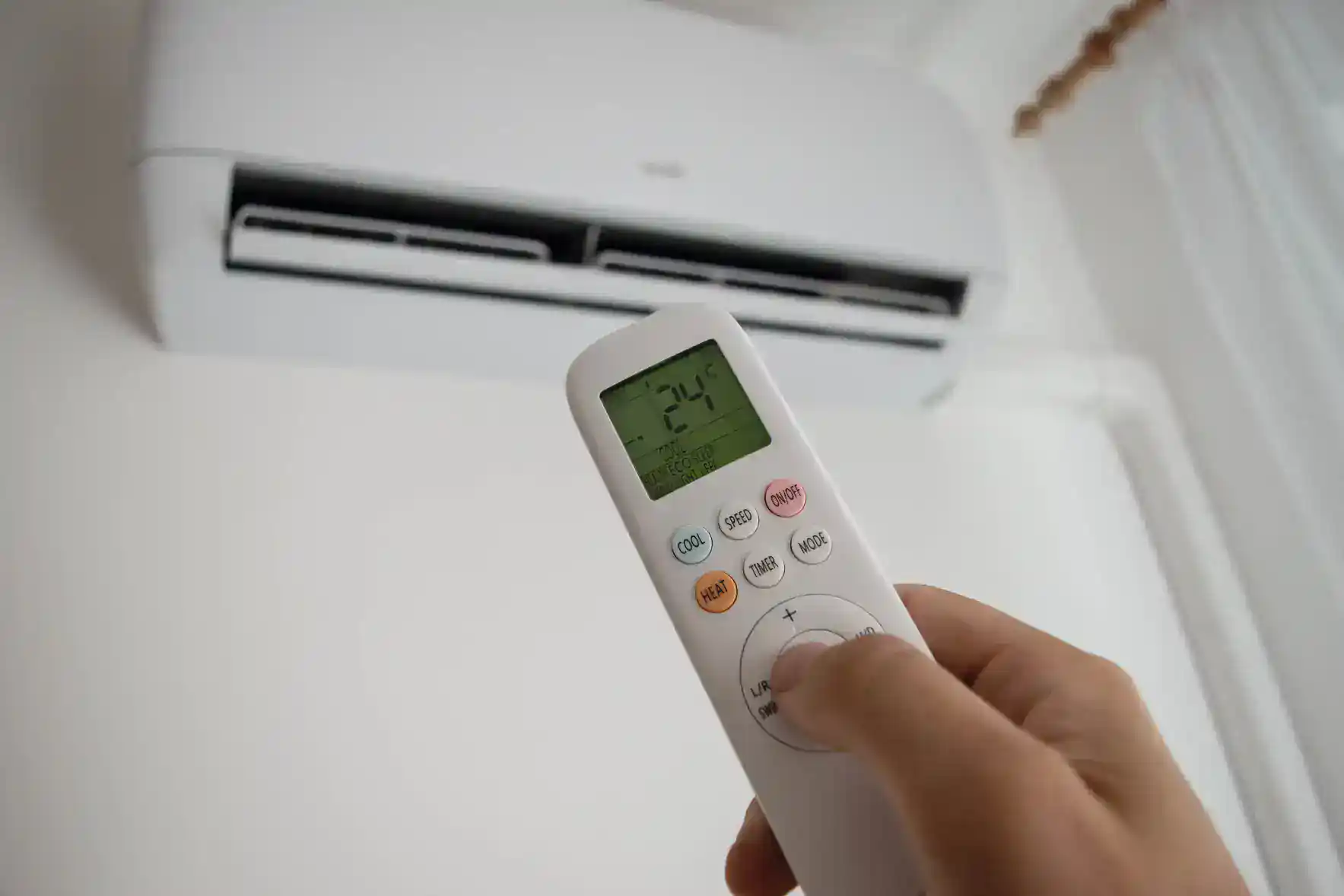
Age matters more than most homeowners realize when evaluating AC repair versus replacement. Most air conditioning systems last between 10 to 15 years with proper maintenance. Once your unit crosses that 10-year mark, you’re entering the zone where replacement often makes more financial sense than continued repairs.
Why does age matter so much? Older systems lose efficiency as components wear down. That 12-year-old AC unit might still cool your home, but it’s working harder and using more energy to do the same job it handled easily when it was new. In San Mateo County, where electricity rates average 37 cents per kilowatt-hour—well above national averages—that efficiency loss hits your wallet every single month.
There’s another age-related factor to consider: refrigerant type. If your air conditioner is more than 10 years old, it likely uses R-22 refrigerant, also called Freon. Production of R-22 stopped in 2020 because it depletes the ozone layer. The remaining supply gets more expensive and harder to find every year. If your older system develops a refrigerant leak, the cost to refill it might approach the price of a new, more efficient system that uses modern refrigerant.
Manufacturers also discontinue parts for older models. That 15-year-old compressor that just failed? The replacement part might not even be available anymore, or it might cost nearly as much as a new system. When you factor in labor costs for installing hard-to-find parts, the math shifts heavily toward replacement.
Energy efficiency improvements in modern systems create another compelling reason to consider replacement for older units. Today’s air conditioners with higher SEER ratings can reduce your cooling costs by 30 to 50 percent compared to systems installed 10 to 15 years ago. For San Mateo homeowners dealing with high electricity rates and increasingly frequent heat days, those monthly savings add up to real money that helps offset the replacement cost over time.
The age threshold isn’t a hard rule, though. A well-maintained 12-year-old system that’s had minimal repairs and still cools effectively might be worth fixing if the repair is minor. But if that same system has needed multiple repairs in recent years, age becomes a stronger signal that it’s time to replace rather than continue throwing money at an aging unit.
Not all repair costs carry the same weight when you’re deciding between fixing and replacing your air conditioner. Understanding what different repair price points mean helps you make smarter financial decisions.
Simple fixes like replacing a capacitor or cleaning dirty coils typically run between $150 and $300. These are normal wear-and-tear repairs that don’t necessarily signal bigger problems, especially if your system is less than 10 years old and this is your first repair in a while. For a relatively young, well-maintained unit, these minor repairs make perfect sense financially.
More complex problems involving compressors, electrical issues, or refrigerant leaks can range from $400 to $800 or higher. When repair costs climb into this range, you need to look at the bigger picture. Is this repair an isolated incident, or are you calling for service multiple times a year? If you’re spending on AC repairs more than once annually, those costs stack up fast. Two $400 repairs in a single year total $800—money that could have gone toward a replacement that solves the problem permanently.
There’s another useful guideline beyond the $5,000 rule: the 50 percent rule. If your repair cost exceeds half the price of a new system, replacement often makes more financial sense. A $2,000 repair might seem manageable until you realize a new, energy-efficient system costs $4,500. At that point, you’re spending half the replacement cost to fix an old system that will likely need more repairs soon.
The frequency of repairs matters just as much as individual repair costs. Keep track of your HVAC service history. If you’re calling for emergency AC repair every few months, that pattern tells you something important: your system is failing, and continued repairs are just delaying the inevitable. Each service call costs you time, money, and the stress of dealing with a broken air conditioner, often during the hottest days when you need cooling most.
Consider the cumulative repair costs over the past two to three years. If you’ve spent $1,500 on repairs during that time and now face another $600 repair, you’re looking at $2,100 invested in an aging system. That’s a substantial chunk of a replacement cost, and those repairs didn’t buy you a new system—they just kept an old one limping along.
Emergency repair timing also affects your costs. When your AC fails during a heat wave, you’re paying premium rates for urgent service. Technicians charge $100 to $200 extra for emergency calls, and you have limited negotiating power when you desperately need cooling restored. If your system is old and prone to breakdowns, you’re likely to face these emergency situations repeatedly, each time paying those premium rates.
The type of component failing also matters. Compressor failures are particularly expensive because the compressor is essentially the heart of your AC system. If your compressor fails and your unit is over 10 years old, replacement almost always makes more sense than a costly compressor repair. The same logic applies to heat exchanger failures in furnaces or major electrical system problems.
Get a Free Quote!
Connect with a Eco Air Cooling and Heating expert for fast, friendly support.
Sometimes the numbers clearly point toward replacement, even if the upfront cost feels daunting. Recognizing these situations helps you avoid throwing good money after bad.
Rising energy bills often provide the first warning sign. If your electricity costs have increased significantly despite similar usage patterns, your AC system is losing efficiency faster than repairs can restore it. An aging air conditioner works harder to deliver the same cooling, running longer cycles and consuming more power. In San Mateo County’s expensive energy market, that efficiency loss costs you real money every single month.
Frequent breakdowns signal another clear replacement scenario. If you find yourself calling for AC service multiple times per year, your system is telling you it’s reached the end of its useful life. Each repair addresses a symptom, not the underlying problem: your air conditioner is worn out. Continuing to repair it means you’re stuck in a cycle of breakdowns, service calls, and temporary fixes that never deliver lasting reliability.
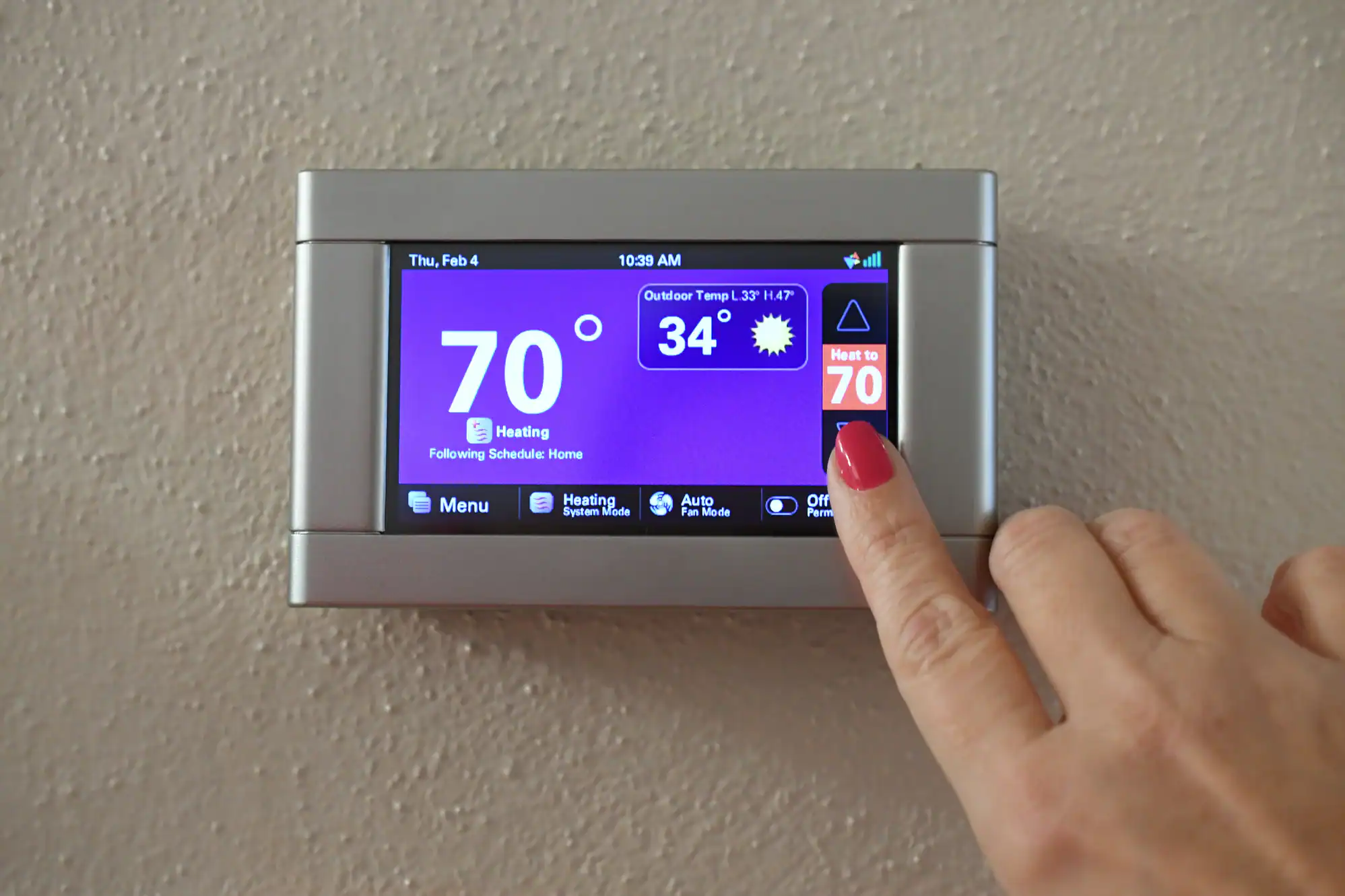
Energy efficiency might sound like a minor consideration compared to the immediate decision about repair or replacement, but it’s actually one of the most important financial factors to evaluate. The monthly savings from a more efficient system can offset replacement costs faster than most homeowners expect.
Older air conditioning systems typically have SEER ratings between 10 and 13. Modern high-efficiency units can reach SEER 16, 18, or even higher. That difference translates directly to your utility bill. Moving from a SEER 10 system to a SEER 16 unit typically cuts your cooling energy consumption by 35 to 40 percent. For a San Mateo homeowner paying high electricity rates, that’s substantial monthly savings.
Let’s put real numbers to this. If you’re currently spending $200 per month on cooling during summer with an old, inefficient system, upgrading to a high-efficiency model could drop that to $120 or $130. That’s $70 to $80 in monthly savings during peak cooling season. Over a typical six-month cooling season in San Mateo County, you’re saving $420 to $480 annually. Over the 10 to 15-year lifespan of the new system, those savings add up to $4,200 to $7,200—a significant portion of the replacement cost.
Proper maintenance enhances efficiency by up to 15 percent according to the U.S. Department of Energy. That means even a new system won’t deliver its rated efficiency if it’s not maintained properly. But here’s the thing: you can maintain an old system perfectly and it still won’t match the efficiency of a modern unit because the technology has simply improved that much over the past decade.
San Mateo’s climate creates additional efficiency considerations. The area is expected to see a 114 percent increase in the number of days over 86 degrees over the next 30 years. Your AC system will be working harder in the coming years, making energy efficiency even more critical for controlling costs and ensuring reliability. An old, inefficient system that’s barely keeping up now will struggle even more as temperatures rise.
The coastal climate also affects efficiency in ways that aren’t obvious. Salt air accelerates corrosion on outdoor units, and the marine layer creates humidity changes that stress system components. These factors reduce efficiency over time, especially in older systems that weren’t designed with these specific challenges in mind. Modern systems installed by contractors who understand San Mateo’s unique climate can be specified and maintained to handle these conditions more effectively.
Energy efficiency also ties directly to your home’s comfort. An inefficient system runs longer cycles trying to reach your desired temperature, creating temperature swings and uneven cooling. A properly sized, efficient system maintains steadier temperatures with shorter, more controlled cycles. That means better comfort along with lower bills.
Many homeowners don’t realize that oversized systems—a common problem with older installations—actually waste energy. An oversized AC unit cycles on and off too frequently, never running long enough to properly dehumidify your home. It also wears out faster because of the constant starting and stopping. Right-sizing your replacement system based on your home’s actual cooling needs improves both efficiency and equipment lifespan.
The upfront cost of AC replacement stops many homeowners from making a decision that would save them money in the long run. But several financial options and programs can make replacement more affordable than you might think, especially for seniors and others on fixed incomes.
Senior and military discounts provide immediate savings on replacement costs. A 15 percent discount on a $5,000 system saves you $750 right away. For homeowners on fixed incomes, that discount makes a meaningful difference in affordability. These discounts recognize the budget constraints many seniors face and make quality HVAC service accessible to those who need it most.
Utility rebates and tax credits can significantly reduce your net cost for energy-efficient equipment. Many utility companies offer rebates for installing high-efficiency HVAC systems because they reduce overall energy demand. These rebates can range from a few hundred to over a thousand dollars depending on the system efficiency and your utility provider. The federal government also offers tax credits for qualifying energy-efficient equipment, potentially providing additional savings.
Financing options spread the replacement cost over time, making it manageable even on a tight budget. Many HVAC contractors offer financing plans, sometimes with zero interest for qualified buyers or extended payment terms that keep monthly costs low. When you compare the monthly payment on a financed replacement to the combined cost of ongoing repairs plus higher energy bills from an inefficient old system, financing often makes replacement the more affordable choice month-to-month.
For low-income homeowners, several assistance programs can help with HVAC replacement costs. The Low Income Home Energy Assistance Program, known as LIHEAP, is a federally funded program that can provide support for heating and cooling emergencies, including repair or replacement costs. The Weatherization Assistance Program, or WAP, offers free energy upgrades including HVAC system improvements to reduce bills and improve safety, with seniors and low-income households prioritized.
The timing of your replacement can also affect costs. Replacing your system during off-peak seasons—spring or fall rather than the middle of summer—often means better availability, less rushed installation, and sometimes better pricing because contractors aren’t swamped with emergency calls. Planning ahead instead of waiting for a complete breakdown gives you more control over the process and the costs.
Warranty coverage on new systems provides financial protection that repairs on old equipment can’t match. A new air conditioner typically comes with manufacturer warranties covering parts for 5 to 10 years, and some contractors offer extended warranties on labor. That means if something goes wrong during the warranty period, you’re protected from major repair costs. Compare that to repairing an old system that’s out of warranty, where every future repair comes entirely out of your pocket.
The return on investment calculation becomes clearer when you account for all these factors. Yes, replacement costs more upfront than a single repair. But when you add up the avoided future repairs, the monthly energy savings, available discounts and rebates, warranty protection, and improved reliability, replacement often pays for itself within a few years while delivering better comfort and peace of mind.
For seniors especially, the financial decision isn’t just about the dollars—it’s about predictability and security. Fixed incomes mean unexpected repair costs create real hardship. A new, reliable system with warranty protection and lower monthly operating costs provides budget stability that’s hard to put a price on.
The decision between repairing and replacing your air conditioner comes down to looking at the complete picture, not just the immediate repair cost. Use the $5,000 rule as your starting point: multiply your system’s age by the repair cost, and if that exceeds $5,000, lean toward replacement. Factor in the 50 percent rule too—if repair costs exceed half the price of a new system, replacement usually makes more sense.
Consider your system’s age, repair history, and current efficiency. If you’re dealing with a unit over 10 years old that’s needed multiple repairs and struggles to keep your home comfortable, those are clear signals that replacement will serve you better financially. The monthly energy savings from a modern, efficient system help offset the replacement cost while delivering more reliable cooling.
When you’re ready to make your decision, we’ve been helping San Mateo County homeowners navigate these exact situations since 1985. We understand the unique challenges of the local climate and work with homeowners to find solutions that fit their needs and budget, including senior and military discounts that make quality service more accessible.
Summary:
Article details:
Share: