A flickering pilot light isn't just annoying—it's your furnace trying to tell you something. For San Mateo seniors, understanding these warning signs could prevent carbon monoxide exposure and costly emergency repairs.
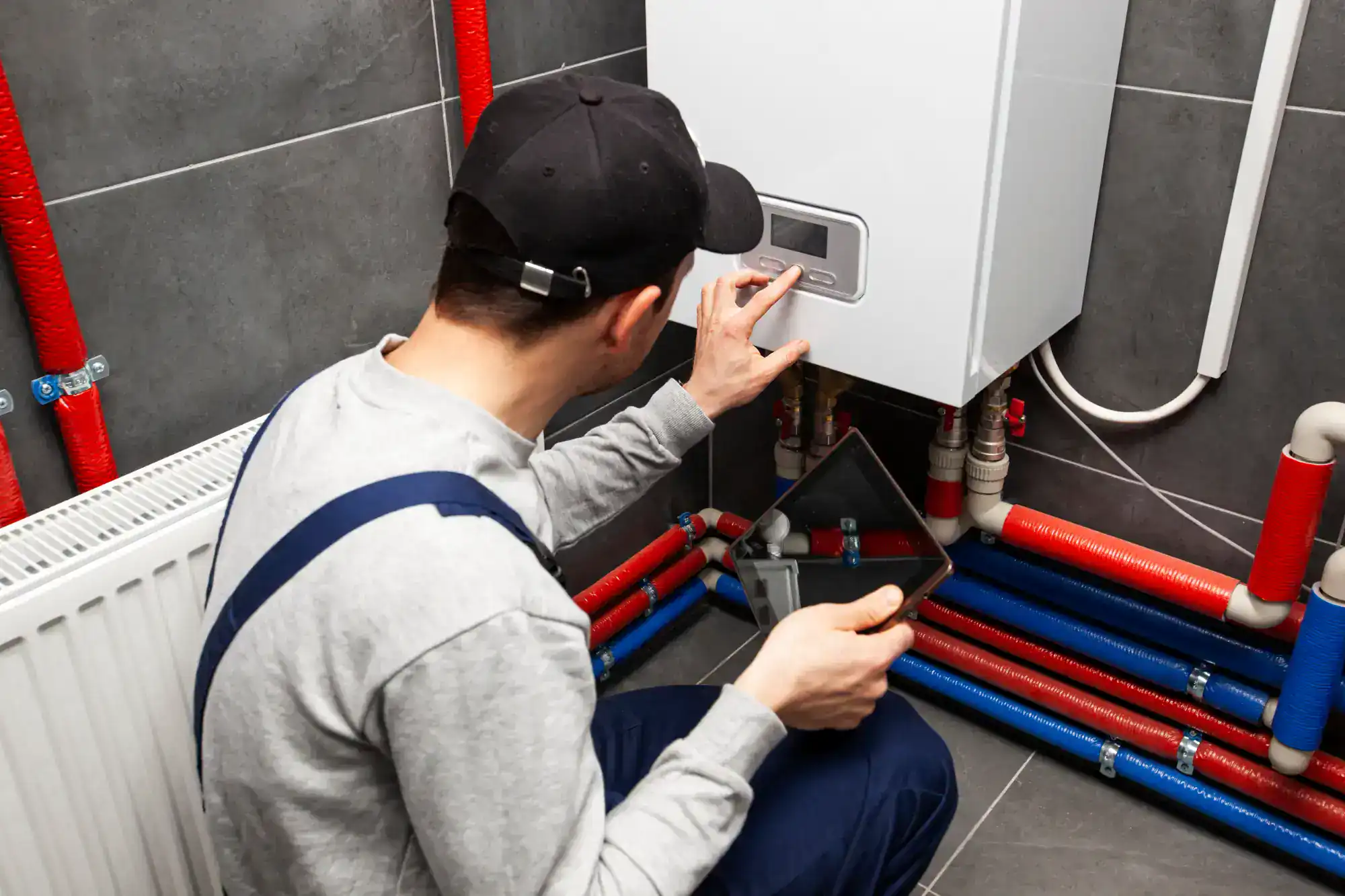
A pilot light should burn steady and blue. When it starts flickering, turning yellow, or going out repeatedly, something’s interfering with the combustion process. That interference matters because incomplete combustion is how carbon monoxide gets created.
The usual suspects include a dirty pilot orifice, a failing thermocouple, or airflow problems around the furnace. Sometimes it’s as simple as a draft from a nearby window. Other times it points to a component that’s wearing out and needs replacement before it fails completely.
If your pilot light keeps going out after you relight it, that’s not normal. It means the safety mechanisms aren’t working right, or there’s an issue with gas flow that needs a technician’s attention.
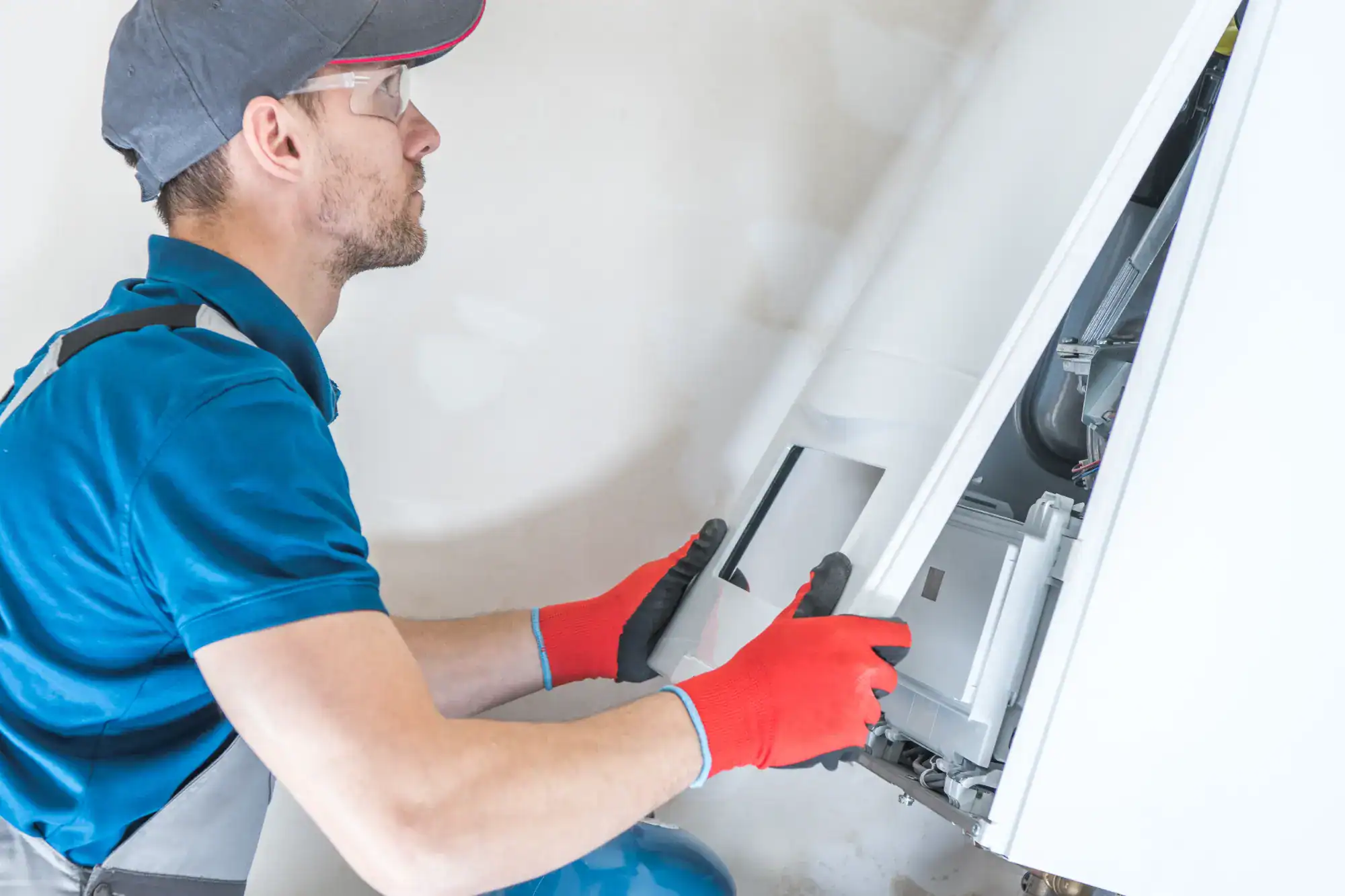
Furnaces age the same way everything else does. Metal components expand and contract thousands of times over the years. Burners collect dust and residue. Parts that were manufactured to last 15 to 20 years start reaching the end of their functional life.
The heat exchanger—the part that separates combustion gases from the air that heats your home—is particularly vulnerable. Over time, the constant heating and cooling creates stress on the metal. Small cracks can develop. Those cracks are dangerous because they allow carbon monoxide to mix with the air circulating through your house.
Older pilot light systems are less common in new furnaces, but plenty of San Mateo homes still have them. These systems rely on a continuously burning flame and a thermocouple that senses whether the pilot is lit. When the thermocouple gets dirty or starts failing, the pilot goes out. When the pilot orifice gets clogged, the flame burns weak or yellow instead of strong and blue.
You’ll also see problems with gas valves, igniters, and flame sensors as furnaces age. These aren’t always expensive fixes, but they need to be addressed. A $200 repair today beats a $1,500 emergency call when your furnace quits entirely on the coldest night of the year.
San Mateo’s mild coastal climate means your furnace doesn’t work as hard as systems in colder regions. That’s good for longevity. But it also means homeowners sometimes skip annual maintenance because the system “seems fine.” Then small issues go unnoticed until they become safety hazards. The cooler, damp nights common in the area do increase system run times during winter months, making carbon monoxide and venting checks especially important for older equipment.
Carbon monoxide is called the silent killer for a reason. You can’t see it. You can’t smell it. The early symptoms—headaches, dizziness, nausea—feel like the flu. By the time you realize something’s seriously wrong, you’ve already been exposed.
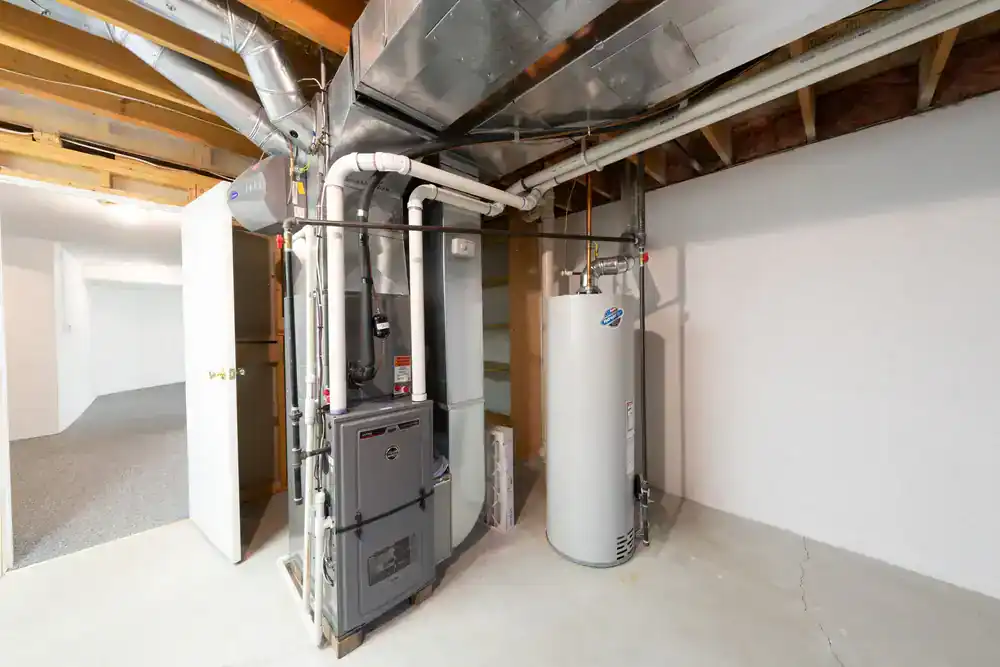
Gas and oil furnaces produce carbon monoxide as a natural byproduct of burning fuel. In a properly functioning system, that CO gets vented safely outside through the flue. But when heat exchangers crack, when vents get blocked, or when combustion isn’t happening correctly, carbon monoxide leaks into your living space instead.
Seniors face higher risk from carbon monoxide exposure. Their bodies don’t process toxins as efficiently. They may have underlying health conditions that make CO poisoning more dangerous. And if they live alone, there’s no one else in the house to notice the symptoms and get help.
Between 2005 and 2017, 900 people in the United States died from carbon monoxide poisoning related to furnaces. Gas heating equipment accounted for the largest share of those deaths. These weren’t all ancient, neglected systems. Some were furnaces that simply hadn’t been inspected regularly.
That’s why a flickering pilot light or a yellow flame isn’t something to ignore. It’s not about being paranoid. It’s about understanding that combustion problems often show up as visible changes before they become invisible dangers. A yellow or orange flame means there’s not enough oxygen for complete combustion. Incomplete combustion produces more carbon monoxide.
If your pilot light won’t stay lit, if you smell gas around your furnace, or if the flame color has changed, turn off the system and call for heater repair in San Mateo immediately. Don’t try to troubleshoot gas issues yourself. The risk isn’t worth it.
Get a Free Quote!
Connect with a Eco Air Cooling and Heating expert for fast, friendly support.
A real safety inspection isn’t just turning on your furnace and listening for weird noises. It’s a systematic check of every component that affects safe operation. The goal is finding problems before they leave you without heat or put your household at risk.
Technicians start by testing the thermostat and checking that it’s communicating properly with the furnace. Then they move to the components that handle combustion and ventilation. Every part of the system that deals with gas, flame, or exhaust gets inspected.
The inspection should take at least an hour if it’s done thoroughly. If someone’s in and out in 20 minutes, they’re not checking everything that matters.
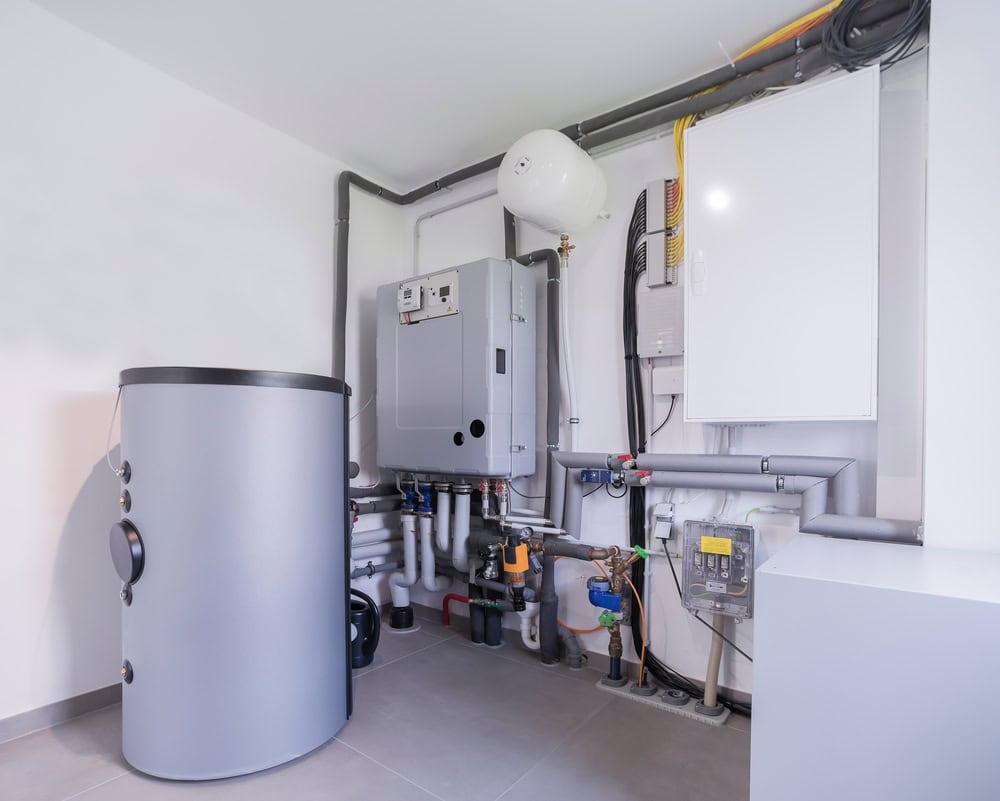
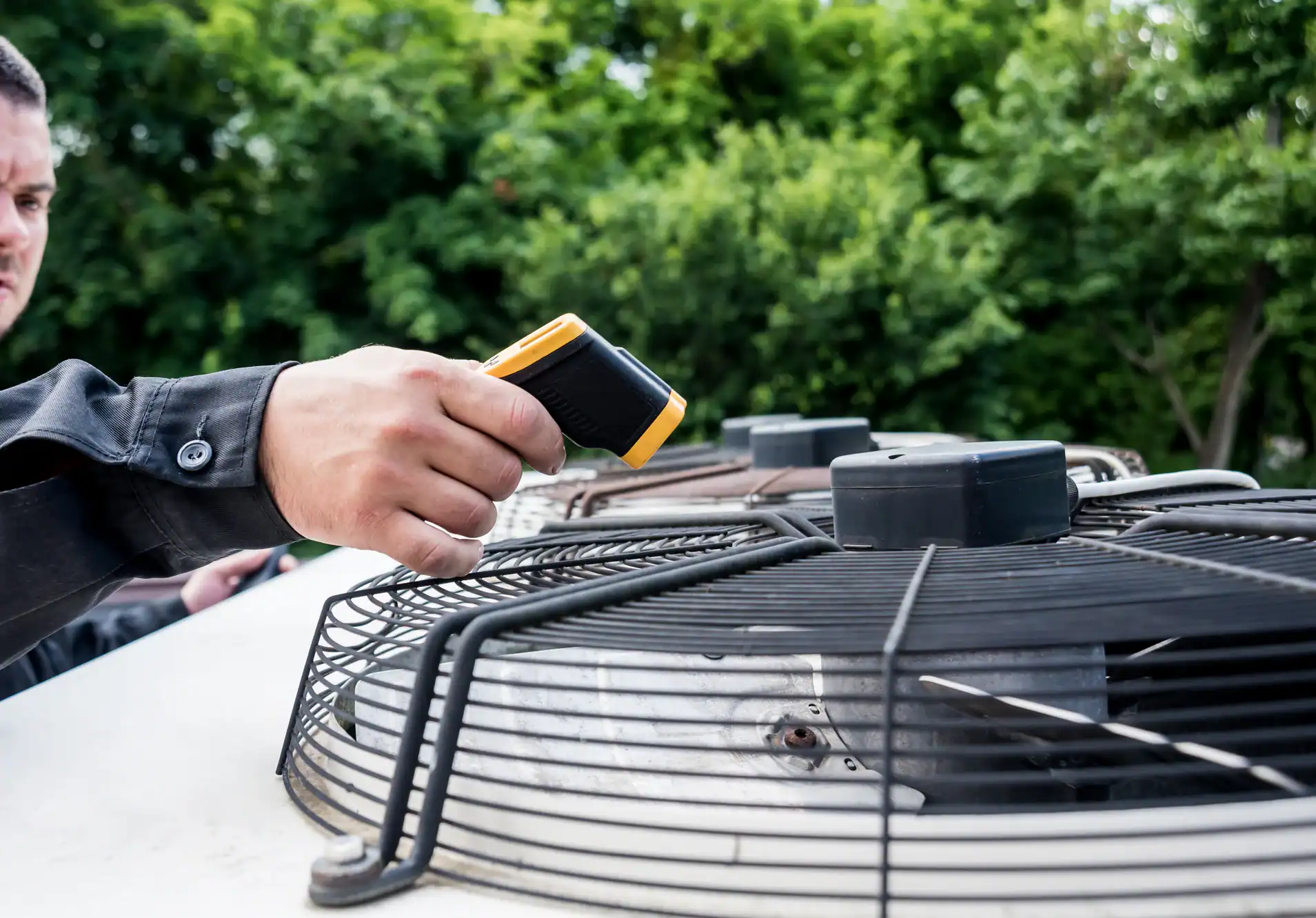
The heat exchanger inspection is the most critical part of the safety check. This is where technicians look for cracks, corrosion, or any sign that combustion gases could be leaking into your home’s air supply. They’ll use a flashlight and mirror to examine the exchanger’s surface, looking for visible damage.
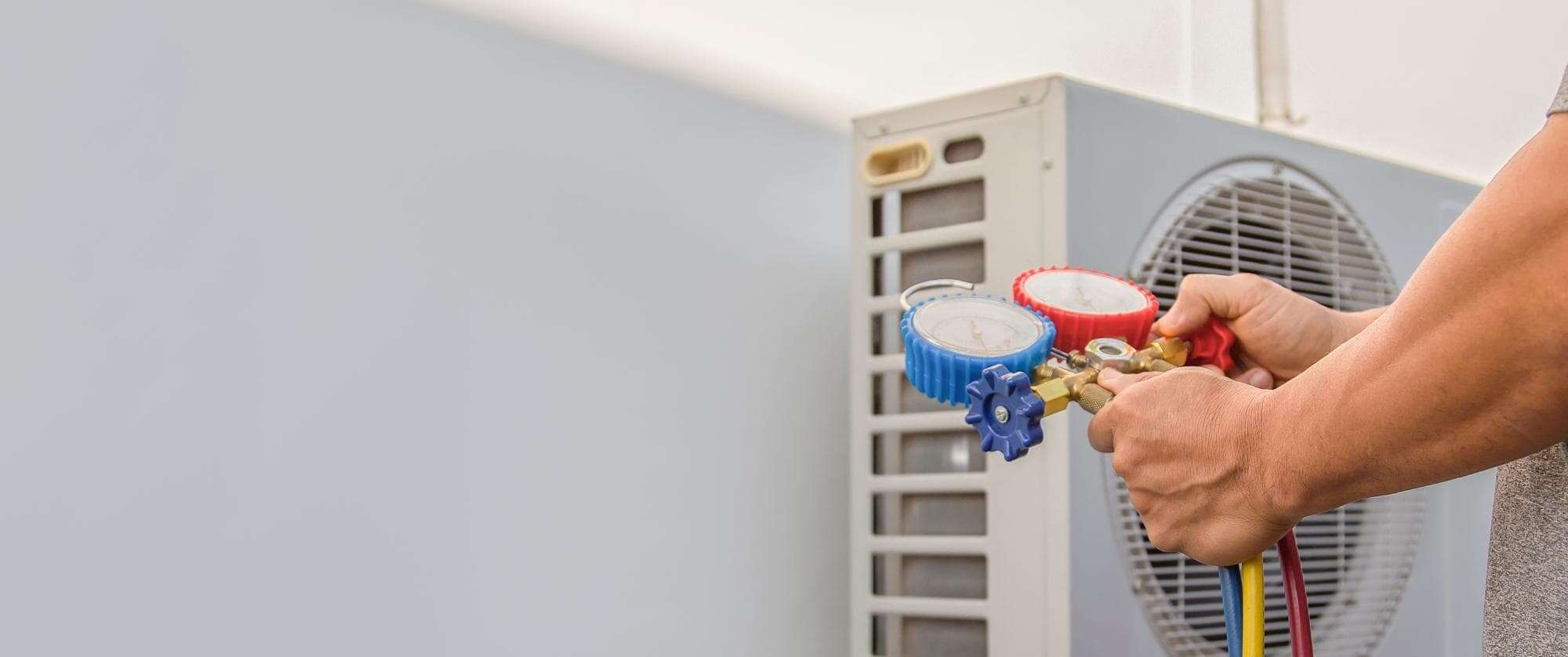
Many technicians also use a combustion analyzer to test the exhaust gases. This tool measures carbon monoxide levels, oxygen content, and combustion efficiency. It tells them whether your furnace is burning fuel cleanly or producing excessive CO.
They’ll also test for carbon monoxide in the air around the furnace and in your living spaces. Even if you have CO detectors installed—and you should—a professional test gives you a baseline and confirms those detectors are working correctly.
If the heat exchanger is cracked, replacement is usually the only safe option. And because heat exchangers are expensive to replace, that often means it makes more financial sense to replace the entire furnace if it’s already 15 years old or more. It’s not what anyone wants to hear, but a cracked heat exchanger isn’t something you can patch or ignore.
Gas line checks are next. Technicians inspect connections, test gas pressure, and use leak detection equipment to make sure gas isn’t escaping anywhere it shouldn’t. Natural gas has an added smell—like rotten eggs—to help you detect leaks, but small leaks might not be obvious until someone tests for them.
The pilot light and ignition system get cleaned and tested. If you have a standing pilot, they’ll check the thermocouple to make sure it’s sensing the flame correctly and shutting off gas flow when the pilot goes out. If you have electronic ignition, they’ll test the igniter and flame sensor.
Proper ventilation is what keeps combustion gases from backing up into your home. Technicians inspect the flue pipe and vent system for blockages, leaks, rust, or improper slope. Birds’ nests, debris, or even heavy snow can block outdoor vents. Corrosion can create holes that let exhaust gases escape before they make it outside.
They’ll also check the draft—the natural flow of air that pulls exhaust up and out. If the draft isn’t strong enough, gases can spill back into the room where your furnace is located. Draft problems often point to ventilation issues or negative air pressure in your home.
Airflow through the furnace itself matters too. Restricted airflow causes the heat exchanger to overheat, which accelerates wear and increases the risk of cracks. Technicians check your air filter, inspect the blower motor and fan, and measure airflow to make sure your system is moving enough air.
Electrical connections get inspected and tightened. Loose wiring can cause intermittent failures or create fire hazards. Safety controls—like the limit switch that shuts down the furnace if it overheats—get tested to confirm they’re working.
All of this takes time. It requires someone who knows what to look for and has the tools to test things you can’t see. That’s why the cheapest service call isn’t always the best value. You’re not just paying for someone to show up. You’re paying for the expertise to spot problems and the honesty to explain what actually needs fixing.
For San Mateo seniors, especially those living alone, this kind of thorough inspection isn’t optional. It’s the difference between catching a small issue early and dealing with a dangerous situation later. Your furnace doesn’t care what time of day it fails. But having it checked before problems escalate means you’re not scrambling to find emergency heating service when it’s 45 degrees outside and your heat won’t turn on.
Not every furnace problem means you need a new system. But not every old furnace is worth repairing either. The decision comes down to age, repair cost, and what’s actually wrong.
If your furnace is under 10 years old and the repair is straightforward—a failed igniter, a bad thermocouple, a worn blower motor—repair usually makes sense. These are normal wear items that can be replaced without major expense. Most heating repair costs in San Mateo range from $150 to $600 for common issues.
If your furnace is 15 years or older and needs a major repair like a heat exchanger or a new gas valve, replacement often makes more financial sense. We’ll walk you through the math. We’ll show you what the repair costs versus what a new system costs, and we’ll be honest about how much life you’re likely to get out of the old unit even after the repair.
San Mateo’s climate is actually ideal for high-efficiency systems and heat pumps. You don’t need the massive heating capacity that homes in colder regions require. That means you can often get excellent performance from moderately sized equipment that costs less to run and maintain. For older homes in downtown San Mateo or the Hillsdale area, working with a company that understands existing ductwork and electrical systems makes the process smoother.
If you’re a senior on a fixed income, don’t let anyone pressure you into a replacement you can’t afford. But also don’t let fear of cost keep you from addressing real safety issues. There are financing options, senior discounts, and sometimes utility rebates that can help. A reputable company will help you explore those options instead of just handing you a bill.
We’ve been serving the Bay Area since 1985, with deep roots in the community and technicians who’ve been with us for years. We understand San Mateo’s older homes, the systems that are common in the area, and what seniors need when it comes to straightforward answers and fair pricing. With a 15% senior discount and transparent pricing before any work begins, we’ve built our reputation on treating customers the way family should be treated.
Summary:
Article details:
Share: