When your AC fails during a San Mateo County heat wave, you need more than promises—you need experienced technicians who show up fast and fix it right the first time.
Your air conditioner just quit. It’s 95 degrees outside, the house is heating up fast, and you’ve got elderly parents visiting or young kids who can’t handle this heat. You’re standing in front of a vent that’s blowing warm air, wondering if this counts as an actual emergency or if you’re overreacting.
Here’s the truth: when your AC fails during a heat wave in San Mateo County, waiting isn’t just uncomfortable—it can be dangerous. But not every AC problem requires a midnight service call, and knowing the difference saves you money and stress. This guide helps you recognize real emergencies, understand what to expect from emergency AC repair, and find help that won’t take advantage of your situation.
Not every broken air conditioner needs emergency attention. If it’s a mild evening and you can open windows comfortably, you can probably wait until morning. But when outdoor temperatures push past 90 degrees and your house is climbing toward that same number, the situation changes.
Emergency AC repair becomes necessary when indoor temperatures exceed 90 degrees and keep rising, especially if you have vulnerable family members at home. Seniors, young children, pregnant women, and anyone with heart or respiratory conditions face real health risks from extreme heat. Heat exhaustion and heat stroke don’t wait for business hours.
The other true emergencies involve safety hazards. If you smell something burning, see smoke, or notice electrical issues like repeatedly tripping breakers, shut down your system immediately and call for help. These aren’t comfort issues—they’re fire risks that need professional attention right away.
Certain warning signs tell you that waiting until morning isn’t an option. Complete system failure during a heat wave tops the list. When your AC won’t respond at all—no sounds, no air movement, nothing—and temperatures are climbing, that’s a clear emergency.
Burning smells or electrical odors mean shut everything down immediately. This often indicates overheating components, melting wiring, or electrical malfunctions that can lead to fires. Turn off the system at both the thermostat and the circuit breaker, then call for emergency service. Don’t try to troubleshoot electrical problems yourself.
Strange mechanical noises also signal urgent problems. Grinding, squealing, or loud banging sounds usually mean internal components are failing or have already broken. If you keep running the system in this state, you’re likely turning a repairable issue into a complete system replacement. The compressor and motor are expensive components—catching their failure early can save thousands.
Refrigerant leaks create another emergency situation. You might smell something chemical, notice ice building up on the outdoor unit, or see that your system runs constantly but produces no cold air. Refrigerant is toxic and requires EPA-certified handling. It’s also expensive to replace, and leaks indicate damage that needs immediate repair to prevent further system failure.
Water leaks or pooling around your indoor unit demand quick action too. This might signal a clogged drain line, frozen coils, or other issues that can cause water damage to your home’s structure, flooring, and belongings. What starts as a small puddle can quickly escalate into mold growth and serious property damage.
Circuit breakers that trip repeatedly when your AC runs indicate electrical problems that pose fire risks. If resetting the breaker once doesn’t solve it, don’t keep trying. Persistent electrical issues need professional diagnosis to prevent dangerous situations.
Short cycling—when your system turns on and off every few minutes—puts immense strain on your compressor and drives up energy costs while providing no cooling. This pattern often precedes complete system failure and should be addressed immediately to prevent more expensive damage.
The time between calling for emergency AC repair and the technician’s arrival matters. What you do during this window can keep your family safer and sometimes even speed up the repair process.
Start with basic safety checks. If you smell gas, get everyone out of the house immediately and call the gas company. Don’t flip light switches or use your phone inside—just leave. If you smell burning or see smoke, shut off the system at the thermostat and the circuit breaker, then call for help.
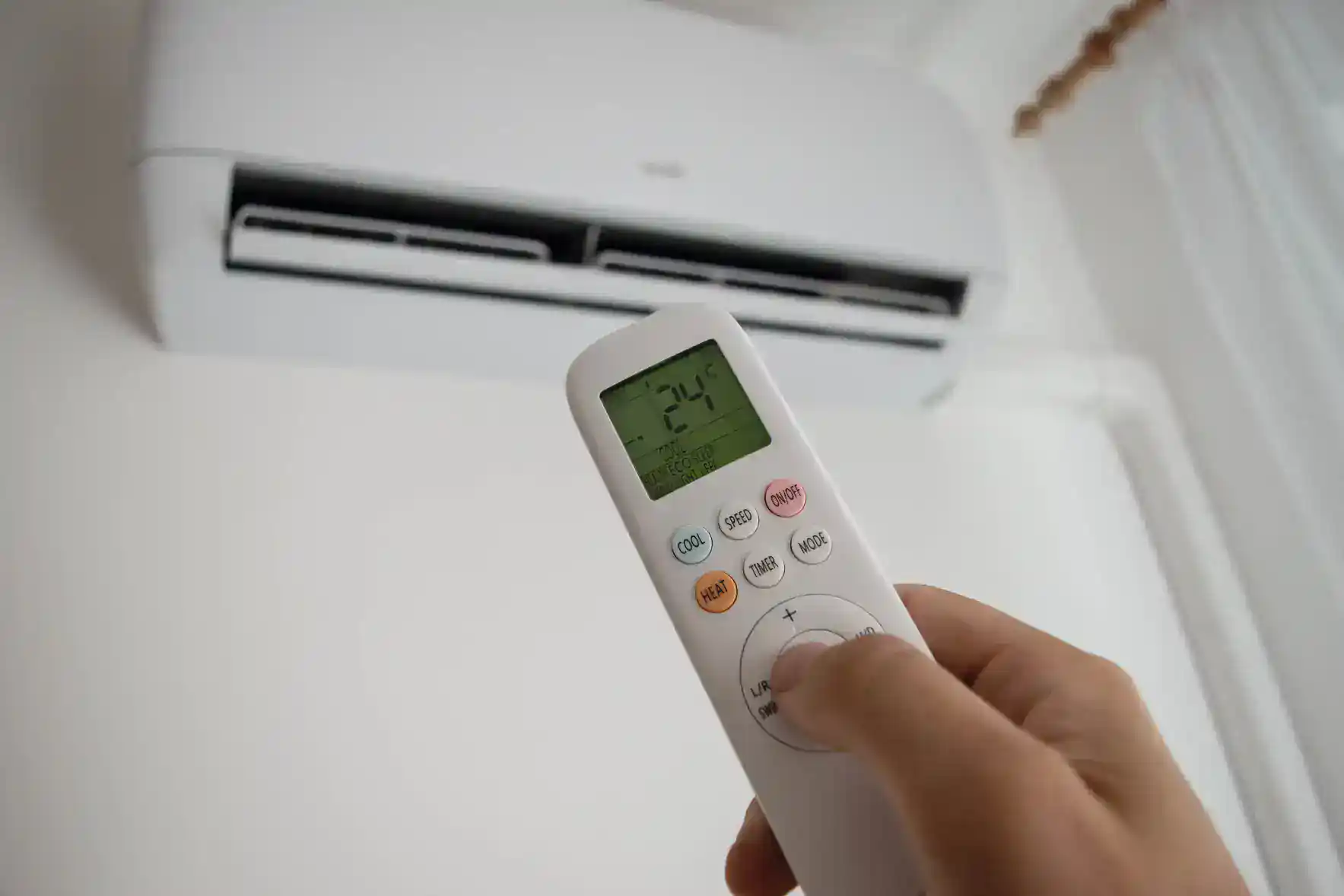
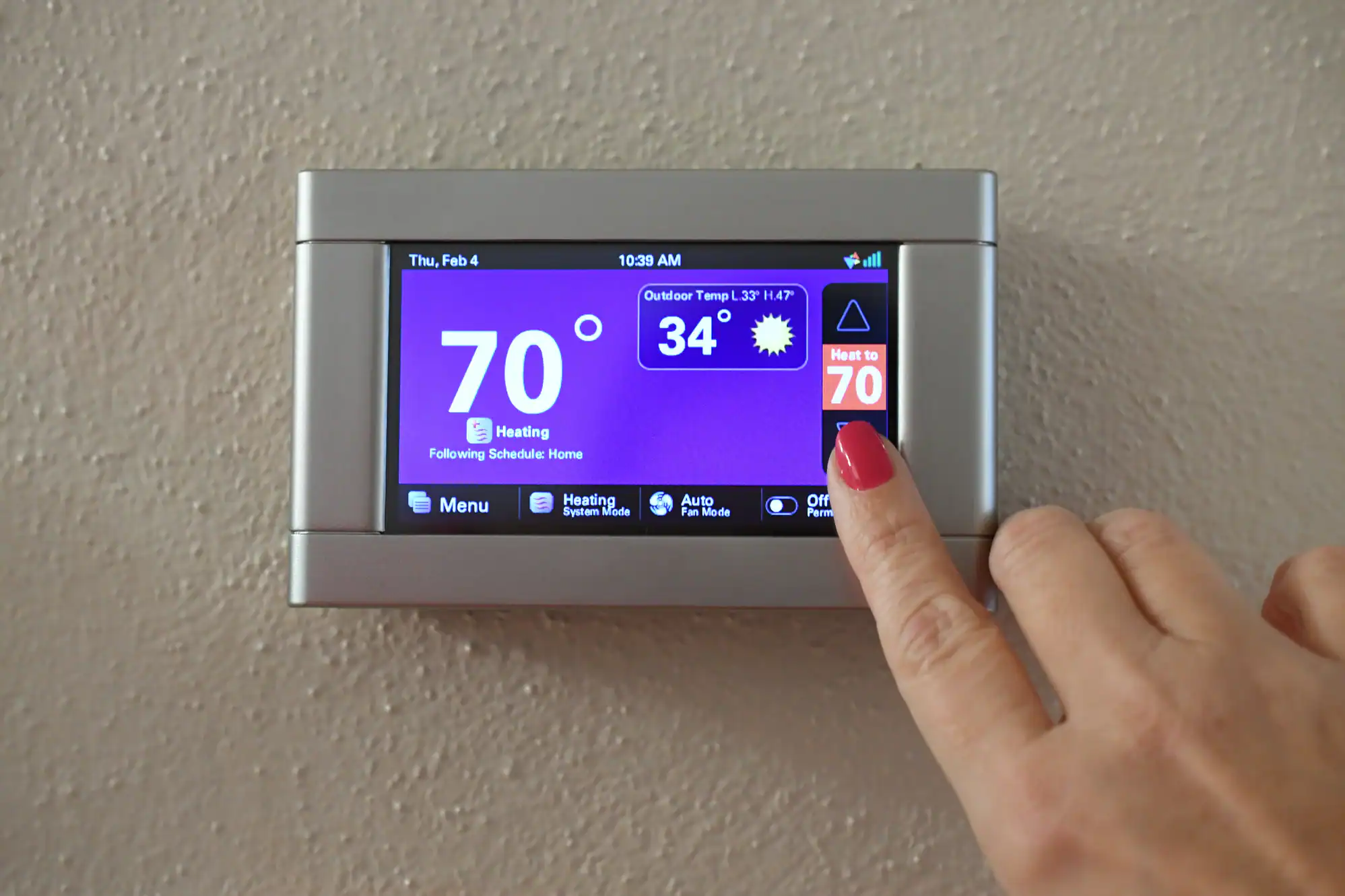
For non-safety emergencies, check your thermostat first. Make sure it’s set to cool, that the temperature setting is lower than the current house temperature, and that the batteries aren’t dead. You’d be surprised how often the “emergency” is actually a thermostat issue that takes two minutes to fix.
Check your circuit breaker next. If it’s tripped, reset it once. If it trips again immediately, don’t keep trying—that’s an electrical problem that needs professional attention. Also check your air filter. A completely clogged filter can restrict airflow enough to make your system stop cooling effectively.
Gather information for the technician. Note what happened and when—did the system just stop, or has it been making noise for days? Write down any unusual sounds, smells, or visible problems. Check the outdoor unit for any obvious issues like debris blocking airflow or ice buildup. This information helps the technician diagnose the problem faster.
While waiting for emergency service, do what you can to keep your family cool. Close blinds and curtains to block sunlight. Use fans to create air circulation. Move everyone to the coolest room in the house, usually the lowest level. Stay hydrated and avoid physical exertion that generates body heat.
If you have elderly family members or young children, monitor them closely for signs of heat-related illness: heavy sweating, weakness, dizziness, nausea, or confusion. These symptoms mean the situation is serious and may require medical attention in addition to AC repair.
Get a Free Quote!
Connect with a Eco Air Cooling and Heating expert for fast, friendly support.
Emergency AC repair costs more than scheduled service, and understanding why helps you make informed decisions when your system fails at an inconvenient time. The average emergency AC repair in 2026 runs between $300 and $1,200, with after-hours surcharges adding $100 to $300 on top of regular repair rates.
Labor costs drive much of this premium. Emergency technicians charge $160 to $250 per hour compared to $75 to $150 during regular business hours. This reflects the reality that skilled technicians sacrifice their evenings, weekends, and holidays to help you—and that availability commands fair compensation.
The specific problem determines the rest of your cost. Simple fixes like replacing a capacitor or cleaning a clogged drain line fall on the lower end. Major repairs involving compressors, coils, or refrigerant leaks push toward the higher range. Parts availability also affects pricing—if your technician needs to source a component after hours or for an older system, expect premium costs.
Knowing what constitutes fair emergency pricing protects you from being taken advantage of when you’re desperate for help. While emergency service costs more than scheduled repairs, there are reasonable ranges that honest companies stay within.
Diagnostic fees typically run $65 to $150 and should be applied toward your repair cost if you proceed with the work. Some companies waive this fee entirely for emergency calls. Be wary of companies that charge diagnostic fees separately and then add additional “trip charges” or “emergency dispatch fees” on top—that’s often a sign of pricing designed to confuse you.
Common emergency repairs have predictable cost ranges. Capacitor replacement usually costs $150 to $400 for the part and labor. Contactor replacement runs $100 to $300. Refrigerant recharge costs $150 to $600 depending on the type and amount needed. Blower motor replacement ranges from $500 to $800 for labor when the part is under warranty, or $700 to $1,500 total without warranty coverage.
Major component failures cost significantly more. Compressor replacement can run $1,500 to $3,000 or higher. Evaporator coil replacement typically costs $1,000 to $2,500 for labor and refrigerant if the part is covered by warranty, or $2,500 to $4,500 total without warranty. Condenser replacement ranges from $1,200 to $4,200 depending on size and efficiency rating.
After-hours surcharges should be clearly stated upfront. Legitimate companies will tell you exactly what the emergency fee is before dispatching a technician. This surcharge typically ranges from $100 to $300 and covers the cost of maintaining 24-hour availability and compensating technicians for working outside normal hours.
Get quotes from at least two companies if possible, even during an emergency. A 10-minute phone call to a second provider can reveal significant price differences. Ask specific questions: What’s your after-hours service fee? What’s your hourly rate? Is the diagnostic fee applied to the repair cost? This direct approach helps you compare apples to apples.
Upfront pricing matters most during emergencies. Companies that provide clear estimates before starting work give you the information you need to make decisions. Be cautious of any provider who won’t give you a price until after they’ve completed the repair—that’s when surprise charges appear.
Emergency HVAC repair isn’t just a summer issue. When your heating system fails during a cold snap, the situation becomes urgent just as quickly. San Mateo County winters are generally mild, but overnight temperatures can drop into the 40s, and older homes lose heat quickly without proper insulation.
Heating emergencies follow similar patterns to AC failures. Complete system failure when outdoor temperatures drop below 50 degrees requires immediate attention, especially if you have elderly family members or young children at home. Prolonged exposure to cold indoor temperatures poses health risks including hypothermia, even at temperatures that don’t seem extreme.
Gas furnace emergencies carry additional safety concerns. If you smell gas near your furnace or throughout your home, evacuate immediately and call the gas company. Don’t attempt to investigate the source or turn anything on or off—just get everyone out safely. Carbon monoxide leaks are another serious heating emergency. If your carbon monoxide detector sounds, leave immediately and call for help.
Strange furnace noises require prompt attention. Banging sounds during startup often indicate delayed ignition, where gas builds up before igniting—a dangerous condition that needs immediate repair. Squealing or grinding noises suggest motor or blower problems that will lead to complete failure if not addressed quickly.
Heating repair service during emergencies follows similar pricing structures to AC repair. After-hours rates apply, and the complexity of the repair determines the final cost. However, heating system repairs can sometimes cost less than AC repairs because they don’t involve refrigerant handling and EPA compliance requirements.
The best protection against heating emergencies is preventative maintenance before winter arrives. Annual furnace inspections catch problems like cracked heat exchangers, failing ignitors, and worn blower motors before they cause midnight breakdowns. For San Mateo County homeowners, scheduling heating system maintenance in October or November prepares your equipment for the cooler months ahead.
When your AC fails during a heat wave, you need more than a company that answers the phone—you need experienced technicians who show up when promised, diagnose problems accurately, and fix them right the first time. That combination of availability, expertise, and integrity makes all the difference during an emergency.
Look for companies with deep local roots and proven track records. Forty years of serving the same community means something. It means we’ve built our reputation one satisfied customer at a time, and we plan to be here long after your emergency is resolved. It means our technicians know San Mateo County homes, understand the unique challenges our coastal climate creates, and have the experience to handle whatever problem your system throws at them.
For San Mateo County homeowners facing AC emergencies or any heating and cooling challenges, we’ve been providing reliable solutions since 1985. Whether you need immediate help or want to schedule preventative maintenance that helps you avoid emergencies altogether, experienced local service makes the difference between a crisis and a quick resolution.
Summary:
Article details:
Share: