Considering a heat pump for your San Mateo, PA home? This guide breaks down the installation process, timeline, costs, and what makes modern heat pumps work in Pennsylvania winters.

When you replace a gas furnace with another gas furnace, you’re swapping one heating system for another. When you install a heat pump, you’re replacing both your furnace and your air conditioner with a single system.
That’s the fundamental difference. A heat pump doesn’t burn fuel to create heat. It transfers heat from one place to another. In winter, it extracts warmth from outdoor air and moves it inside. In summer, it reverses direction and removes heat from your home.
For families in San Mateo, PA, this dual functionality means one less system to maintain, one less emergency repair call at 2 AM, and one streamlined approach to year-round comfort. The installation reflects that all-in-one design.
A complete heat pump system installation typically takes one to two days. That assumes your home already has ductwork and your electrical panel can support the new system without major upgrades.
Day one involves removing your existing gas furnace and outdoor AC unit if you have one. We position the new outdoor unit, connect it to your ductwork system, and begin running refrigerant lines between the indoor and outdoor components. If your ducts need sealing or adjustments, that happens now—before the new system goes live.
Day two covers electrical connections, final refrigerant line installation, thermostat setup, and comprehensive system testing. We run multiple heating and cooling cycles, check airflow at every register, and verify that everything communicates correctly. You’ll get a walkthrough of your new controls before we leave.
Some homes need electrical panel upgrades to handle a heat pump’s power requirements. If that applies to your situation, add another day and roughly $5,000 to your timeline and budget. It’s not always necessary, but we assess your electrical capacity during the initial consultation.
Most San Mateo, PA homes built in recent decades already have compatible electrical systems. If your ductwork is reasonably intact, the installation moves smoothly. You’re not gutting walls or replumbing your entire house. You’re upgrading to a more efficient version of what’s already there.
Here’s what catches people off guard: how quiet modern heat pumps run once installed. During installation, yes, there’s noise. But compared to your old furnace’s constant cycling on and off, the new system operates at a fraction of the volume.
If you currently heat with a forced-air furnace, you already have the ductwork a heat pump needs. The real question isn’t compatibility—it’s condition.
Heat pumps circulate air differently than gas furnaces. They run longer cycles at lower fan speeds, which exposes any weaknesses in your duct system. A gas furnace might compensate for leaky ducts by blasting hot air through them. A heat pump requires better airflow to maintain the consistent comfort it’s designed to deliver.
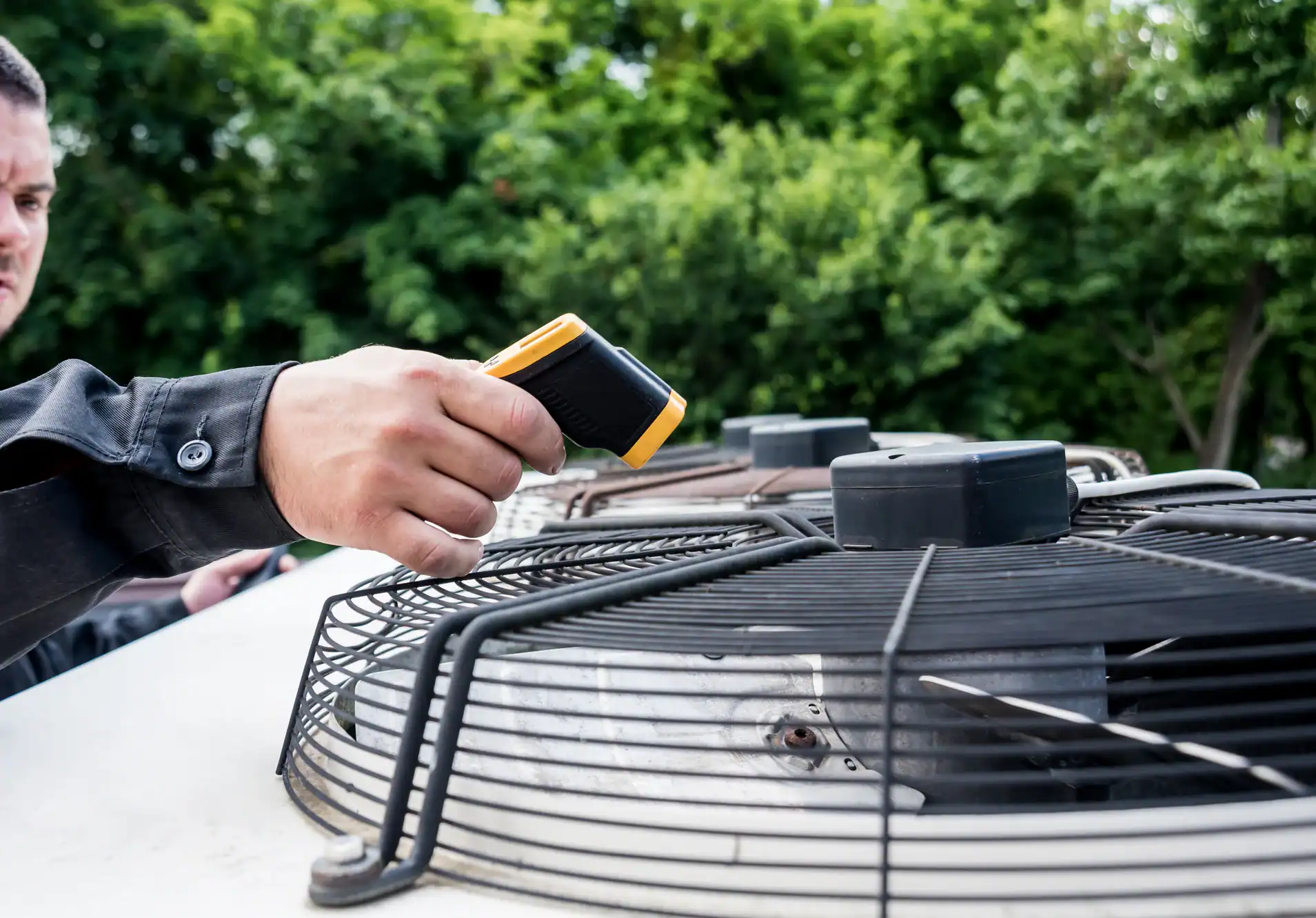
During your initial assessment, we inspect your ductwork for disconnected sections, visible damage, or areas where conditioned air escapes into unconditioned spaces like attics or crawl spaces. Sealing those leaks doesn’t just improve performance—it can boost system efficiency by up to 30 percent.
Some older homes have undersized ductwork that barely handled the original furnace. If that describes your situation, you might need modifications: additional return vents, resized duct runs, or dampers to balance airflow throughout your home.
Ductwork concerns shouldn’t derail your plans. Most homes need minor adjustments at most. Even if you do need duct modifications, they happen during the same installation window. The work gets done, and you move forward.
The alternative—a ductless heat pump install—eliminates ductwork entirely. Ductless mini-split systems mount on your walls and connect to an outdoor unit through a small refrigerant line. They’re ideal for homes without existing ducts or for adding climate control to specific rooms. But if you already have functional ductwork, a traditional ducted heat pump usually delivers better whole-home comfort.
Think of your ductwork like the plumbing in your house. It doesn’t need to be perfect. It needs to be functional. We identify what requires attention and what works fine as-is.
Get a Free Quote!
Connect with a Eco Air Cooling and Heating expert for fast, friendly support.
Installation day begins when we arrive with your new equipment. We’ll protect your floors, establish a clear path from your furnace location to where the outdoor unit will sit, and review the day’s plan with you.
First, we disconnect and remove your old gas furnace and outdoor AC condenser if present. That equipment gets hauled away—not left in your garage for you to deal with later. Next comes outdoor heat pump unit placement: setting the unit on a concrete pad or mounting brackets, drilling a small penetration through your exterior wall for refrigerant lines, and running electrical wiring.
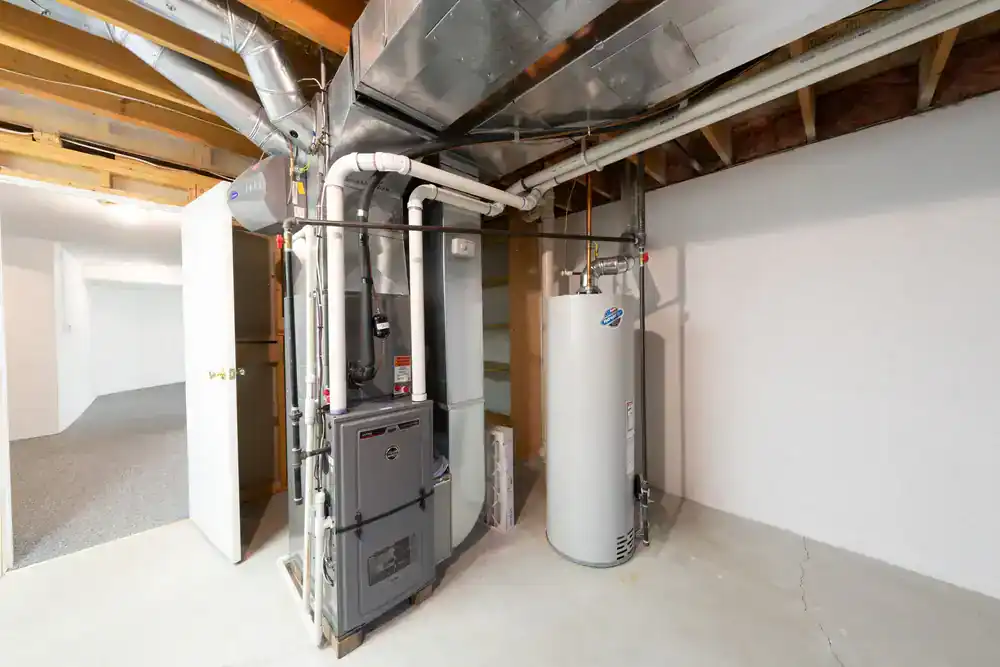
Inside your home, the new air handler replaces your old furnace. This indoor component connects to your existing ductwork and circulates heated or cooled air throughout your house. We connect refrigerant lines, seal all ductwork connections, and wire the system to your new thermostat.
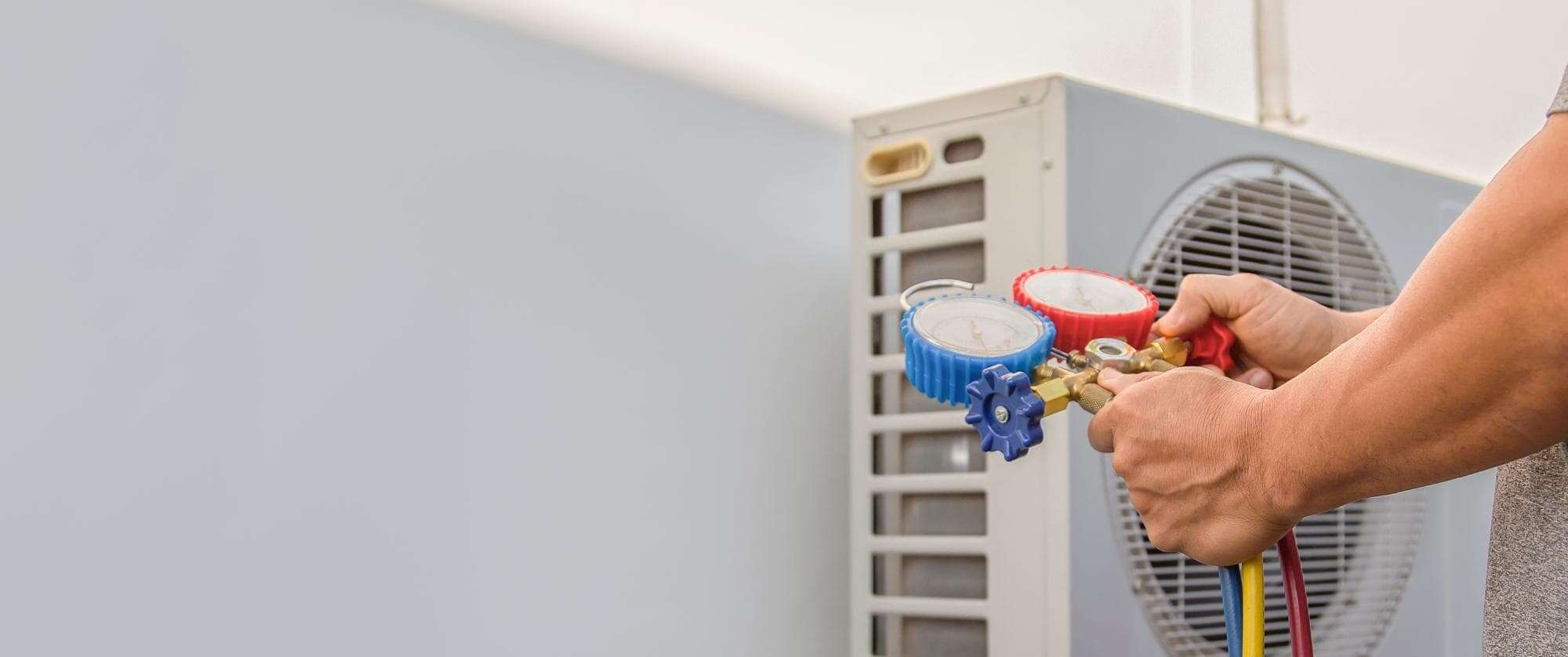
The final phase is thorough testing. We run the heat pump through multiple heating and cooling cycles, check refrigerant charge levels, measure airflow at each register, and confirm proper thermostat communication. This isn’t a quick power-on test. It’s detailed commissioning that ensures everything performs correctly before we leave.
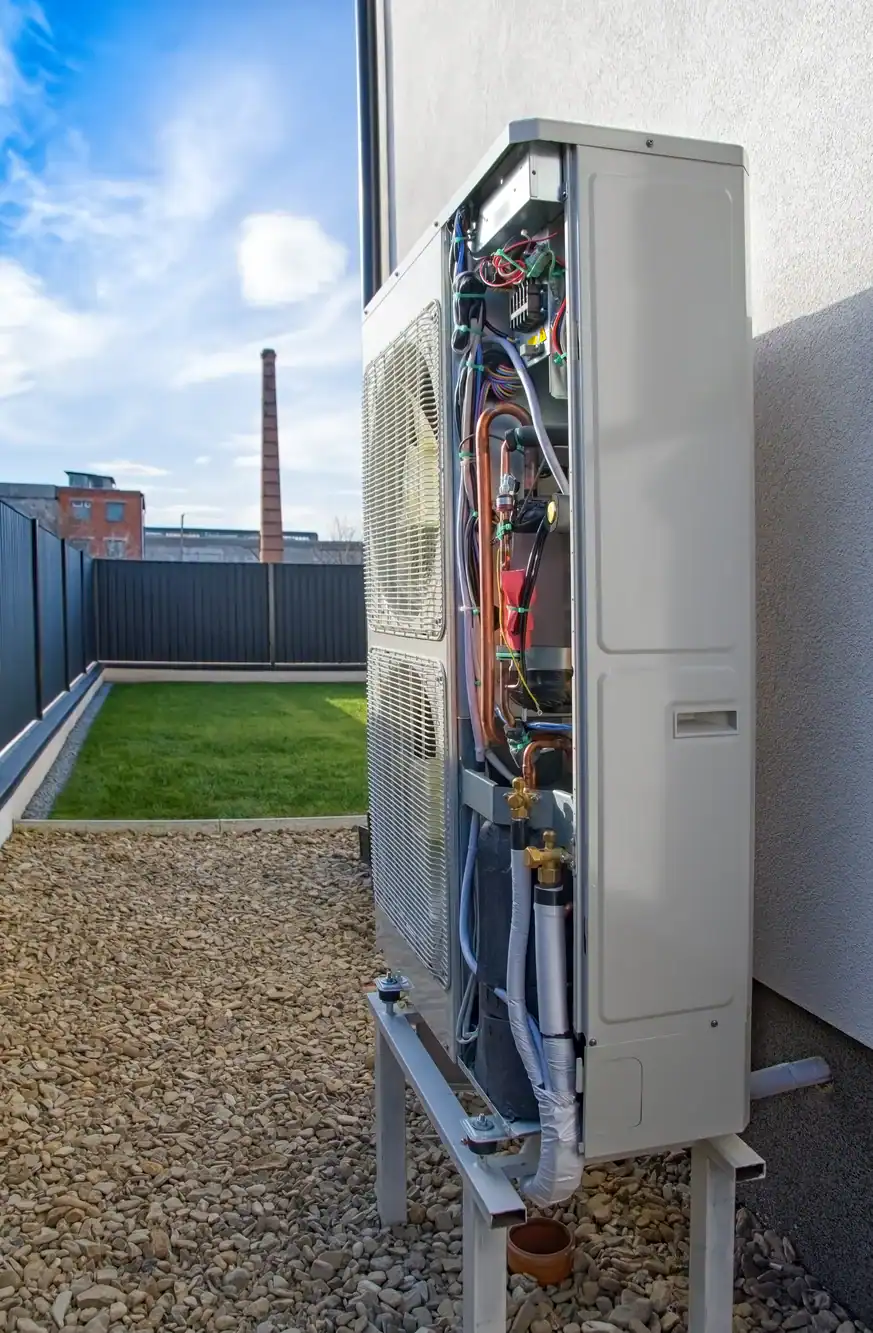
Heat pump system installation in Pennsylvania typically ranges from $12,000 to $22,000 for a complete ducted system. That’s more than replacing just a gas furnace, but you’re also replacing your air conditioner simultaneously.
Several factors determine where your project lands in that range. Home size matters most—a 1,500-square-foot home requires less capacity than a 3,000-square-foot home, which means a smaller, less expensive system. The specific heat pump model affects cost too, with higher-efficiency units carrying premium prices but delivering superior long-term energy savings.
Ductwork condition influences total investment. If your ducts need significant sealing or modifications, that adds to installation costs. Electrical panel upgrades can tack on another $5,000 if your current panel can’t support the heat pump’s electrical load.
Here’s the perspective many San Mateo, PA homeowners miss: heat pump replacement gives you both heating and cooling for roughly what you’d spend replacing a high-efficiency furnace and air conditioner separately. Frame it that way, and the investment makes more financial sense.
Pennsylvania’s Act 129 program offers utility rebates that can offset installation costs. If you’re a PECO customer, you might qualify for up to $300 in base rebates, plus additional Energy Assessment Program bonuses. PPL, FirstEnergy (Met-Ed, Penelec, Penn Power), and Duquesne Light customers have similar rebate programs available through May 2026. The federal tax credit that offered up to $2,000 expired December 31, 2025, so utility rebates are now your primary incentive.
The other number to watch is your monthly energy bill. Heat pumps can slash heating and cooling costs by 30 to 60 percent compared to older systems. For a family spending $200 monthly on energy, that’s $60 to $120 in savings each month. Over a 15-year system lifespan, those savings total $10,800 to $21,600—covering a substantial portion of your installation investment.
Nobody enjoys spending money on home systems. But when that spending cuts your monthly bills while improving comfort, it transforms from an expense into an investment that pays you back.
This question stops more homeowners than any other: will a heat pump actually keep your family warm when Pennsylvania temperatures drop?
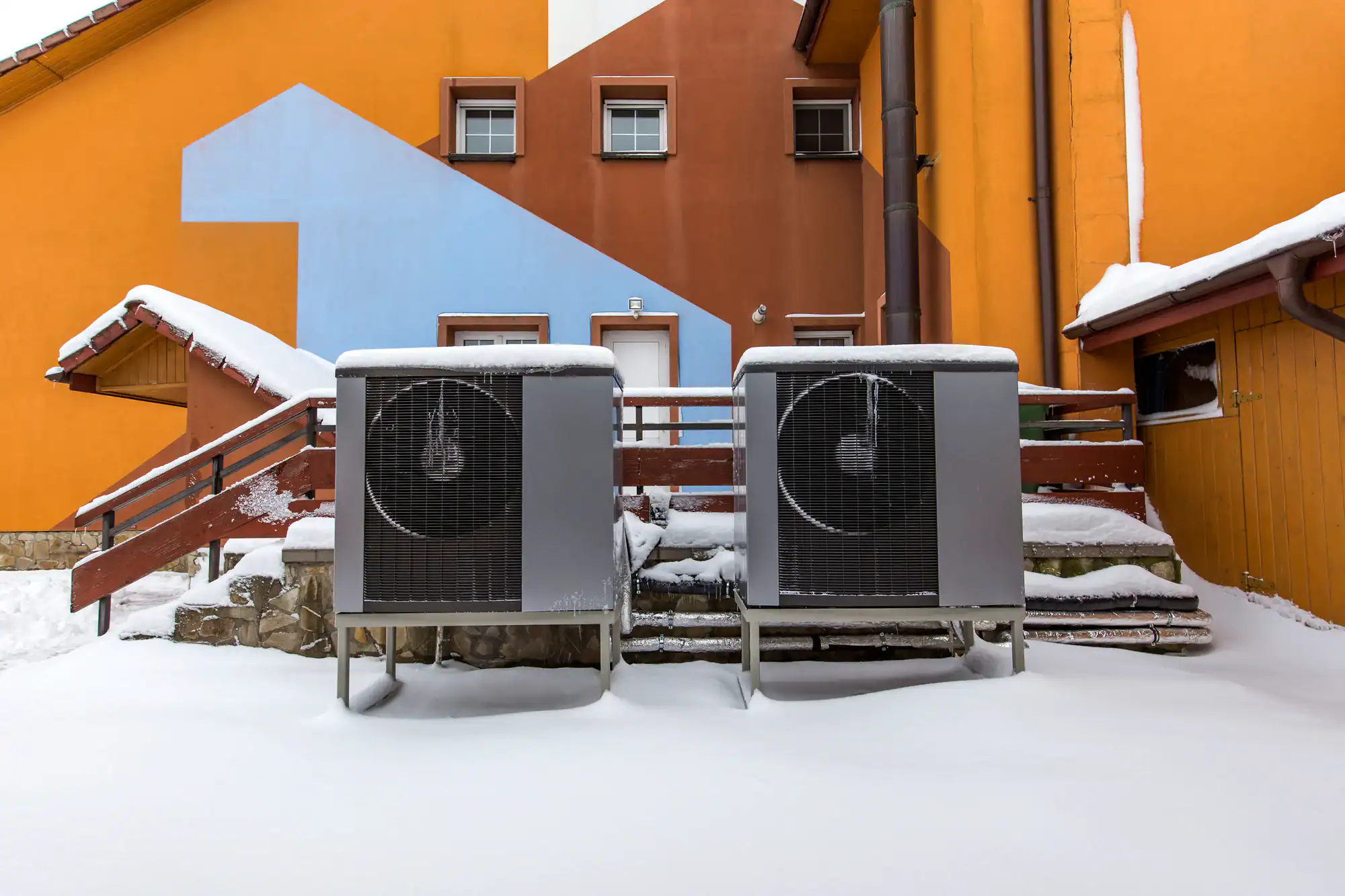
Modern cold-climate heat pumps have rewritten the rules. Today’s systems extract heat from outdoor air even when temperatures hit zero degrees Fahrenheit—cold enough to handle virtually any winter day in San Mateo, PA.
The technology works differently than your gas furnace, which explains the hesitation. A gas furnace burns fuel to generate heat, then blasts that hot air through your vents in short bursts. Supply air might reach 130 to 140 degrees. It feels hot, and your house warms quickly.
A heat pump delivers air between 85 and 100 degrees but runs for longer periods. Instead of short blasts of hot air, you get steady, continuous circulation. Same warm home. Different delivery method.
Many homeowners actually prefer the heat pump approach once they experience it. No temperature swings. No cold spots between heating cycles. No noisy furnace cycling on and off throughout the day. Just consistent, even warmth maintaining your set temperature without dramatic fluctuations.
For the rare days when temperatures drop below your heat pump’s efficient operating range, most systems include backup electric resistance heat. Think of it like four-wheel drive—you rarely need it, but it’s there when conditions demand it. Your system automatically engages backup heat when necessary, then returns to normal operation when temperatures moderate.
If cold weather performance concerns you deeply, a dual-fuel system offers maximum flexibility. This setup pairs a heat pump with your existing gas furnace. The heat pump handles the majority of your heating needs. The gas furnace activates only on the coldest days. Higher upfront cost, but you maximize efficiency while ensuring worry-free warmth.
The bottom line: a properly sized and installed heat pump will keep your San Mateo, PA home comfortable all winter. We’ve been installing these systems locally for four decades, and cold weather performance is rarely an issue when installation is done correctly.
Switching from gas to a heat pump system is more straightforward than most homeowners expect. One-to-two-day installation. Costs that return to you through lower energy bills. A single system heating and cooling your home more efficiently than separate furnace and AC units ever could.
Success depends on partnering with a heating and cooling contractor who understands the process, properly assesses your home’s specific requirements, and gets the installation right the first time. Ductwork inspection, accurate system sizing, and thorough commissioning aren’t optional extras—they’re what separates excellent performance from disappointment.
We’ve guided San Mateo families through this exact transition for 40 years. Our long-term technicians bring deep experience to every installation, and our commitment to quality shows in the 15 percent discount we offer to seniors and military members. When you’re ready to explore what a heat pump replacement would look like for your home, that conversation starts with understanding your situation, addressing your concerns, and mapping out the right solution for your family.
Summary:
Article details:
Share: