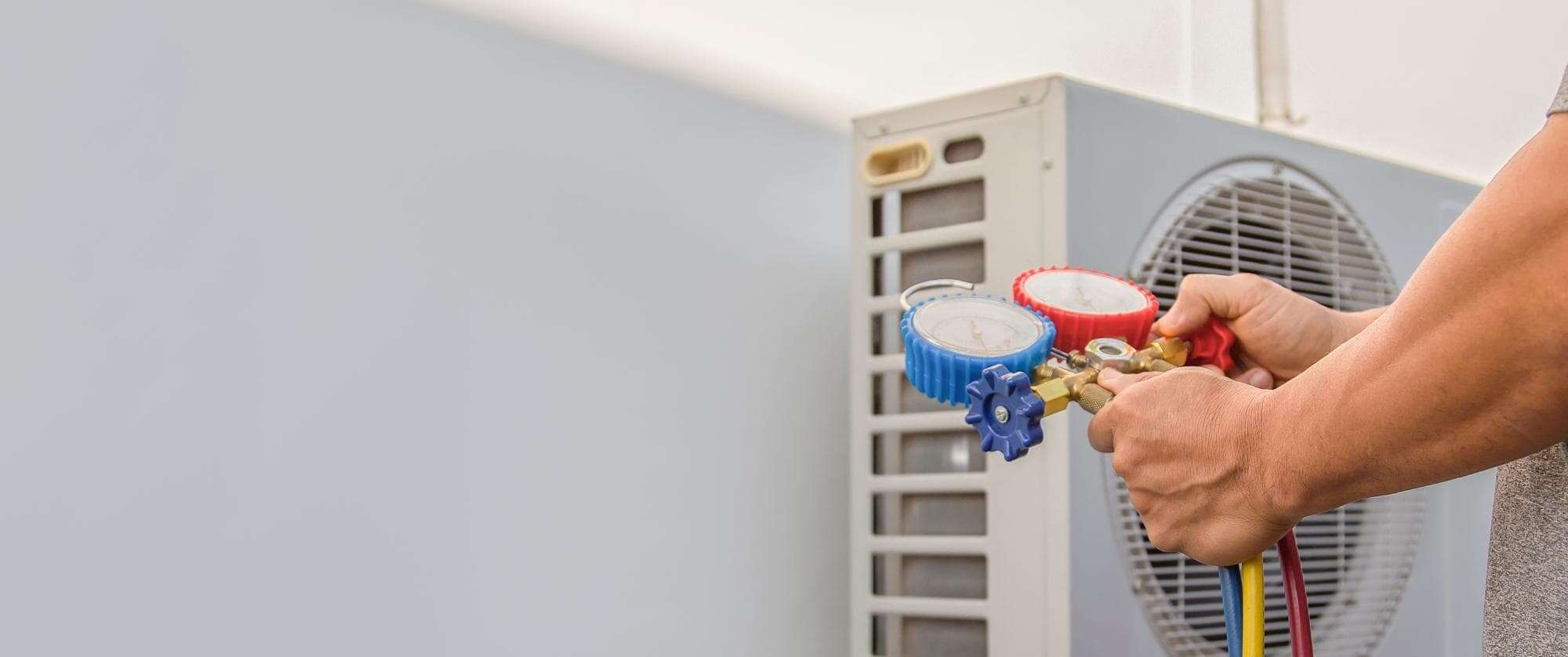
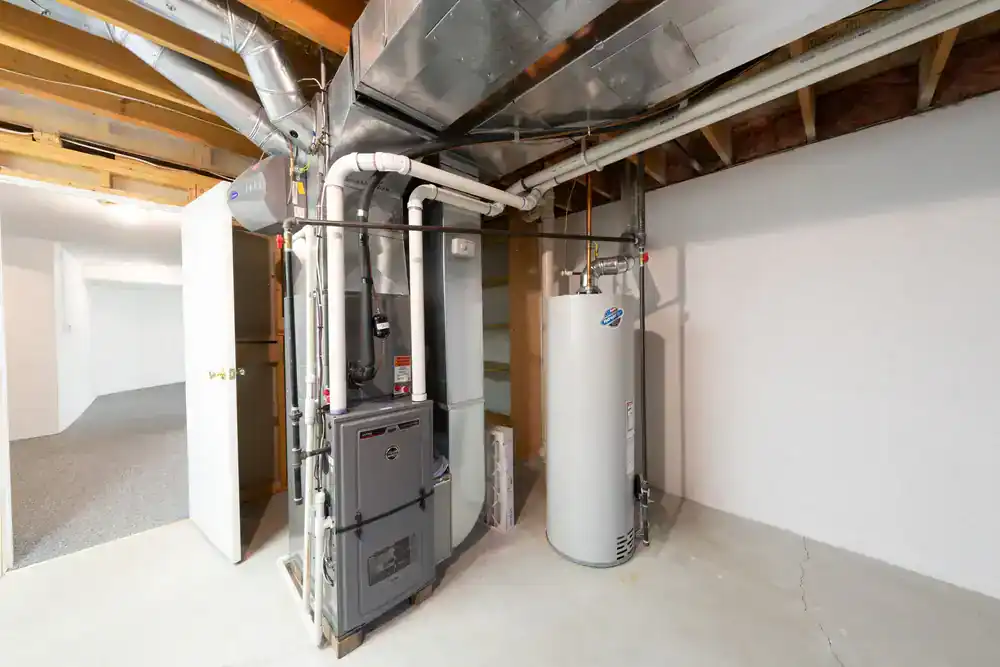
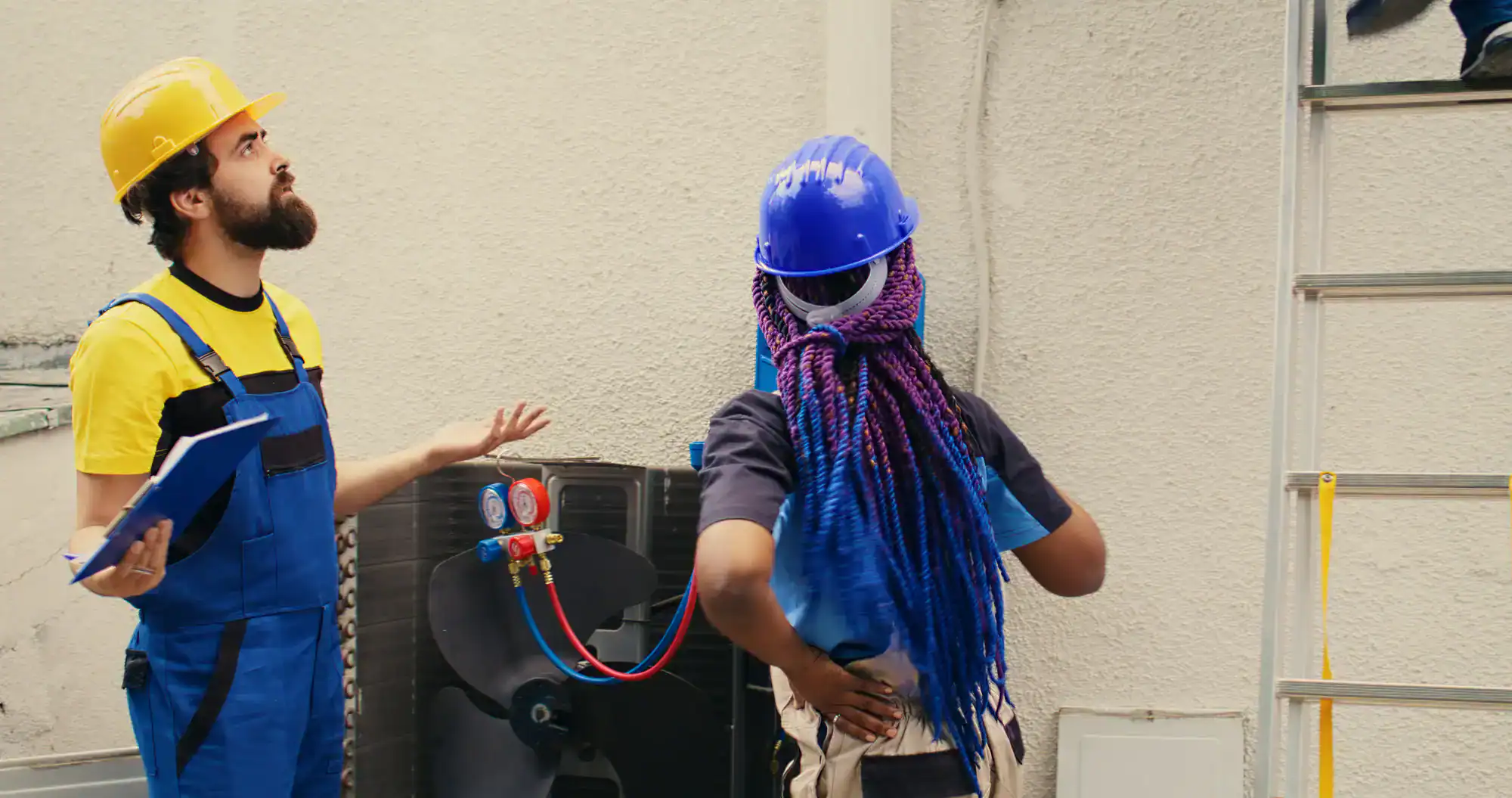
Your furnace works hard when temperatures drop. A fall tune-up catches small issues before they become expensive problems, keeping your home warm all winter.

A proper heating tune-up isn’t just changing a filter and calling it done. Your technician runs through a detailed checklist that covers safety, efficiency, and reliability. We’re looking for the issues that cause breakdowns and the inefficiencies that drive up your heating bill.
The inspection starts with your thermostat. Settings get verified, calibration gets checked, and batteries get replaced if needed. Then your tech moves to the furnace itself—testing safety controls, inspecting the heat exchanger for cracks, and checking gas connections for leaks. Every component gets attention because each one affects how your system runs.
Filter replacement happens next, along with blower cleaning. Dust buildup forces your furnace to work harder, wasting energy and shortening its lifespan. Clean components move air efficiently, keeping your home comfortable without overworking the system.
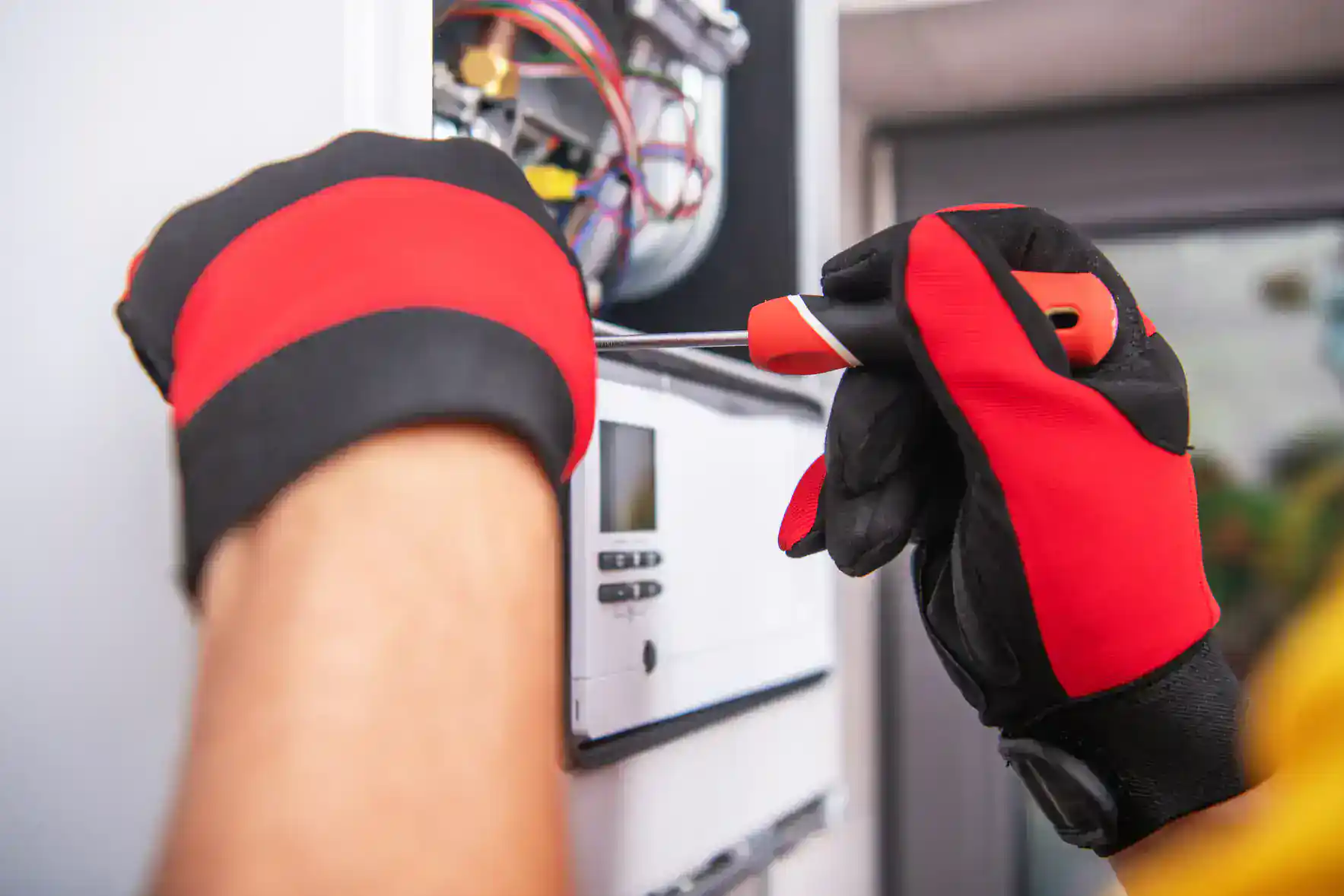
The inspection checklist separates thorough service from a quick look-around. When we perform furnace service in San Mateo, PA, our multi-point inspection covers every system that affects performance and safety.
Your burners get removed and cleaned. Soot and condensation build up over time, reducing efficiency and potentially aging your furnace prematurely. The flame sensor gets cleaned too—when it can’t detect the pilot light properly, your system shuts down repeatedly, cycling on and off every few minutes.
The heat exchanger inspection matters most for safety. Cracks in the heat exchanger can leak carbon monoxide into your home. Your technician checks for corrosion, weak spots, and any signs of damage that compromise safety. This single check justifies the service call.
Electrical connections get tightened, moving parts get lubricated, and the venting system gets inspected for blockages. Gas furnaces need proper ventilation to operate safely. Blocked vents trap dangerous gases inside your home instead of venting them outside where they belong.
The blower assembly gets cleaned thoroughly. Your blower moves heated air through your ductwork into every room. When it’s caked with dust and pet dander, airflow drops, comfort suffers, and your furnace runs longer to heat your home. Clean blower components restore proper airflow and reduce energy waste.
Temperature rise testing confirms your furnace produces the right amount of heat. Your tech measures the temperature difference between return air and supply air, making sure it falls within manufacturer specifications. Numbers outside the normal range signal problems that need attention before they cause a breakdown.
Carbon monoxide testing protects your family. We use specialized equipment to detect CO levels around your furnace and in your flue gases. Any reading above safe levels requires immediate attention. This isn’t optional—it’s life-saving.
September and October represent the sweet spot for seasonal HVAC maintenance. Schedule too early and you’re paying for service months before you need heat. Wait until November and you’re competing with everyone else who just felt that first cold snap.
Fall scheduling gives you first access to appointment times. HVAC contractors fill their calendars fast once temperatures drop. Call in September and you pick your preferred day and time. Call in December and you might wait a week or more, hoping your furnace holds out.
Early service catches problems while they’re still small. That loose electrical connection your technician tightens in October? In January, it fails completely, shutting down your system on the coldest night of the year. The dirty flame sensor cleaned during your tune-up? Without service, it causes repeated shutdowns that leave you frustrated and cold.
Your furnace hasn’t run all summer. Dust settled on components, connections loosened from vibration, and small issues developed that won’t show up until the system fires up. A fall inspection finds these problems during a controlled service call, not during an emergency when you need heat immediately.
Preventative maintenance also satisfies warranty requirements. Most furnace manufacturers require annual professional service to keep warranties valid. Skip the tune-up and you might void your coverage, leaving you paying out-of-pocket for repairs that should be covered.
The timing also affects technician availability for actual problems. When your fall inspection reveals a part that needs replacement, you’re not competing with emergency calls. Your tech can order the part and schedule the repair without rushing. Try that in January when every heating repair service in San Mateo is slammed with emergency calls.
Energy efficiency improves immediately after service. Your first heating bill of the season reflects the work your technician performed. Clean components, proper airflow, and optimized settings reduce how hard your furnace works to heat your home. That efficiency gain compounds over the entire heating season.
Get a Free Quote!
Connect with a Eco Air Cooling and Heating expert for fast, friendly support.
A fall furnace service typically costs between seventy-five and two hundred dollars. That covers the inspection, cleaning, testing, and minor adjustments that keep your system running properly. Compare that to emergency repair costs when your furnace fails mid-winter.
Emergency heating repair averages three hundred to six hundred dollars for common failures, and that’s if parts are available. Complex repairs run higher—heat exchanger replacement costs over a thousand dollars, and blower motor replacement runs four to six hundred. These failures rarely happen to well-maintained systems.
Energy savings add up over the season. A furnace running at reduced efficiency wastes fifteen to thirty percent of the fuel you’re paying for. On a hundred-dollar monthly heating bill, that’s fifteen to thirty dollars wasted every month. Over a five-month heating season, you’re throwing away money that could stay in your account.
Furnaces last fifteen to twenty years with proper maintenance. Skip the annual service and that lifespan drops to ten to fifteen years. The difference comes down to wear and tear on components that work harder when they’re dirty or misaligned.
Your blower motor runs smoother when it’s clean and lubricated. Without maintenance, it works against friction and resistance, wearing out bearings and overheating. Eventually it fails, requiring expensive replacement. Regular service prevents that premature failure.
Heat exchangers crack from thermal stress—repeated heating and cooling cycles that expand and contract the metal. Proper maintenance keeps combustion efficient, reducing thermal stress and extending heat exchanger life. This matters because heat exchanger replacement often costs more than furnace installation of a new unit.
Dirty burners create incomplete combustion, producing soot that coats internal components. That soot acts like insulation, trapping heat where it doesn’t belong and causing overheating. Clean burners prevent this buildup, protecting your furnace from heat-related damage.
System efficiency degrades gradually without maintenance. You might not notice the difference month to month, but compare year one performance to year five without service and the decline becomes obvious. Annual tune-ups maintain peak efficiency throughout your furnace’s lifespan, keeping your heating bills predictable.
We offer discounts that make preventative maintenance more affordable. Our fifteen percent senior and military discount removes the financial barrier that keeps some homeowners from scheduling regular maintenance. When you’re saving on service costs, the decision becomes easier.
Warranty compliance protects your investment too. Most furnace manufacturers require proof of annual professional maintenance to honor warranty claims. Without service records, you’re paying out-of-pocket for repairs that should be covered. An annual tune-up protects thousands of dollars in potential warranty coverage.
Some problems can’t wait until fall. Certain warning signs indicate your furnace needs attention now, before small issues become dangerous failures or complete breakdowns.
Strange noises top the list. Banging might indicate delayed ignition—gas building up before igniting in a small explosion. Squealing often points to a worn blower motor belt that’s about to snap. Rattling suggests loose components that could damage other parts. None of these noises are normal, and all require professional diagnosis.
Uneven heating throughout your home signals airflow problems or ductwork issues. If your living room stays comfortable while bedrooms remain cold, your system isn’t distributing heat properly. This forces your furnace to run longer, wasting energy and increasing wear on components.
Yellow or flickering pilot flames indicate incomplete combustion. A healthy pilot flame burns blue. Yellow flames suggest your burners need cleaning or your furnace isn’t getting proper airflow. This creates carbon monoxide risk and requires immediate attention from a qualified HVAC contractor.
Frequent cycling—your furnace turning on and off repeatedly—indicates problems with sensors, thermostats, or airflow. Short cycling increases wear on components and reduces efficiency. Your system works harder and heats less effectively, driving up your energy bills while reducing comfort.
Higher heating bills without explanation point to efficiency loss. If your usage hasn’t changed but your bills increased fifteen to twenty percent, your furnace is working harder than it should. This happens gradually as components get dirty, connections loosen, and efficiency degrades. A tune-up restores performance and lowers your bills back to normal levels.
Dust accumulation around vents or registers suggests your filter is clogged or your ductwork has leaks. Your system is pulling unfiltered air from spaces it shouldn’t, reducing indoor air quality and forcing your furnace to work harder. This accelerates wear and increases the likelihood of breakdown.
Age matters too. Furnaces older than fifteen years need more attention than newer systems. Components wear out, efficiency drops, and the risk of failure increases. If your furnace is approaching twenty years old, every strange sound or performance issue deserves immediate attention. At that age, you’re deciding between repair and replacement, and catching problems early gives you time to plan instead of scrambling during an emergency.
Fall furnace service prevents the problems that leave families cold when temperatures drop. That multi-point inspection catches worn parts, safety hazards, and efficiency losses before they cause breakdowns. The investment protects you from expensive emergency repairs and keeps your heating bills predictable all winter.
Schedule your tune-up in September or October, before HVAC contractors fill their calendars with emergency calls. Early service gives you first choice of appointment times and ensures your furnace is ready when that first cold snap arrives. The inspection, cleaning, and testing take one to two hours and deliver months of reliable comfort.
For San Mateo, PA homeowners looking for experienced, trustworthy heating service, we’ve served the community since 1985. Our technicians know local homes, carry common parts on their trucks, and offer a fifteen percent discount for seniors and military members. Reach out to schedule your fall furnace inspection and protect your family’s comfort all winter long.
Summary:
Article details:
Share: