Long-term HVAC maintenance contracts offer priority service, lower costs, and peace of mind that one-time repairs can't match—especially during summer and winter when you need help most.
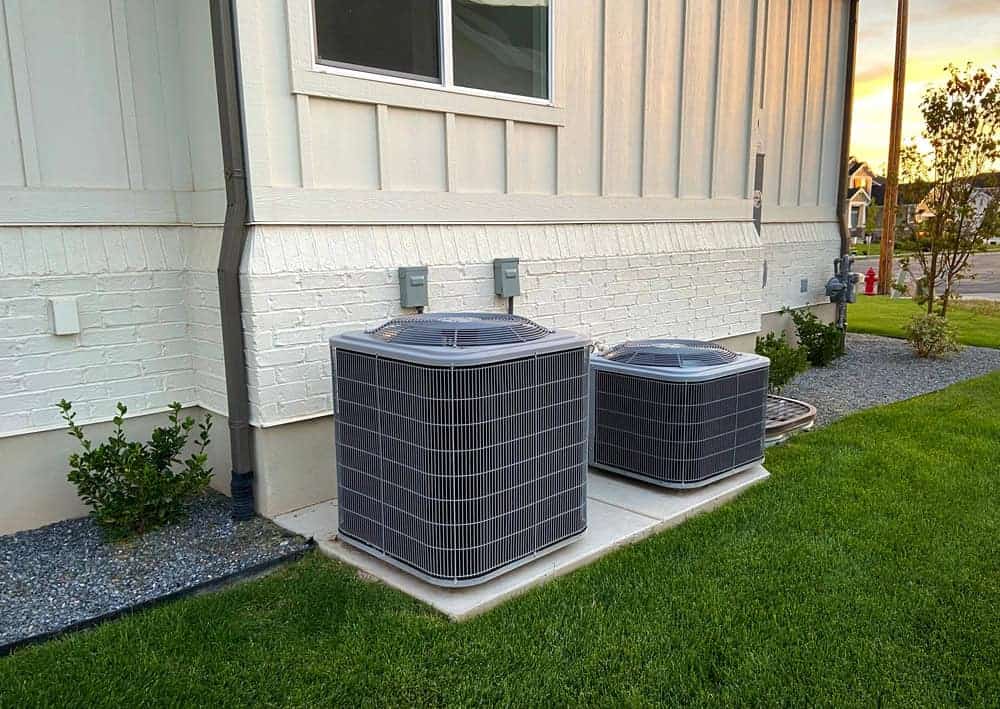
An HVAC maintenance contract is a service agreement between you and a local HVAC company. You pay an annual or monthly fee, and in return, you get scheduled maintenance visits, priority service when something goes wrong, and often discounts on repairs.
Most HVAC service plans include two visits per year—one before summer to prep your air conditioning, and one before winter to check your furnace. During these visits, our technicians clean components, check refrigerant levels, inspect electrical connections, and catch small issues before they turn into expensive problems.
The real value shows up when everyone else is scrambling. When temperatures spike or plummet, HVAC contractors get flooded with calls. Contract members skip the waitlist.
Summer and winter are brutal for homeowners without service agreements. Service calls during peak season can cost 20-40% more than normal rates, with diagnostic fees jumping from the usual $75-$200 range to $300 or higher. Emergency service rates during off-hours or holidays can double or even triple, sometimes hitting $140-$400 per hour.
But cost isn’t the only issue. Wait times stretch for days when demand surges. One-man operations and smaller companies simply can’t keep up when hundreds of systems fail during the same heatwave or cold snap. You’re stuck waiting while your system stays broken.
Even when you finally get an appointment, the HVAC contractor showing up doesn’t know your system. They’re starting from scratch, which means longer diagnostic time and potentially missing context that could’ve prevented the problem in the first place. There’s no relationship, no history, and no reason for you to be prioritized over the next emergency call.
Compare that to maintenance contract members. They get scheduled visits before problems start, which means their systems are less likely to fail when everyone else’s does. When something does go wrong, they’re at the front of the line. The technician who shows up already knows their equipment, their home’s quirks, and what’s been done in the past. Repairs happen faster, more accurately, and often at a discounted rate.
Over time, this adds up. Homeowners without maintenance plans face a 48% chance of experiencing an HVAC breakdown during their system’s lifetime. That’s nearly half of all systems failing at some point—usually at the worst possible moment. Regular HVAC maintenance drops that risk significantly by catching wear and tear before it causes a shutdown.
Let’s talk numbers. Most HVAC maintenance contracts run between $150 and $300 annually. That covers your two seasonal tune-ups, priority scheduling, and usually some level of discount on parts and labor if repairs are needed.
Now compare that to repair costs. The average HVAC repair runs $150 to $450, but that can climb to $3,000 depending on what failed. If you’re paying for emergency air conditioning service or furnace service during a busy weekend in July or January, you’re looking at premium rates on top of the base repair cost. One major breakdown without a contract can cost more than several years of maintenance coverage.
But here’s where it gets interesting. Well-maintained systems use 25-30% less energy than neglected ones. A dirty or poorly maintained HVAC system can increase your energy consumption by 15% or more. That’s money leaving your account every single month, not just when something breaks.
The lifespan difference matters too. A well-maintained HVAC system lasts 15-20 years. Neglected systems? Closer to 10-15 years. You’re looking at replacing your equipment thousands of dollars sooner if you skip regular maintenance. A new HVAC system costs between $5,000 and $10,000. Annual service from a local HVAC company costs $75 to $150. The math isn’t complicated.
And then there’s the warranty issue. Most equipment manufacturers require proof of annual maintenance to keep your warranty valid. Skip the maintenance, and you void the warranty. When a major component fails—like a compressor or heat exchanger—you’re paying out of pocket for parts that should’ve been covered. Those components aren’t cheap. Keeping your warranty active through a regular HVAC service plan protects you from those surprise expenses.
Get a Free Quote!
Connect with a Eco Air Cooling and Heating expert for fast, friendly support.
Four decades in business isn’t just a number. It represents thousands of service calls, countless system installations, and deep knowledge of what works in your specific area. When a local HVAC company has been around that long, we’ve seen every type of system, every common failure point, and every seasonal challenge your region throws at equipment.
That experience shows up in how our technicians approach your system. They’re not guessing or consulting manuals for basic issues. They know what typically fails first on your model, what warning signs to watch for, and how local climate conditions affect performance. This is especially valuable for older homeowners who want someone they can trust to give them straight answers without the runaround.
We also maintain long-term employees. You’re not getting a different contractor every visit. You’re building a relationship with technicians who remember your system, your preferences, and your home’s specific needs.
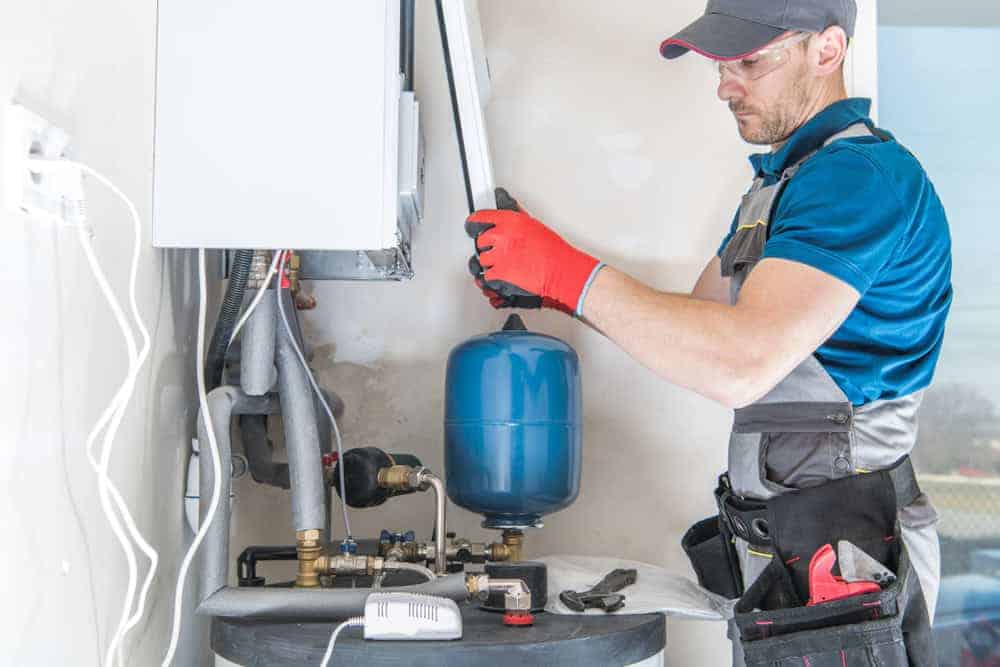
One-man HVAC operations can offer lower prices, but they come with serious limitations. When that one person gets busy, you wait. When they’re on vacation, you wait. When they’re dealing with three other emergencies during a heatwave, you wait.
Response times suffer because there’s simply no backup. If your system fails on a Friday evening and that sole HVAC contractor is already booked through the weekend, you’re stuck until Monday at the earliest. During peak season, that timeline stretches even longer.
There’s also the knowledge gap. One person can’t possibly stay current on every system type, every new technology, and every manufacturer’s specific requirements. Larger, established companies invest in ongoing training for their teams, send technicians to certification programs, and maintain relationships with equipment manufacturers for technical support. A solo operator is working with whatever knowledge they’ve accumulated on their own.
Then there’s the availability issue during crunch periods. Summer and winter are the busiest times for HVAC work. Systems fail when they’re working hardest—cooling during heatwaves or heating during cold snaps. A one-person operation can only handle so many calls per day. When demand spikes, their schedule fills up fast, and new customers get pushed back. Some wait a week or more for air conditioning service or furnace service during peak periods.
We handle this differently with our maintenance programs. We schedule preventive maintenance during slower spring and fall months, which reduces the number of emergency calls during summer and winter. We have multiple technicians available, so even when demand surges, we can still fit in priority customers. Contract members get first access to that capacity.
This is where the 40-year advantage really shows. A company that’s been around that long has the infrastructure, the team, and the systems in place to handle volume. We’ve weathered busy seasons before. We know how to staff appropriately, manage schedules efficiently, and keep response times reasonable even when everyone else is overwhelmed.
Let’s be clear about what “busy season” actually means for HVAC contractors. Summer is typically the busiest time for HVAC companies, with winter not far behind. During these periods, companies get flooded with emergency calls from homeowners whose systems just failed. Everyone wants service immediately, but there are only so many hours in a day and so many technicians available.
This is where HVAC service plans prove their worth. When your air conditioner stops working in July and you’re a contract member with us, your call gets prioritized. You’re not joining the back of a multi-day waitlist. You’re getting scheduled ahead of non-contract customers because we’ve already committed to serving you as a priority member.
The same applies in winter when furnaces fail. When temperatures drop and heating systems quit, HVAC companies face an onslaught of emergency calls. Homeowners without service agreements might wait days for help while their house stays cold. Our contract members get faster response times because they’re already in the system as priority customers.
This isn’t just about comfort, though that matters plenty. It’s about safety. Extreme heat and extreme cold can be dangerous, especially for older adults, young children, and people with health conditions. Going days without air conditioning during a heatwave or without heat during a cold snap isn’t just uncomfortable—it’s a health risk.
Beyond the immediate emergency response, there’s the preventive aspect. Those twice-yearly maintenance visits happen before peak season starts. Your air conditioning gets checked and tuned up in spring, before the summer heat hits. Your furnace gets serviced in fall, before winter cold arrives. This catches potential problems when they’re still minor and easy to fix.
Our technicians spot things like worn belts, dirty coils, low refrigerant, failing capacitors, and loose electrical connections during these visits. All of these issues, if left alone, can cause a system to fail under the heavy load of peak season. Fixing them during a scheduled HVAC maintenance visit costs far less than dealing with an emergency breakdown later.
And here’s the thing: even with regular maintenance, systems can still fail. Parts wear out. Unexpected issues crop up. But when that happens to a contract member, they’re not scrambling to find a local HVAC company with availability. They’re calling us, and we already know their system and prioritize their service request. The repair happens faster, costs less due to contract discounts, and gets done by someone who’s familiar with their equipment.
The difference between one-off repairs and a long-term HVAC maintenance contract comes down to this: are you reacting to problems, or preventing them? Are you waiting in line during emergencies, or getting prioritized? Are you paying premium rates when demand is highest, or locking in predictable costs with an HVAC service plan?
After 40 years of serving homeowners in the community, we’ve seen both approaches play out thousands of times. The contract approach wins on cost, convenience, and peace of mind. Your system lasts longer, runs more efficiently, and breaks down less often. When something does go wrong, you’re not stuck waiting days for help while paying emergency rates.
If you’re tired of one-man show delays and want the security of knowing you’ll get priority service when you need it most, it’s time to consider a maintenance contract with Eco Air Home Services LLC. We’ve been doing this since 1985, and we’re not going anywhere.
Summary:
Article details:
Share: