Old AC units can sound like a freight train. Modern inverter technology changes everything—delivering library-quiet cooling that supports restful sleep and slashes energy bills.
Traditional air conditioners use single-stage compressors that only know two speeds: full blast or completely off. When your thermostat calls for cooling, the system roars to life at maximum capacity. When the temperature drops, it shuts down entirely. Then the cycle repeats.
This on-off pattern creates the noise you’ve grown accustomed to—that sudden whoosh of air, the clunk of the compressor starting up, and the hum that fills your bedroom. Older systems built 10 to 20 years ago can produce sound levels between 60 and 70 decibels. That’s roughly as loud as a running dishwasher or a conversation you’d need to raise your voice to have.
For light sleepers, especially seniors, this constant cycling disrupts rest. Studies show that noise levels above 40 decibels can significantly affect sleep quality, increasing the number of times you wake during the night and reducing the restorative deep sleep your body needs.
The compressor is the heart of any air conditioning system. In traditional units, it’s a piston-driven component that operates at a fixed speed. When it turns on, it immediately jumps to full power, creating a surge of mechanical noise and vibration.
That vibration travels through the outdoor unit, into the ductwork, and sometimes even into the walls of your home. If your bedroom is near the outdoor condenser or shares a wall with where the unit sits, you feel every cycle. The sudden rush of air through vents adds another layer of sound—a whooshing or hissing that can jolt you awake.
Older window units are even worse. They sit directly in your bedroom space, with all the mechanical components—compressor, fan, and motor—operating just feet from where you sleep. Sound levels can reach 50 to 70 decibels, making it nearly impossible to have a conversation, watch television, or drift into deep sleep without distraction.
Over time, aging components make the problem worse. Loose parts rattle. Fan blades bend slightly and create vibration. Worn motor bearings produce grinding sounds. The system you installed 15 or 20 years ago is likely much louder now than when it was new, and it’s only going to get worse as components continue to wear down.
For many San Mateo homeowners, especially those who’ve lived in their homes for decades, the noise has become background static they’ve learned to tolerate. But tolerating isn’t the same as sleeping well. And when you’re waking up multiple times a night because of AC noise, your health, mood, and energy suffer.
Sleep becomes more fragile with age. Seniors often experience lighter sleep cycles, making them more sensitive to environmental noise. What might have been a minor annoyance in your 40s can become a genuine sleep disruptor in your 60s and 70s.
Research on sleep quality shows that persistent noise increases micro-arousals—brief moments where your brain partially wakes without you fully realizing it. You might not remember these interruptions, but they prevent you from reaching the deep, restorative sleep stages your body needs for physical recovery, immune function, and mental clarity.
The result? You wake up feeling unrested. Your energy lags during the day. Concentration becomes harder. Mood suffers. And over time, poor sleep quality can contribute to more serious health concerns, including elevated blood pressure, weakened immune response, and increased stress levels.
For San Mateo seniors who value their independence and quality of life, a quiet bedroom isn’t a luxury—it’s essential. The air conditioner that kept you comfortable for years may now be the very thing preventing the restful sleep you need to stay healthy and active.
Many homeowners assume loud AC units are just part of life. They’re not. Modern technology has solved this problem, and the difference in sleep quality can be immediate and dramatic. When we install inverter-based systems, one of the first things our clients mention is how much better they’re sleeping.
Get a Free Quote!
Connect with a Eco Air Cooling and Heating expert for fast, friendly support.
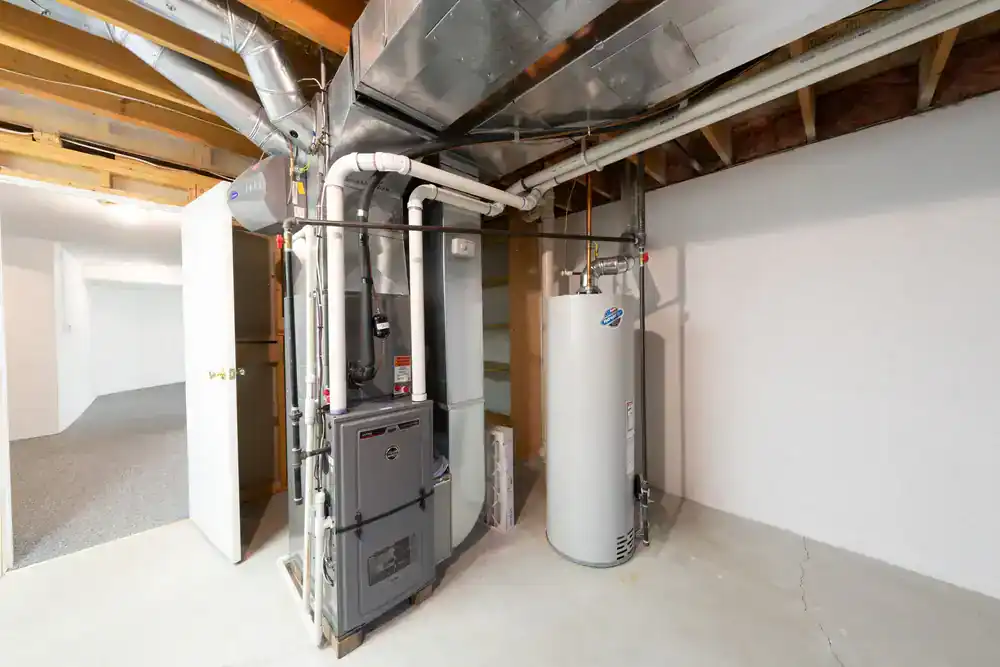
Inverter technology works completely differently from traditional systems. Instead of cycling on and off at full power, inverter air conditioners use variable-speed compressors that adjust their output smoothly and continuously.
Think of it like a dimmer switch versus a standard light switch. A traditional AC is either fully on or fully off. An inverter system can operate at 20%, 50%, 80%, or any level in between, constantly adjusting to maintain your exact temperature setting without ever shutting down completely.
This eliminates the jarring start-stop cycle that creates so much noise. There’s no sudden surge of power when the compressor kicks on. No whoosh of air blasting through vents. No abrupt silence when the system shuts off. Instead, the unit runs at a low, steady hum—often so quiet that you won’t even notice it’s operating.

Sound is measured in decibels, and the scale matters more than you might think. Every increase of 10 decibels represents a doubling of perceived loudness. So a system running at 60 dB isn’t just slightly louder than one at 50 dB—it sounds twice as loud.
Traditional central air conditioners typically operate between 55 and 70 decibels. Window units often fall in the 50 to 70 dB range. Older systems, especially those with worn components, can push even higher.
Modern inverter systems change the equation entirely. Ductless mini-split systems with inverter technology can operate as quietly as 19 to 24 decibels on low settings—roughly the sound of rustling leaves or a whisper. Even on higher settings, they rarely exceed 30 to 35 decibels, which is comparable to a quiet library or soft background music.
Central air systems with inverter compressors also run significantly quieter than traditional models, typically in the 50 to 60 dB range, with many high-efficiency units achieving sound levels in the mid-50s. That’s a noticeable improvement over older systems, and when combined with variable-speed indoor air handlers, the difference becomes even more dramatic.
For San Mateo bedrooms, this matters. When your AC operates at 25 decibels instead of 65, you’re not just getting a quieter system—you’re getting a system that won’t wake you up. Conversations happen at normal volume. Television doesn’t need to be turned up. And most importantly, sleep remains uninterrupted.
Many of the best HVAC contractors in San Mateo now recommend inverter systems specifically for bedrooms, knowing that noise reduction is one of the top priorities for homeowners, especially seniors who need quality rest.
Quiet operation isn’t the only benefit of inverter technology. These systems are also dramatically more energy efficient than traditional units, and the savings show up immediately on your utility bills.
Because inverter compressors adjust their speed based on actual cooling demand, they avoid the energy waste that comes from constantly cycling on and off at full power. A traditional AC uses a surge of electricity every time it starts up, then runs at maximum capacity until the thermostat is satisfied. That’s inefficient.
Inverter systems, by contrast, ramp up gently when needed and then maintain temperature by running at a lower, more efficient speed. Studies show that inverter air conditioners can reduce energy consumption by 30% to 70% compared to traditional single-stage systems.
For a San Mateo homeowner, that can translate to significant monthly savings, especially during the warmer months when your AC runs more frequently. A 20-year-old system might use 6 kilowatt-hours of electricity to cool your home. A modern inverter system could do the same job using as little as 1.7 kWh—a reduction of more than 70%.
Over the lifespan of the system, those savings add up. The higher upfront cost of an inverter unit often pays for itself within a few years through lower energy bills. And because these systems experience less mechanical stress from constant cycling, they also tend to last longer and require fewer repairs over time.
When we perform energy audits and system comparisons, the efficiency advantage of inverter technology becomes clear. For seniors on fixed incomes who want to reduce monthly expenses without sacrificing comfort, high-efficiency AC installation makes both financial and practical sense.
The environmental benefit is worth noting too. Lower energy consumption means a smaller carbon footprint. If sustainability matters to you—and for many San Mateo County residents, it does—upgrading to an inverter system is one of the most impactful home improvements you can make.
Not all inverter systems are created equal, and finding the right fit for your home requires more than just picking the quietest model. San Mateo’s coastal climate, with its marine layer and moderate temperatures, creates specific HVAC challenges that local expertise helps solve.
The best HVAC contractors in San Mateo understand how salt air affects equipment longevity, how microclimates vary across neighborhoods, and which systems perform best in homes built decades ago versus newer construction. That local knowledge makes a difference in system selection, installation quality, and long-term performance.
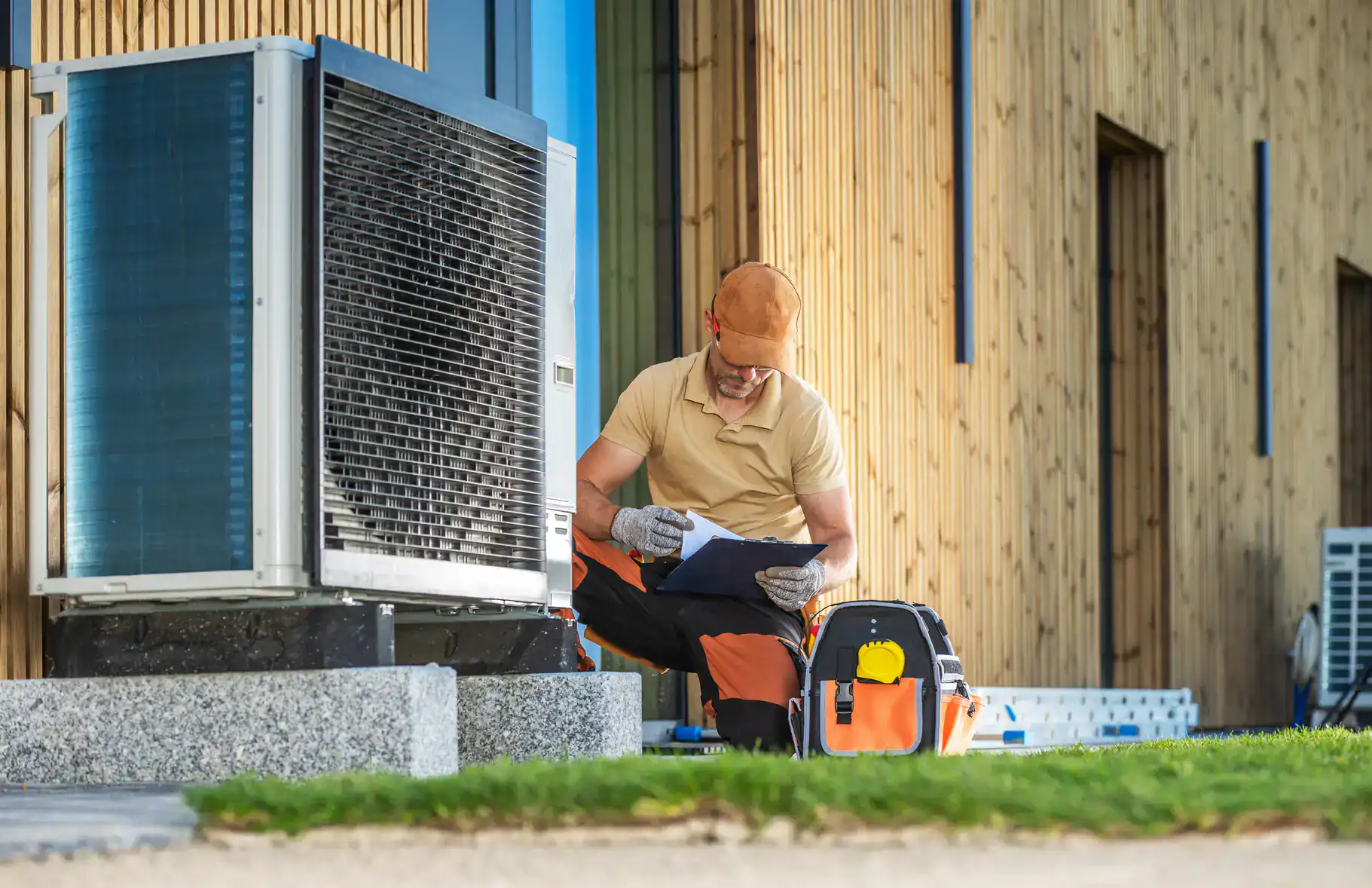
For bedrooms specifically, ductless mini-split systems often provide the quietest operation. These units place the noisy compressor outside while the indoor unit—mounted on a wall or ceiling—handles air distribution with minimal sound. Many models include dedicated sleep modes that further reduce fan speed and noise at night, creating an environment that supports truly restful sleep.
If you prefer central air, modern systems with inverter compressors and variable-speed air handlers can also deliver impressive noise reduction, especially when paired with properly sized ductwork and high-quality installation. The key is working with experienced HVAC contractors who understand how to optimize the entire system for quiet operation, not just install equipment and hope for the best.
We’ve been serving San Mateo and Santa Clara County since 1985, helping homeowners—especially seniors—find cooling solutions that prioritize comfort, efficiency, and peace. With 40 years of local experience, we understand exactly what works in San Mateo’s unique climate and how to install systems that perform quietly and reliably for decades.
Summary:
Article details:
Share: