Winterizing your San Mateo rental property starts with HVAC maintenance. Discover how preventive service stops emergency calls and protects your investment.
San Mateo’s rental market is competitive. You’re managing a valuable asset in an area where median rents hover around $3,000 to $3,600, and nearly half of all households rent rather than own. Your tenants have options, and they expect their heating to work when temperatures drop.
But this isn’t just about tenant satisfaction. California law is clear: if an HVAC system was working when your tenant moved in, you’re legally responsible for maintaining it. Failing to do so can lead to habitability complaints, repair-and-deduct situations, or worse—legal action that costs far more than any maintenance visit.
The numbers tell the story. Annual HVAC maintenance typically costs between $175 and $350. Emergency repairs? You’re looking at double or triple that amount, plus the cost of an unhappy tenant who might not renew their lease. Preventive maintenance isn’t an expense—it’s insurance against much bigger problems.

California’s Civil Code Section 1941.1 doesn’t leave much room for interpretation. Landlords must provide safe, habitable housing, and that includes a functioning heating system. If your rental came with heating when the tenant moved in, you’re contractually and legally obligated to keep it working.
Here’s what that means in practice: when a tenant reports a heating problem, you have 30 days to fix it under California law. That might sound like plenty of time, but in the middle of winter, 30 days of no heat creates serious problems. Tenants can pursue several remedies if you don’t act, including the “repair and deduct” option where they hire someone themselves and deduct the cost from rent.
The implied warranty of habitability is serious business. HVAC emergencies can make a rental legally uninhabitable, giving tenants grounds for breaking their lease or withholding rent. Some landlords find out the hard way that skipping maintenance creates legal headaches that cost far more than any tune-up ever would.
But beyond legal requirements, there’s a practical reality. Good tenants are hard to find in San Mateo’s competitive market. When you maintain working heat, you’re not just following the law—you’re protecting your relationship with quality tenants who pay on time and take care of your property. That’s worth something.
Let’s talk about what happens when you skip preventive maintenance and hope for the best. Emergency HVAC repair rates can run two to three times the normal hourly rate. That’s before you factor in the cost of parts that need to be rush-ordered or the damage that occurs while you’re waiting for service.
Consider this: a standard HVAC tune-up costs around $200 to $300. An emergency service call in the middle of winter? You’re easily looking at $600 to $1,200 or more, depending on what failed. And that’s assuming the problem is fixable. If your furnace or heat pump completely fails because it wasn’t maintained, you’re facing a replacement cost of $5,000 to $10,000.
But the financial hit doesn’t stop at the repair bill. There’s the tenant goodwill you lose when they’re freezing for days while you arrange repairs. There’s the potential for them to break their lease or leave a negative review that makes it harder to attract the next tenant. There’s your own time and stress dealing with the situation when you could be doing literally anything else.
The math is straightforward. Studies show that 90% of all heating and air conditioning repairs are preventable through regular maintenance. That means nine out of ten emergency calls you might receive this winter could be avoided by scheduling one or two maintenance visits per year. Which sounds like a better use of your money?
And here’s something many landlords don’t consider: most HVAC warranties require routine professional maintenance to stay valid. Skip the maintenance, and you might void your warranty right when you need it most. That turns a covered repair into an out-of-pocket expense that could have been avoided.
Get a Free Quote!
Connect with a Eco Air Cooling and Heating expert for fast, friendly support.
Winterizing isn’t just a buzzword—it’s a specific process that prepares your rental property’s heating system for months of heavy use. Think of it like getting your car serviced before a long road trip. You wouldn’t skip the oil change and hope for the best, and you shouldn’t skip HVAC maintenance either.
The process starts in early fall, before the first cold snap hits. That timing matters because HVAC companies get slammed once winter arrives and everyone suddenly needs service. Schedule your maintenance in September or October, and you’ll get better availability, better pricing, and the peace of mind that your system is ready when temperatures drop.
Professional winterization involves more than just changing a filter. A qualified technician will inspect the entire system, test all components, clean essential parts, and identify potential problems before they become emergencies. This isn’t something you can DIY effectively, especially for rental properties where you have legal obligations to tenants.
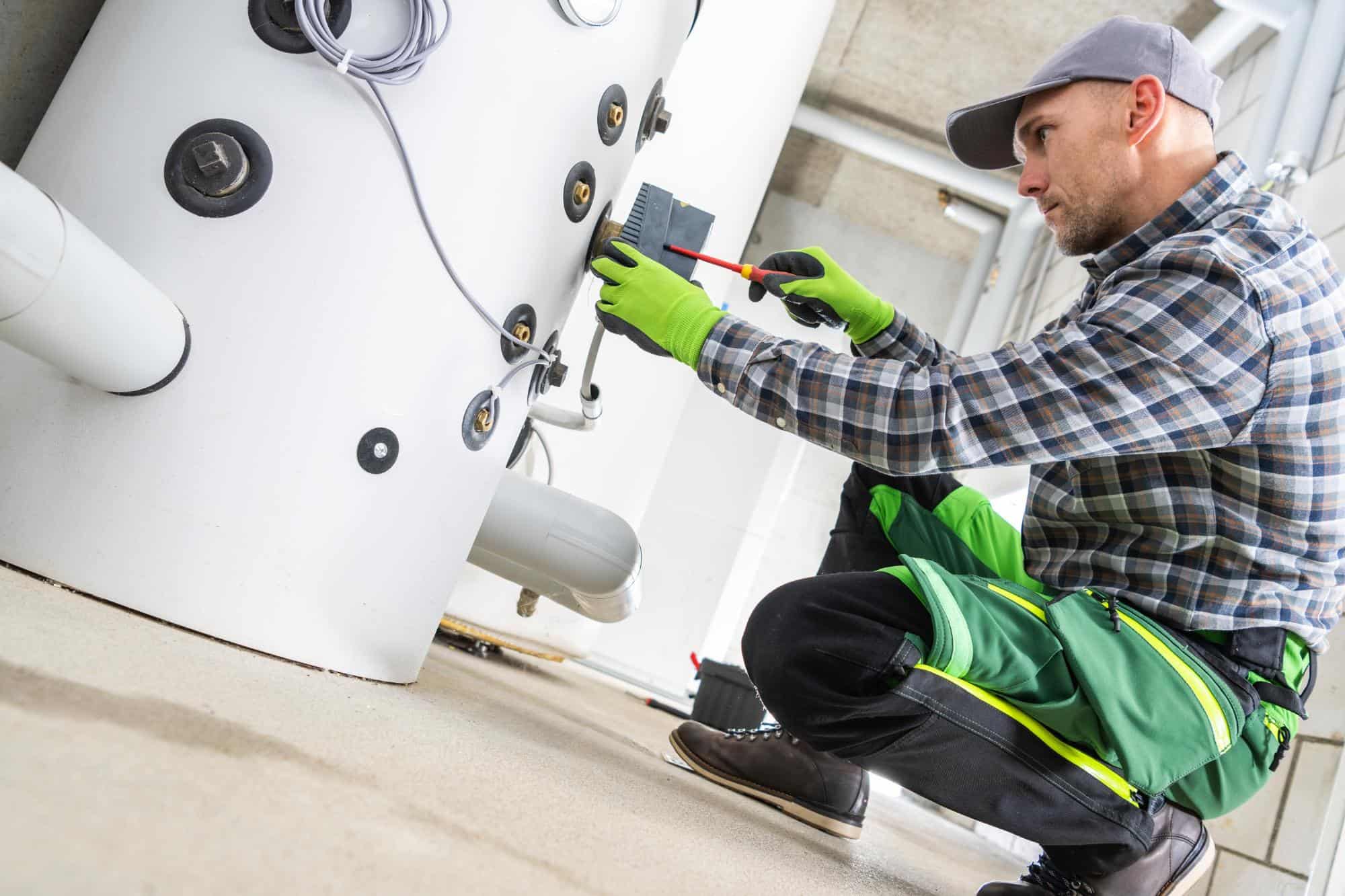
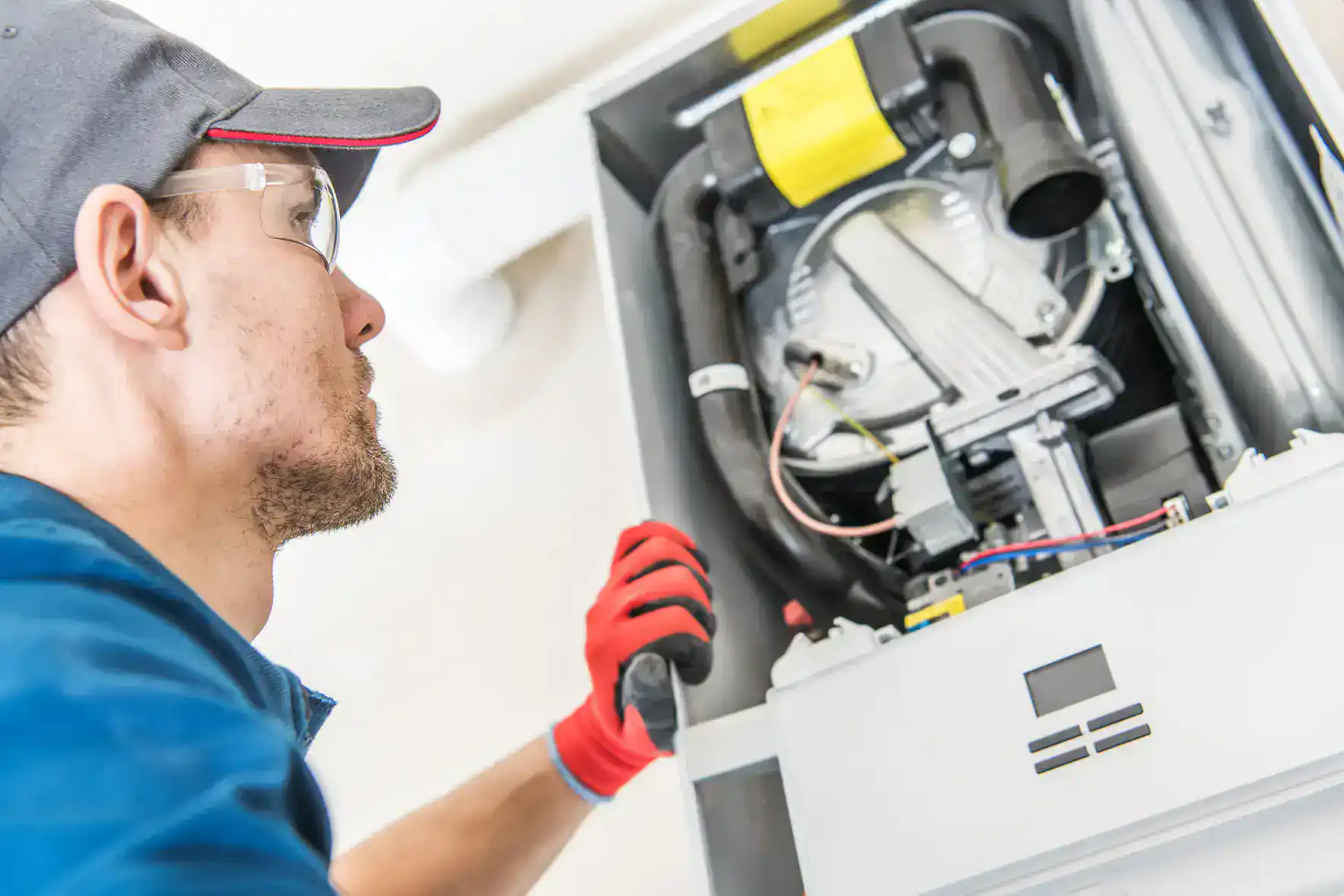
When you hire a professional for annual maintenance, here’s what should happen. The technician will start by inspecting your heating system—whether that’s a furnace, boiler, or heat pump—checking for signs of wear, damage, or inefficiency. They’ll test the thermostat to make sure it’s accurately controlling temperature and replace or clean air filters that restrict airflow.
Next comes the detailed work. They’ll check refrigerant levels if you have a heat pump, lubricate moving parts to reduce friction and wear, and clean coils that accumulate dust and debris over time. Electrical connections get tested and tightened, because loose connections cause inefficiency and safety hazards. The technician will also examine your ductwork for leaks that waste energy and money.
For gas furnaces, combustion efficiency testing is critical. The technician checks for proper burner operation, looks for soot buildup that indicates problems, and inspects the smoke pipe for safety issues. Carbon monoxide leaks are rare but deadly, and this inspection catches them before they become dangerous.
The whole process typically takes one to two hours, depending on your system’s complexity and condition. You’ll get a detailed report of what was found, what was done, and any recommendations for repairs or improvements. This documentation is valuable if you ever need to prove you maintained the property properly.
Property owners should schedule this service at least once a year, ideally before winter. If you have a combined heating and cooling system, twice-yearly maintenance makes sense—once before summer and once before winter. That schedule catches problems early and keeps your system running at peak efficiency year-round.
A professional HVAC inspection goes deeper than basic maintenance. The technician is looking for problems you can’t see—things that will cause failures weeks or months down the road if left unchecked. This is where the real value of professional service shows up.
The inspection starts with a visual assessment of the entire system. The technician checks for rust, corrosion, or physical damage to components. They look for signs of water leaks, which can indicate condensation problems or refrigerant issues. They examine the condition of belts and bearings, which wear out gradually and can fail suddenly if not replaced in time.
Then comes performance testing. The technician measures airflow to ensure your system is moving enough air to heat the space effectively. They test temperature differentials—the difference between the air going into the system and the air coming out—to verify the system is heating properly. If those numbers are off, something’s wrong that needs attention.
For heat pumps, the technician checks the defrost cycle, which prevents ice buildup on outdoor coils during cold weather. They verify that the reversing valve is working correctly, switching between heating and cooling modes. These components are critical in winter and often overlooked until they fail.
The inspection also covers safety systems. Flame sensors in gas furnaces, limit switches that prevent overheating, and pressure switches that ensure proper venting all get tested. These safety devices protect your property and your tenants, and they need to work correctly every time.
At the end of the inspection, you’ll know exactly what condition your HVAC system is in. If repairs are needed, you’ll have time to schedule them before winter arrives and before they become emergencies. That’s the difference between being proactive and being reactive—and it’s the difference between spending $300 now or $3,000 later.
Winterizing your rental property’s HVAC system isn’t complicated, but it does require action. The landlords who avoid emergency calls and keep their tenants happy are the ones who schedule maintenance before problems happen, not after.
Start by finding a reliable HVAC service provider who understands rental properties and can work within your schedule. Get on a maintenance schedule now, before winter arrives and availability disappears. The few hundred dollars you invest in annual maintenance will save you thousands in emergency repairs and protect your relationship with good tenants.
Your rental property is a significant investment in one of California’s most competitive markets. Protecting that investment means taking care of the systems your tenants rely on every day. When you do that consistently, you’ll sleep better, your tenants will stay longer, and your property will maintain its value for years to come. At Eco Air Home Services, we’ve been keeping rental properties running smoothly in San Mateo County for decades, and we’re here to help you protect your investment with professional HVAC maintenance and emergency services.
Summary:
Article details:
Share: