High electric bills draining your budget? Learn practical energy efficiency improvements that reduce costs without expensive system replacements—backed by 40 years of local HVAC experience.
You opened your electric bill last month and felt that familiar sinking feeling. Another increase. Another month wondering if something’s broken or if this is just your new reality.
Here’s what most homeowners don’t realize: your HVAC system can be working perfectly fine and still be costing you hundreds of dollars more than it should. The difference isn’t always about replacement—it’s about efficiency. And efficiency improvements don’t always require the investment you’re imagining.
What you’re about to read focuses on practical changes that actually reduce energy costs, based on what we’ve seen work across thousands of San Mateo County homes over the past four decades.
Energy efficiency improvement means your HVAC system delivers the same comfort using less electricity. Not less heat. Not less cooling. Just less waste.
Think of it like this: if your system needs to run for 8 hours to keep your home at 72 degrees, an efficient system might only need 6 hours to do the same job. That’s 25% less runtime. That’s 25% less electricity. That’s real money back in your account every single month.
The problem is that efficiency degrades gradually. You don’t wake up one day to a broken system. You wake up to bills that have crept up $50, then $75, then $100 over the course of a few years. By the time you notice, you’ve already spent thousands more than you needed to.
When your electric bill is too high, your first instinct might be to blame the utility company or assume everyone’s bills went up. And yes, rates do increase. But if your bill jumped significantly more than your neighbor’s, your HVAC system is likely working overtime to compensate for efficiency losses.
Here’s what that looks like in real terms. San Mateo County residents pay roughly 43 cents per kilowatt-hour—more than double the national average. At those rates, even small inefficiencies add up fast. A system that’s running 20% longer than it should isn’t just annoying. It’s expensive.
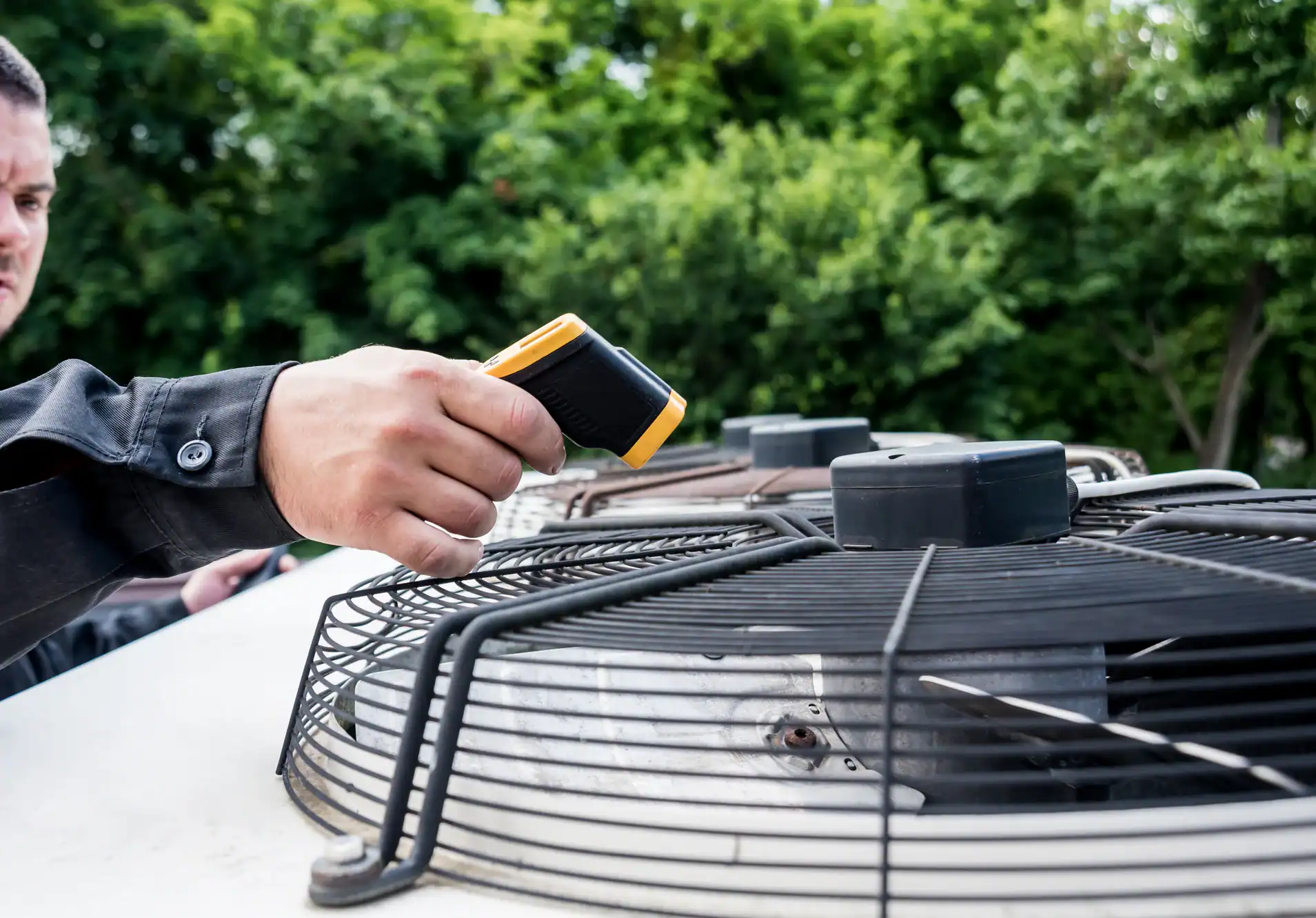
Clogged filters force your system to work harder to push air through. Leaky ducts mean you’re paying to cool your attic instead of your living room. Low refrigerant levels make your air conditioner run longer cycles to reach the same temperature. Dirty coils reduce heat transfer, so your system has to compensate with more runtime.
None of these issues mean your system is “broken.” It still turns on. It still produces cold or warm air. But it’s doing it inefficiently, and that inefficiency shows up as a line item on your utility bill every single month.
Your system doesn’t tell you when it’s struggling. It just runs longer, works harder, and costs more. And unless you’re paying attention to runtime patterns or comparing your energy use year-over-year, you might not even realize it’s happening until the bill becomes impossible to ignore.
The good news? Most of these efficiency killers are fixable without replacing the entire system. You just need to know what to look for and which improvements deliver the fastest return.
If you’re asking yourself “why is my electric bill too high,” you’re not alone. It’s one of the most common questions we hear from homeowners in San Mateo County. And the answer is almost never just one thing.
Let’s start with the obvious: heating and cooling account for roughly half of your home’s total energy use. In a place where electricity costs 43 cents per kilowatt-hour, that means your HVAC system is likely responsible for $150 to $200 of your monthly bill—or more if your system is older or poorly maintained.
Aging systems lose efficiency every year. A system that’s 10 or 15 years old can use 20% to 30% more energy than a modern unit doing the exact same job. But even newer systems can waste energy if they weren’t sized correctly, if the ductwork is poorly designed, or if basic maintenance has been skipped.
Air leaks are another major contributor. Gaps around windows and doors, poorly sealed ductwork, and inadequate insulation all force your HVAC system to work longer to maintain the temperature you want. You’re essentially paying to heat or cool the outdoors.
Thermostat settings play a bigger role than most people realize. Keeping your home at 68 degrees in winter or 72 degrees in summer sounds reasonable, but every degree of difference between indoor and outdoor temperature increases your energy use. If you’re running your system at those settings around the clock, you’re paying for comfort you might not even need when you’re asleep or away from home.
Dirty filters, neglected maintenance, and improper refrigerant levels all compound the problem. None of these issues will cause your system to stop working. But they will cause it to work harder, run longer, and cost more. And because the decline is gradual, most homeowners don’t connect the dots between skipped maintenance and rising bills until the difference becomes impossible to ignore.
San Mateo County’s mild climate actually works in your favor here. You don’t need the most powerful system on the market. You need the right-sized system, properly maintained, with ductwork that actually delivers conditioned air where it’s supposed to go. Get those basics right, and you’ll see the difference on your next bill.
Get a Free Quote!
Connect with a Eco Air Cooling and Heating expert for fast, friendly support.
Most homeowners assume that lowering their energy bill means buying a new HVAC system. That’s not always true. In fact, some of the most cost-effective energy efficiency improvements have nothing to do with replacing equipment.
Duct sealing is one of the best investments you can make. Leaky ducts can waste 20% to 30% of the air your system produces. That’s conditioned air you’ve already paid to heat or cool, escaping into your attic or crawl space before it ever reaches your living areas. Sealing those leaks improves efficiency by as much as 20%, and the payback period is often less than two years.
Filter replacement sounds basic, but it’s one of the most overlooked efficiency improvements. A dirty filter restricts airflow, forcing your system to work harder and run longer. Replacing filters every one to three months keeps your system running smoothly and prevents dust and debris from building up inside the equipment, which can lead to more expensive problems down the road.
Thermostat upgrades offer immediate savings without touching your HVAC equipment. A programmable or smart thermostat lets you automatically adjust temperatures based on your schedule, so you’re not paying to heat or cool an empty house. Lowering your thermostat by 10 to 15 degrees for eight hours a day can cut your heating bill by up to 15% annually.
Regular maintenance isn’t just about preventing breakdowns. It’s about preserving efficiency. And when efficiency degrades, your energy bills go up—even if your system never actually “breaks.”
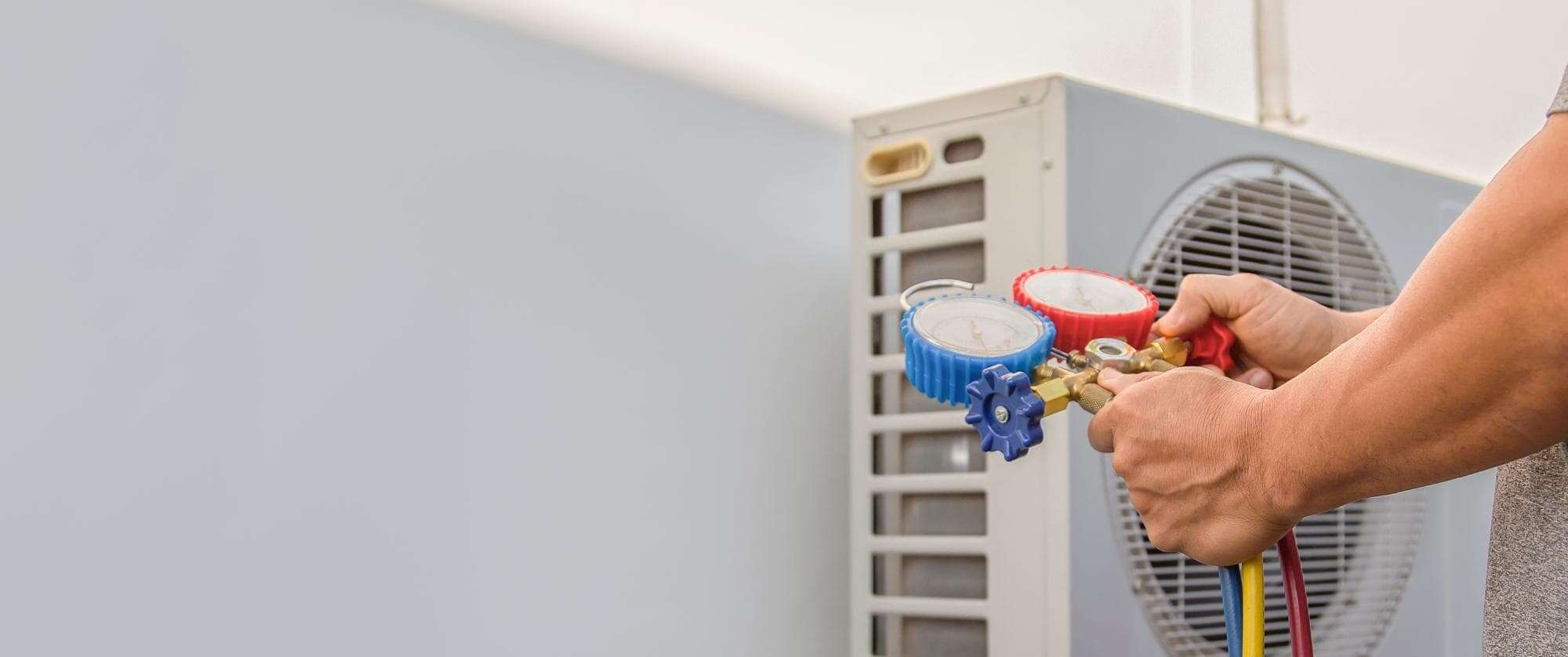
During a professional maintenance visit, we check refrigerant levels, clean coils, inspect electrical connections, lubricate moving parts, and test system performance. Each of these tasks directly impacts how efficiently your system operates.
Low refrigerant levels, for example, force your air conditioner to run longer cycles to reach the desired temperature. Dirty coils reduce heat transfer, so your system has to work harder to produce the same cooling effect. Worn belts and bearings create friction, which increases energy consumption. None of these problems will cause your system to stop working overnight, but they will quietly drain your bank account month after month.
Here’s the part most homeowners miss: efficiency losses are cumulative. A system that’s 5% less efficient this year and another 5% less efficient next year is now costing you 10% more to operate than it did two years ago. Over time, those small losses add up to hundreds of dollars in unnecessary energy costs.
The Department of Energy recommends having your HVAC system professionally serviced at least once a year—ideally twice, once before cooling season and once before heating season. That might sound like overkill, but consider the alternative. Skipping maintenance doesn’t just increase the risk of a breakdown. It guarantees that your system is running less efficiently than it should be, which means you’re paying more every single month.
We’ve seen systems that were “working fine” but using 25% more energy than they should have been simply because no one had cleaned the coils or checked the refrigerant in three years. That’s $75 to $100 a month in wasted electricity for a problem that could have been caught and corrected during a routine maintenance visit.
Maintenance isn’t glamorous. It doesn’t give you a shiny new piece of equipment to show off. But it’s one of the most cost-effective ways to protect your investment and keep your energy bills under control. And in a place like San Mateo County, where electricity costs more than twice the national average, every percentage point of efficiency you preserve translates directly to money saved.
Sometimes maintenance and minor improvements aren’t enough. If your system is more than 10 to 15 years old, upgrading to a high-efficiency model can deliver significant long-term savings—but only if it’s done right.
Modern HVAC systems are dramatically more efficient than units installed even a decade ago. High-efficiency air conditioners and heat pumps can reduce energy consumption by 20% or more compared to older models. Over the lifespan of the equipment, that can add up to thousands of dollars in savings.
But here’s the catch: efficiency gains only materialize if the new system is properly sized and correctly installed. An oversized system will cycle on and off too frequently, wasting energy and reducing comfort. An undersized system will run constantly, struggling to keep up with demand. Both scenarios result in higher energy bills and shorter equipment life.
That’s why proper load calculations matter. A Manual J load calculation takes into account your home’s size, insulation levels, window types, and local climate to determine exactly how much heating and cooling capacity you need. It’s not a guess based on square footage. It’s a detailed analysis that ensures your new system is the right size for your specific home.
Proper installation is just as important as proper sizing. Improper installation can reduce system efficiency by up to 30%, costing you more on your utility bills and potentially shortening the equipment’s lifespan. That means even the most efficient system on the market won’t deliver the savings you’re expecting if it’s not installed correctly.
If you’re considering a system upgrade, focus on SEER ratings for air conditioners and AFUE ratings for furnaces. Higher ratings indicate better efficiency, but they also come with higher upfront costs. The key is finding the sweet spot where the energy savings justify the additional investment based on how long you plan to stay in your home and how much you’re currently spending on energy.
And don’t overlook available rebates and incentives. San Mateo County residents have access to multiple programs through Peninsula Clean Energy, Energy Upgrade California, and other sources that can significantly reduce the net cost of high-efficiency equipment. In some cases, these incentives can cut thousands of dollars off the price of a new system, making the upgrade far more affordable than you might expect.
System replacement isn’t always the answer. But when it is the right move, doing it correctly—with proper sizing, quality installation, and attention to efficiency—can transform your energy bills for the next 15 to 20 years.
You don’t need to tackle everything at once. Start with the improvements that deliver the fastest payback—filter replacements, thermostat upgrades, and professional maintenance. These changes require minimal investment and start reducing your energy bills immediately.
If your bills are consistently high despite basic maintenance, it’s worth having a professional evaluate your system’s efficiency. A comprehensive assessment can identify duct leaks, refrigerant issues, or sizing problems that you wouldn’t catch on your own. And in many cases, the cost of that assessment is offset by the savings you’ll see in the first few months after the recommended improvements are made.
For homeowners in San Mateo County dealing with high energy costs and aging HVAC systems, the path forward doesn’t have to mean a massive upfront investment. It means understanding what’s actually driving your costs, prioritizing the improvements that deliver the best return, and working with professionals who focus on solutions rather than sales pitches. We’ve been helping local homeowners solve exactly these problems since 1985, with knowledgeable technicians who understand what works in this climate and this community.
Summary:
Article details:
Share: