The Bay Area's mild reputation can be misleading — and for seniors, that misconception can be dangerous. Here's what you actually need to know.
Most people who’ve lived in San Mateo County for decades have the same instinct when summer arrives: it’ll be fine, it never really gets that hot here. And most of the time, that’s true — until it isn’t. When a heat wave rolls through and pushes inland Redwood City or San Mateo past 95°F, the homes that weren’t built with cooling in mind become genuinely risky places to be, especially for older adults. This guide is for seniors and the family members who look out for them. You’ll walk away knowing what indoor temperatures are actually safe, what to do when your AC seems fine but your house doesn’t feel like it, and when it’s time to call someone.
The challenge in San Mateo County isn’t just the heat — it’s the surprise of it. The coast stays cool, so Half Moon Bay might be sitting at 65°F while Redwood City and Menlo Park are hitting 97°F on the same afternoon. That inland temperature swing catches a lot of homeowners off guard, particularly those in older homes that were never outfitted with central air.
The county actually has one of the lowest rates of air conditioning in all of California, which means when a heat wave hits, a lot of households are working with window units, aging systems, or nothing at all. Keeping your home cool under those conditions takes more than just turning on whatever you have — it takes knowing what actually works and what gives you a false sense of security.
Fans feel helpful, and in mild heat they are — they move air across your skin and help sweat evaporate faster, which cools you down. But once outdoor temperatures climb into the high 90s, that equation breaks down. The CDC and California Department of Public Health both state clearly that electric fans do not prevent heat-related illness when temperatures are that high. At a certain point, a fan is just blowing hot air at you faster.
This matters especially for seniors. The physiological changes that come with aging — reduced sweating, slower circulatory response, greater likelihood of chronic conditions — mean the body’s natural cooling system is already working at a disadvantage. Add in the fact that many common prescription medications, including diuretics, beta-blockers, antihistamines, and certain antidepressants, can further impair the body’s ability to regulate temperature and sweat, and the margin for error gets even smaller.
If you’re relying on a fan as your primary cooling strategy and the temperature is pushing toward 90°F or beyond, that’s not a safe plan. Air conditioning — either your home’s system, a window unit, or a public cooling center — is what actually keeps body temperature in a safe range when outdoor heat is severe.
San Mateo County opens cooling centers during heat emergencies specifically because the county recognizes how many homes here lack adequate cooling. If your system is struggling or you don’t have one, that resource exists. But for most seniors, the better long-term answer is making sure the AC you do have is actually working the way it should — and that starts with knowing what “working” really means.
This is the scenario that concerns us most, because it’s the one seniors are least likely to catch in time. The AC is on. The thermostat is set to 75°F. The unit is running. And yet the house is still uncomfortably warm. Everything looks fine — but it isn’t.
The most common culprit is a dirty air filter. When a filter gets clogged, airflow through the system drops dramatically, and the unit can’t move enough cool air to make a real difference in the room temperature. During heavy summer use, filters should be checked monthly — not annually, not seasonally. If the filter looks gray and matted, it needs to be replaced. This is one of the few things most homeowners can handle themselves, and it makes a bigger difference than most people expect.
Beyond the filter, a few other issues can cause an AC to run continuously without actually cooling. Low refrigerant — usually the result of a slow leak — means the system doesn’t have enough of the substance it needs to transfer heat out of your home. A frozen evaporator coil, often caused by restricted airflow or low refrigerant, can block cooling entirely even while the unit runs loudly. A blocked condensate drain line can trigger a safety shutoff. And something as simple as having the thermostat’s fan set to “on” instead of “auto” means the fan runs constantly, circulating uncooled air and making you think the system is working when it’s just moving air.
None of these problems announce themselves. The AC keeps humming, the light stays on, and a senior sitting in a home that’s 82°F inside may not realize the danger they’re in — especially if reduced thirst sensation or medication effects are masking the early signs of overheating. If your home isn’t reaching the temperature you’ve set, or if it takes unusually long to cool down after a hot afternoon, don’t assume the system just needs more time. That’s the moment to call.
Get a Free Quote!
Connect with a Eco Air Cooling and Heating expert for fast, friendly support.
You’ve probably heard that 78°F is the recommended thermostat setting for summer — and for the general population focused on energy savings, that’s reasonable guidance. But for older adults, 78°F may not be safe. Health in Aging, a resource from the American Geriatrics Society, recommends that seniors take active precautions once indoor temperatures exceed 80°F. The risk isn’t just discomfort — it’s heat exhaustion and, at the extreme end, heat stroke, which occurs when the body’s core temperature reaches 104°F.
The honest answer is that the right indoor temperature for a senior depends on the individual, their health conditions, and the medications they take. For many older adults, keeping the home between 72°F and 75°F during a heat wave is a more appropriate target than 78°F.
One of the most important things to understand about heat illness in seniors is that the warning signs often don’t look the way people expect. Younger adults tend to sweat heavily and feel obviously overheated before things get serious. Seniors frequently don’t. Reduced sweat response is a normal part of aging, which means the body’s most visible distress signal — drenching sweat — may be absent even when the internal temperature is climbing dangerously.
What to watch for instead: unusual fatigue or weakness that comes on during a hot afternoon, dizziness or lightheadedness when standing, a mild headache that wasn’t there in the morning, nausea, or skin that feels hot and dry rather than sweaty. Confusion or disorientation is a more serious sign and warrants calling 911. Heat stroke is a medical emergency.
The CDC notes that older adults are more likely to have chronic medical conditions that alter the body’s normal response to heat, and more likely to be on prescription medications that compound the risk. If you or someone you care for is managing a heart condition, diabetes, kidney disease, or takes any of the medication categories mentioned earlier, the threshold for concern should be lower — not higher.
This is also why the “I’ll notice if I’m getting too hot” instinct is unreliable for this age group. The physiological feedback loop that tells a younger person to get somewhere cool is slower and quieter in older adults. Proactive temperature management — keeping the home cool before it gets uncomfortable, not waiting until it’s already warm — is the safer approach.
Here’s the part worth sitting with: San Mateo County is projected to experience nearly three times as many days above 86.5°F by 2050 compared to the early 1990s. What used to be a rare event is becoming a recurring one. If your home has never really needed air conditioning before, that calculation is changing.
For seniors in older homes — and there are a lot of them in cities like Burlingame, downtown San Mateo, and Redwood City — this means the aging window unit or the central system that hasn’t been serviced in a few years is going to face more demand than it ever has. Getting ahead of that now, before the next heat wave, is the difference between a comfortable summer and a dangerous one.
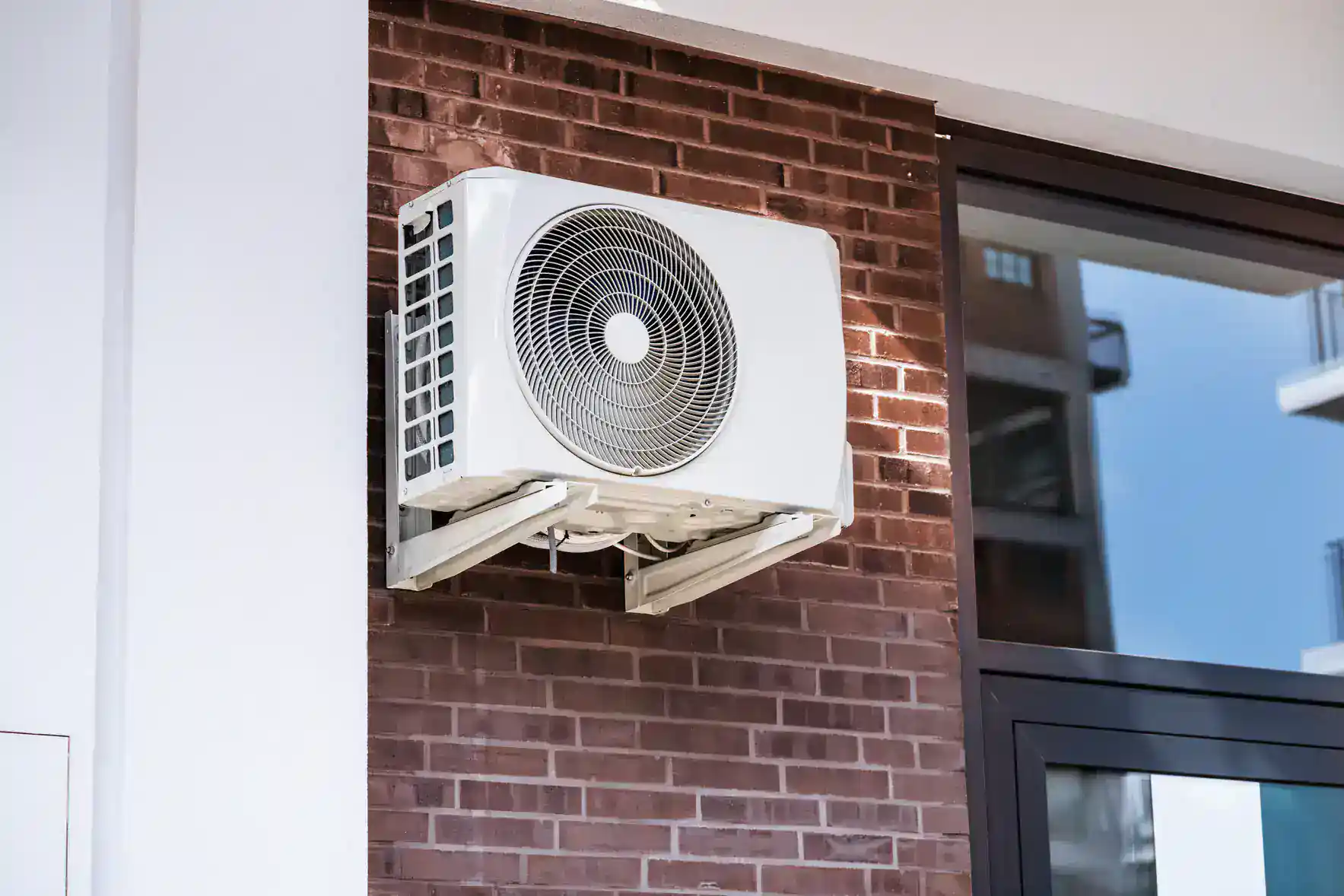
A few things worth doing before temperatures spike: check or replace your air filter, make sure vents throughout the house aren’t blocked by furniture, verify that your thermostat is set to “cool” mode with the fan on “auto,” and clear any debris from around your outdoor condenser unit — it needs room to breathe. These are the things you can do yourself.
What you can’t do yourself is check refrigerant levels, inspect the evaporator coil, clear a blocked condensate drain safely, or diagnose an electrical issue. Those require a technician. And the time to schedule that service is before a heat wave, not during one — when every HVAC company in San Mateo County is fielding emergency calls and wait times stretch out.
If you’re a senior or you’re helping an older parent prepare for summer, Peninsula Clean Energy — San Mateo County’s local energy program — also offers rebates for qualifying HVAC upgrades. If an aging system needs to be replaced, there may be financial assistance available to offset the cost. We handle all the rebate paperwork, so that process doesn’t fall on you.
The AC tips that matter most for seniors aren’t really about thermostats and energy bills — they’re about staying safe in a climate that’s changing faster than most people realize. The Bay Area’s mild reputation is real, but it doesn’t extend to every city in San Mateo County, and it doesn’t extend to every summer anymore.
If your home isn’t cooling the way it should, if your system hasn’t been serviced in more than a year, or if you’re simply not confident it will hold up when the next heat wave arrives, that’s worth addressing now. A system that appears to be running fine can still be failing quietly — and for an older adult, the consequences of finding out during a 98°F afternoon are serious.
We’ve been serving seniors and families across San Mateo County since 1985, and we offer a 15% discount to senior and military customers because this community is where we’ve built our business and our reputation. If you have questions or want to schedule a service, call or text us at 650-690-6175. Eco Air Home Services LLC is available 24 hours a day — because heat emergencies don’t wait for business hours, and neither do we.
Summary:
Article details:
Share: