Wondering what AC repairs actually cost in San Mateo County? Get real pricing on common fixes, learn when maintenance beats major repairs, and discover how to make smart decisions.
Your AC stopped working on an 85-degree afternoon, and now you’re wondering what the repair will actually cost. You’ve heard stories about surprise charges and inflated estimates, and you’re not sure who to trust with a straight answer. AC repair costs in San Mateo County vary widely based on what’s actually broken, but understanding the typical price ranges helps you spot fair pricing from the games some contractors play. Here’s what repairs actually cost, what drives those numbers, and when spending money on an aging system stops making sense.
Your repair bill depends on three main factors: what component failed, how complex the fix is, and whether you’re calling during an emergency or scheduling routine service. A capacitor replacement might run $150-$275, while a compressor issue can hit $800-$1,200 or more.
Labor rates in San Mateo County run higher than other parts of the country, but you’re paying for expertise with our specific coastal climate challenges. Salt air and humidity affect equipment differently here. Experienced local technicians know what to look for and how coastal conditions accelerate wear on outdoor units.
Your system’s age plays a bigger role than most homeowners realize. Parts for older units cost more and take longer to source. Diagnostic time increases when technicians work with aging components that don’t follow predictable failure patterns.
Capacitor failures happen frequently in San Mateo, often triggered by voltage fluctuations from grid changes. These small components help your AC motor start and run efficiently. When they fail, your system won’t turn on or struggles to start. Replacement typically costs $150-$275—straightforward work that most technicians complete in under an hour.
Refrigerant leaks require more time and specialized equipment. EPA regulations mandate certified technicians for refrigerant work, and the diagnostic process takes longer because leaks aren’t always obvious. Expect to pay $300-$600 to locate the leak, repair it, and recharge your system with R-410A refrigerant.
If your system still uses R-22 refrigerant—common in units manufactured before 2010—costs jump significantly. R-22 supplies are limited since production stopped in 2020, and prices run $90-$150 per pound compared to $50-$80 for modern R-410A. A simple recharge that might cost $250-$400 with current refrigerant can balloon to $500-$1,500 with R-22.
Compressor problems represent the most expensive common repair. The compressor is your AC’s heart, and replacement typically costs $800-$1,200. Some situations push higher depending on your system’s size and accessibility. At this price point, you’re often better off replacing the entire system, especially if it’s over 10 years old.
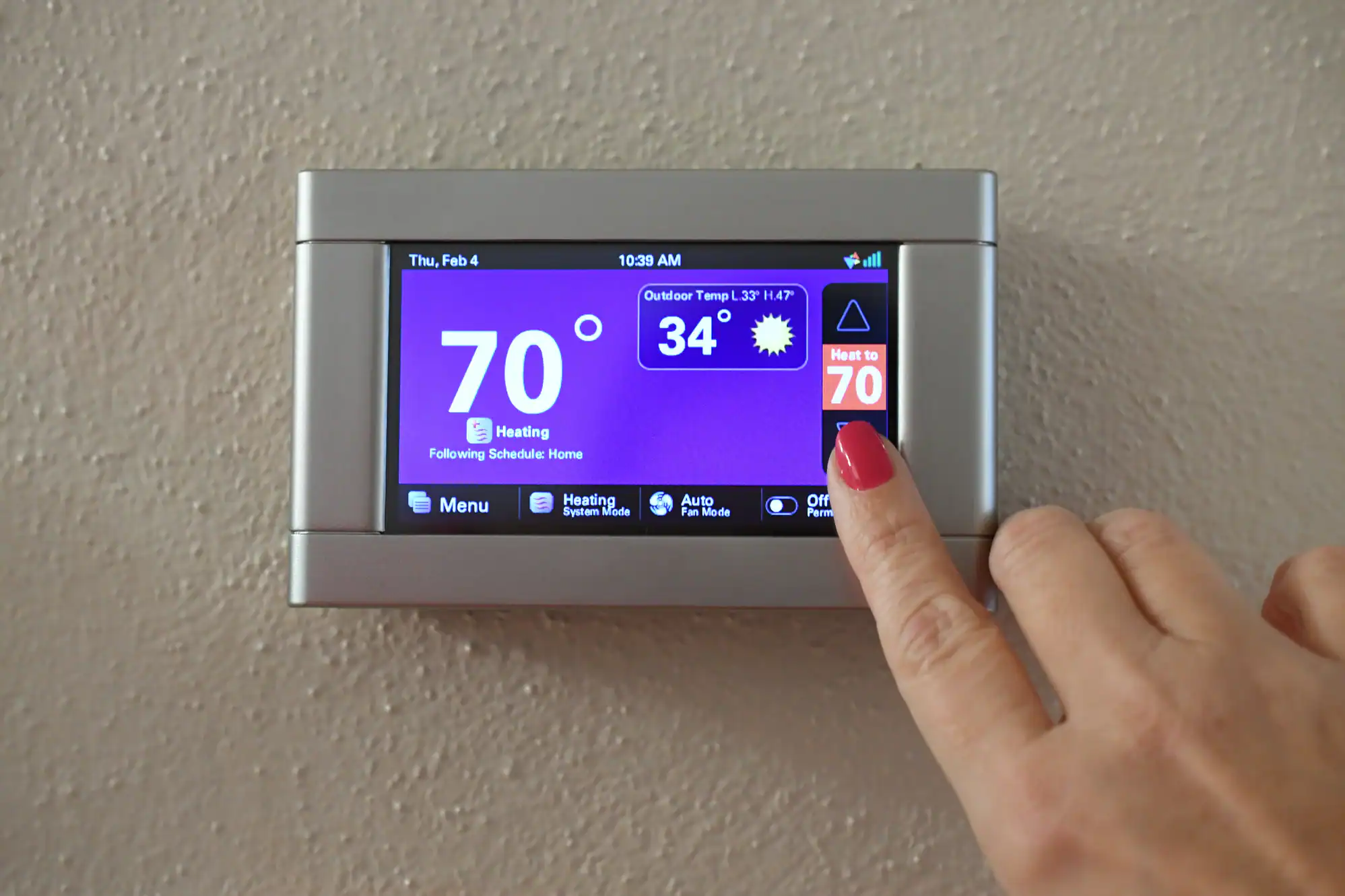
Thermostat issues usually fall in the $200-$350 range for programmable models. Basic units cost $100-$180. Blower motor problems average $350-$500 and typically need same-day attention to restore airflow throughout your home.
San Mateo’s coastal environment creates specific problems you won’t see inland. Salt air and fog cause buildup on coils that reduces efficiency by 15-25% and forces your system to work harder. Professional coil cleaning costs $75-$400 depending on accessibility, but neglecting it leads to compressor damage that costs ten times more to fix.
When your AC fails matters almost as much as what’s broken. Emergency calls during summer heat waves cost 20-30% more than scheduled spring maintenance visits. That $400 repair during normal hours becomes $500-$520 as an emergency service, and the premium climbs higher on weekends or holidays.
Summer demand drives prices up across San Mateo County. June through September, when everyone’s calling for help, technicians are stretched thin. The cheapest estimate doesn’t help if the contractor can’t start work for two weeks while you’re sweating through 90-degree days.
Weekend and evening calls almost always carry premium pricing. After-hours service typically adds $100-$250 above standard rates. Some companies charge double or triple their normal hourly rate for emergency calls. Holiday surcharges push costs even higher.
Scheduling repairs during off-peak times saves real money. Spring maintenance visits in March or April catch problems when they’re less expensive to fix. A wearing capacitor identified during a $150 tune-up gets replaced before it fails completely during a July heat wave, saving you the emergency service premium plus the inconvenience of going without AC.
The pattern repeats every year. Homeowners who schedule preventive service pay less overall than those who wait for emergency breakdowns. It’s not just the lower service rates—early detection means fixing small problems before they damage other components and multiply your costs.
Get a Free Quote!
Connect with a Eco Air Cooling and Heating expert for fast, friendly support.
Preventive maintenance costs significantly less than reactive repairs, yet most San Mateo homeowners skip it until something breaks. Annual AC tune-ups run $60-$200 depending on your system size and type. Comprehensive maintenance plans covering year-round service cost $120-$360 annually.
Those numbers look small compared to emergency repair costs. A poorly maintained system can increase your energy bills by 15-30%—that’s an extra $360-$720 per year for a typical San Mateo home. Over ten years, you’re looking at $3,600 to $7,200 in wasted electricity.
Well-maintained systems operate at 95% efficiency. Neglected systems drop to 60-70% efficiency within just a few years. That efficiency gap shows up every month in your PG&E bill, and it compounds over time as components work harder to deliver the same cooling.
Professional AC cleaning service addresses problems before they require expensive repairs. Coil cleaning costs $75-$400 depending on whether you’re cleaning condenser coils, evaporator coils, or both. In San Mateo’s coastal climate, this service matters more than inland areas because salt air and fog create buildup that reduces efficiency and damages components.
Dirty coils force your system to work harder. Your compressor runs longer cycles to achieve the same cooling, driving up energy bills and wearing out faster. The buildup acts like insulation, preventing proper heat transfer and making your AC struggle to keep your home comfortable.
Regular cleaning prevents compressor damage that costs $800-$1,200 to fix. Spending $150-$200 annually on coil cleaning prevents repairs that cost five to eight times more. The investment pays for itself through lower energy bills and fewer component failures.
Full system cleaning runs $182-$464 and includes coils, blower components, and drain lines. This comprehensive service catches issues like clogged condensate drains that cause water damage and mold problems. In San Mateo’s humid coastal environment, condensate drain cleaning is particularly important and typically costs $75-$250 as a standalone service.
The preventive approach saves money long-term. Proper maintenance eliminates 80% of emergency repairs before they happen—that’s four out of five breakdowns prevented through regular service. Your system lasts longer too. Well-maintained units run 15-20 years versus 10-12 years for neglected systems.
AC cleaning service also maintains warranty coverage. Many manufacturers require documented annual maintenance to honor warranty claims. Skip service and you might void coverage on expensive components like heat exchangers or compressors, leaving you paying full price for repairs that should have been covered.
The cost-benefit analysis favors maintenance in almost every scenario. A $150 annual tune-up that catches a small refrigerant leak early costs far less than the $600 repair you’ll face after months of worsening damage. Small problems caught during routine inspection stay small and inexpensive to address.
Energy savings alone justify maintenance costs. A system running 20% less efficiently due to dirty coils and low refrigerant costs an extra $30-$60 per month in electricity. Annual maintenance that costs $150-$200 pays for itself through lower utility bills while preventing expensive breakdowns.
San Mateo’s climate creates specific maintenance needs that amplify these savings. The marine layer keeps mornings cool, then afternoon temperatures spike into the 80s and 90s. These temperature swings stress components in ways that steady climates don’t. Your system cycles on and off more frequently, and each cycle creates wear on electrical components and mechanical parts.
Maintenance plans often include priority service during emergencies. When temperatures soar and every HVAC company is booked solid, plan members get scheduled within 24 hours versus 2-3 weeks for non-members. That priority access has real value during San Mateo’s occasional heat waves when going without AC isn’t just uncomfortable—it’s potentially dangerous for seniors and those with health conditions.
The hidden cost of skipping maintenance is cascading failures. A dirty filter you didn’t replace restricts airflow, causing the evaporator coil to freeze. The frozen coil leads to liquid refrigerant reaching the compressor, which damages internal components. What started as a $15 filter replacement becomes an $800 compressor repair because the small problem wasn’t caught early. Each component failure creates stress on other parts, multiplying your eventual repair costs.
Maintenance also catches problems that don’t show obvious symptoms. Electrical connections loosen over time. Refrigerant levels drop slowly through microscopic leaks. Blower motors start drawing more current as bearings wear. None of these issues cause immediate failure, but they reduce efficiency and set the stage for expensive breakdowns. Regular service identifies these developing problems while they’re still cheap to fix.
Understanding AC repair costs helps you make confident decisions when your cooling system needs attention. Simple repairs like capacitors typically cost $150-$300, while major component replacements can run $400-$800 or more. Factor in your system’s age, San Mateo’s high energy costs, and your long-term plans when deciding between repair and replacement.
Preventive maintenance offers the best value for most homeowners. Annual service costs $150-$200 but prevents expensive emergency repairs and keeps your system running efficiently. The investment pays for itself through lower energy bills and fewer unexpected breakdowns.
When you need honest guidance on AC repair costs or help deciding whether your aging system deserves another repair, we’ve been providing transparent pricing and experienced service to San Mateo County homeowners for 40 years at Eco Air Home Services LLC.
Summary:
Article details:
Share: