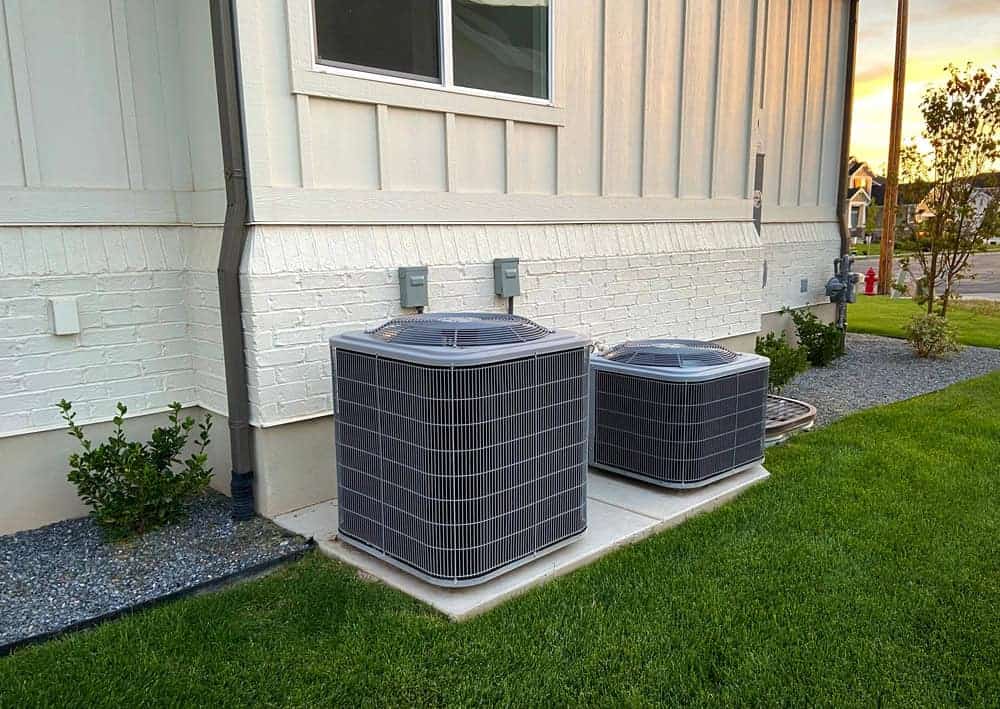
Variable speed technology makes heat pumps 3x more efficient while running whisper-quiet, perfect for San Mateo's climate and discerning homeowners.
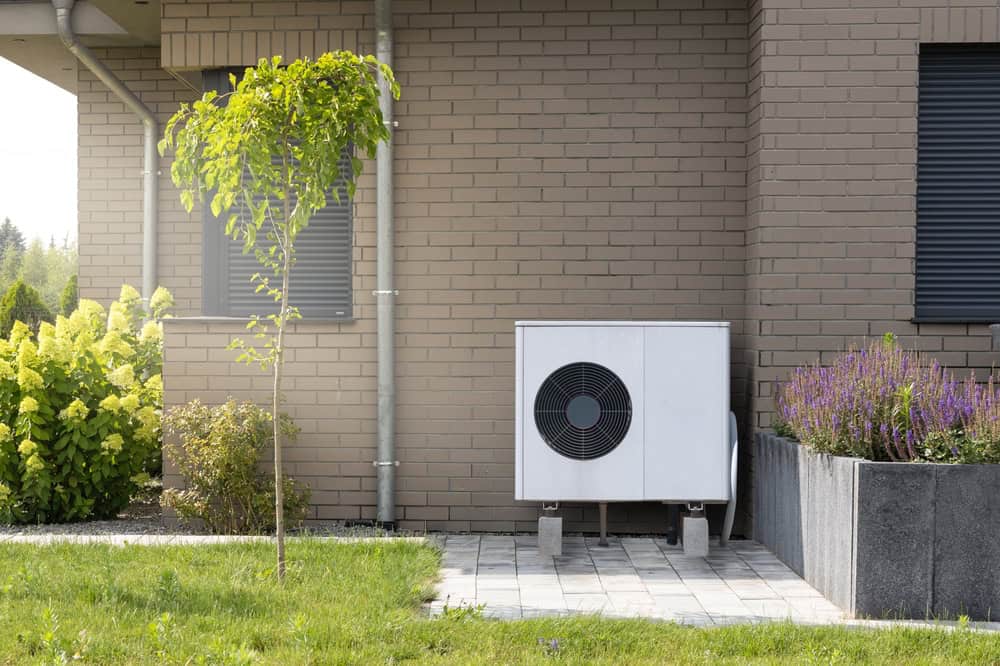
Variable speed heat pumps use inverter-driven compressors that can adjust their operating speed anywhere from 30% to 100% capacity. Think of it like cruise control for your HVAC system. Instead of slamming on the gas pedal every time your system kicks on, variable speed technology modulates power to match exactly what your home needs at any given moment.
Traditional heat pumps operate like a light switch—they’re either completely on or completely off. When your thermostat calls for heating or cooling, the system fires up at full blast until it reaches the set temperature, then shuts off entirely. This constant cycling wastes energy and creates those temperature swings you’ve probably noticed.
Variable speed systems take a smarter approach. They start up gently and find the perfect operating speed to maintain your desired temperature. When demand is low, they run at lower speeds. When you need more heating or cooling, they ramp up gradually. This continuous operation at optimal levels is what makes them both more efficient and significantly quieter than conventional systems.
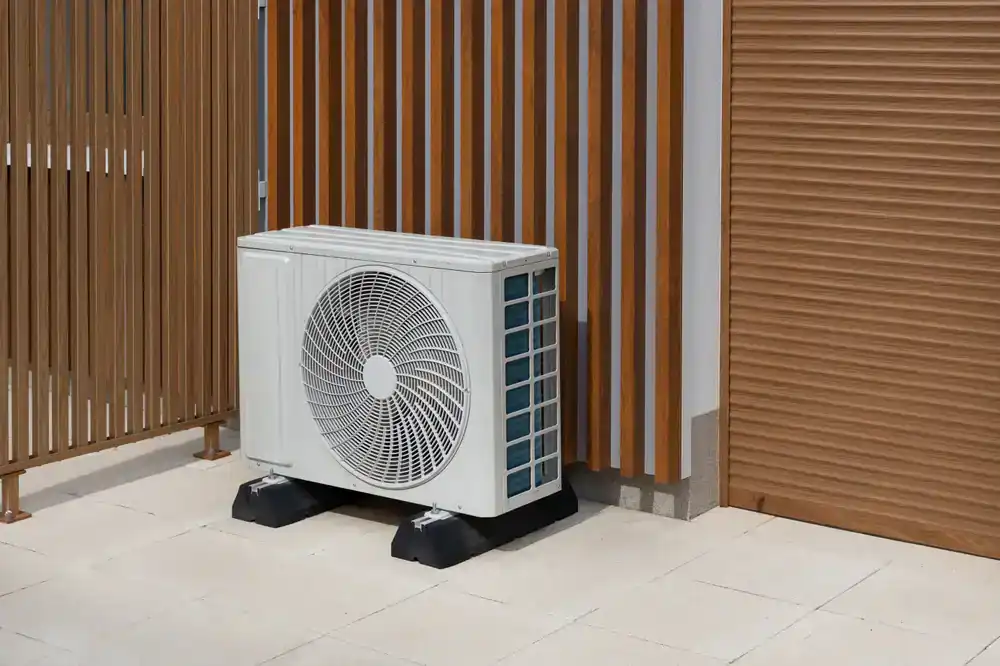
The efficiency advantage of variable speed heat pumps comes down to how they handle the workload. Traditional systems consume the most energy during startup—that moment when the compressor kicks on and has to work hardest to get going. Since conventional heat pumps cycle on and off repeatedly throughout the day, they’re constantly going through these energy-intensive startup sequences.
Variable speed systems eliminate most of these startup cycles by running continuously at lower speeds. This means they avoid the energy penalty that comes with frequent starts and stops. The result? These systems often perform 68% more efficiently than their official efficiency ratings suggest.
Here’s what that means in real terms: a variable speed heat pump with a Coefficient of Performance (CoP) of 3-5 produces three to five kilowatts of heat for every kilowatt of electricity it consumes. Compare that to even the most efficient gas furnaces, which max out at about 95% efficiency, and you’re looking at roughly three times better performance.
For San Mateo homeowners, this translates to 40-60% reductions in heating and cooling costs within the first month of operation. Many homeowners recover their initial investment through energy savings alone within 3-5 years, making variable speed technology not just an upgrade, but a smart financial decision.
The mild Bay Area climate works perfectly with this technology. Unlike harsh winter regions where heat pumps struggle, San Mateo’s moderate temperatures allow variable speed systems to operate in their sweet spot year-round, maximizing both efficiency and savings.
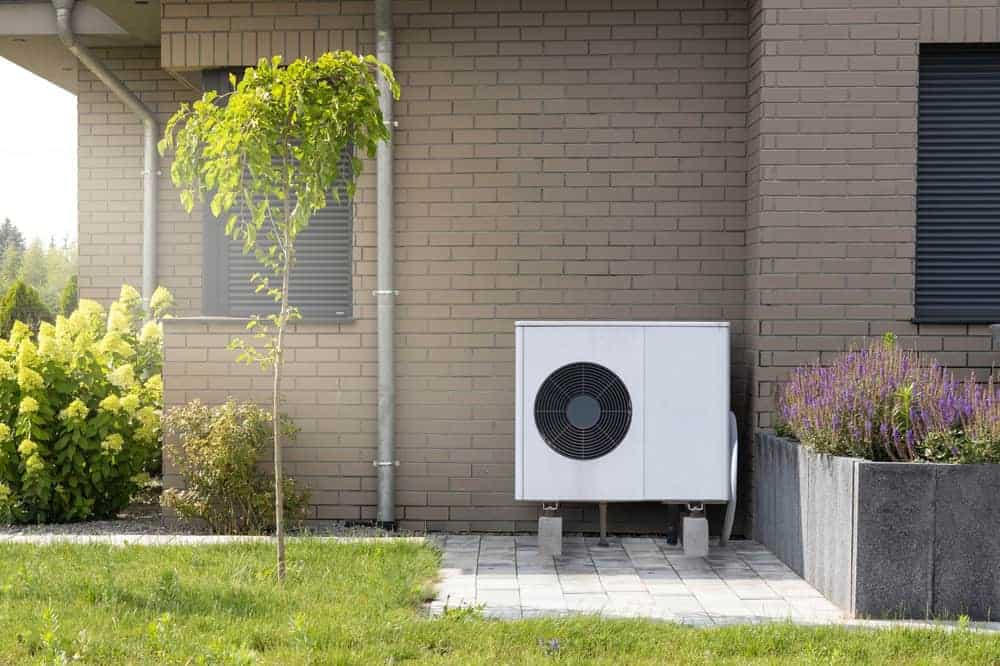
One of the most noticeable benefits of variable speed heat pumps is how quiet they run. This isn’t just a nice bonus—it’s a direct result of how the technology works.
Traditional heat pumps create noise in two ways: the initial startup surge when the compressor kicks on, and the high-speed operation needed to quickly heat or cool your space. Since these systems run at full capacity whenever they’re on, they’re naturally louder during operation.
Variable speed systems eliminate both noise sources. Because they start up gradually rather than with a sudden jolt, there’s no jarring startup sound. More importantly, they spend most of their time running at lower speeds—typically 25-50% capacity during moderate weather conditions.
Lower operating speeds mean less mechanical stress, reduced vibration, and significantly less noise. Many homeowners report that they can’t even tell when their variable speed heat pump is running, especially compared to their old system.
This quiet operation is particularly valuable for San Mateo homeowners who work from home or have bedrooms near their outdoor units. You get consistent comfort without the audio interruptions that come with traditional cycling systems.
The continuous, gentle operation also means less wear and tear on components. Fewer start-stop cycles translate to longer equipment life and fewer repair calls over time. You’re not just getting a quieter system—you’re getting one that’s built to last longer with less maintenance.
Get a Free Quote!
Connect with a Eco Air Cooling and Heating expert for fast, friendly support.
Getting the most efficient heat pump installation isn’t just about buying the right equipment—it’s about proper sizing, installation, and integration with your home’s specific conditions. San Mateo County’s coastal climate and housing characteristics create unique opportunities and challenges that require local expertise.
Professional load calculations are essential for variable speed systems to perform at their peak efficiency. Unlike traditional systems where slight oversizing might be acceptable, variable speed heat pumps need precise sizing to operate in their optimal efficiency range. An oversized system won’t run long enough to reach its most efficient operating speeds, while an undersized system will struggle to maintain comfort.
San Mateo’s mild climate is actually ideal for maximizing heat pump efficiency. The moderate temperatures mean your system rarely has to work at maximum capacity, allowing variable speed technology to operate in its most efficient range most of the time. This is why local homeowners often see efficiency performance that exceeds manufacturer specifications.

Most efficient heat pump installations in San Mateo require careful attention to electrical requirements. Variable speed heat pumps typically need 200-amp electrical service, while many older San Mateo homes have 100-amp panels. This isn’t necessarily a drawback—it’s an investment in your home’s future infrastructure.
Panel upgrades add $2,000-$4,000 to project costs but are necessary for safe, code-compliant operation. Consider this timing fortunate: California will phase out gas water heaters and furnaces starting in 2030, so you’ll need additional electrical capacity for future appliances anyway. Upgrading now while rebates and incentives are available makes smart financial sense.
The installation process typically takes 6-8 hours for a complete system replacement, or 1-2 days if electrical upgrades are needed. Professional installers handle all permits and inspections—typically $250-$400 in San Mateo County—ensuring your installation meets local codes and safety standards.
Proper ductwork evaluation is crucial for efficiency. Existing ductwork may need sealing or modifications to handle the precise airflow requirements of variable speed systems. In some cases, ductless mini-split configurations offer better efficiency and easier installation, especially in homes without existing ductwork.
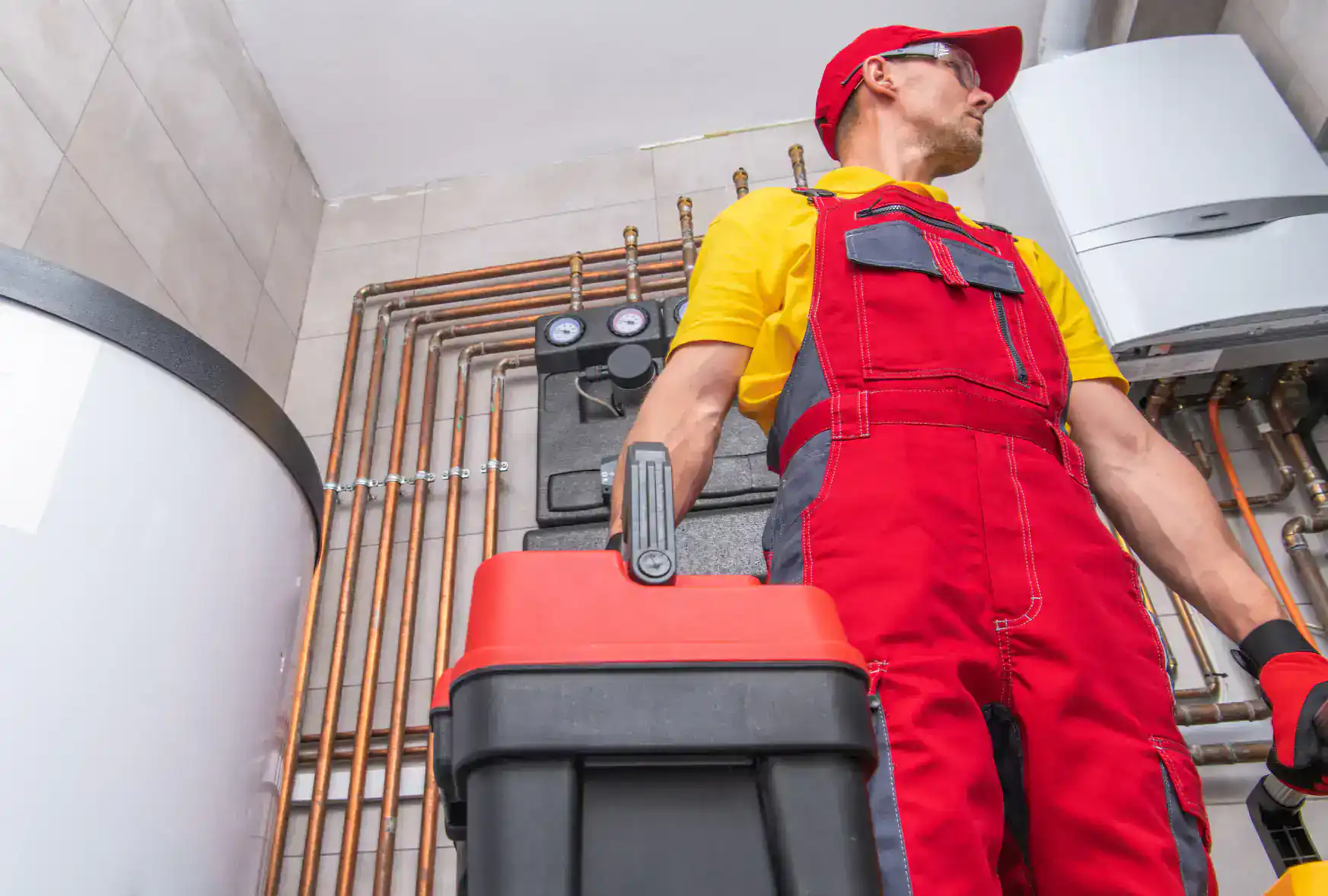
Quality installation includes proper refrigerant charging, electrical connections, and system commissioning to ensure your variable speed heat pump operates at peak efficiency from day one. This attention to detail is what separates the most efficient installations from merely adequate ones.
The financial incentives available for efficient heat pump installation in San Mateo County are substantial and designed to stack together for maximum savings. Federal tax credits cover 30% of your total installation cost, up to $2,000 per year. California’s TECH Clean California program provides $1,000 rebates, while San Mateo County offers an additional $2,500 rebate through Peninsula Clean Energy.
These incentives can be combined, meaning some homeowners receive over $10,000 in total rebates and credits. For a typical $12,000-$15,000 variable speed heat pump installation, rebates often cover 60-80% of the total cost, making the upgrade surprisingly affordable.
The key is working with contractors who participate in these rebate programs. Not all HVAC companies are enrolled in programs like TECH Clean California, so choosing the right installer affects your ability to access these savings.
Timing matters for maximizing incentives. Federal tax credits are currently set to expire at the end of 2032, while state and local rebate programs operate on a first-come, first-served basis with limited funding. Current market conditions and available incentives make this an optimal time for efficient heat pump installation.
Beyond rebates, the long-term savings are substantial. Most San Mateo homeowners see energy bill reductions of 40-60% within the first month, with total savings often exceeding $2,000 annually. Combined with available incentives, variable speed heat pump installation often pays for itself within 3-5 years while providing 15-20 years of efficient operation.
Variable speed technology delivers its promised efficiency and quiet operation only when properly installed by experienced professionals. The precision required for optimal performance means contractor selection is just as important as equipment choice.
Look for contractors with specific experience in variable speed systems and local climate expertise. San Mateo’s coastal conditions create unique challenges—from salt air exposure to specific permitting requirements—that require local knowledge and experience.
The most efficient installations come from contractors who perform proper load calculations, understand electrical requirements, and participate in rebate programs that maximize your savings. We handle all permits and inspections while providing transparent, upfront pricing with no surprises.
When you’re ready to experience the efficiency and quiet comfort of variable speed technology, we’re here to help. With four decades of experience serving San Mateo County, we understand exactly what it takes to deliver installations that perform as promised while maximizing your available incentives.
Summary:
Article details:
Share: