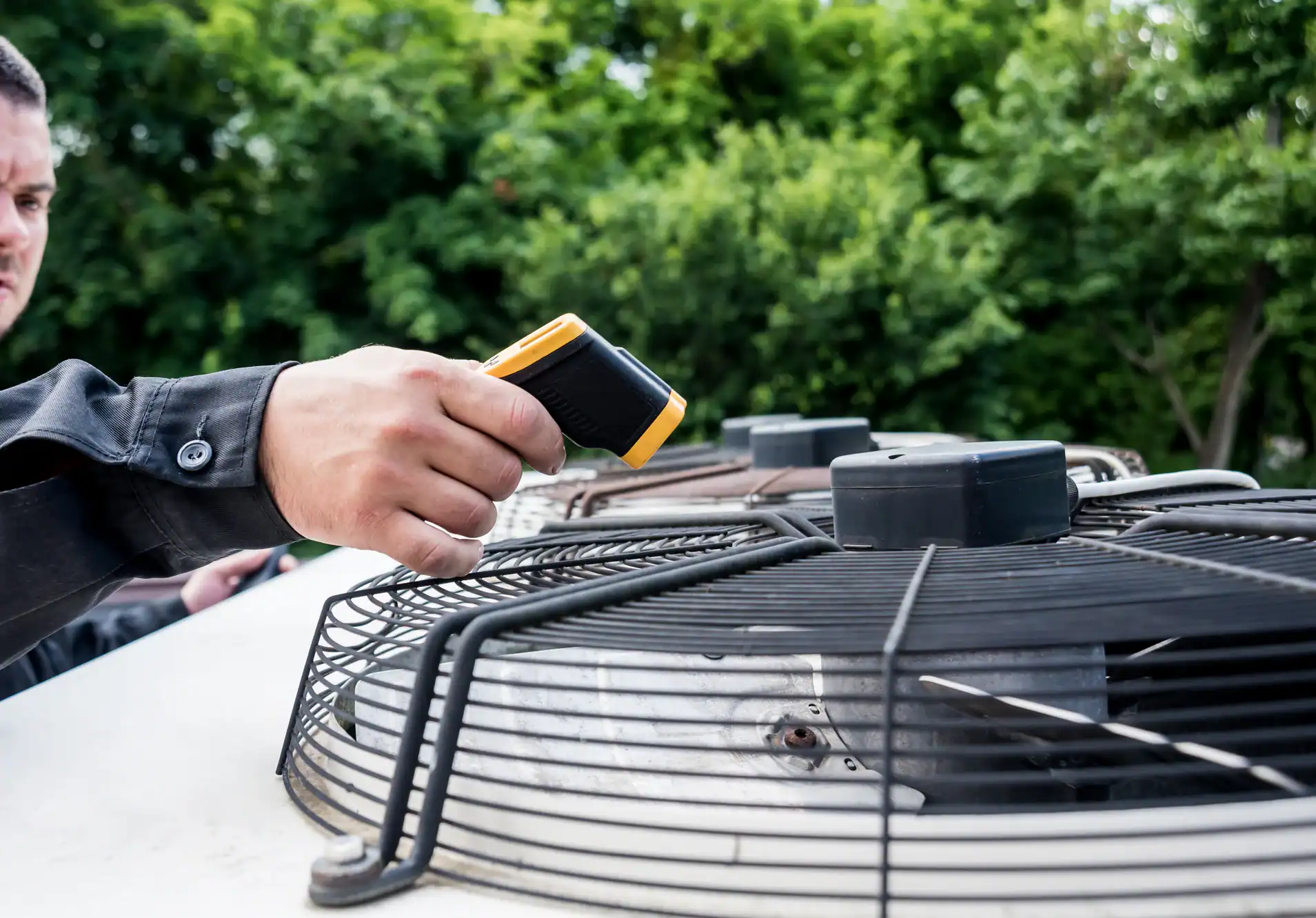
Living in San Mateo County means dealing with marine layer fog and salt air that can corrode your HVAC system twice as fast as inland areas.
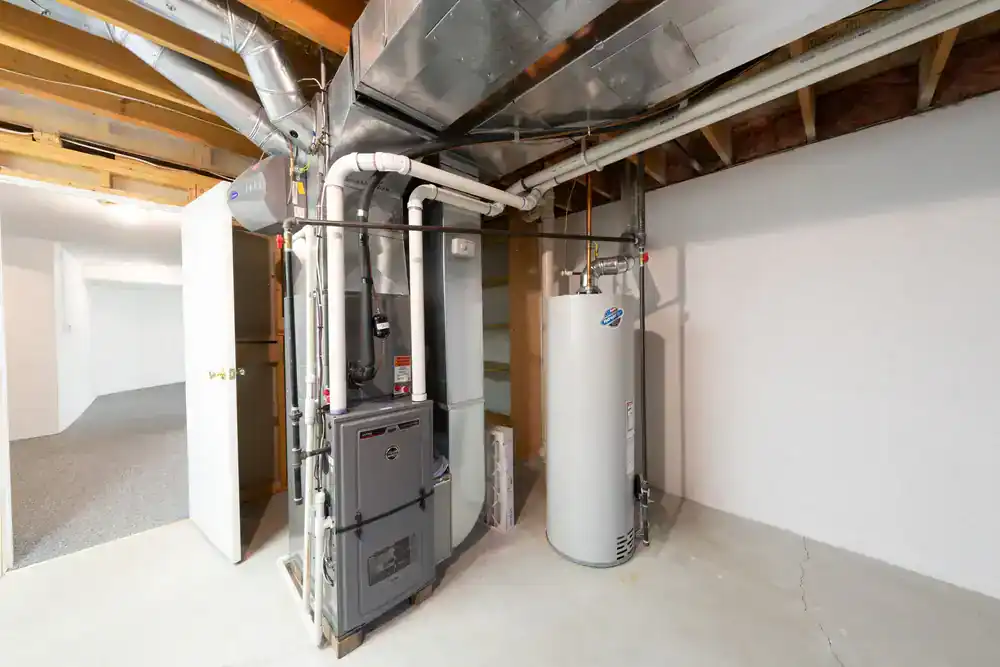
San Mateo County sits in a unique microclimate zone where the Pacific Ocean’s influence is constant. The marine layer—that blanket of cool, moist air that rolls in most evenings—doesn’t just keep temperatures mild. It carries microscopic salt particles that settle on every outdoor surface, including your AC condenser unit.
Standard HVAC equipment wasn’t designed for this. The metal coils, fasteners, and electrical connections in most residential units work fine in dry inland climates. But when salt particles land on these components, they attract moisture from the humid air and create the perfect conditions for accelerated corrosion. This isn’t the slow rust you might see on a car in the Midwest. Coastal corrosion happens roughly twice as fast as normal oxidation, turning protective coatings into flaking metal in a fraction of the expected lifespan.
The fog patterns make it worse. San Mateo experiences marine layer conditions most evenings from late spring through early fall, meaning your outdoor unit gets coated in salt-laden moisture repeatedly throughout the year. Even if you live a few miles from the actual coastline, ocean winds carry these particles inland through gaps in the coastal mountains, affecting neighborhoods throughout the county.
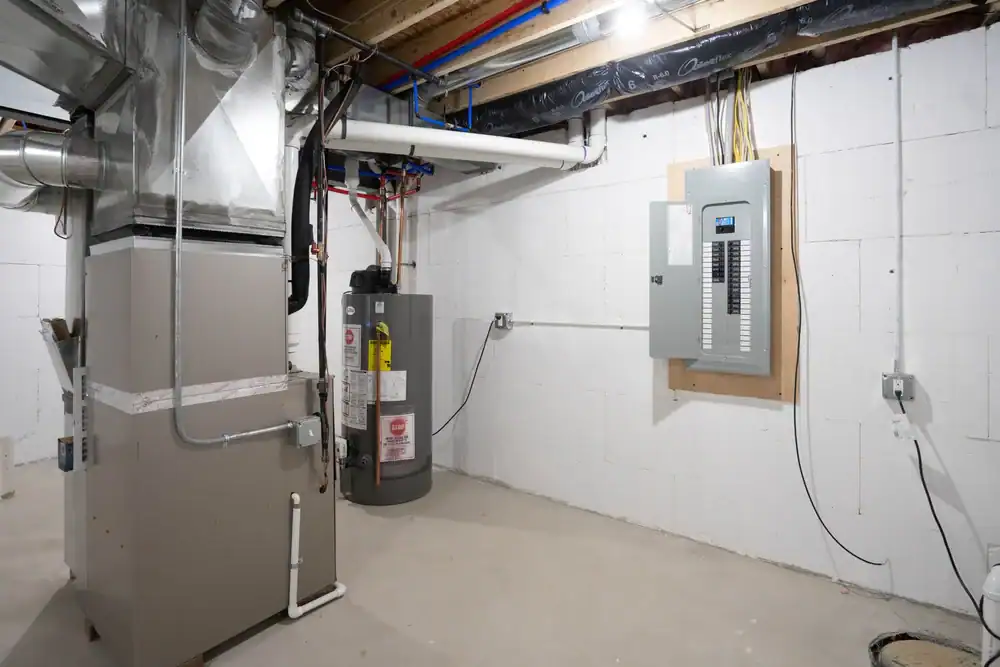
Most homeowners don’t realize their system is corroding until it’s too late. The damage starts where you can’t easily see it—inside the condenser coil fins and along the copper tubing connections. By the time you notice visible rust on the cabinet or mounting brackets, the internal components have already been compromised.
Early signs include white or greenish deposits forming around the outdoor unit’s base. That’s not dirt—it’s salt buildup mixed with corrosion byproducts. You might also notice the aluminum fins on your condenser coils developing a chalky white coating or starting to pit. These fins are supposed to be smooth and uniform, allowing air to flow freely. When they corrode, airflow gets restricted, forcing your system to work harder and use more energy.
The condenser coils themselves are particularly vulnerable. These coils contain refrigerant and are responsible for releasing heat from your home to the outside air. When salt air causes the coil material to deteriorate, small holes can develop, leading to refrigerant leaks. Once refrigerant escapes, your AC can’t cool properly, and you’re looking at an expensive repair—or in many cases, a full system replacement because the coil damage is too extensive to fix economically.
Electrical components fail faster too. Salt accelerates corrosion on contactors, capacitors, and wiring connections. These failures often happen suddenly—your system was working fine yesterday, and today it won’t turn on at all. That’s because corroded electrical connections eventually lose continuity or short circuit completely. In San Mateo’s coastal environment, these electrical failures happen years earlier than they would inland, catching homeowners off guard who thought their relatively new system should last longer.
The compressor, which is the heart of your AC system, also suffers. While the compressor itself is sealed, the external components that support it—mounting bolts, electrical connections, and the surrounding cabinet—all corrode. When mounting hardware weakens, the compressor can vibrate excessively, leading to premature wear and eventual failure. This is why coastal HVAC systems often need replacement after 8-10 years instead of the typical 15-20 year lifespan you’d expect inland.
Walk into any big-box store and you’ll find plenty of HVAC equipment for sale. The problem is, almost none of it is designed for coastal conditions. Standard residential units use copper coils with basic protective coatings that work fine in most of California—just not in San Mateo County.
The materials matter more than most people realize. Copper conducts heat efficiently, which is why it’s the default choice for HVAC coils. But copper is also highly susceptible to salt corrosion. When salt particles land on copper coils in a humid environment, they create an electrochemical reaction that breaks down the metal. The standard factory coating on these coils provides some protection, but it’s designed for normal atmospheric conditions, not the persistent salt exposure you get near the coast.
Aluminum coils resist corrosion better than copper, but they’re less common in standard equipment because they don’t transfer heat quite as efficiently. Some manufacturers offer hybrid designs that use aluminum for the exposed portions and copper for the internal connections, trying to balance corrosion resistance with performance. But these hybrid systems cost more, so most standard equipment doesn’t include them.
The cabinet and mounting hardware on standard units present another problem. Steel screws, bolts, and brackets rust quickly in coastal air. Even galvanized steel, which has a zinc coating for protection, eventually fails when exposed to constant salt moisture. You’ll see this in San Mateo homes where the outdoor unit’s cabinet has rust streaks running down the sides, or where the mounting pad has corroded to the point where the unit isn’t sitting level anymore.
Manufacturers know about coastal corrosion, which is why some offer “coastal packages” or “coastal-grade” units. These systems use different materials—stainless steel fasteners, thicker protective coatings, aluminum coils, and sometimes factory-applied corrosion inhibitors. The difference in lifespan is significant. A standard unit might last 7-8 years in San Mateo before major corrosion issues appear. A properly specified coastal unit can last 12-15 years or longer with appropriate maintenance.
But here’s what most homeowners don’t know: not all HVAC contractors stock or recommend coastal-grade equipment. Some don’t even know it exists. Others avoid it because it costs more upfront, and they assume customers will choose the cheaper option. This is where local experience becomes critical. A contractor who’s been working in San Mateo County for decades understands that recommending standard equipment is actually doing the customer a disservice. The money you save initially gets eaten up by premature replacements and frequent repairs.
Installation practices matter just as much as equipment selection. Even a coastal-grade unit will fail prematurely if it’s installed incorrectly. The outdoor unit needs proper drainage so salt-laden water doesn’t pool around the base. It should be positioned away from direct ocean wind exposure when possible, and definitely not installed where sprinklers will constantly spray it. Electrical connections need to be sealed properly to prevent moisture intrusion. These installation details separate contractors who understand coastal conditions from those who just follow the standard manual.
Get a Free Quote!
Connect with a Eco Air Cooling and Heating expert for fast, friendly support.
Maintenance for coastal HVAC systems isn’t the same as maintenance for inland systems. The standard once-a-year tune-up that works fine in Sacramento or Fresno won’t cut it in San Mateo. Coastal systems need more frequent attention because the corrosive environment accelerates wear on every component.
Twice-yearly maintenance visits are the baseline for San Mateo County homes. Spring and fall check-ups allow our technicians to catch corrosion early, before it causes system failures. During these visits, the focus should be on salt removal and corrosion prevention, not just the standard filter change and refrigerant check that most tune-ups include.
Coil cleaning is particularly important. The condenser coils on your outdoor unit collect salt deposits that restrict airflow and trap moisture against the metal. Professional coil cleaning involves more than just spraying water on the unit. We use specialized cleaners that dissolve salt buildup without damaging the coil fins. This process should happen at least once a year, and twice a year if you’re within a mile of the coast or in an area with heavy fog exposure.
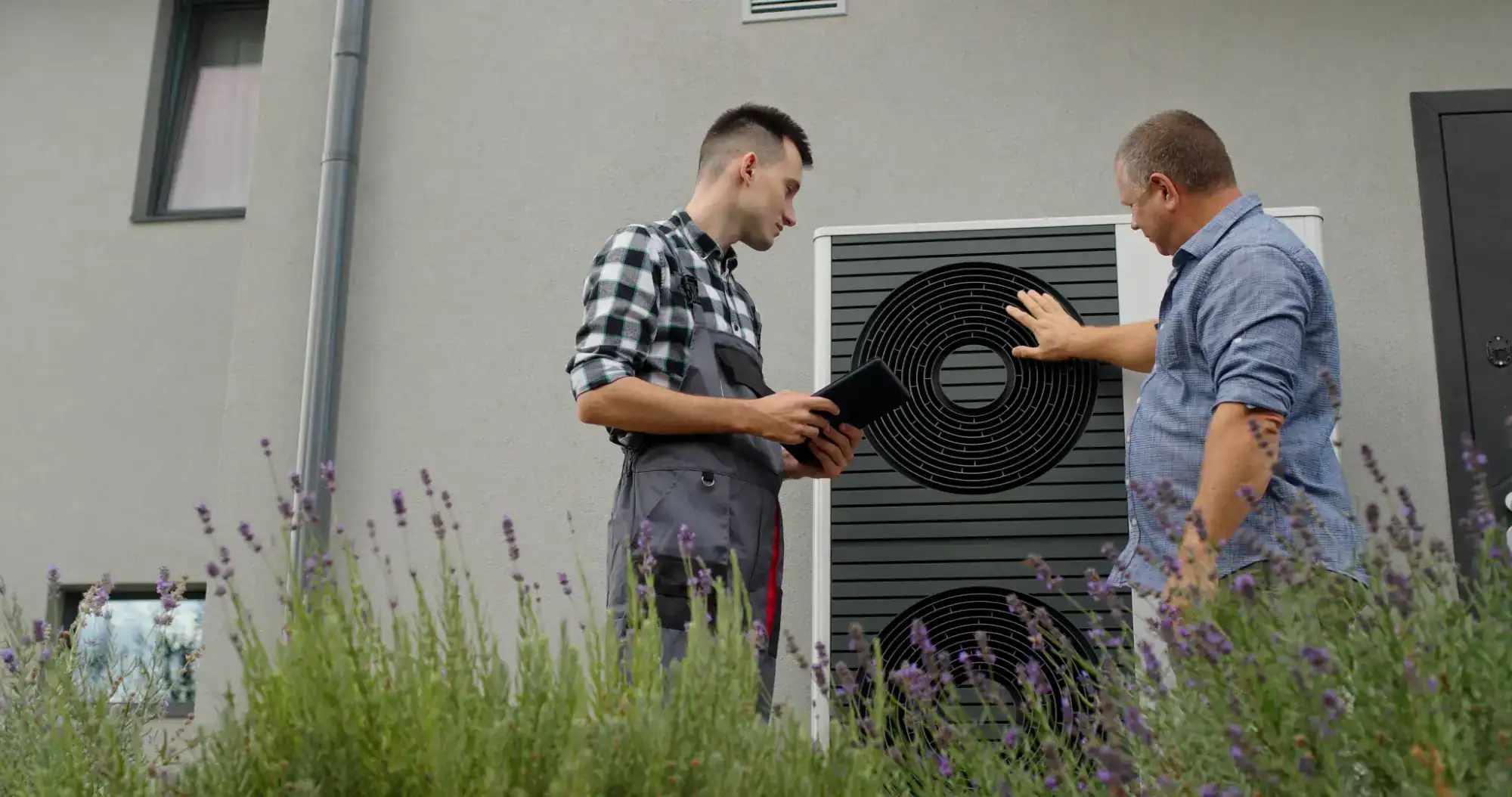
A proper coastal maintenance visit looks different from a standard tune-up. Our technicians start by inspecting all visible metal surfaces for corrosion—not just the obvious spots, but also the areas where different metals meet, since galvanic corrosion happens faster at these connection points.
The condenser coils need a thorough cleaning with products specifically designed to remove salt deposits. Plain water helps, but it won’t dissolve the mineral buildup that accumulates over time. The coil fins should be checked for damage and straightened if necessary, since bent fins reduce airflow and make the system work harder. After cleaning, we can apply a protective coating to the coils. This coating creates a barrier between the metal and the salt air, extending the time before corrosion damage appears.
Electrical connections require special attention in coastal areas. Salt causes corrosion on terminals and wiring connections, creating resistance that makes the system work less efficiently and can eventually cause failures. During maintenance, these connections should be inspected, cleaned if necessary, and treated with a corrosion inhibitor. Contactors and capacitors—components that fail frequently in coastal environments—should be tested to make sure they’re operating within specifications.
The condensate drain system needs checking too. San Mateo’s humidity means your AC produces more condensation than it would in a drier climate. If the drain line gets clogged with algae or debris, water backs up and can damage the indoor components. In coastal areas, this moisture problem is compounded by the salt air, which encourages mold and mildew growth. A proper maintenance visit includes cleaning the condensate drain and treating it to prevent biological growth.
Refrigerant levels should be checked, but more importantly, we look for signs of leaks. Small holes in corroded coils often cause slow refrigerant leaks that gradually reduce system performance. Catching these leaks early means you might be able to repair the coil instead of replacing the entire system. Once corrosion has created multiple leak points, though, repair becomes impractical.
The outdoor unit’s cabinet and mounting hardware deserve attention during every visit. Rust on steel components should be addressed before it spreads. Sometimes this means replacing corroded screws and bolts with stainless steel versions that resist coastal corrosion better. The mounting pad should be checked to make sure it’s level and stable—corrosion can weaken concrete pads over time, causing the unit to settle unevenly.
You can find HVAC contractors anywhere, but finding one who truly understands San Mateo County’s specific challenges is different. A contractor from inland areas might be perfectly qualified to install and service HVAC systems, but if they don’t have experience with coastal corrosion, they won’t know what to look for or how to prevent it.
Our local experience means understanding San Mateo’s microclimates. The coastal side of Highway 280 gets more fog and salt exposure than areas closer to the bay. Neighborhoods at higher elevations might avoid the heaviest marine layer but still get salt-laden winds. After working in the area for 40 years, we know these patterns and can adjust recommendations accordingly. We know which streets get hammered by ocean winds and which areas stay relatively protected.
Experience also means having seen the long-term results of different equipment choices and installation practices. After four decades of serving San Mateo County, we know which brands hold up better in coastal conditions. We’ve seen which protective coatings actually work and which ones are marketing hype. We’ve learned that positioning the outdoor unit on the north side of a house, where it gets less direct sun, can extend its lifespan because heat accelerates corrosion. These insights don’t come from reading manuals—they come from decades of callback visits and replacement jobs.
Long-term technicians make a difference too. When the same experienced technicians service your system year after year, they notice subtle changes that indicate developing problems. They remember what your system looked like during the last visit and can spot corrosion that’s progressing faster than normal. This continuity of care catches issues early, before they turn into emergency repairs or premature replacements.
We also understand the permitting and code requirements specific to San Mateo County. We know which equipment qualifies for local rebates and energy efficiency incentives. We’re familiar with the building department’s inspection process and can navigate it smoothly, avoiding delays that might leave you without cooling during a heat wave.
Community investment matters too. We’ve been serving San Mateo County for decades and have a reputation to protect. We’re not going to disappear after the installation or ignore your calls when something goes wrong. We sponsor local events, employ local technicians, and have relationships with local suppliers. This rootedness in the community creates accountability that you don’t get from a company that’s just expanding into the area or working out of a van with no established presence.
The senior population in San Mateo deserves special mention. Older homeowners often face pressure from contractors who use scare tactics or push unnecessary replacements. With decades of experience serving seniors, we know how to communicate honestly without creating panic. We explain what’s actually wrong, what the options are, and what can wait versus what needs immediate attention. We offer senior discounts not as a marketing gimmick but as a genuine recognition that many of our long-term customers are on fixed incomes.
Emergency response capability depends on local presence too. When your AC fails on a 90-degree day, you need a contractor who can respond quickly. As a company that’s based in San Mateo County, with trucks already in the area and parts stocked locally, we can get to you faster than one that has to dispatch from 50 miles away. This responsiveness is especially important for seniors and others who can’t easily tolerate indoor heat.
Living in San Mateo County means accepting that your HVAC system faces environmental challenges that inland homes don’t deal with. Salt air and marine layer fog will corrode standard equipment faster than you expect. But understanding these challenges means you can make informed decisions that protect your investment and avoid the frustration of premature failures.
Coastal-grade equipment costs more upfront, but it lasts longer and requires fewer repairs. Twice-yearly maintenance catches corrosion early, before it causes expensive damage. Working with a contractor who has decades of local experience means getting recommendations based on what actually works in San Mateo’s specific conditions, not just what the equipment manual suggests.
If you’re noticing rust on your outdoor unit, if your energy bills are climbing, or if your system is approaching seven or eight years old, it’s time for an honest assessment from someone who understands coastal HVAC challenges. We’ve been serving San Mateo County since 1985, with the local knowledge and experienced technicians to help you make the right decisions for your home and budget.
Summary:
Article details:
Share: