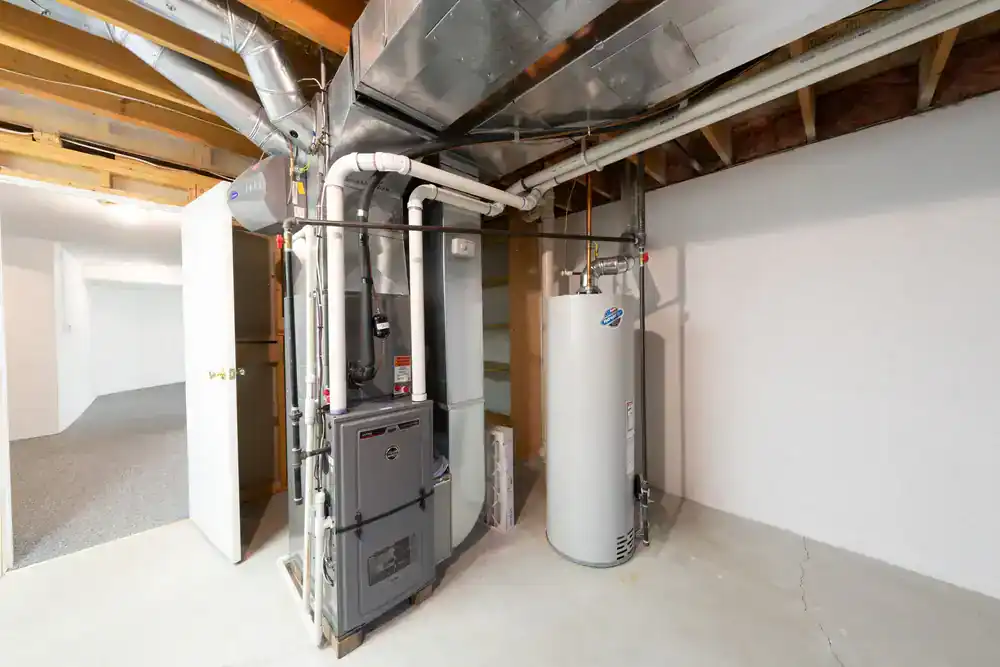
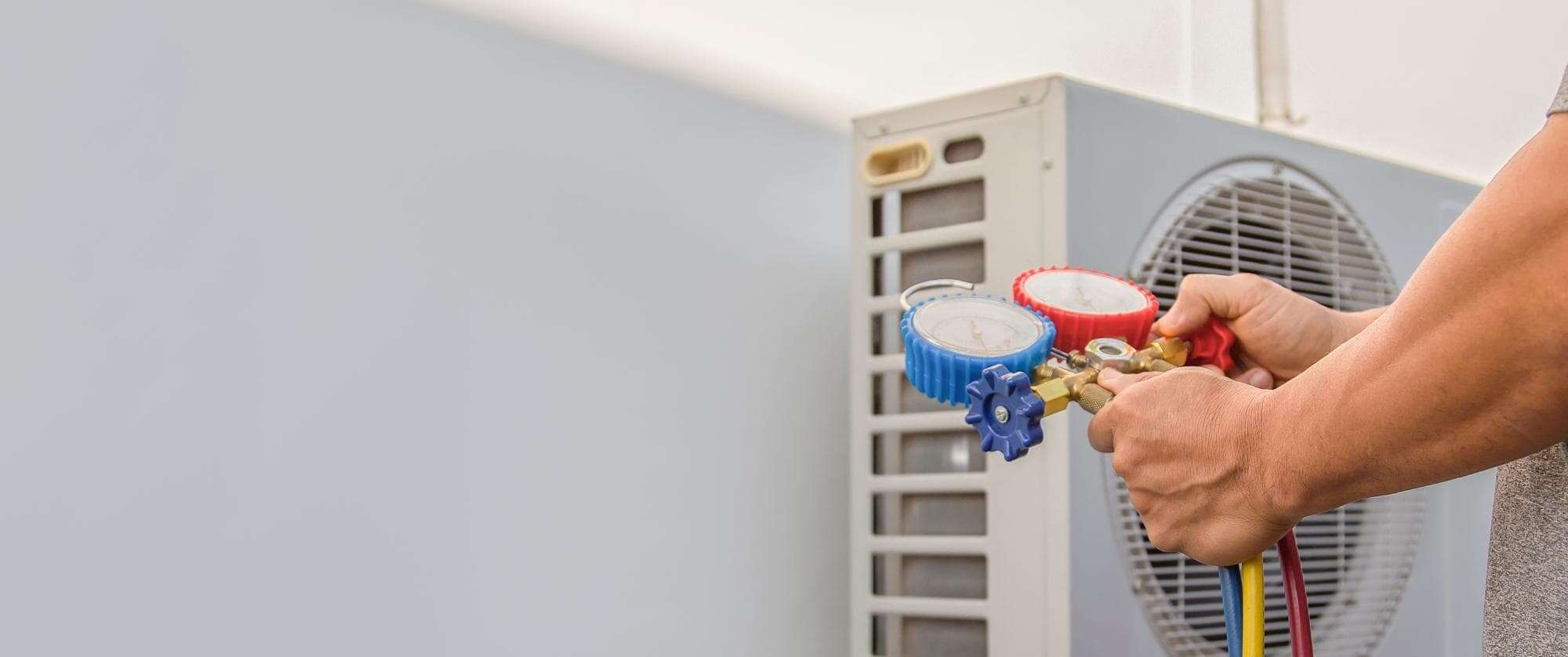
Most San Mateo homeowners wonder how often their HVAC really needs professional service. The answer depends on your system's age, usage, and local climate conditions.
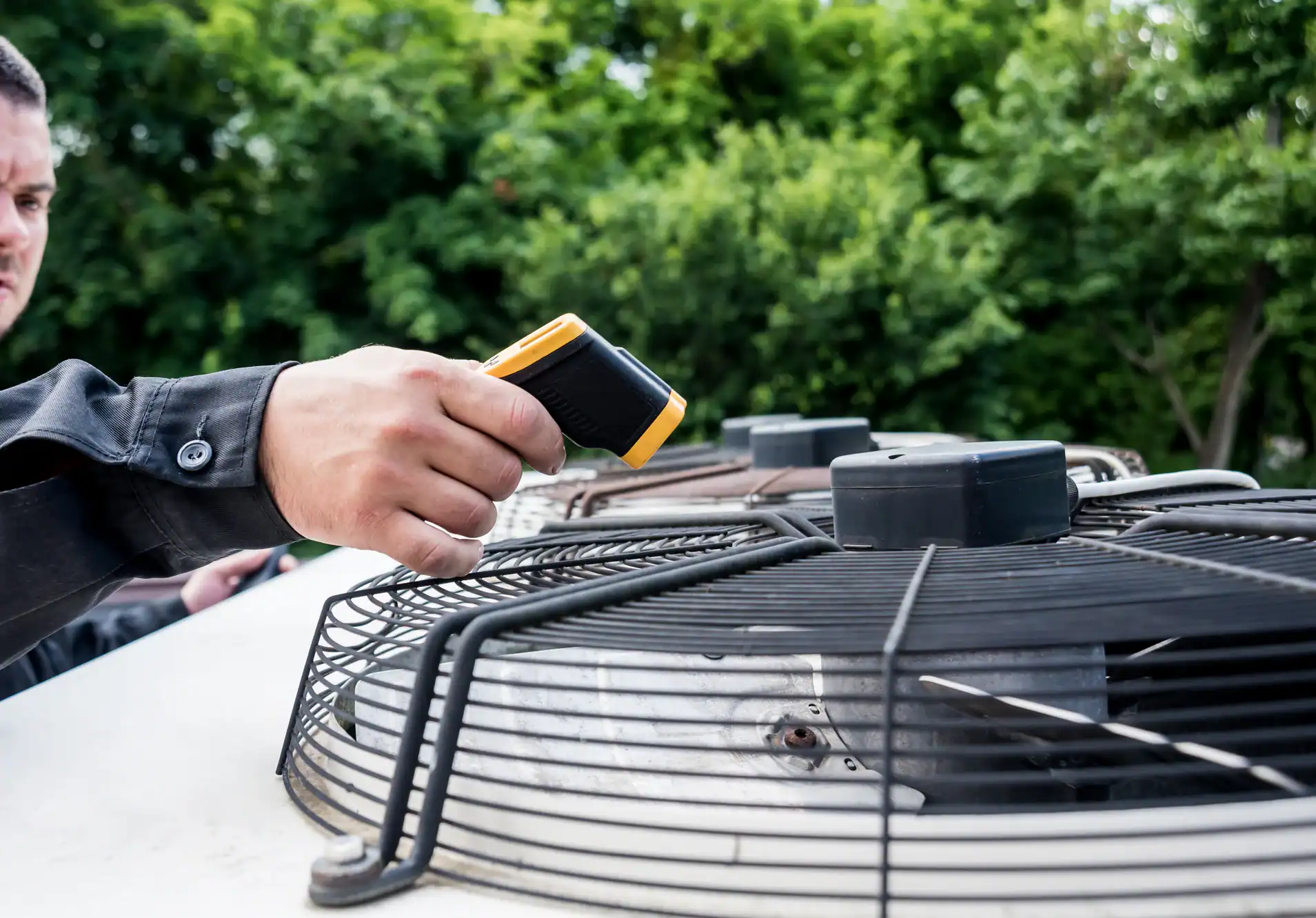
You know your HVAC system needs maintenance. What you probably don’t know is how often, what that service should include, or whether you’re actually getting what you pay for when a technician shows up.
Most San Mateo homeowners wait until something breaks before calling for help. By then, what could have been a simple tune-up has turned into an expensive repair that could have been prevented. The truth is, your system tells you when it needs attention—through rising energy bills, uneven temperatures, or just working harder than it should to keep your home comfortable.
The frequency question doesn’t have a one-size-fits-all answer, but it does have some clear guidelines based on your system’s age, how you use it, and what San Mateo’s coastal climate does to HVAC equipment over time. Let’s walk through what actually matters.
The standard recommendation is twice a year—once before cooling season and once before heating season. That means scheduling service in spring for your air conditioning system and fall for your heating system.
This isn’t arbitrary timing. Your AC works hardest during summer, and your furnace carries the load during winter. Servicing each system right before its heavy-use period catches problems before they turn into breakdowns when you need that equipment most.
Some homeowners get by with annual service, especially if their systems are newer and don’t run constantly. But twice-yearly maintenance gives you better protection against unexpected failures and keeps efficiency higher throughout the year.
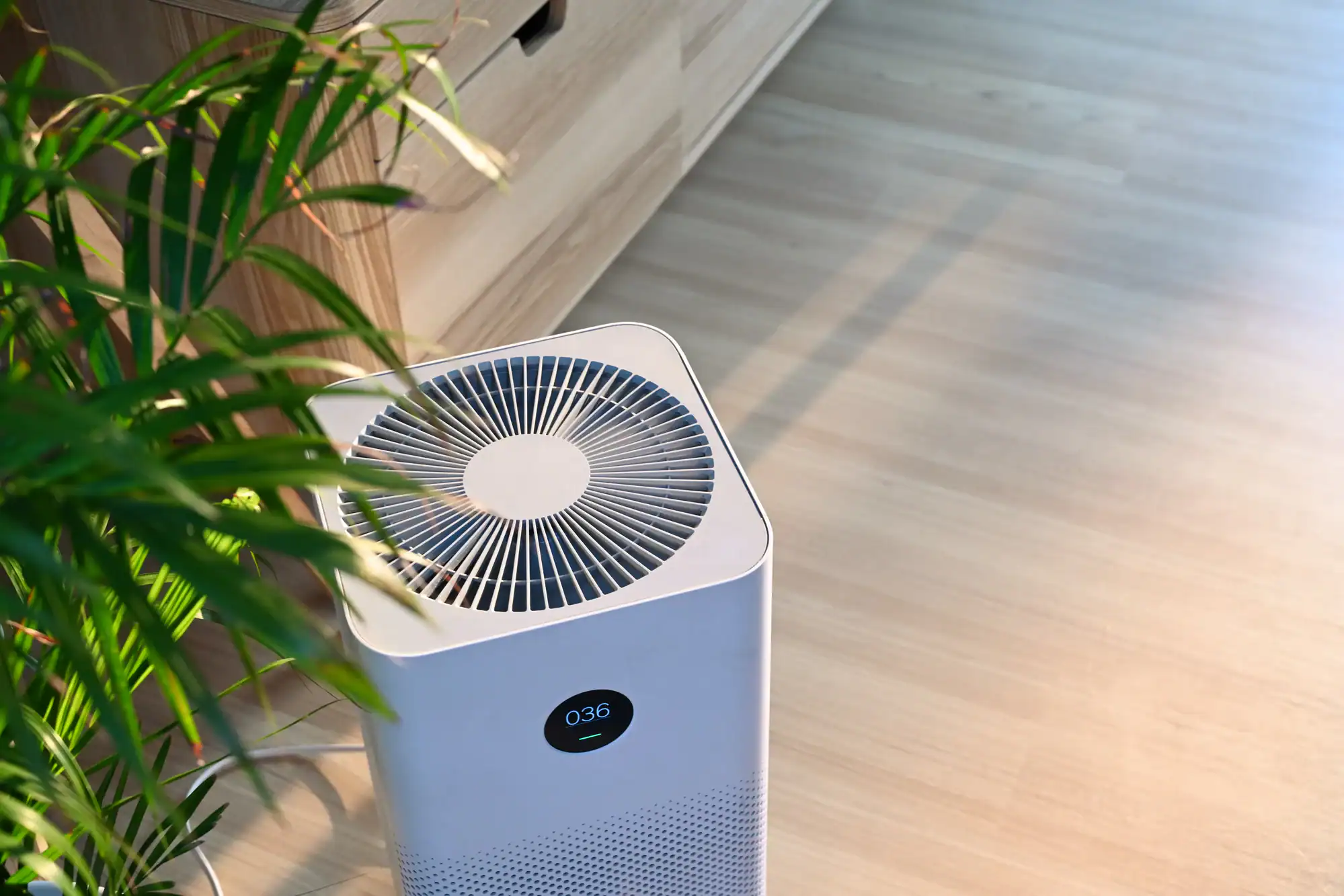
Professional HVAC service goes beyond changing filters and checking thermostats. A thorough maintenance visit covers the components that actually keep your system running efficiently and safely.
We inspect and clean your system’s coils, which can accumulate dust and debris that restrict airflow. We check refrigerant levels in your AC to make sure cooling capacity isn’t compromised. Electrical connections get tested and tightened, because loose wiring causes system failures and safety hazards.
Your thermostat gets calibrated to ensure it’s reading temperatures accurately and communicating properly with your equipment. Moving parts get lubricated to reduce friction and wear. The condensate drain line gets checked and cleared if needed, preventing water damage and humidity problems.
Safety controls get tested, especially important for gas furnaces where a cracked heat exchanger or faulty ignition system can create dangerous situations. Airflow gets measured to confirm your system is moving the right volume of air through your ductwork.
This comprehensive approach identifies small issues before they escalate. A worn belt gets replaced during maintenance instead of snapping on the hottest day of summer. A minor refrigerant leak gets fixed before your entire charge escapes and your compressor fails.
The difference between a basic checkup and real maintenance shows up in what gets documented. You should receive a report detailing what was inspected, what was found, and what recommendations exist for future service. This creates a maintenance history that helps track your system’s health over time.
A brand-new HVAC system and a 15-year-old unit don’t have the same service needs. Age affects how often you should schedule professional maintenance and what that service should focus on.
New systems typically need annual service for the first few years. They’re running efficiently, components haven’t worn down yet, and major issues are rare. Annual maintenance during this period focuses on keeping everything clean and confirming the system is operating as designed.
Once your system hits the 5-10 year mark, twice-yearly service becomes more valuable. Components start showing wear. Efficiency begins declining. The risk of unexpected breakdowns increases. More frequent maintenance catches these developing issues while they’re still minor and affordable to address.
Systems older than 10 years need twice-yearly service without question. At this age, your equipment is working harder to deliver the same heating and cooling. Parts are more likely to fail. Energy consumption creeps up as efficiency drops. Regular maintenance becomes the difference between getting a few more good years from your system and facing a complete replacement sooner than necessary.
San Mateo’s coastal climate adds another factor. Salt air from the marine layer accelerates corrosion on outdoor units. Temperature swings that can span 30 degrees in a single day stress components more than stable climates do. These local conditions mean your system ages faster than the same equipment would in a different location.
If you’re not sure how old your system is, check the manufacturer’s label on your outdoor unit or furnace. The serial number typically includes the manufacture date. Knowing your system’s age helps you determine the right maintenance frequency for your specific situation.
Get a Free Quote!
Connect with a Eco Air Cooling and Heating expert for fast, friendly support.
Even with regular maintenance, certain warning signs mean you should call for service before your next scheduled visit. Your system communicates problems through performance changes that are easy to spot if you know what to watch for.
Rising energy bills without corresponding changes in usage patterns signal efficiency problems. When your system works harder due to dirty components or failing parts, it consumes more power to achieve the same heating or cooling. A sudden spike in your utility costs deserves investigation.
Uneven temperatures throughout your home indicate airflow or distribution issues. Some rooms staying too hot or too cold while others feel comfortable suggests problems with ductwork, dampers, or the system’s ability to circulate air properly.
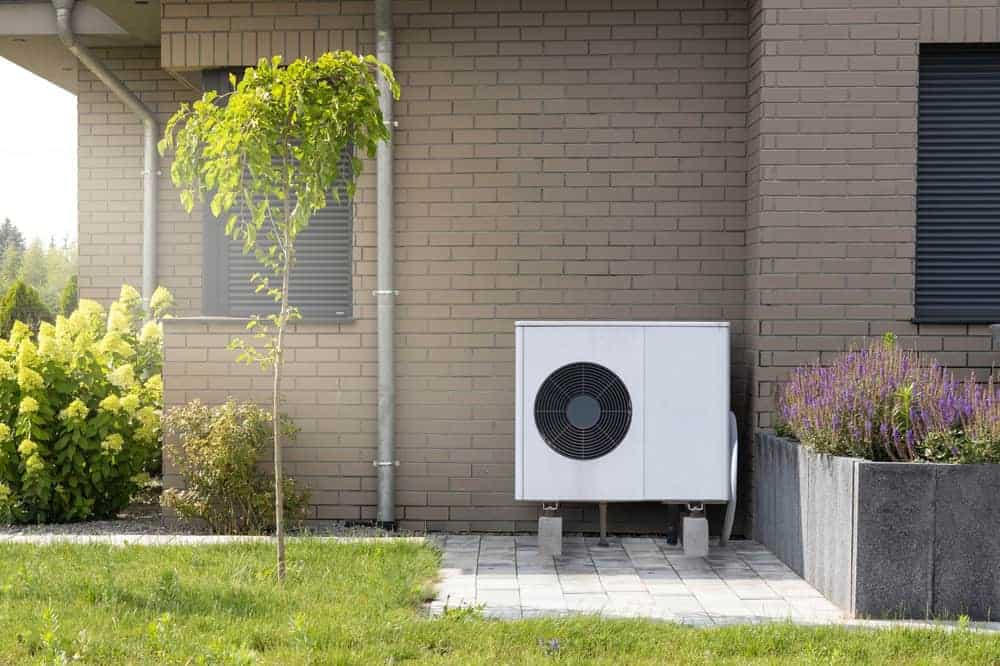
Your HVAC system should run relatively quietly during normal operation. New or unusual sounds indicate specific mechanical problems that need professional attention before they cause more extensive damage.
Grinding noises usually point to motor bearings that are wearing out. The metal-on-metal sound means lubrication has broken down and components are making direct contact. If you hear grinding, shut down your system and call for service immediately. Continuing to run with failing bearings can destroy the motor completely.
Squealing or screeching sounds often come from belt problems. A worn belt slipping on pulleys creates high-pitched noises that are hard to ignore. Belt replacement is straightforward and inexpensive, but a snapped belt stops your system completely and leaves you without heating or cooling until it’s fixed.
Banging or clanging indicates loose components inside your equipment. Something has come free and is hitting other parts as the system runs. This can cause progressive damage as the loose piece strikes and potentially breaks other components.
Clicking that repeats constantly suggests a failing relay or control board. Your system is trying to complete its startup sequence but can’t finish the process. Sometimes this gets accompanied by the smell of gas, which means your ignition system needs immediate attention.
Humming without any air movement typically indicates a capacitor problem. The capacitor stores electrical energy to help your blower motor start. When it fails, the motor tries to overcome initial resistance but can’t, creating a humming sound without any actual operation.
Air filter replacement is the one maintenance task most homeowners can and should handle themselves between professional service visits. How often you change filters directly affects your system’s efficiency and your indoor air quality.
Standard 1-3 inch filters need replacement every 90 days under normal conditions. That’s the baseline for homes without pets, with average dust levels, and moderate system usage. Mark your calendar or set phone reminders because this simple task prevents multiple problems.
Homes with pets need more frequent filter changes. Pet hair and dander clog filters faster than regular household dust. If you have one pet, plan on monthly filter changes. Multiple pets mean checking your filter every 30 days and replacing it when you can’t see light through it clearly.
San Mateo’s coastal location affects filter life too. Marine air carries salt and moisture that your filter traps along with regular dust and debris. During periods when the marine layer is particularly heavy, your filter accumulates material faster than it would in drier climates.
You can check your filter’s condition by removing it and holding it up to light. If you can’t see through it, airflow is restricted and it needs replacing immediately. A completely clogged filter forces your system to work much harder, driving up energy costs and potentially causing the system to overheat and shut down.
The filter location varies by system type. Most are in the return air duct or near the air handler. Some systems have filters in ceiling or wall vents. If you’re not sure where yours is located, ask during your next professional maintenance visit. We can show you exactly where it is and how to replace it properly.
Installing filters correctly matters. Most filters have arrows indicating airflow direction. The arrow should point toward your furnace or air handler, showing the direction air travels through the system. Installing a filter backwards reduces its effectiveness and can allow dust to bypass the filter entirely.
The right HVAC maintenance schedule depends on your system’s age, how you use it, and San Mateo’s specific climate challenges. Most homeowners benefit from twice-yearly professional service—spring for cooling equipment and fall for heating systems.
Between professional visits, monthly filter checks and replacements keep your system running efficiently. Watch for warning signs like unusual noises, rising energy bills, or uneven temperatures that indicate problems developing before your next scheduled service.
Regular maintenance isn’t an expense—it’s protection against the much higher costs of emergency repairs and premature system replacement. A well-maintained system runs more efficiently, lasts longer, and breaks down less often than equipment that only gets attention when something goes wrong.
If you’re ready to establish a maintenance schedule that actually protects your investment, we’ve been helping San Mateo County homeowners since 1985. We offer the experience and local knowledge that comes from four decades of service in this specific climate.
Summary:
Article details:
Share: