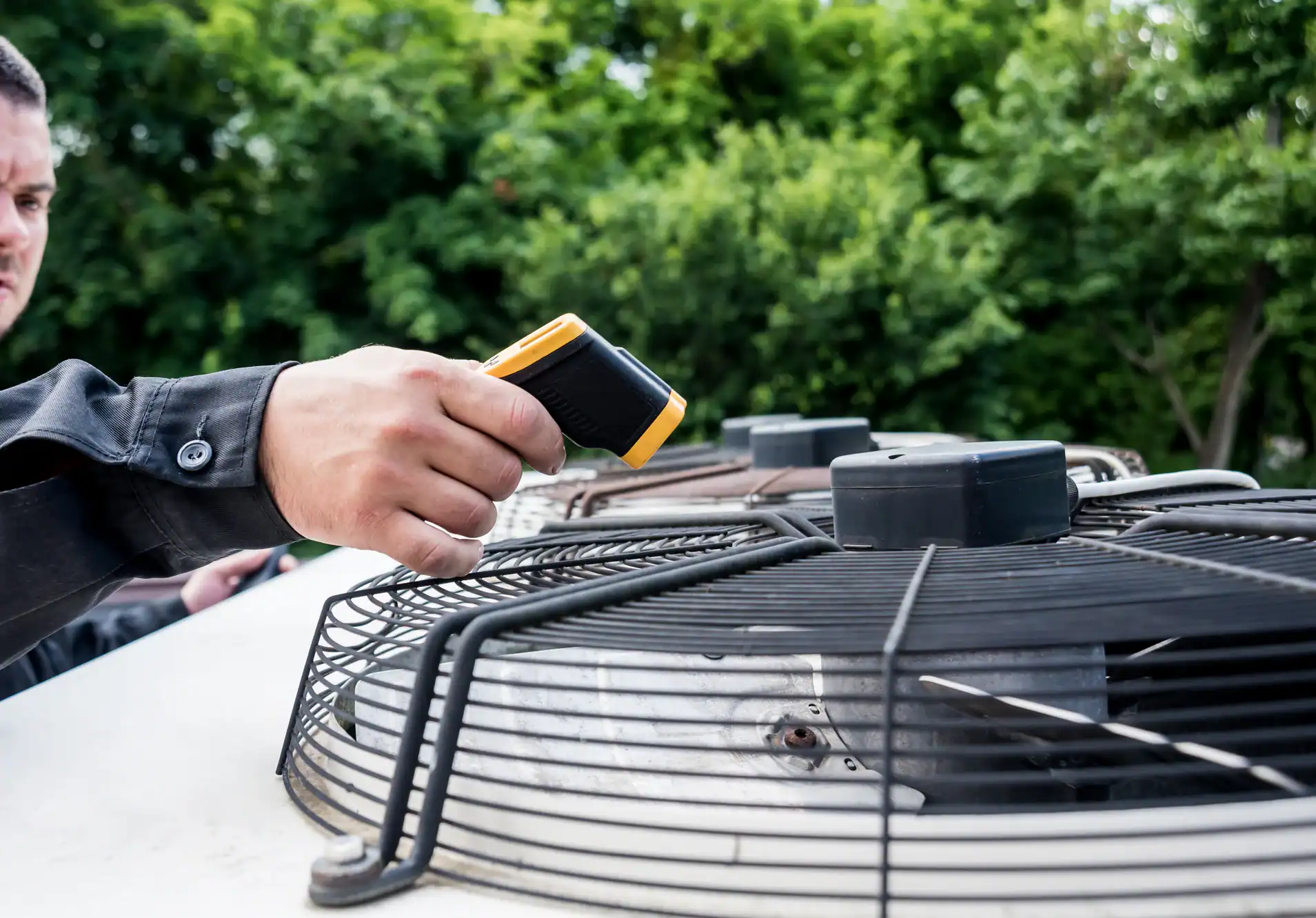
Modern air conditioning technology is evolving beyond basic cooling. Learn how eco-friendly innovations deliver better performance, lower energy costs, and environmental responsibility.
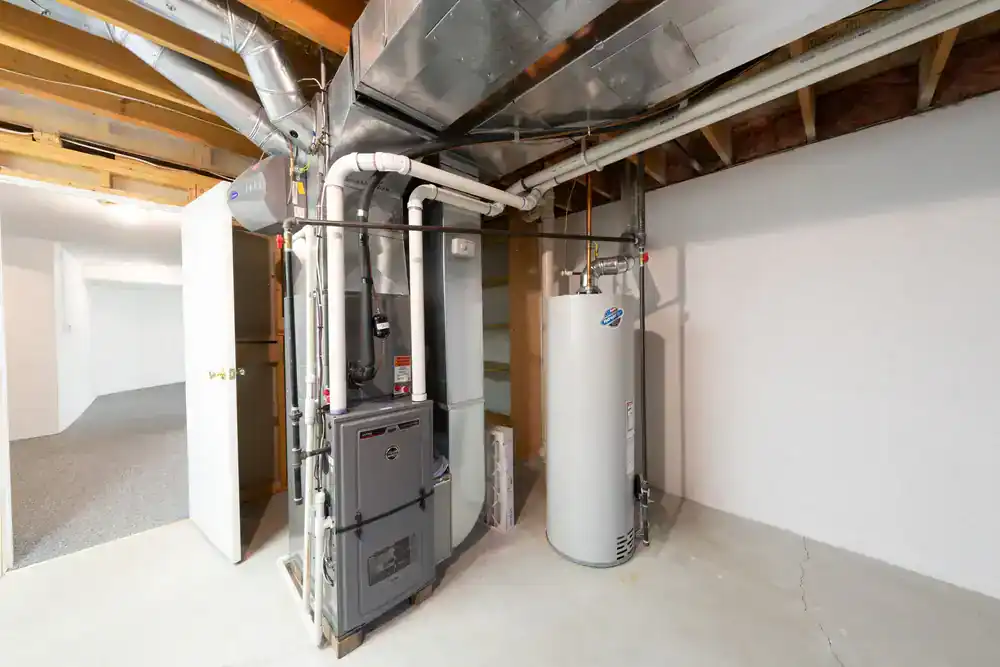
Your air conditioner works harder than you might realize, especially in San Mateo’s unique coastal climate where cool mornings give way to afternoon heat. But here’s what’s changed: the AC systems available today aren’t the same energy-draining units from even five years ago. New technology has made professional air conditioning service more efficient, more sustainable, and more aligned with California’s environmental goals. If you’re wondering whether eco-friendly cooling actually delivers on performance, or if you’re simply trying to understand what makes modern systems different, you’re asking the right questions. Let’s start with what’s actually happening in the HVAC industry.
Eco-friendly air conditioning service isn’t about sacrificing comfort for environmental responsibility. It’s about using smarter technology that accomplishes both. The shift started with regulatory changes, but it’s continued because the technology genuinely works better for homeowners in San Mateo County and beyond.
Modern HVAC systems use advanced refrigerants with significantly lower environmental impact. The industry moved away from R-22, then improved on R-410A. Now, newer refrigerants like R-454B reduce global warming potential by 78% compared to older options. That’s not a minor improvement—it’s a fundamental change in how cooling systems interact with the atmosphere.
But refrigerants are just one piece. Energy efficiency has jumped dramatically. Systems now adjust their output based on actual cooling needs rather than running at full capacity constantly. This means your AC works smarter, not harder, reducing both energy consumption and wear on components that typically fail in coastal environments.
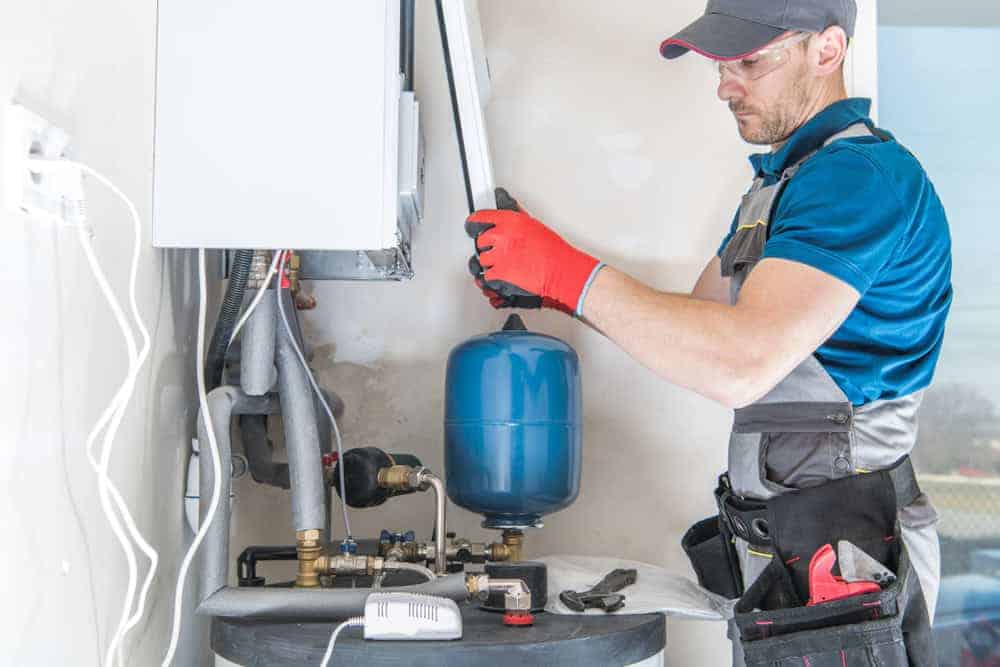
Traditional air conditioners operate like a light switch—they’re either on at full blast or completely off. This constant cycling wastes energy and stresses your system’s components. Every time your AC kicks on, it draws maximum power. Every time it shuts off, the temperature starts climbing again until it cycles back on.
Inverter technology eliminates this problem entirely. Instead of cycling on and off, inverter-driven systems adjust their compressor speed to match your home’s exact cooling needs at any given moment. Think of it like cruise control for your AC repair and maintenance needs. When your home needs significant cooling, the system ramps up. As the temperature approaches your target, it gradually reduces output rather than shutting off completely.
This approach delivers multiple benefits that directly affect your experience as a homeowner. Your energy bills drop because the system isn’t constantly drawing startup power. Your home maintains more consistent temperatures without the hot-and-cold swings of traditional systems. The equipment lasts longer because it’s not enduring the mechanical stress of constant starts and stops.
San Mateo’s climate makes inverter technology particularly valuable. The marine layer keeps mornings cool, then afternoon temperatures spike. A traditional system struggles with these swings, either overcooling in the morning or failing to keep up in the afternoon. An inverter system adapts throughout the day, matching output to actual conditions rather than working against them.
The maintenance requirements change too. Because inverter systems run more consistently at lower speeds rather than cycling aggressively, they experience less wear on critical components like compressors and fan motors. This translates to fewer AC repair calls and longer intervals between major service needs. When you do need professional air conditioning service, we can often resolve issues before they become failures because the system’s operation is more predictable and stable.
If you’ve shopped for an air conditioner recently in San Mateo or anywhere in California, you’ve probably noticed references to SEER ratings and the newer SEER2 standard. Understanding these numbers matters because they directly impact both your initial investment and your long-term costs when working with an HVAC company.
SEER stands for Seasonal Energy Efficiency Ratio. It measures how much cooling your system delivers per unit of electricity consumed. Higher numbers mean better efficiency. The “2” in SEER2 represents a more accurate testing method that accounts for real-world installation conditions, including the impact of ductwork and actual operating environments.
As of January 2023, California requires all new air conditioning installations to meet a minimum of 15 SEER, which translates to 14.3 SEER2 under the new testing standard. This represents an increase from the previous 14 SEER requirement. The change wasn’t arbitrary—it reflects both technological advancement and California’s commitment to reducing energy consumption and carbon emissions.
For homeowners in San Mateo County, this regulation creates an interesting situation. If your current system is older and uses a lower SEER rating, you can continue using it without any issues. The requirement only applies to new installations and replacements. However, when it does come time to replace your system, you’re guaranteed to get a more efficient unit than what was available even a few years ago.
The efficiency jump translates to real savings. A 15 SEER system uses approximately 7% less energy than a 14 SEER system to deliver the same cooling. Over the lifespan of your air conditioner—typically 12 to 15 years in coastal climates—that difference adds up. The higher upfront cost of meeting the new standard often pays for itself through reduced monthly utility bills.
There’s another consideration specific to San Mateo County. The coastal air creates challenges that affect system efficiency. Salt air and fog lead to buildup on coils and components, which reduces performance over time. A higher-efficiency system starts with more capacity, meaning it maintains better performance even as normal coastal wear occurs. Regular professional air conditioning service keeps these systems running at their rated efficiency by addressing buildup before it significantly impacts performance.
The testing method change in SEER2 also matters for homeowners. The old SEER rating was measured in laboratory conditions that didn’t account for ductwork losses, static pressure, or real installation variables. SEER2 testing includes these factors, giving you a more accurate picture of the efficiency you’ll actually experience in your home. This means when we quote a SEER2 rating, you’re getting information that more closely reflects real-world performance.
Get a Free Quote!
Connect with a Eco Air Cooling and Heating expert for fast, friendly support.
The HVAC industry has introduced several innovations that move beyond incremental improvements to represent genuine advances in how cooling systems operate. Not all innovations make it out of the laboratory, but several have proven themselves in real-world applications across San Mateo and the broader Bay Area.
Smart thermostats have evolved from simple programmable devices to learning systems that adapt to your patterns and preferences. They optimize cooling schedules based on when you’re actually home, weather forecasts, and even utility rate structures. The energy savings are measurable, typically ranging from 10% to 23% on cooling costs for HVAC service customers.
Ductless mini-split systems offer another proven alternative, particularly valuable for homes without existing ductwork or for room-specific cooling needs. These systems eliminate the energy losses associated with ductwork—which can account for up to 30% of cooling energy in poorly sealed systems—and allow for zone-based temperature control that traditional central air conditioning can’t match.
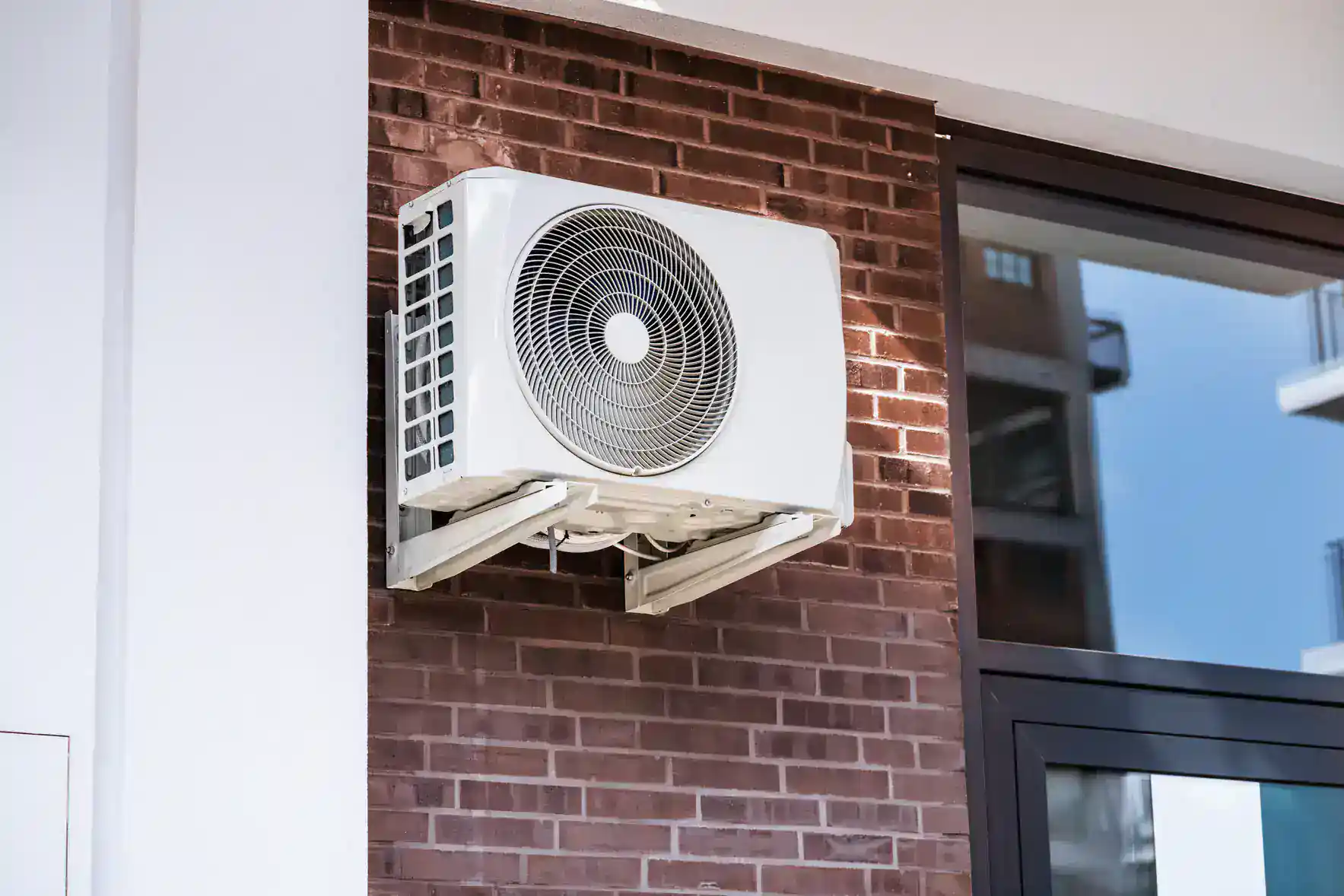
Heat pumps represent one of the most significant shifts in residential HVAC, and the technology has reached a point where it makes practical sense for many San Mateo homeowners. Understanding the difference between heat pumps and traditional air conditioners helps you make informed decisions when replacement time arrives.
A traditional air conditioner moves heat out of your home during cooling season. It does one job, and it does it well. A heat pump performs the same cooling function but can reverse the process to provide heating as well. This dual functionality makes heat pumps particularly appealing in moderate climates like San Mateo, where extreme cold isn’t a regular concern.
The technology isn’t new, but recent improvements have made heat pumps significantly more effective and efficient. Modern heat pumps maintain heating capacity even in colder temperatures that would have caused older models to struggle. For San Mateo’s climate, where winter temperatures rarely drop to extremes, heat pumps can handle both heating and cooling needs without requiring a backup heating system.
From an environmental perspective, heat pumps offer compelling advantages. They don’t burn fuel to create heat—they move existing heat from one place to another. This process requires significantly less energy than generating heat through combustion. In California, where the state is actively encouraging electrification of home heating systems, heat pumps align with both current regulations and future building code directions.
The economics work differently than you might expect. Yes, heat pumps typically cost more upfront than a traditional air conditioner. However, you’re replacing both your cooling system and your heating system with a single unit. When you factor in the elimination of furnace replacement costs and the potential for lower operating expenses, the total cost of ownership often favors heat pumps over the system’s lifespan.
There are practical considerations specific to San Mateo. The coastal climate means you’re not running your heating system as intensively as inland areas, but you do need reliable heating during winter months. A heat pump handles this moderate heating demand efficiently. The same marine air that creates challenges for traditional AC systems affects heat pumps too, making regular professional HVAC service important for maintaining efficiency and preventing coastal air damage.
Installation requirements differ slightly from traditional systems. Heat pumps need proper sizing calculations to ensure they can meet both heating and cooling loads. We perform detailed load calculations based on your home’s size, insulation, window placement, and typical usage patterns. Oversizing or undersizing a heat pump creates efficiency problems and comfort issues that persist throughout the system’s life.
Air conditioning service has expanded beyond temperature control to include significant indoor air quality improvements. Modern systems incorporate features that actively improve the air you breathe, addressing allergens, pollutants, and airborne contaminants that affect health and comfort in San Mateo County homes.
Advanced filtration systems now integrate directly into HVAC equipment. HEPA filters, electrostatic filters, and UV light purification systems can be added to most modern air conditioning systems. These aren’t afterthoughts—they’re designed to work with the system’s airflow characteristics without creating excessive static pressure that would reduce efficiency or damage components.
The benefit goes beyond removing visible dust. Modern filtration addresses particulates as small as 0.3 microns, capturing pollen, mold spores, pet dander, and even some bacteria and viruses. For households with members who have respiratory issues, allergies, or compromised immune systems, these improvements make a measurable difference in daily comfort and health.
Humidity control represents another significant advancement. San Mateo’s coastal location means humidity levels fluctuate, and traditional air conditioners only remove humidity as a byproduct of cooling. Modern systems with variable-speed operation maintain better humidity control because they run longer at lower speeds rather than cycling on and off. This longer runtime allows for more effective moisture removal even when the cooling demand is modest.
Some newer systems include dedicated dehumidification modes that prioritize moisture removal when needed. This matters during those transitional periods when your home feels clammy but doesn’t necessarily need aggressive cooling. The system can address the humidity issue without overcooling your space.
Ventilation integration has improved as well. Building codes increasingly require mechanical ventilation to ensure adequate fresh air exchange in tightly sealed modern homes. Contemporary air conditioning systems can coordinate with ventilation systems to bring in fresh outdoor air when conditions are favorable, reducing the energy penalty associated with ventilation while maintaining indoor air quality.
The maintenance aspect of these air quality features is straightforward but important. Filters need regular replacement on schedules that vary based on your specific system and home conditions. UV lights require periodic bulb replacement. During professional air conditioning service visits, we check these components alongside traditional cooling system elements, ensuring your indoor air quality features continue operating effectively.
One often-overlooked benefit: better air quality can actually extend your HVAC system’s lifespan. When your system isn’t constantly pulling in and circulating dust and debris, there’s less buildup on coils, fans, and other components. This means the system runs more efficiently and experiences less wear over time, reducing the need for emergency AC repair calls.
The evolution toward eco-friendly air conditioning service isn’t just about environmental responsibility—it’s about better technology that delivers superior performance while reducing operating costs. From inverter systems that adapt to your home’s needs to advanced refrigerants with minimal environmental impact, these innovations represent genuine improvements over older technology.
For San Mateo homeowners, the coastal climate creates specific considerations that make modern, efficient systems particularly valuable. The temperature swings, salt air, and fog that characterize the area demand equipment that can handle variable conditions without excessive wear or energy consumption. Today’s eco-friendly systems meet these challenges more effectively than ever before.
When you’re ready to explore how these innovations can improve comfort and efficiency in your home, we bring 40 years of local experience to every installation and service call. The combination of proven technology and experienced professionals ensures you get solutions that work for San Mateo’s unique conditions.
Summary:
Article details:
Share: