South San Francisco's unique climate creates specific furnace challenges. Learn the top 5 issues local homeowners face and smart solutions.
Before you panic about major furnace repairs, check your thermostat first. It’s responsible for telling your heating system when to turn on and off, and surprisingly, it’s behind many “furnace” problems in South San Francisco homes.
Your thermostat might not be communicating properly with your furnace’s control board. Sometimes the issue is as simple as the thermostat not being set to “heat” mode, or the temperature setting being too low for your comfort needs.
Dead batteries are another common culprit, especially in older thermostats. If your display looks dim or blank, try replacing the batteries before calling for service.

South San Francisco’s maritime climate creates specific challenges for thermostats that homeowners in other regions don’t typically face. The constant temperature fluctuations—from foggy 50-degree mornings to sunny 70-degree afternoons—can confuse older thermostats and cause them to cycle inefficiently.
Many homes in South San Francisco were built in the 1940s through 1960s, and original thermostats in these homes weren’t designed for today’s energy efficiency standards. If your thermostat is more than 10 years old, it might be struggling to maintain consistent temperatures in your home’s unique microclimate.
The good news? Modern programmable thermostats can handle these temperature swings much better. They’re designed to anticipate your heating needs and adjust accordingly, which is particularly valuable in South San Francisco’s unpredictable weather patterns. Plus, upgrading to a smart thermostat can save you about 8% on heating and cooling costs annually.
If you’re experiencing frequent temperature swings or your current thermostat seems to be working overtime, it might be time for an upgrade. Professional installation ensures proper calibration for your specific home and heating system, maximizing both comfort and efficiency.
Before calling for professional help, there are several thermostat issues you can troubleshoot yourself. Start by checking that your thermostat is set to “heat” mode rather than “cool” or “off.” This might sound obvious, but it’s one of the most common service calls we receive, especially during South San Francisco’s transitional weather periods.
Next, verify that your temperature setting is at least 5 degrees higher than the current room temperature. If the difference is too small, your furnace might not kick on. Also, check if your thermostat has a “hold” or “temporary” setting that might be overriding your normal programming.
For programmable thermostats, review your schedule settings. Many South San Francisco residents set their thermostats for traditional work schedules, but if you’re working from home or have irregular hours, these settings might not match your actual needs. Adjust the programming to reflect when you’re actually home and need heating.
If your thermostat display is blank or dim, replace the batteries. Even hardwired thermostats often have backup batteries that can affect performance when they’re low. Finally, gently clean around the thermostat with a soft cloth—dust and debris can interfere with temperature sensors, especially important in South San Francisco where ocean air can carry salt and moisture into homes.
If these steps don’t resolve the issue, the problem likely lies with the thermostat’s internal components or the connection to your furnace, which requires professional diagnosis and repair.
Get a Free Quote!
Connect with a Eco Air Cooling and Heating expert for fast, friendly support.
Your furnace has several built-in safety devices designed to protect your home and family. The flame sensor is one of the most important—and most commonly problematic. This small device sits near your furnace’s burners and detects whether they’re actually lit.
When the flame sensor gets dirty, it can’t properly detect the burner flames. As a safety measure, it shuts off the gas supply to prevent dangerous situations. This is actually good—it means your safety systems are working—but it also means no heat for your home.
In South San Francisco’s coastal environment, flame sensors can accumulate salt deposits and moisture-related buildup faster than in drier climates, making regular maintenance even more important.
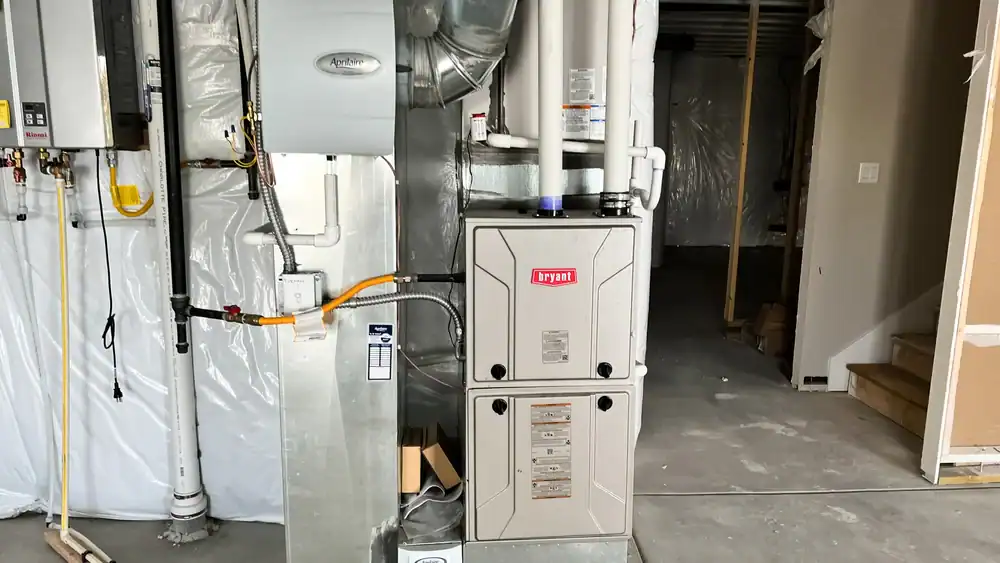
South San Francisco’s unique position near the Pacific Ocean creates specific challenges for furnace components that homeowners in inland areas rarely encounter. The combination of salt air, morning fog, and temperature fluctuations can accelerate corrosion and buildup on sensitive safety devices like flame sensors and limit switches.
Salt air doesn’t just affect outdoor equipment—it can infiltrate your home through normal ventilation and air circulation, gradually coating internal furnace components. Over time, this creates a film on the flame sensor that interferes with its ability to detect heat from the burners. When this happens, the sensor assumes there’s no flame and automatically shuts off the gas supply as a safety precaution.
The frequent temperature changes in South San Francisco—from cool, damp mornings to warmer afternoons—also cause expansion and contraction in metal components. This can cause connections to loosen over time, affecting safety switches and other protective devices. Additionally, the higher humidity levels common in the area can accelerate oxidation and corrosion of these sensitive components.
Understanding these local factors helps explain why South San Francisco furnaces often need more frequent maintenance than systems in drier, more stable climates. It’s not that your furnace is defective—it’s working harder to cope with environmental conditions that are tougher on heating equipment. Regular professional maintenance can address these issues before they cause complete system shutdowns, saving you from cold nights and emergency service calls.
While some homeowners attempt to clean flame sensors themselves, this isn’t always the best approach, especially in South San Francisco’s challenging climate conditions. The flame sensor is a delicate component that requires careful handling, and improper cleaning can actually damage it or create new problems.
If you’re comfortable working with basic tools and your furnace is easily accessible, you might be able to gently clean the flame sensor with fine steel wool or emery cloth. However, this should only be attempted if you can clearly identify the sensor, safely access it, and you’re confident about reassembling everything correctly. Even then, you’re only addressing the symptom, not the underlying cause of why the sensor got dirty in the first place.
We don’t just clean the flame sensor—we inspect the entire combustion system to identify why contamination is occurring. In South San Francisco homes, this might reveal issues with air circulation, improper venting, or other factors that contribute to sensor problems. We also check related safety devices like limit switches and pressure switches that work together to keep your system operating safely.
More importantly, professional service includes testing the sensor after cleaning to ensure it’s functioning within proper parameters. A sensor that looks clean might still not be working correctly, and only proper testing equipment can verify its performance. Given that flame sensors are critical safety devices, it’s worth having this work done right the first time.
If your furnace has repeatedly shut down due to flame sensor issues, or if you’re not comfortable working around gas appliances, calling for professional service is the safer choice. The cost of a service call is much less than the potential consequences of improper repairs or the expense of repeated emergency calls.
Understanding these common furnace issues helps you make informed decisions about your home’s heating system. While some problems have simple solutions you can handle yourself, others require the expertise of experienced professionals who understand South San Francisco’s unique climate challenges.
Remember that regular maintenance is your best defense against unexpected breakdowns. With the Bay Area’s new regulations phasing out gas appliances starting in 2027, staying on top of your current system’s maintenance is more important than ever.
When you need professional furnace repair or maintenance in South San Francisco, we bring 40 years of local experience to every job. Our technicians understand the specific challenges that Bay Area homes face and provide honest, reliable solutions to keep your family comfortable.
Summary:
Article details:
Share: