Not sure what you're actually paying for when you book an AC tune-up? This breaks it down, step by step, in plain language.
You’ve seen the ads. “AC tune-up — book now before summer.” But if you’ve ever wondered what that actually means — what the technician is doing for that hour in your home — you’re not alone. Most homeowners book a tune-up on faith, and that’s a reasonable thing to feel uneasy about.
The honest answer is that a real tune-up is a thorough, multi-point inspection and service visit. Not a filter swap with a flashlight check. When it’s done right, it catches the small problems before they become expensive ones. Here’s exactly what that looks like, from the moment one of our technicians arrives to the moment they leave.
A proper air conditioner tune-up follows a specific sequence — and that sequence matters. Our technicians don’t just poke around and call it done. There’s a logical order to how a system gets checked, and skipping steps isn’t just sloppy, it’s how real problems get missed.
The visit typically runs one to two hours for a standard central air system. What happens in that window covers everything from your thermostat down to the condensate drain line — and every component in between. If a technician is in and out in twenty minutes, that’s worth asking about.
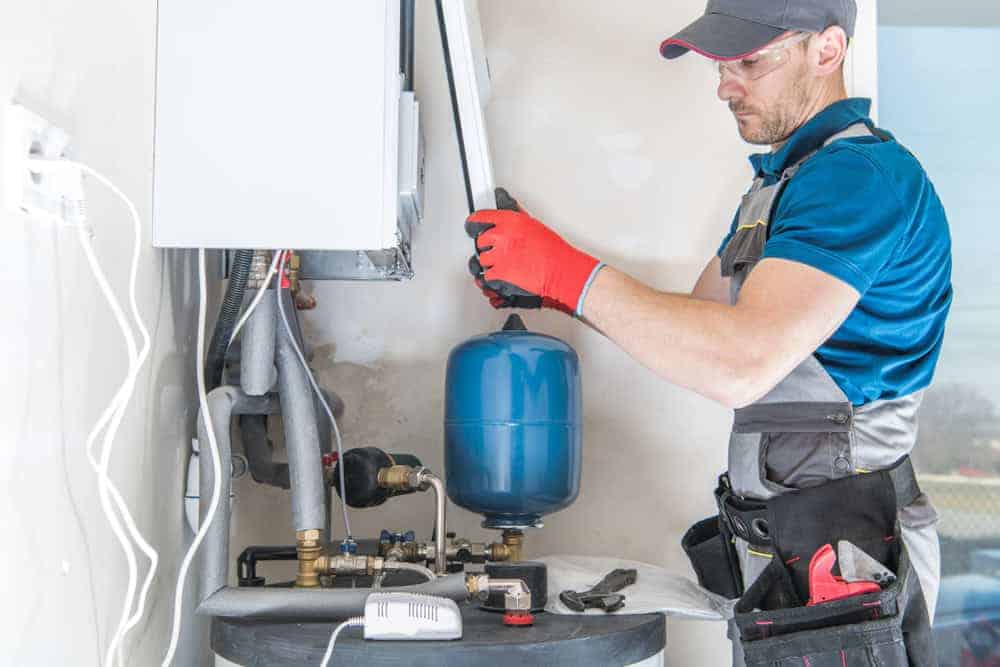
The first thing we check is your thermostat. It sounds basic, but a thermostat that’s reading a degree or two off can cause your system to run longer than it needs to, which shows up directly on your energy bill. Calibration takes a few minutes and sets the baseline for everything that follows.
From there, we move to your air filter. A clogged filter restricts airflow across the evaporator coil, which forces the system to work harder and can cause the coil to freeze. If the filter is due for a change, that happens here.
Next comes the evaporator coil — the indoor coil that pulls heat and humidity out of your air. This is one of the most important steps, and one of the most commonly skipped on cut-rate tune-ups. Coils accumulate dust, pet dander, and in San Mateo County’s coastal areas, the kind of humidity-driven buildup that accelerates mold growth. A dirty evaporator coil can cost you 30% of your system’s efficiency before you ever notice a problem.
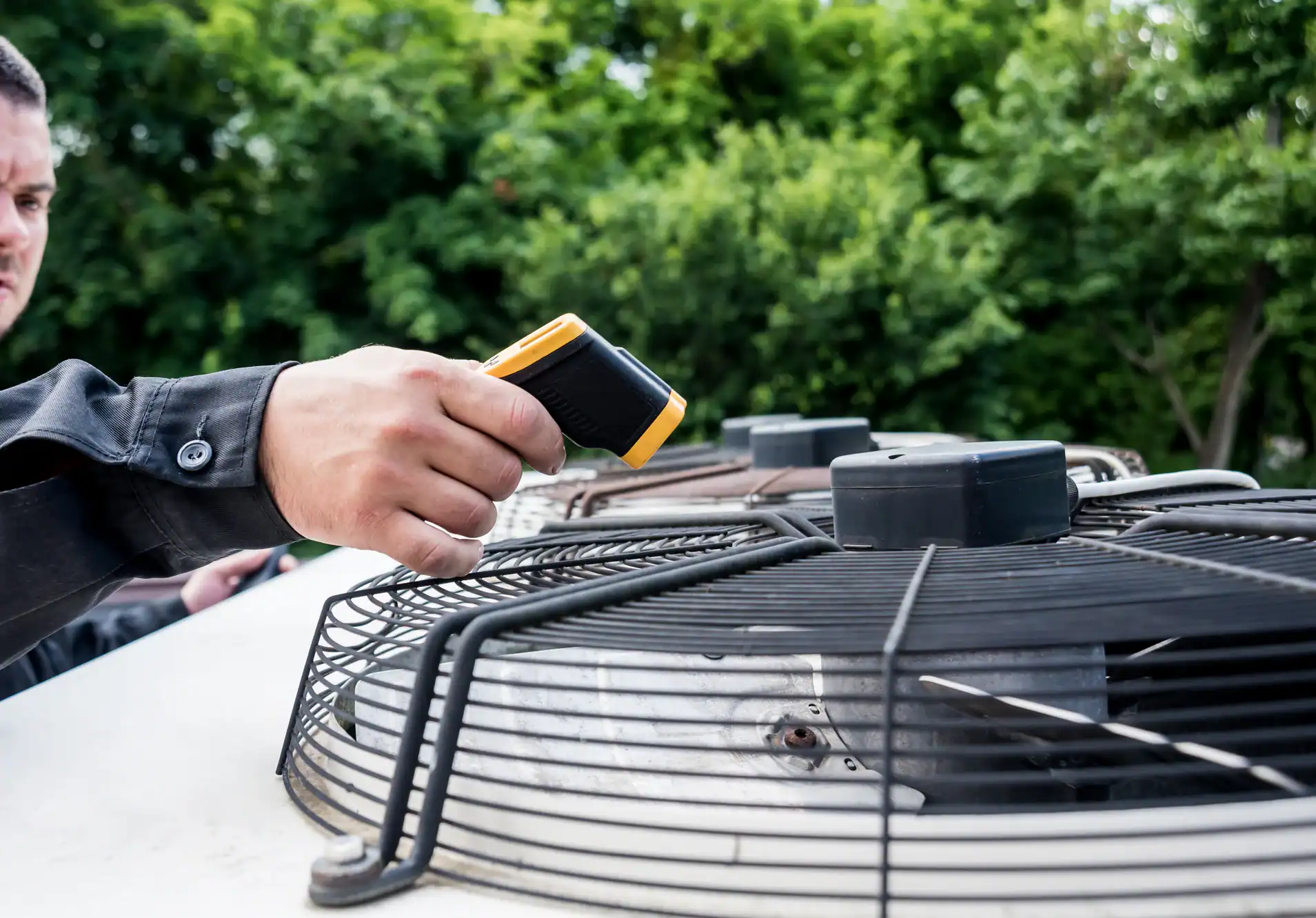
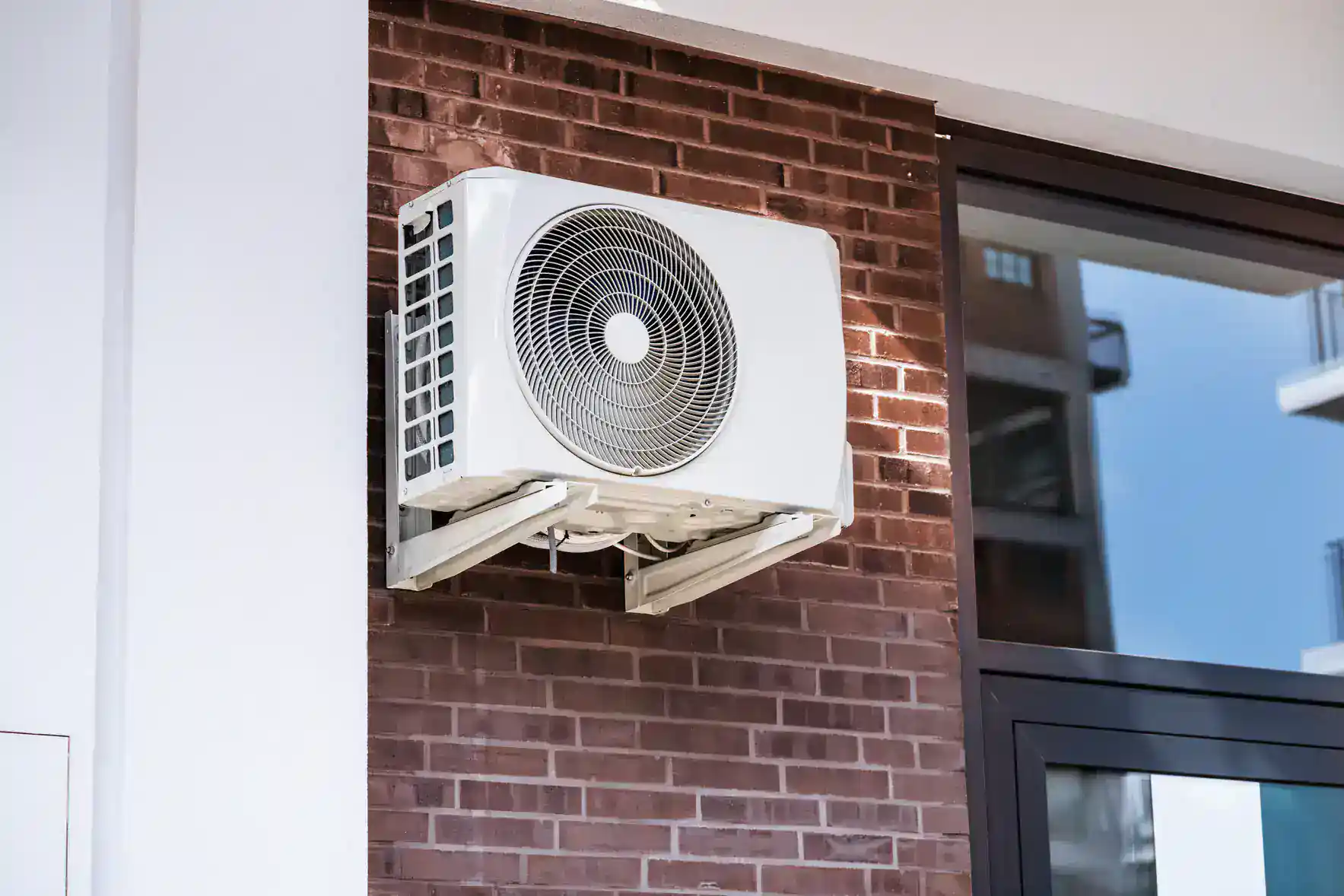
The condenser coil — the outdoor unit — gets the same attention. Grass clippings, cottonwood, and general debris pack into the fins over time and block the heat exchange that makes your system work. Cleaning it restores airflow and efficiency.
After the coils, we check your refrigerant levels and inspect for leaks. This step requires EPA Section 608 certification — it’s not something anyone can legally do without it. Low refrigerant doesn’t just hurt performance; it puts the compressor under stress that shortens its life significantly. If levels are off, we tell you why, not just top it off.
The electrical inspection follows: connections get checked and tightened, voltage gets tested at the disconnect and compressor, and the capacitor gets measured against its rated value. Capacitors are small, inexpensive components — but when they fail, they take the whole system down with them. Catching a failing capacitor during a tune-up is one of those moments where a routine visit earns its cost several times over.
Once the electrical components are checked, we move to the contactor — the switch that tells your compressor and condenser fan to turn on. Contactors wear down over time, and a pitted or burned contactor can cause intermittent failures or a complete system shutdown on the hottest day of the year.
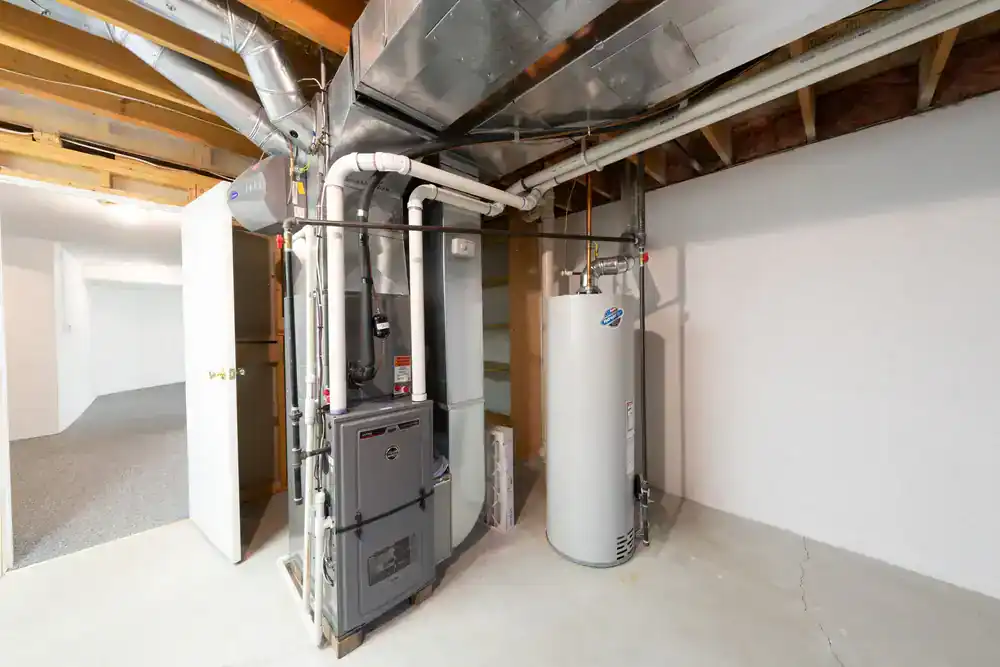
The blower motor and belt come next. The blower is what moves conditioned air through your ductwork and into your living spaces. A motor that’s drawing too many amps, or a belt that’s cracking, is a breakdown waiting to happen. Lubrication of moving parts also happens at this stage.
Then there’s the condensate drain line. Your evaporator coil pulls moisture out of your indoor air — typically several gallons per day during active cooling. That moisture has to go somewhere, and it drains through a line that runs out of the system. When that line clogs, water backs up. In some systems, a safety switch shuts everything down. In others, you get water damage before anyone notices.
In San Mateo County’s coastal communities — Daly City, South San Francisco, Pacifica — the marine layer keeps indoor humidity elevated enough that condensate drains work harder than they do in drier inland markets. Clearing that line isn’t optional; it’s essential maintenance for homes in these areas.
Finally, we run a full performance test. This means measuring the temperature difference between the air going into your system and the air coming out. A properly running central AC system should produce a differential of roughly 14 to 22 degrees Fahrenheit. If the numbers are off, that tells us — and you — exactly where to look next. A performance test is the difference between a documented tune-up and a guess.
Get a Free Quote!
Connect with a Eco Air Cooling and Heating expert for fast, friendly support.
Even after walking through the process, there are questions that come up again and again. Some of them are practical. Some of them are really asking, “Is this worth it?” They’re all fair questions, and they deserve straight answers.
A few of the most common ones are worth covering here — especially the ones that touch on what makes maintaining a system in San Mateo County a little different from doing it somewhere else.
Once a year is the standard recommendation, and spring is the right time to do it. You want the system checked before the heavy cooling season starts — not in the middle of a heat wave when every HVAC company in the county is booked out.
That said, the HVAC industry is dealing with a national shortage of technicians right now, which means peak-season availability is genuinely tighter than it used to be. Scheduling in March or April gives you options. Waiting until July does not.
For San Mateo County homeowners, there’s an additional reason to stay on top of annual service. The county’s climate varies significantly from west to east. Homes in Pacifica, Half Moon Bay, and South San Francisco sit in the fog belt — cooler and damper, with elevated humidity that accelerates coil buildup and puts extra strain on condensate systems. Homes in Redwood City, Menlo Park, and East Palo Alto deal with the other end of the spectrum: warmer summers and periodic heat waves that push systems hard.
Either way, a system that hasn’t been serviced in two or three years is carrying wear it doesn’t need to be carrying. If you have both a heating and a cooling system, some technicians recommend a second visit in the fall to prep the heating side before winter. That’s a reasonable approach if your system gets year-round use, though for many San Mateo County homes where heating demand is modest, a well-executed spring tune-up covers the most critical ground.
The bottom line: once a year, in spring, before you need it. That’s the schedule that makes the most sense for most homeowners in this area.
This is the question a lot of homeowners are really asking when they look up tune-ups, and it deserves a direct answer.
The skepticism is legitimate. There are companies that use low-cost tune-up offers as a way to get in the door and then recommend repairs that may or may not be necessary. It happens. The best way to protect yourself is to know what a real tune-up includes — which is exactly what this page covers — and to ask for documentation of what was checked and what was found before anyone recommends additional work.
A legitimate tune-up from a licensed, experienced technician is worth the cost for a few specific reasons. First, dirty coils and low refrigerant are invisible problems. Your system can be losing 20 or 30 percent of its efficiency without any obvious symptoms — until your energy bill climbs or the system stops cooling properly on a hot afternoon. Second, small components fail in predictable ways. A capacitor that’s reading outside its rated range is going to fail. Catching it during a tune-up costs a fraction of what an emergency call costs when it goes out on a Saturday in August.
The math is straightforward. A well-maintained system runs 15 to 25 percent more efficiently than a neglected one, which translates to real savings on energy costs year over year. Regular maintenance also prevents the majority of HVAC service calls, according to industry data from the Air Conditioning Contractors of America. That’s a documented pattern that holds up across millions of service calls.
What you’re really paying for is visibility into a system you can’t see. A good technician tells you what they found, what it means, and what — if anything — needs attention. If a company can’t tell you exactly what their tune-up includes before you book, that’s worth noting.
A tune-up isn’t complicated when you know what it covers. It’s a documented, step-by-step service visit that checks every component in your system, cleans what needs cleaning, tests what needs testing, and gives you an honest picture of where things stand. Done right, it’s one of the more straightforward investments a homeowner can make.
We’ve been doing this work in San Mateo County since 1985. Our technicians know this area — the coastal humidity, the inland heat spikes, the older home stock that needs a little more attention. We show up on time, tell you what we find, and don’t recommend work you don’t need.
If you’re ready to get your system checked before cooling season hits, or if you just want to know where your AC stands, give us a call or text at 650-690-6175. We offer free quotes, upfront pricing with no hidden charges, and a 15% discount for seniors and military members.
Summary:
Article details:
Share: