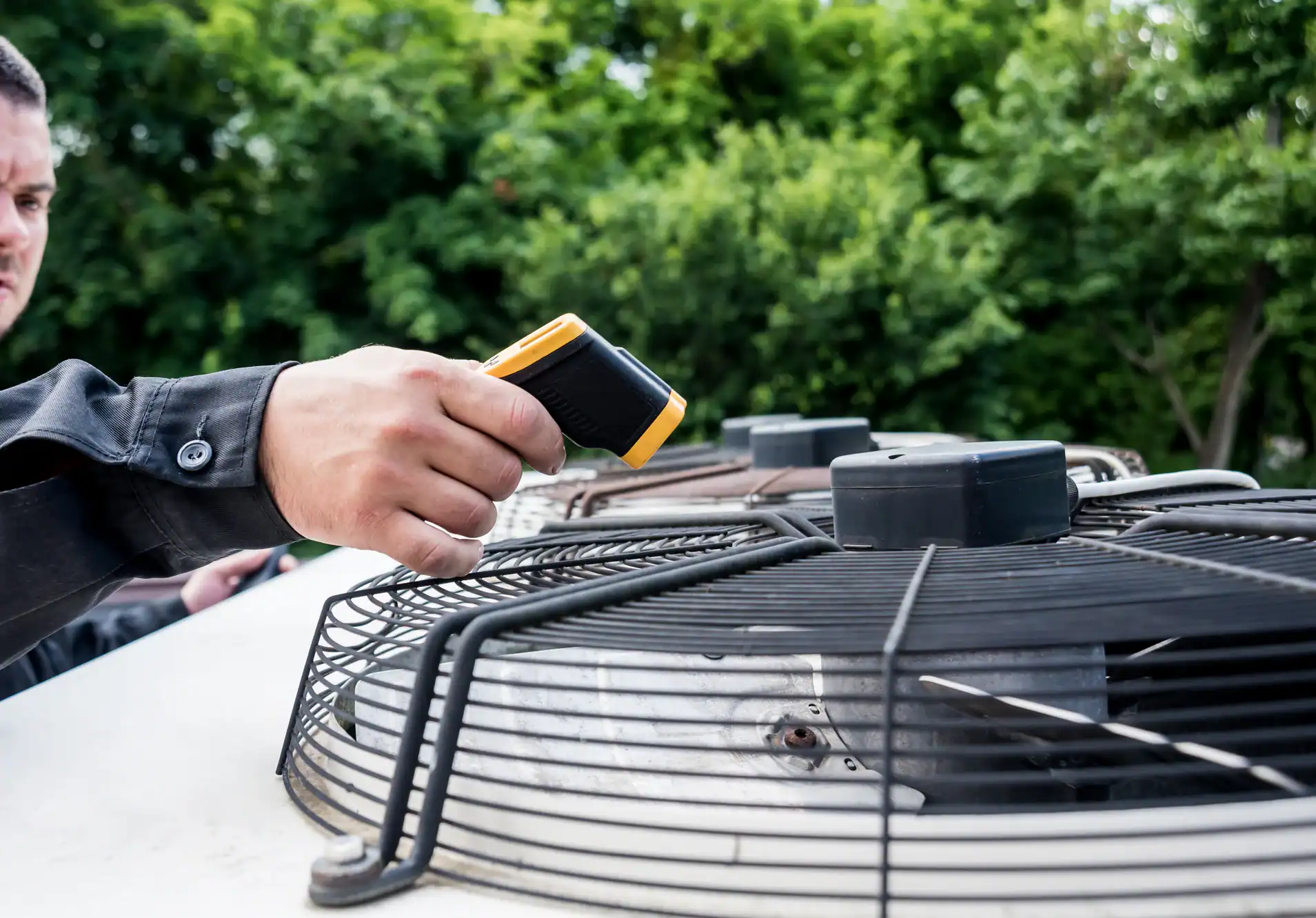
AC running but not cooling? Learn the most common reasons your system stops blowing cold air and what to do about it before the heat gets worse.
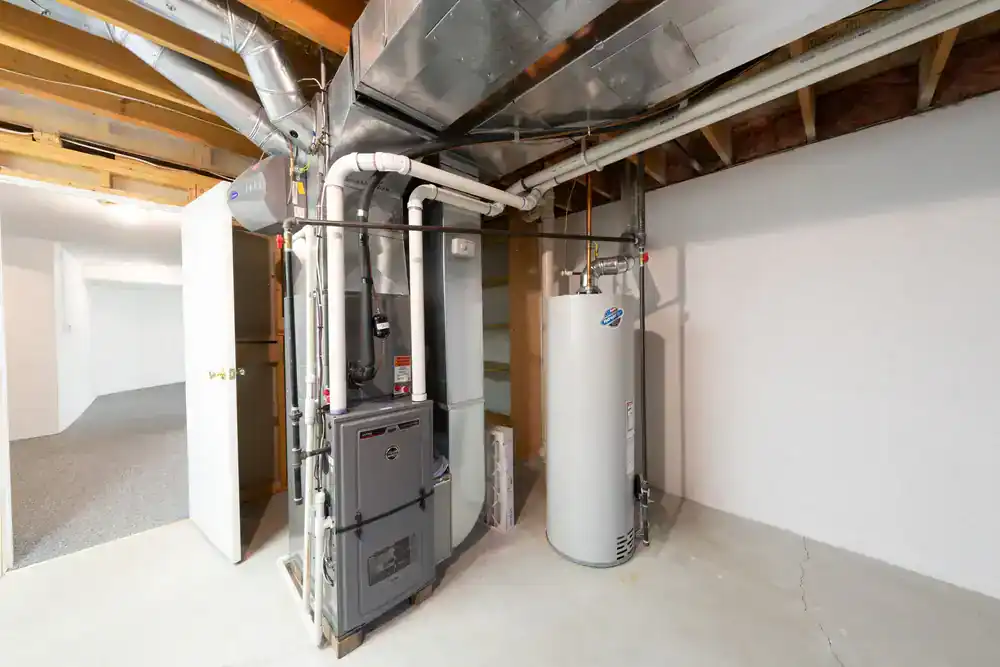
It’s a summer morning in Redwood City, CA. You wake up, the house feels stuffy, and you can hear the AC running — but the air coming out of the vents is barely cool. You check the thermostat. It says 78°F and climbing. The system is on, it’s working, and yet nothing is happening.
This is one of the most common calls we get during San Mateo County’s summer heat stretches. And the frustrating part is that it could be something small — or it could be something that gets worse the longer you let it run. Either way, you deserve a straight answer before you spend a dollar on anything.
When your AC runs without cooling, the system is doing half its job. The fan is moving air — but somewhere in the process, the cooling cycle has broken down. That breakdown can happen at several different points, and the cause determines everything: whether you can fix it in five minutes or whether you need a technician out the same day.
The most important thing to understand is that continuing to run an AC that isn’t cooling properly can turn a minor issue into a much more expensive one. A frozen coil left unchecked can damage the compressor. A refrigerant leak left unaddressed gets worse over time. So while it’s worth doing a quick check yourself, don’t let it go on for days hoping it resolves on its own.
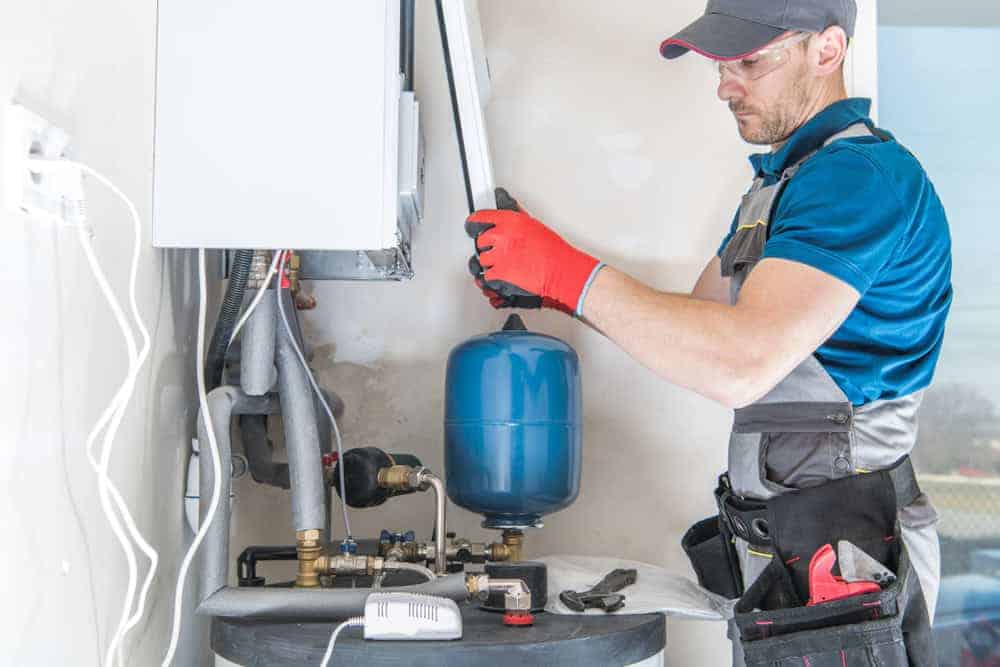
There are a few things you can look at right now that cost nothing and take less than ten minutes. Start with the air filter. A clogged filter is the single most common and most preventable cause of AC problems, and most homeowners don’t realize how quickly it can create serious downstream issues.
When the filter is blocked, airflow through the system slows down. The evaporator coil — the part that actually removes heat from your indoor air — gets too cold without enough warm air passing over it. Ice forms on the coil. The system keeps running, but it stops cooling. Filters should be replaced every one to three months depending on your home, and if you can’t remember the last time yours was changed, that’s worth checking first.
Next, look at your thermostat. It sounds obvious, but it’s worth confirming the system is set to “cool” rather than “fan only,” and that the set temperature is actually lower than the current room temperature. If the fan is set to run continuously without a cooling call, you’ll get airflow but no cold air — and it’s an easy fix.
After that, check your circuit breaker panel. Central AC systems typically use two breakers — one for the indoor air handler and one for the outdoor condenser unit. If the outdoor breaker has tripped, the fan inside may still run while the compressor outside sits idle. Reset it once. If it trips again immediately, stop — that’s a sign of an electrical issue that needs a licensed technician.
Those three checks — filter, thermostat, breaker — are the extent of what a homeowner should reasonably handle without professional help. Everything beyond that involves refrigerant, electrical components, or mechanical parts that require proper training and, in California, proper licensing.
If you’ve checked the filter, confirmed the thermostat settings, and reset the breaker and the system still isn’t cooling, the issue is most likely one of a handful of common mechanical or refrigerant-related problems that a technician needs to diagnose in person.
Low refrigerant is one of the most frequent culprits. Refrigerant doesn’t get “used up” the way fuel does — if the level is low, it means there’s a leak somewhere in the system. In California, handling refrigerants legally requires EPA Section 608 certification. It’s not something homeowners can address themselves, and DIY recharge kits sold for car AC systems don’t apply here. A technician will locate the leak, repair it, and recharge the system to the correct level.
A failed capacitor is another very common cause, especially in older systems. Capacitors are the components that give the fan motor and compressor the electrical jolt they need to start up. When a capacitor fails, the outdoor unit may hum but the fan won’t spin — and without the fan spinning, the condenser can’t release heat, and the system stops cooling. It’s one of the more straightforward repairs a technician can make, and it’s far less expensive than replacing a compressor.
Speaking of compressors — compressor failure is the most serious scenario and typically signals that a system is approaching the end of its useful life. Central AC units generally last 15 to 20 years with regular maintenance. If your system is over 15 years old and the compressor has failed, a full replacement conversation makes more sense than a costly repair. A good technician will tell you that honestly rather than push you toward a repair that only delays the inevitable.
Dirty evaporator or condenser coils can also reduce cooling capacity significantly. The evaporator coil inside your home absorbs heat from the air; the condenser coil outside releases it. When either is coated in dust, grime, or — in coastal parts of San Mateo County — corrosion from salt-laden air, heat transfer suffers and the system works harder for less output.
Get a Free Quote!
Connect with a Eco Air Cooling and Heating expert for fast, friendly support.
San Mateo County’s climate is deceptively varied. Pacifica and Daly City stay cool and foggy most of the summer. But Redwood City, CA, Menlo Park, and Foster City can hit the mid-to-high 80s regularly and push into the 90s during the heat events that roll through every summer. When that happens, systems that sat idle through a mild spring get pushed hard — and that’s exactly when the calls start coming in.
We’ve been doing this work in San Mateo County since 1985, and the pattern is consistent: the first genuinely hot stretch of the year is when systems fail. Not because the heat alone breaks them, but because they’ve been sitting dormant, and whatever small issue was building over the winter finally shows itself under load.
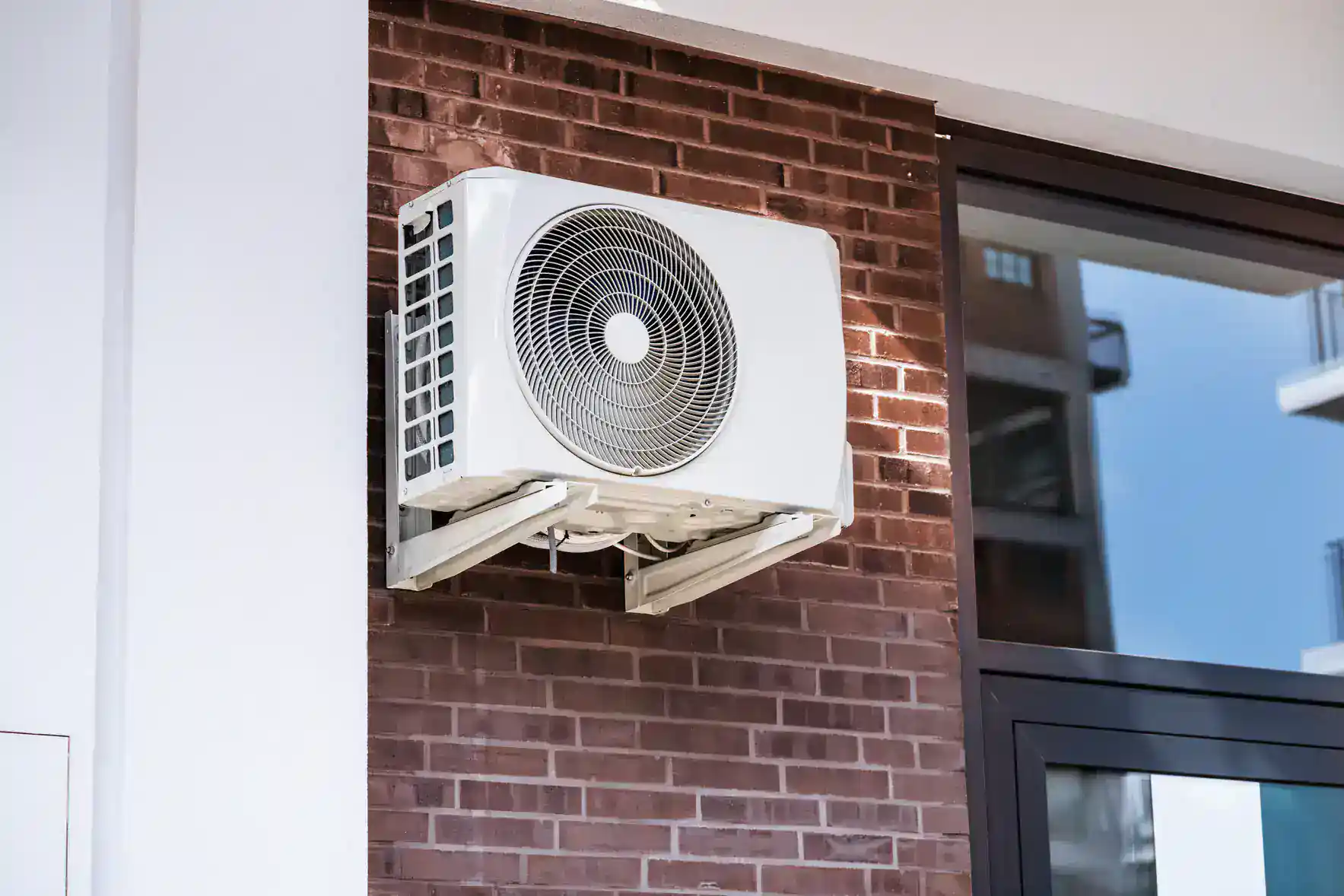
A lot of the housing stock in San Mateo County was built in the 1950s, 60s, and 70s — decades when central air conditioning wasn’t standard in the Bay Area. Many of those homes were retrofitted with AC systems later, which means the equipment is often older, the ductwork wasn’t originally designed for forced-air cooling, and the systems have been working harder than they should for years.
In communities closer to the Bay and the coast — San Mateo, CA, Burlingame, and Foster City — outdoor condenser units are exposed to humid, salt-laden air that accelerates corrosion on coils, electrical connections, and refrigerant lines. That’s a specific failure pattern that shows up differently here than it does in an inland valley market. It’s also something a technician with 40 years of local experience recognizes quickly, whereas a company dispatching from outside the area may not.
Inland communities like Redwood City, CA, and Menlo Park deal with a different challenge: genuine summer heat. When temperatures climb into the 90s, a system that’s low on refrigerant or running with a partially failed capacitor will struggle to keep up. The house might feel tolerable in the morning and unbearable by 3 p.m. That pattern — cooling fine at night, losing ground during the day — is a reliable indicator that the system is working but not working well enough, and it almost always points to a refrigerant or airflow issue worth addressing before it gets worse.
The age of the system matters here too. Older units that still use R-22 refrigerant — which was phased out federally in 2020 — face significantly higher repair costs because the refrigerant itself is now scarce and expensive. If your system was installed before roughly 2010 and you’re dealing with a refrigerant issue, that’s a conversation worth having about whether repair or replacement makes more financial sense long-term.
The most common complaint we hear from homeowners who’ve dealt with other HVAC companies isn’t that the repair was expensive — it’s that they didn’t know what it was going to cost until the technician was already in their home and had already started the work. A capacitor replacement gets added to the invoice. A coil cleaning fee appears. By the time the job is done, the bill is twice what the initial service call suggested.
We don’t operate that way. Before we touch anything, we tell you what the repair will cost. If something unexpected comes up during the diagnosis, we stop and tell you before we proceed. You decide — not us.
That matters more during a heat wave than at any other time of year. When it’s 92°F inside and you’re trying to make a fast decision, the last thing you need is to feel like you’re being taken advantage of. Our job is to give you a clear diagnosis, a clear price, and a clear recommendation — and then let you make the call.
For seniors, we offer a 15% discount on repairs. That’s not a promotional add-on — it’s something we’ve offered for years because a significant part of the community we serve in San Mateo County is on a fixed income, and we think that should be reflected in how we price our work. Military members receive the same discount. If either applies to you, mention it when you call or text.
We’re also available 24 hours a day, because AC failures in San Mateo County don’t wait for Monday morning. If your system goes down on a Saturday night during a heat event, we can be there. A free quote is always the starting point — no obligation, no pressure, just an honest look at what’s going on.
If your AC is running but not cooling, start with the basics — check the filter, verify the thermostat, and look at the breaker. Those three checks take ten minutes and cost nothing. If none of that resolves it, you’re dealing with something that needs a trained eye: refrigerant, a capacitor, coils, or a compressor issue that only gets more expensive the longer the system runs in a compromised state.
The good news is that most AC repairs are straightforward when they’re caught early and diagnosed correctly. The key is working with someone who will tell you exactly what’s wrong, exactly what it will cost, and exactly what your options are — before any work begins.
Eco Air Home Services LLC has been doing this work in San Mateo County for four decades. If you’re dealing with an AC that isn’t keeping up, call or text us at 650-690-6175. We’ll give you a straight answer.
Summary:
Article details:
Share: