Your power bill jumped again, and you're not sure why. The answer might be hiding in your HVAC system—dirty filters, leaking ducts, and aging equipment silently draining your wallet.
You open your electric bill and the number doesn’t make sense. It’s 30% higher than last month, maybe more than last year, and you haven’t changed anything about how you live. The thermostat’s set where it always is. You’re not running the AC any more than usual. So why is your power bill so high?
The answer is probably sitting in plain sight, humming away in your home right now. Your HVAC system accounts for the biggest chunk of your energy use, and when something’s off—even slightly—it shows up fast on your bill. The frustrating part is that most of these problems are invisible until you know where to look. Let’s walk through the five hidden culprits that might be costing you hundreds of dollars a year.
Your air filter might be the smallest part of your HVAC system, but it has an outsized impact on your power bill. When filters get clogged with dust, pet hair, and debris, they restrict airflow through your system. That means your blower motor has to work significantly harder to push air through, consuming more electricity every single minute it runs.
The Department of Energy has measured this effect directly. A dirty, clogged filter can increase your air conditioner’s energy consumption by 5% to 15%. For a San Mateo County homeowner paying $173 per month on average, that’s an extra $8 to $26 monthly—just from a filter that costs a few dollars to replace.
Most people don’t think about their filter until something breaks. But that filter is doing critical work, and when it’s blocked, your entire system suffers. Your AC runs longer cycles trying to reach the temperature you’ve set. Your furnace works overtime in winter. And all that extra runtime adds up on your bill, month after month, until you finally swap in a clean filter and wonder why you waited so long.
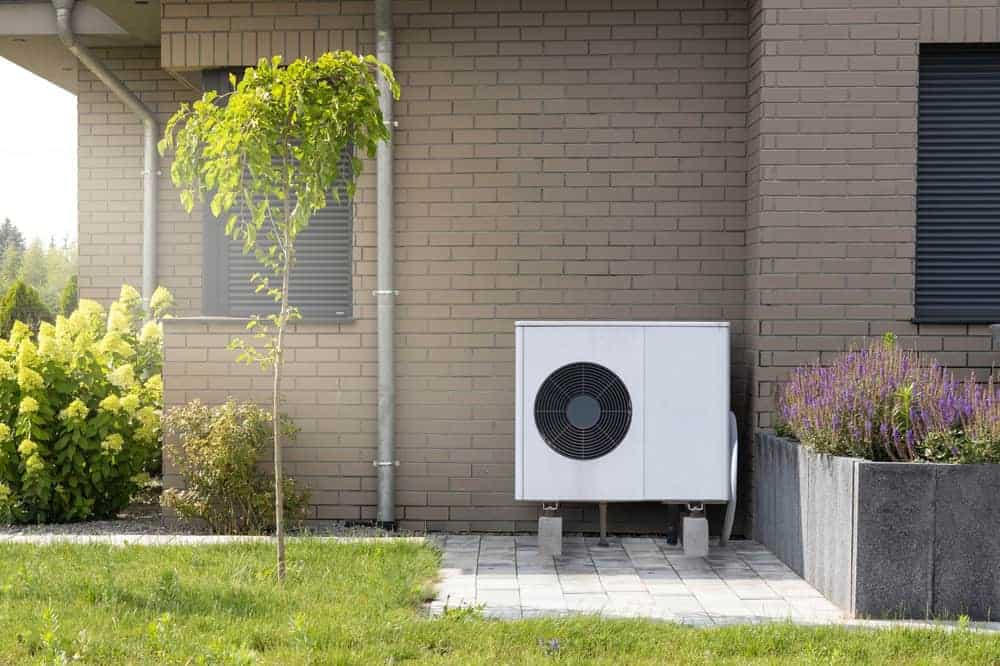
Beyond the filter, there’s another layer of dirt you can’t see without opening up your system: the evaporator and condenser coils. These coils are where the actual heat transfer happens—your AC pulls heat from inside your home and dumps it outside. When coils get coated in dust, pollen, and grime, that heat transfer becomes much less efficient.
Think of it like trying to cool down by wrapping yourself in a dirty blanket. The coils can’t do their job properly when they’re insulated by a layer of crud. Your compressor has to run longer and work harder to achieve the same cooling effect, and that extra effort translates directly into higher energy consumption.
Professional air conditioner cleaning service addresses this problem at the source. Studies tracking HVAC performance before and after cleaning have documented electricity bill reductions ranging from 10% to 20%. In some cases, cleaned systems achieved fan energy reductions of 41% to 60% while delivering 10% to 46% more airflow compared to uncleaned systems.
For San Mateo County homeowners already dealing with some of the highest energy costs in California, those savings add up quickly. A professional AC cleaning service doesn’t just improve comfort—it pays for itself through lower monthly bills. We disassemble the system, clean the coils thoroughly, check refrigerant levels, and ensure everything is running at peak efficiency. It’s preventive maintenance that directly attacks one of the biggest hidden reasons your power bill is so high.
Most homeowners should schedule this service annually, ideally before the cooling season starts. Spring cleaning means your system performs optimally from day one of summer rather than starting the season already compromised. You avoid the summer rush when HVAC companies are overwhelmed with emergency calls, and you get immediate energy savings that compound throughout the entire cooling season.
Refrigerant is the lifeblood of your air conditioning system. It’s the chemical that actually absorbs heat from inside your home and releases it outside. Your system is designed to operate with a specific amount of refrigerant, and when levels drop due to a leak, performance suffers immediately.
Low refrigerant doesn’t just mean less cooling—it means your system runs constantly trying to reach the temperature you’ve set on your thermostat. The compressor, which is one of the most power-hungry components in your entire home, keeps cycling on and off or running continuously. You might notice longer cooling cycles, warmer air from vents, or uneven temperatures between rooms.
The real problem is that refrigerant leaks usually happen slowly. You don’t wake up one day to a completely non-functional AC. Instead, efficiency gradually declines over weeks or months, and your power bill creeps up so slowly you might not connect the dots. By the time you realize something’s wrong, you’ve already paid for months of wasted electricity.
Refrigerant issues require professional diagnosis and repair. This isn’t a DIY fix—handling refrigerant requires EPA certification and specialized equipment. A qualified technician can locate the leak, repair it properly, and recharge your system to the correct level. We’ll also check for compressor damage, because low refrigerant puts stress on that expensive component.
San Mateo County’s mild climate means your AC doesn’t face the extreme demands of hotter regions, but that doesn’t make refrigerant leaks any less costly. Your system still has to work overtime to compensate for the lost efficiency, and in California’s expensive energy market, that overtime shows up fast on your bill. Catching and fixing refrigerant leaks early prevents both the immediate energy waste and the long-term damage to your compressor.
Get a Free Quote!
Connect with a Eco Air Cooling and Heating expert for fast, friendly support.
Your ductwork is supposed to be a sealed pathway delivering conditioned air throughout your home. But ducts aren’t invincible. Over time, connections loosen, seals deteriorate, and small holes develop. When that happens, you’re paying to cool or heat air that never makes it to your living space—it’s leaking into your attic, crawl space, or wall cavities instead.
Duct leaks force your system to run significantly longer to reach the temperature you’ve set. Your thermostat measures the air in your living room, not the air escaping into your attic, so the system keeps running until the rooms finally hit the target temperature. All that extra runtime is pure waste, and it shows up as higher energy consumption month after month.
The age of your HVAC system itself plays a major role too. Air conditioners and furnaces lose efficiency as they age, even with perfect maintenance. Components wear down, seals degrade, and motors that once ran smoothly start struggling. Systems installed before 2010 typically run at 60% to 75% efficiency compared to modern equipment, which can reduce energy bills by 20% to 40%.
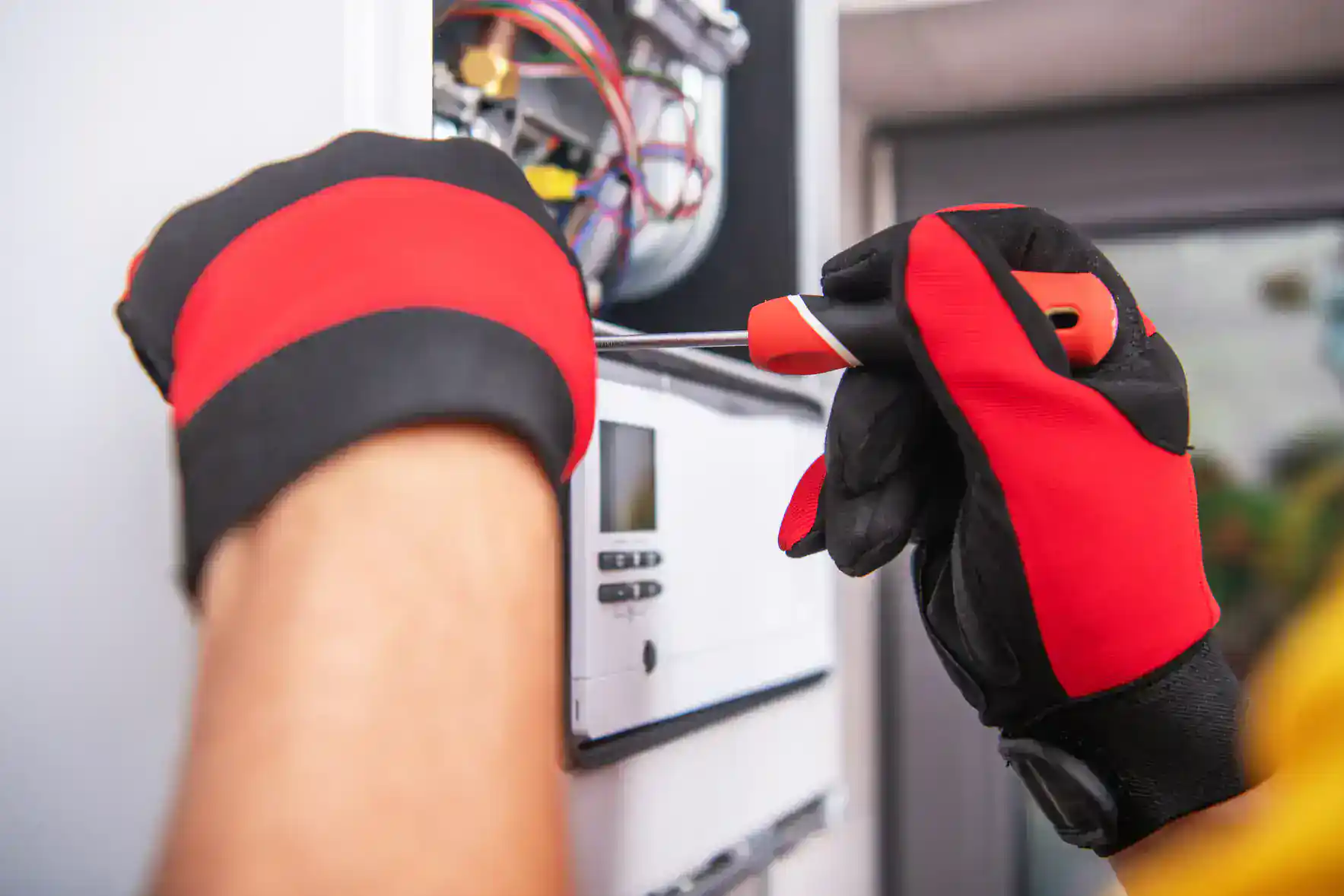
There’s a point where throwing money at an old system stops making financial sense. Air conditioners typically last 10 to 15 years before they begin to malfunction regularly. Furnaces might stretch to 15 to 20 years. But even before they break completely, aging systems consume more electricity to deliver the same comfort.
Older HVAC models lack the energy-efficient features of modern equipment. They don’t have variable-speed motors that adjust output to match demand. They don’t have advanced controls that optimize performance. They’re just workhorses that were built to run at one speed—full throttle—and after a decade or more of service, they’re tired workhorses consuming maximum energy for minimum output.
You might be spending $200 to $600 on repairs every year, patching problems as they arise. Meanwhile, your monthly power bill stays elevated because the system itself is inefficient. At some point, the math shifts. The cost of ongoing repairs plus the extra energy consumption exceeds what you’d pay for a new, efficient system.
HVAC repair costs in 2026 range between $150 and $600 for most common problems, with major repairs like compressor replacement exceeding $2,500. When you’re looking at a $1,500 repair bill on a 12-year-old system, it’s worth getting a professional assessment. We can run the numbers with you—comparing repair costs plus expected energy waste against the investment in new equipment plus the energy savings you’d realize.
Modern systems use 20% to 40% less energy than equipment from 2010. For San Mateo County homeowners paying $186 per month on average, that efficiency gain translates to $37 to $74 in monthly savings, or $444 to $888 annually. Over the 15-year lifespan of a new system, that’s $6,660 to $13,320 in energy savings, not counting the repair costs you avoid.
San Mateo County’s mild climate is actually an advantage here. You don’t need the oversized, heavy-duty equipment required in extreme climates. Properly sized systems for local conditions cost less to install and operate more efficiently. Plus, Peninsula Clean Energy offers rebates up to $2,500 for heat pump installations, and federal tax credits cover up to $2,000 for energy-efficient systems, bringing the net cost down significantly.
Your thermostat is the control center for your HVAC system, and how you use it has a direct impact on your power bill. Small habits that seem harmless can waste significant energy over time. Setting the temperature too low in summer or too high in winter forces your system to work harder, consuming more electricity to maintain that aggressive temperature difference between inside and outside.
The Department of Energy has quantified this effect precisely. You can save as much as 10% per year on heating and cooling by simply turning your thermostat back 7 to 10 degrees Fahrenheit for 8 hours a day from its normal setting. Every two degrees you raise the temperature in summer saves around 5% to 10% on cooling costs.
Many people set their thermostat and forget it, running the same temperature 24/7 regardless of whether anyone’s home or awake. That’s leaving money on the table. When you’re at work for eight hours or asleep at night, you don’t need the same level of climate control as when you’re actively using the space. Adjusting the temperature during those periods doesn’t sacrifice comfort—you’re not there to notice—but it does reduce energy consumption.
Programmable and smart thermostats automate this process, adjusting temperatures based on your schedule without requiring you to remember. They can raise the temperature during the day when you’re at work and cool the house back down before you arrive home. They can lower the heat at night when you’re under blankets anyway. These small adjustments compound over weeks and months into meaningful savings.
Another common mistake is setting the thermostat to an extreme temperature thinking it will cool or heat faster. It won’t. Your AC doesn’t blow colder air when you set it to 65 instead of 72—it just runs longer trying to reach that lower temperature. You end up with excessive cooling, unnecessary expense, and no benefit to comfort. The same applies to cranking the heat to 80 in winter hoping to warm up faster.
Location matters too. If your thermostat is in direct sunlight, near a drafty door, or above a heat-generating appliance, it’s getting false readings. It might think your home is warmer or cooler than it actually is, causing your system to run when it doesn’t need to or shut off before the job is done. That creates inefficiency and wasted energy.
For San Mateo County’s mild climate, the recommended settings are 78 degrees when you’re home in summer and 68 degrees when you’re awake in winter. These temperatures balance comfort with efficiency. If that feels too warm or cool, adjust by one or two degrees rather than making dramatic changes. Even small moves toward these recommendations will lower your energy consumption and your monthly bill.
High power bills in San Mateo County usually trace back to these five HVAC culprits: clogged filters choking airflow, dirty coils reducing heat transfer, refrigerant leaks forcing overtime, duct leaks wasting conditioned air, aging equipment losing efficiency, and thermostat habits that work against you. The good news is that all of these problems have solutions.
Start with the easy wins. Check your air filter right now and replace it if it’s dirty. Adjust your thermostat toward the recommended seasonal settings and see if you notice a difference in your next bill. Those two changes alone can reduce energy consumption by 5% to 15% without spending a dime on professional service.
For the deeper issues—dirty coils, refrigerant leaks, duct problems, and aging equipment—you need expert diagnosis. That’s where we come in. With 40 years of experience serving San Mateo County since 1985, we’ve diagnosed and solved every energy efficiency problem local homeowners face. Our knowledgeable technicians use advanced diagnostic tools and Manual J load calculations to identify exactly what’s driving up your power bill and recommend solutions that make financial sense for your situation.
Summary:
Article details:
Share: