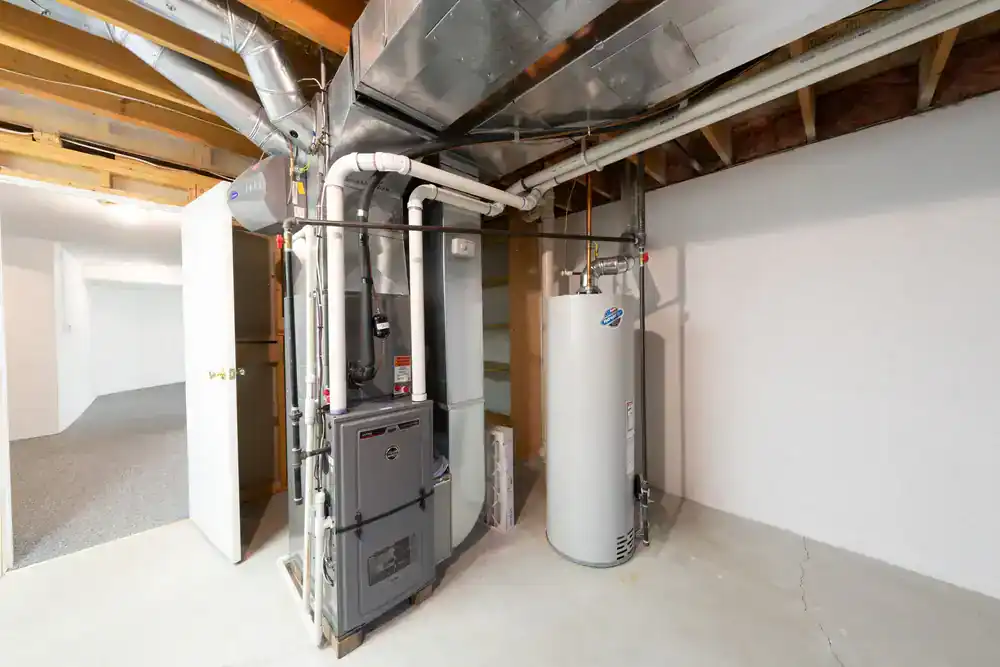
PSEG furnace programs aren't available in San Mateo County, but understanding utility rebates, permit requirements, and local AC replacement options helps you make smarter decisions about your home comfort investment.
You’re researching furnace replacement programs and stumbled across PSEG options. Here’s what matters for San Mateo County homeowners: PSEG (Public Service Electric and Gas) serves New Jersey and parts of the East Coast, not California. But the questions driving your search—how to get a fair AC replacement quote, whether your home warranty actually covers the work, and what permits you need—those are exactly the right questions to ask. The answers just look different here in the Bay Area, where coastal climate, California building codes, and local utility rebates create their own landscape. You’re about to get clarity on what actually applies to your situation and what protects your investment when it’s time to replace your heating or cooling system.
An AC replacement quote in San Mateo County should tell you more than just a bottom-line number. When you’re looking at $8,500 to $15,000 for a complete system, you need to understand what you’re actually paying for.
The equipment itself—your outdoor condenser, indoor air handler, and refrigerant lines—represents only part of the cost. Labor, permits, Title 24 compliance work, and third-party testing make up a significant portion of that total. If someone quotes you substantially less than $10,000 for a full system replacement in 2026, you should ask detailed questions about what’s included and what’s not.
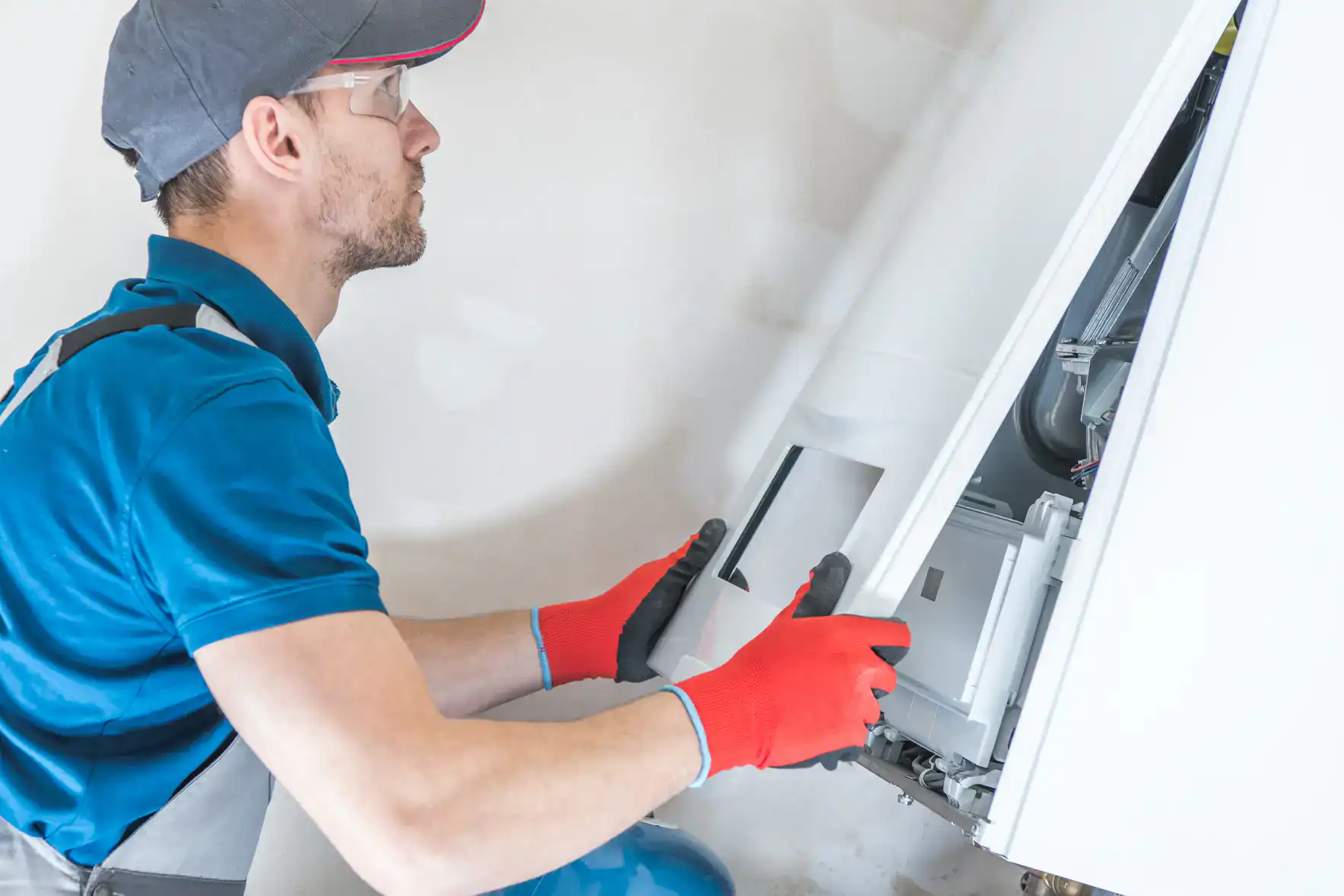
Home warranties sound reassuring until your AC stops working on the hottest day of summer. Then you discover the coverage limitations that weren’t obvious when you signed up.
Most home warranty companies cover parts and components of your AC system, but they don’t immediately jump to replacement. They’ll send a technician to diagnose the problem and attempt repairs first. Only if those repairs fail—or if the cost exceeds your policy’s coverage limit—will they consider replacement. And even then, you’re typically looking at a coverage cap of around $5,000 per system, which might not fully cover a quality replacement in today’s market.
The exclusions matter more than you’d think. Many policies exclude coverage for leaks, condensate pumps, and coils. They often won’t cover mismatched systems where your AC unit and furnace are different sizes or made by different manufacturers. Pre-existing conditions at the time you purchased the warranty? Not covered. Damage from neglected maintenance? Also not covered.
Here’s what catches homeowners off guard: if your system is still under the manufacturer’s warranty, your home warranty provider typically won’t cover it at all. They expect the manufacturer to handle those repairs. And if you can’t produce maintenance records showing you’ve kept up with regular service, some providers will deny your claim entirely, arguing the failure resulted from negligence rather than normal wear and tear.
The waiting period creates another problem. Most home warranty plans don’t activate immediately. You might wait 30 days after signing up before coverage begins, which doesn’t help when your AC dies during a heat wave and you need service today, not next month.
When you’re evaluating whether a home warranty makes sense for your situation, read the actual policy document—not just the marketing materials. Look specifically at the coverage limits, the list of exclusions, and whether the plan covers both heating and cooling or requires separate add-ons. The cheapest monthly premium often comes with the most restrictions, turning what seemed like protection into frustration when you actually need it.
While PSEG programs don’t exist in California, San Mateo County homeowners have access to different utility rebates and incentives that serve a similar purpose—they help offset the upfront cost of energy-efficient HVAC upgrades.
Peninsula Clean Energy offers rebates up to $2,500 when you replace a gas water heater, with total potential savings reaching $3,500 for comprehensive home electrification projects. These programs specifically target homeowners moving away from gas appliances toward electric heat pumps, aligning with California’s broader decarbonization goals.
The catch? Many of these programs operate on a first-come, first-served basis with limited funding. HEEHRA rebates for single-family homes, which offered up to $8,000 for income-qualified households, became fully reserved statewide by February 2026. New applications aren’t being accepted, and existing requests sit on waitlists hoping additional funding becomes available.
TECH Clean California incentives, which provided market-rate rebates for heat pump installations, also saw their funding reserves deplete rapidly. The last day to create reservations for single-family projects was November 14, 2025, in most regions. If you’re reading this now, you’re likely looking at whatever programs remain active or whatever comes next in future funding cycles.
This doesn’t mean rebates have disappeared entirely. Local utilities still offer incentives for high-efficiency equipment, though the amounts and availability shift regularly. The key difference from PSEG-style programs is that California’s rebates often require working with certified contractors who can navigate the reservation systems, submit proper documentation, and ensure your installation meets all the technical requirements to qualify.
Smart thermostats, ductwork improvements, and electrical panel upgrades might still qualify for various incentives even when the headline heat pump rebates are exhausted. But you need to verify current availability before making purchase decisions based on rebate assumptions. What was true six months ago might not be true today, and what’s available in Southern California might differ from what’s offered in the Bay Area.
The timing matters more than most homeowners realize. Rebate programs don’t just reduce your out-of-pocket cost—they often come with installation deadlines, completion requirements, and inspection schedules that affect when you can actually get the work done. Missing a deadline by a few days can mean losing thousands in incentives you thought were locked in.
Get a Free Quote!
Connect with a Eco Air Cooling and Heating expert for fast, friendly support.
Every AC installation and replacement in San Mateo County requires a building permit. This isn’t a gray area or something contractors can skip to save you money. California law is explicit: if you’re adding, replacing, relocating, or removing an HVAC system, you need a permit.
The permit process ensures the work meets safety standards and energy codes. It triggers inspections that verify proper installation—electrical connections, refrigerant piping, outdoor unit placement, and compliance with setback and noise regulations. Your contractor should be pulling this permit, not you. When a licensed contractor handles it, they’re taking responsibility for code compliance. If something goes wrong, they’re accountable.
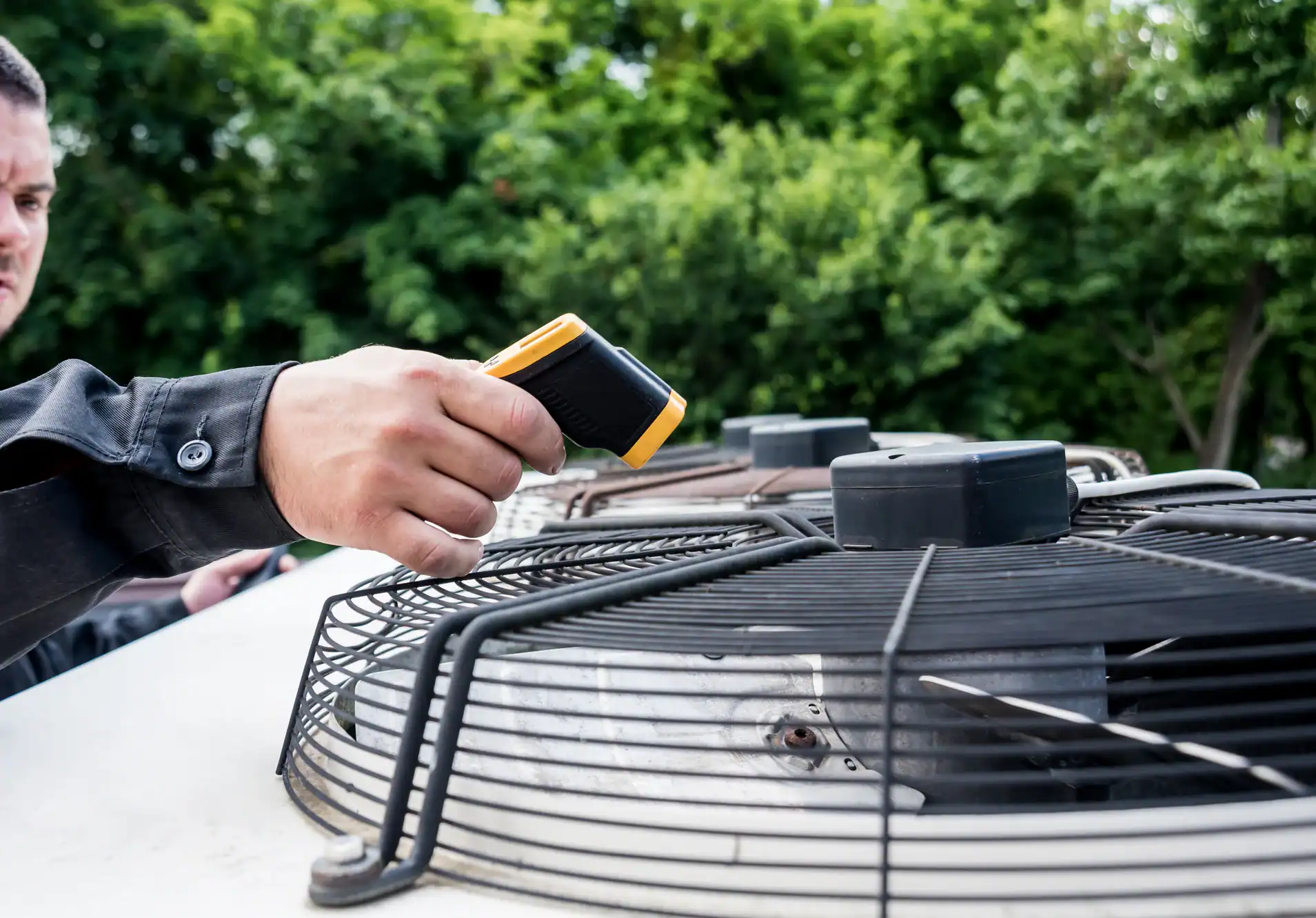
The contractor you hire needs a C-20 Warm-Air Heating, Ventilating and Air-Conditioning Contractor license issued by the California Contractors State License Board. This isn’t bureaucratic paperwork—it’s the legal requirement for anyone installing or replacing HVAC systems in residential homes.
When unlicensed contractors or handymen install your system without proper permits, you’re not just breaking the law. You’re voiding your equipment warranty, creating potential liability if something goes wrong, and setting yourself up for problems when you eventually sell your home. Title companies and home inspectors look for permitted work. Unpermitted installations can delay or derail real estate transactions, forcing you to either obtain retroactive permits—which isn’t always possible—or replace the entire system again, this time correctly.
The permit also protects you from shoddy work. California’s Title 24 energy standards require specific installation practices for 2026, including Class A duct sealing and third-party HERS (Home Energy Rating System) testing. These aren’t optional extras your contractor can skip. They’re mandatory requirements that ensure your system performs as designed and doesn’t waste energy through leaky ductwork.
Class A sealing means every joint, seam, and connection in your duct system must be mechanically fastened and properly sealed using approved materials. You can’t just use regular duct tape and call it done. The connections require mastic, UL-rated tape, or aerosol sealant, and larger openings need a combination of materials to meet code.
After installation, a certified third-party inspector tests your ducts for leaks. This isn’t something your HVAC contractor can do themselves—California law requires an independent rater. The testing confirms your system meets efficiency standards and that the air you’re paying to heat or cool actually reaches your living spaces instead of leaking into your attic or crawlspace.
Your contractor should provide you with copies of several documents when the work is complete: the building permit, the CF-1R compliance form, the CF-2R installation certificate, and the CF-3R HERS verification certificate. Keep these with your home records. You’ll need them if you sell your home or file an insurance claim. They prove the work was done legally and correctly.
Contractors who prioritize compliance aren’t making your life more complicated. They’re protecting you from risks that could cost thousands of dollars down the road. The few hundred dollars you might save by working with someone who cuts corners isn’t worth the potential consequences—voided warranties, failed inspections, and installation problems that don’t surface until years later when fixing them costs even more.
We’ve been serving San Mateo County since 1985, which means we’ve navigated four decades of building code changes, equipment evolution, and market shifts. That history matters when you’re trying to understand what a fair AC replacement quote should include.
Our approach starts with Manual J load calculations—the proper way to size an AC system for your specific home. This isn’t a quick estimate based on square footage. It’s a detailed analysis that accounts for insulation levels, window placement, sun exposure, and how your home actually gains and loses heat. Getting the sizing right prevents two common problems: oversized systems that cycle on and off constantly, wasting energy and wearing out faster, and undersized systems that run continuously but never quite keep your home comfortable.
Upfront pricing with no hidden charges means you know what you’re paying before work begins. The quote should break down equipment costs, labor, permit fees, HERS testing, and any additional work like electrical upgrades or duct modifications. If those line items aren’t clearly explained, ask for clarification. Surprises after installation starts usually aren’t pleasant ones.
Our 24-48 hour callback guarantee for online quotes shows respect for your time. When you’re dealing with a failing system or planning a replacement, waiting a week for a contractor to respond creates unnecessary stress. Fast response times don’t mean rushed work—they mean we have systems in place to handle inquiries efficiently.
EPA-compliant refrigerant handling protects both you and the environment. Older systems used R-22 refrigerant, which is no longer produced. Current systems use R-410A, though newer refrigerants with lower environmental impact are becoming standard. Proper handling during installation and disposal isn’t optional—it’s required by federal law, and contractors who cut corners here are creating liability for themselves and potentially for you.
Equipment brands matter, but not as much as installation quality. We work with trusted manufacturers like Carrier and Honeywell because these brands offer solid warranties and reliable performance when installed correctly. But even the best equipment fails if it’s improperly installed, improperly sized, or connected to leaky ductwork. The installation quality determines whether you get the efficiency and lifespan the equipment is capable of delivering.
Our 15% discount for seniors and military members recognizes that many of our core customers are on fixed incomes. When you’re looking at a $10,000+ investment, a 15% reduction makes a meaningful difference. It’s not a promotional gimmick—it’s acknowledgment that the people who built this community and served this country deserve consideration when major home expenses arise.
As a family-owned business, we create a different kind of accountability than large franchise operations. When Ramiro took over from his father in 2006, he inherited not just a business but a reputation built over two decades. That generational commitment means our success depends on doing right by customers who remember when his father started the business and who expect the same quality of service today.
PSEG furnace programs don’t apply in California, but the core concerns behind your search—getting fair pricing, understanding warranty coverage, and ensuring proper permitting—matter just as much here in San Mateo County. The difference is how those protections work in California’s regulatory environment.
Permits aren’t obstacles. They’re verification that your installation meets safety standards and energy codes. Home warranties aren’t comprehensive insurance policies. They’re service contracts with specific limitations that often surprise homeowners during actual claims. And transparent quotes aren’t just about the bottom-line number—they’re about understanding what you’re paying for and what protections you’re getting.
When you’re ready to move forward with an AC replacement, you want a contractor who understands San Mateo County’s specific requirements, who pulls permits as a matter of course, and who’s been serving this community long enough that their reputation depends on doing the work right. We’ve been handling these installations since 1985, navigating code changes and building relationships with the homeowners who keep calling back because they know the work will be done correctly. That’s the kind of partner you want when you’re making a $10,000+ investment in your home’s comfort.
Summary:
Article details:
Share: