Your AC stopped working in San Mateo County. Should you repair or replace it? Get expert guidance on making the right decision for your home and budget.
Your AC quit in the middle of a warm afternoon. Now you’re staring at a repair estimate and wondering if you’re about to throw money at a system that’ll die next summer anyway. Or maybe your energy bills keep climbing and you suspect your aging unit is the culprit, but you’re not sure if repair or replacement makes more sense.
Here’s what matters: the decision between AC repair and replacement isn’t guesswork. There are clear, industry-standard rules that take the confusion out of it. You’ll learn exactly what those are, what repair costs actually look like in 2026, and why San Mateo County’s coastal climate changes the equation. Let’s start with what you’re actually dealing with.
The HVAC industry uses a simple formula to cut through the confusion: multiply your system’s age by the repair cost. If the total is under $5,000, repair usually makes financial sense. If it’s over $5,000, replacement becomes the smarter investment.
Here’s what that looks like in practice. Your 8-year-old AC needs a $400 capacitor replacement. That’s 8 × $400 = $3,200. Repair it. But if that same 8-year-old system needs a $1,800 compressor replacement, you’re at $14,400. Time to replace.
This rule works because it accounts for both the system’s remaining lifespan and the likelihood of additional repairs. A newer system with a moderate repair bill still has years of service ahead. An older system with a major repair is likely facing more problems soon.
Capacitor failures are the most common AC repair we see. The part itself costs $15-$80, but you’ll pay $150-$400 total when you factor in diagnosis and labor. That’s actually good news because it’s one of the most affordable fixes that gets your system running again.
Your capacitor stores electrical energy and releases it to start the compressor and fan motors. When it fails, you’ll hear humming but the unit won’t start, or it’ll struggle to turn on and may shut off randomly. Some systems have separate start and run capacitors, others use a single dual-run capacitor that handles both functions.
Most capacitors last 10-20 years, though San Mateo County’s coastal conditions can shorten that. Salt air and temperature fluctuations stress electrical components. If your system is under 10 years old and only needs a capacitor, that’s a straightforward repair decision.
The catch comes with older systems. A failing capacitor forces other components to work harder, particularly the compressor. If your 14-year-old AC needs a capacitor, you’re looking at a system that’s already near the end of its typical lifespan. The repair buys you time, but you should start planning for replacement within the next year or two.
Labor costs vary by season. Summer demand drives prices up, and emergency calls outside business hours cost more. If you can schedule the repair in spring or fall, you’ll typically pay less. But don’t let a failing capacitor sit too long because the strain on your compressor can turn a $300 repair into a $2,500 problem.
Compressor replacement costs $2,200-$5,500 in the Bay Area, and it’s almost always the repair that triggers the replacement conversation. The compressor is your AC’s heart. It circulates refrigerant and removes heat from your home. When it fails, you’re looking at one of the most expensive component repairs possible.
The problem isn’t just the cost. It’s that compressor failure often indicates other issues. Low refrigerant from leaks, dirty coils restricting airflow, failing electrical components, or simple age-related wear all contribute to compressor stress. You might fix the compressor and face another major repair within months.
Here’s the math that matters. If your compressor dies and your system is 10+ years old, you’re spending $3,000-$4,000 on a repair for a unit that’s already past its prime. A full system replacement runs $3,500-$7,500 for most homes. You’re essentially paying compressor-replacement prices for a completely new system with a warranty and modern efficiency.
Bay Area labor costs and accessibility challenges drive prices higher here than national averages. Rooftop units or tight outdoor spaces require extra work. Your refrigerant type matters too. Older systems using R-22 refrigerant cost more to service because it’s no longer produced. In most cases, if you’re facing R-22 refrigerant issues and compressor failure together, replacement is the only practical option.
The exception is if your system is under 5 years old and still under warranty. Manufacturer warranties often cover the compressor, meaning you’d only pay labor. Even then, get a full diagnostic to understand why a relatively new compressor failed. There’s usually an underlying cause that needs addressing.
Not every cooling problem means a dead compressor. Sometimes it’s a capacitor, contactor, or refrigerant leak causing similar symptoms at much lower cost. Proper testing comes first. Any technician recommending compressor replacement should show you diagnostic readings proving internal failure, not just guess based on symptoms.
Get a Free Quote!
Connect with a Eco Air Cooling and Heating expert for fast, friendly support.
Most HVAC service calls cost $150-$650 for common repairs. That covers things like capacitors, clogged drain lines, thermostat issues, and refrigerant top-offs. These are the routine fixes that keep systems running and can usually be completed in a single visit.
Major repairs push into the $800-$3,000 range. Compressor replacements, evaporator coil repairs, and significant refrigerant leaks with system evacuation and recharging all fall here. This is where the repair-versus-replace conversation becomes critical because you’re approaching new system costs.
Diagnostic calls typically run $75-$250. We credit this toward your final bill if you proceed with the repair. Emergency service outside normal hours costs more, sometimes 50-100% more than standard rates. Summer demand also drives prices up as everyone’s AC fails during heat waves.
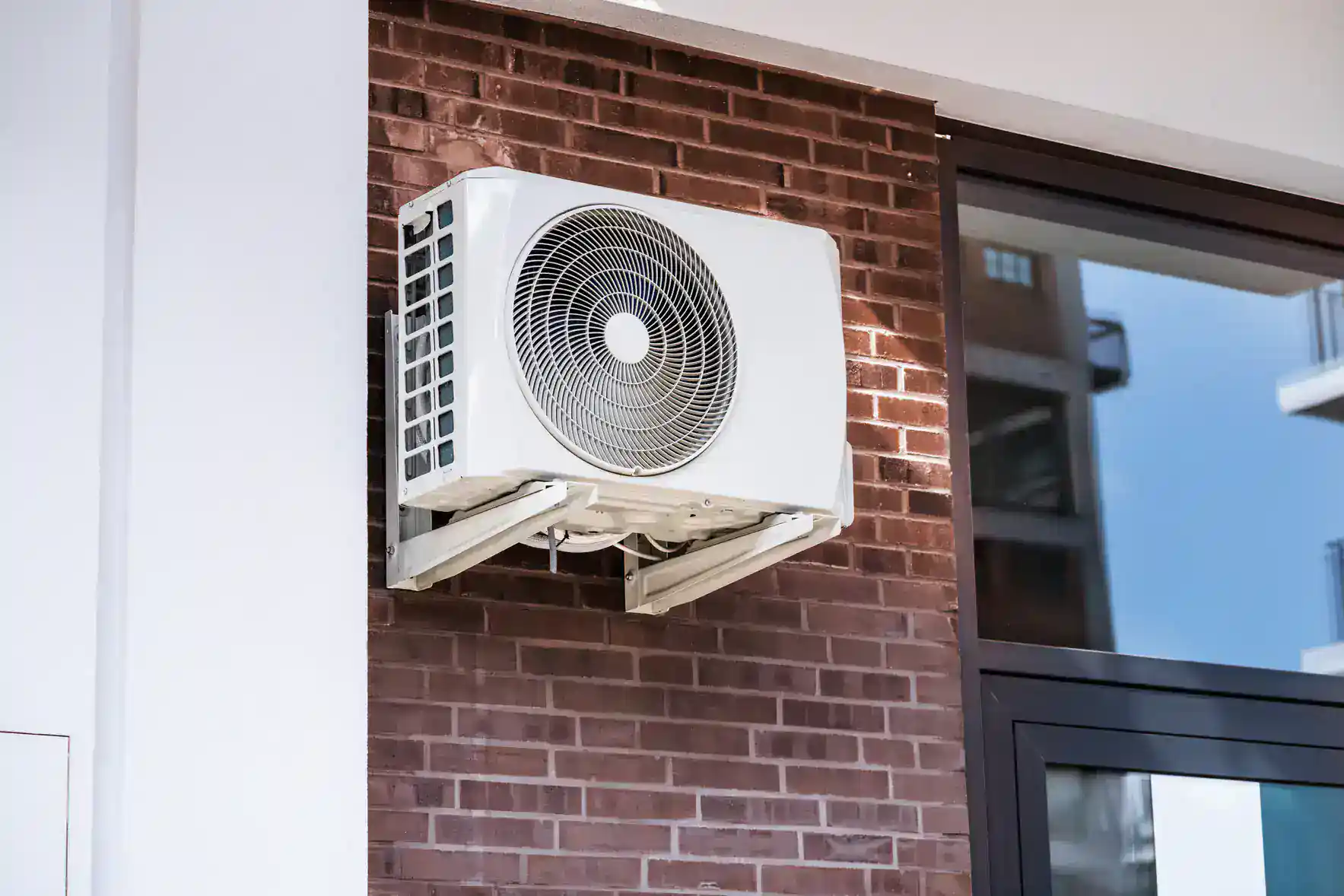
Annual AC maintenance costs $75-$200 per visit, and it’s the single best investment for avoiding expensive repairs. We inspect, clean, and test your system for proper operation. We catch small problems before they become major failures.
Here’s what maintenance actually prevents: 50% of costly AC problems could be avoided with regular tune-ups. A well-maintained system operates at 95% efficiency. Neglect that maintenance and efficiency drops to 60-70% within just a few years. That difference shows up immediately in your energy bills.
During a tune-up, we clean coils that get caked with dust and debris. We check refrigerant levels and adjust if needed. We inspect electrical connections, test capacitors and contactors, clean or replace filters, and verify proper airflow. In San Mateo County’s coastal climate, we also check for salt air corrosion on outdoor components.
The service typically takes 1-2 hours. You’ll get a report on your system’s condition and recommendations for any issues found. Some problems can be fixed on the spot. Others might need scheduling but at least you know about them before they cause a breakdown.
Many companies offer maintenance plans that include annual service plus discounts on repairs. These plans usually cost $150-$300 per year and include priority scheduling. For systems over 10 years old, a maintenance plan makes sense because you’re more likely to need repairs and the priority scheduling matters when your AC fails during a heat wave.
One often-overlooked maintenance task is filter changes. You should replace or clean filters every 30-60 days, monthly if you have pets or allergies. Dirty filters restrict airflow, make your system work harder, and can cause the evaporator coil to freeze. A $20 filter change prevents a $500 repair call.
Your AC accounts for 12-17% of your total energy costs nationally, but in California that number climbs higher. During summer months, air conditioning can represent up to 50% of your electricity bill. When those bills start climbing without explanation, your AC is usually the culprit.
Several things cause AC-related energy spikes. Dirty filters top the list because they restrict airflow and force your system to run longer. A clogged filter can increase energy consumption by 20-30%. Refrigerant leaks make your system work harder without achieving proper cooling. Duct leaks waste cooled air before it reaches your rooms, causing your AC to run constantly trying to satisfy the thermostat.
Aging systems lose efficiency even when they’re still working. Each SEER rating point lost equals up to 9% efficiency decrease. A 12-year-old system that started at SEER 13 might be operating closer to SEER 10 now, using significantly more electricity for the same cooling output.
Your thermostat settings matter more than most people realize. Every degree you lower the temperature increases workload and energy consumption. The Department of Energy recommends 78°F when you’re home. That might feel warm initially, but ceiling fans and proper humidity control make it comfortable while cutting costs.
Poor maintenance accelerates efficiency loss. Dirty coils can’t transfer heat effectively. Low refrigerant from slow leaks strains the compressor. Failing capacitors make motors work harder. All of these increase run time and electricity draw. An unmaintained system running at 60% efficiency costs nearly twice as much to operate as the same system properly maintained at 95% efficiency.
San Mateo County’s coastal conditions create specific challenges. Salt air corrodes components and reduces efficiency faster than inland areas. Marine layer humidity makes your AC work harder to dehumidify. If your bills have climbed steadily over the past few years and your system is 10+ years old, efficiency loss is likely the cause. At that point, repair costs rarely restore full efficiency. Replacement with a modern high-SEER system typically pays for itself through energy savings within 5-7 years.
The repair-or-replace decision comes down to math and timing. Use the $5,000 rule as your starting point. Factor in your system’s age, repair frequency over the past three years, and your energy bills. If you’re calling for repairs multiple times per year, facing major component failures, or watching your electricity costs climb steadily, replacement usually makes more financial sense.
San Mateo County’s coastal climate shortens AC lifespan compared to inland areas. Salt air corrosion means systems here typically last 10-12 years rather than the 15-20 years you’d see elsewhere. That’s not a defect, it’s just reality. Factor that into your decision when your system hits the 10-year mark.
Modern systems offer efficiency gains that older units simply can’t match. A new high-SEER system can cut your cooling costs by 30-50% compared to a 10-15 year old unit. Those monthly savings add up quickly, especially during our increasingly frequent heat waves. When you need honest guidance on whether repair or replacement makes sense for your specific situation, we’ve been helping San Mateo County homeowners make these decisions since 1985.
Summary:
Article details:
Share: