Your AC stopped cooling. Before you call for repairs, here's what actually happens during a service visit—and what you should expect to pay.

Your AC quit cooling right when you need it most. The house is warming up, you’re searching for answers, and you’re wondering what an actual repair visit looks like—and what it’s going to cost.
You’re not alone in asking these questions. Most homeowners in San Mateo County have never seen behind the scenes of an AC repair, and that uncertainty makes it hard to know if you’re getting straight answers or being pushed toward unnecessary work.
This guide breaks down exactly what happens during a professional AC repair visit, what you should expect to pay, and which problems show up most often in our coastal climate. Let’s start with what actually happens when a technician shows up at your door.
When our HVAC contractor arrives for air conditioning repair, the visit typically follows a clear process. We’ll start by asking what you’ve noticed—strange sounds, weak cooling, unusual smells, or when the problem started. This conversation matters more than you might think because it helps narrow down potential causes before we even look at your system.
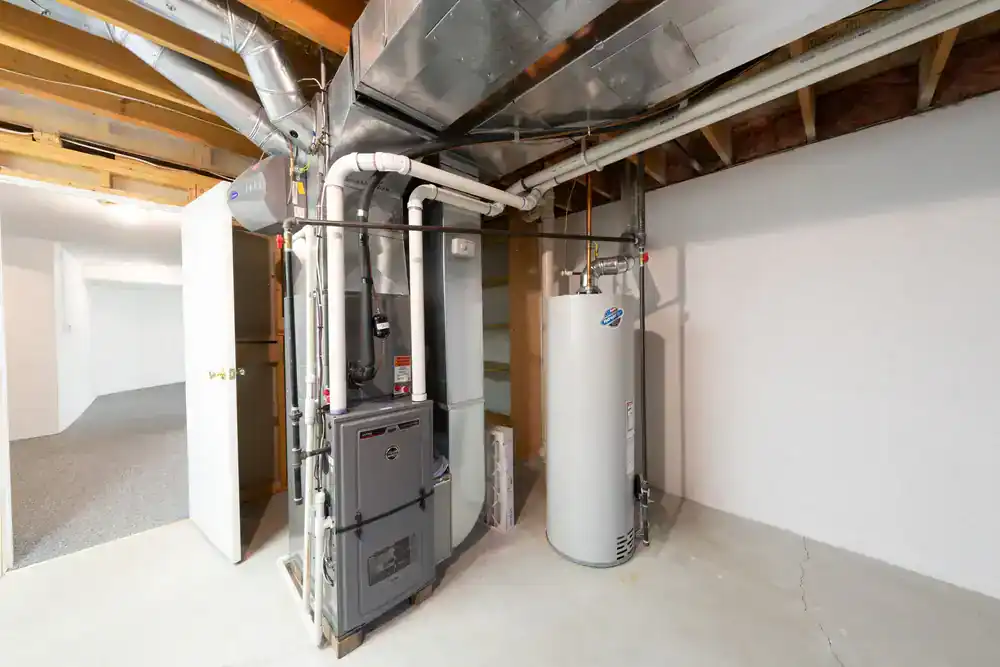
Next comes the diagnostic phase. Our HVAC technician inspects your entire AC system, checking components that work together to cool your home. We’re looking at how different parts interact because one small problem often creates symptoms elsewhere. A clogged filter seems minor, but it restricts airflow, reduces cooling capacity, and forces other components to work harder than they should.
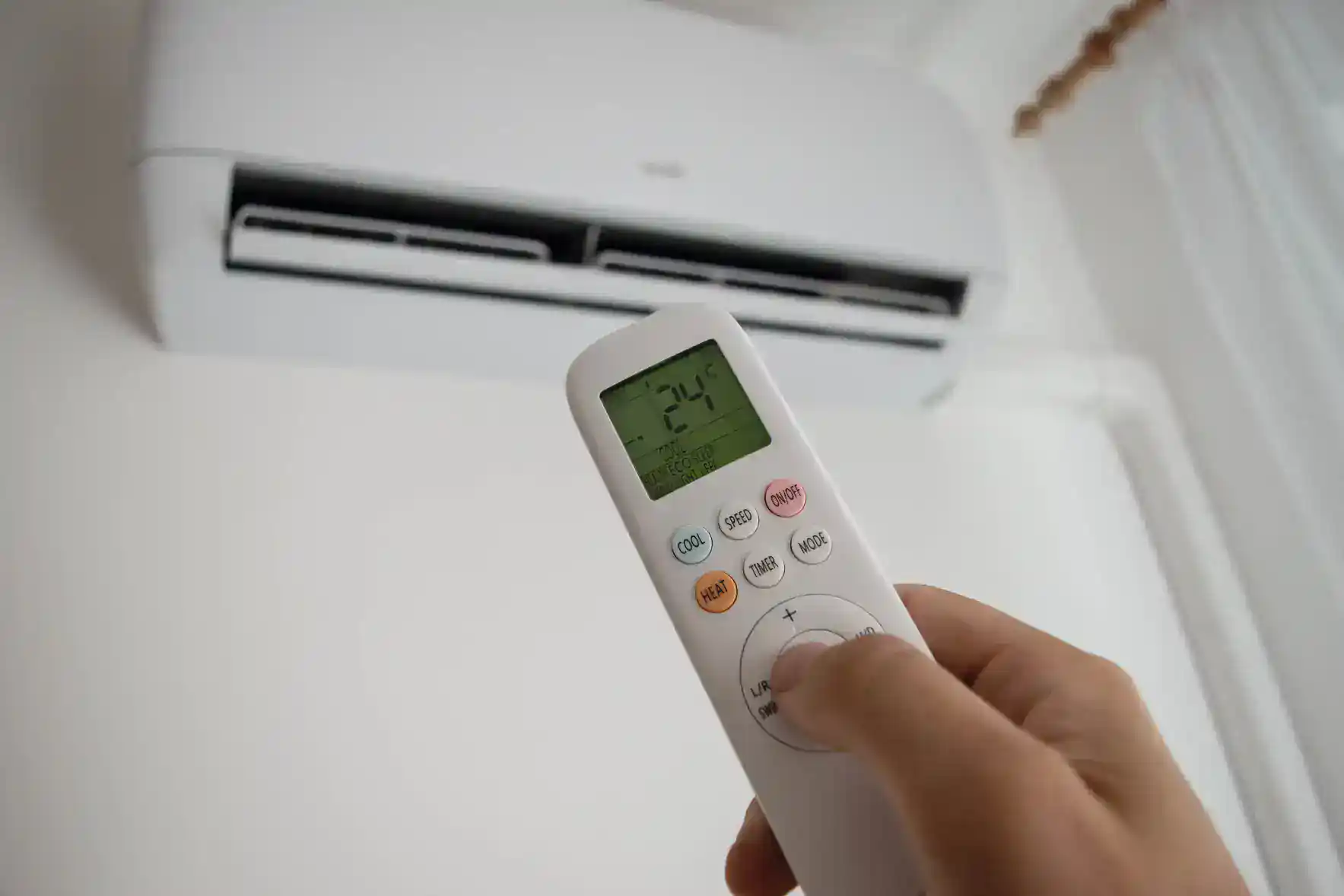
The diagnostic starts with your thermostat. Is it reading accurately? Is it set correctly? Sometimes the fix is simple, but we won’t know until we check. From there, we move to your indoor unit, examining the air filter, evaporator coil, and blower components.
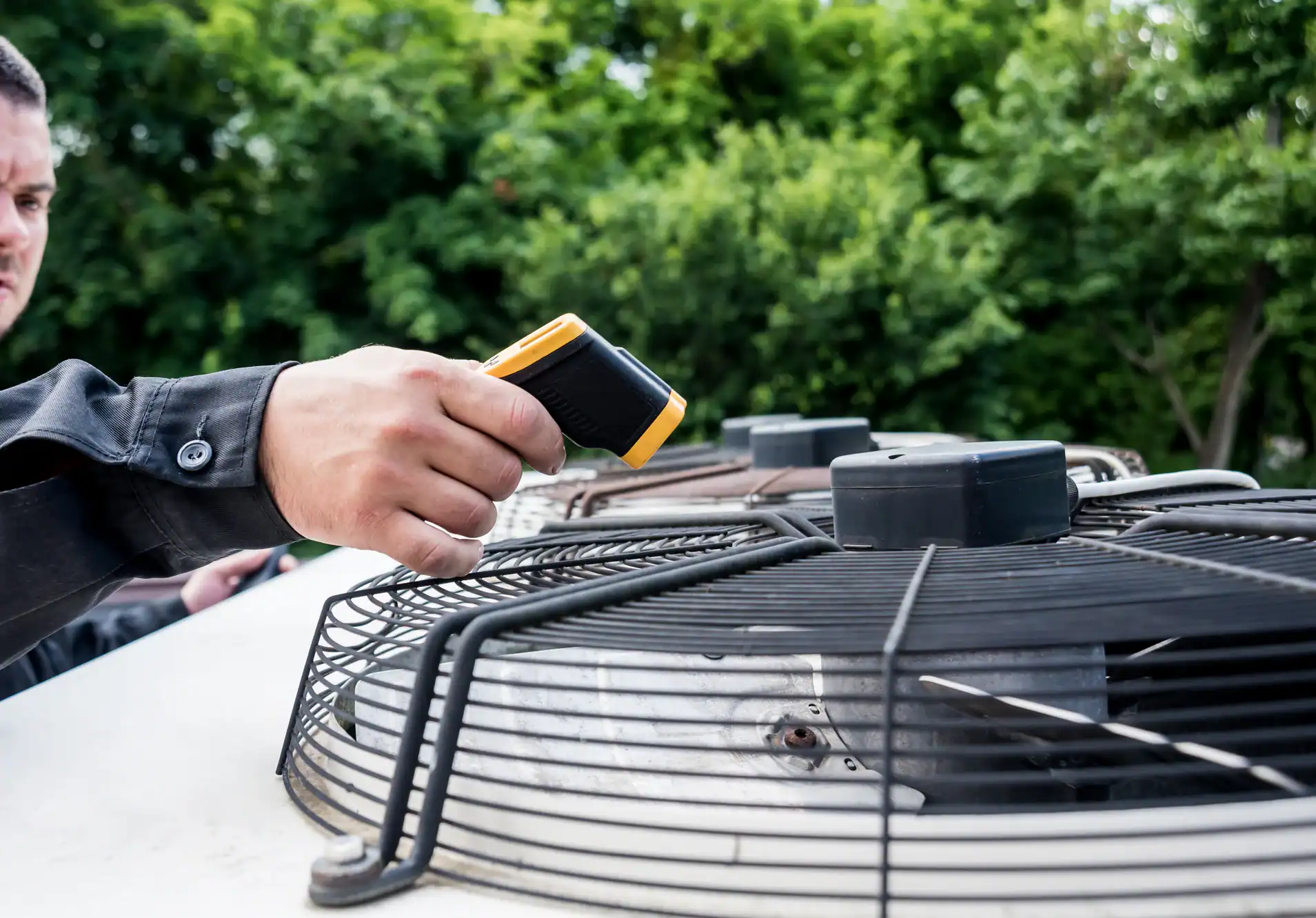
Outside, we inspect your condenser unit. In San Mateo County, this step matters more than in other areas. Our coastal air carries salt and moisture that creates buildup on condenser coils. This buildup reduces efficiency and forces your system to work harder. We know to look for this specific issue because it’s common here but not everywhere.
We’ll check refrigerant levels using gauges that measure pressure. Low refrigerant usually means a leak somewhere in the system. We’ll also test electrical components—capacitors, contactors, and wiring connections. These parts fail over time, especially when systems cycle frequently between our cool mornings and warm afternoons.
Our technicians use specialized tools throughout this process. Multimeters test electrical connections. Pressure gauges measure refrigerant. Thermometers check temperature differentials. This isn’t guesswork—it’s methodical testing to find the actual problem.
Once we identify the issue, we explain what we found, why it happened, and what it takes to fix it. You should understand the problem before any work begins. If something isn’t clear, ask. We’ll explain it differently until it makes sense.
San Mateo County’s climate creates specific AC problems you won’t find in drier, more stable climates. The marine layer keeps mornings cool, then afternoon temperatures spike. This constant temperature swing stresses your AC components in ways that steady heat doesn’t.
Refrigerant leaks top the list of expensive repairs here. The cycling between cool and hot creates pressure changes that can crack refrigerant lines over time. You’ll notice this when your system runs constantly but never quite reaches the temperature you set. The air coming from vents feels cool but not cold enough.
Capacitor failures come next. These small electrical components help motors start and run. During heat waves, when your AC works overtime, capacitors often fail. You’ll hear clicking sounds or notice your system trying to start but not succeeding.
Dirty coils cause more problems in San Mateo than many other areas. Salt air and fog create buildup that reduces efficiency and forces your system to work harder. Regular cleaning prevents this, but neglected coils can lead to compressor damage—one of the most expensive repairs possible.
Frozen evaporator coils happen when airflow gets restricted or refrigerant levels drop. You’ll see ice forming on the copper lines near your indoor unit. This isn’t normal and needs immediate attention. Running your AC with frozen coils can damage the compressor.
Thermostat malfunctions show up as inconsistent temperatures or systems that won’t respond. Sometimes it’s just dirty connections or dead batteries. Other times, the thermostat needs replacement. Either way, it’s usually a straightforward fix.
Blower motor problems affect airflow throughout your home. Some rooms stay warm while others cool properly. Strange noises from your indoor unit often point to blower issues. These motors work hard in our climate and eventually wear out.
Get a Free Quote!
Connect with a Eco Air Cooling and Heating expert for fast, friendly support.
AC repair costs in San Mateo County, CA vary based on what’s broken and how complex the fix is. Most air conditioning repairs fall between $150 and $650, though major component failures cost more. Understanding typical pricing helps you spot fair quotes versus inflated ones.
Service call fees typically run $75 to $200. This covers the HVAC technician’s time to diagnose your system. Some HVAC companies waive this fee if you proceed with repairs. Others don’t. Ask upfront so you know what you’re paying for diagnosis alone.
Capacitor replacement usually costs $200 to $500. These small parts fail frequently, especially during heat waves. The part itself is inexpensive, but the labor and service call make up most of the cost. This repair typically takes less than an hour once diagnosed.
Refrigerant recharge runs $200 to $800 depending on the type and amount needed. Here’s what matters: if your refrigerant is low, you probably have a leak. Just adding refrigerant without fixing the leak means you’ll need another recharge soon. A proper air conditioning repair finds and fixes the leak first, then recharges the system.
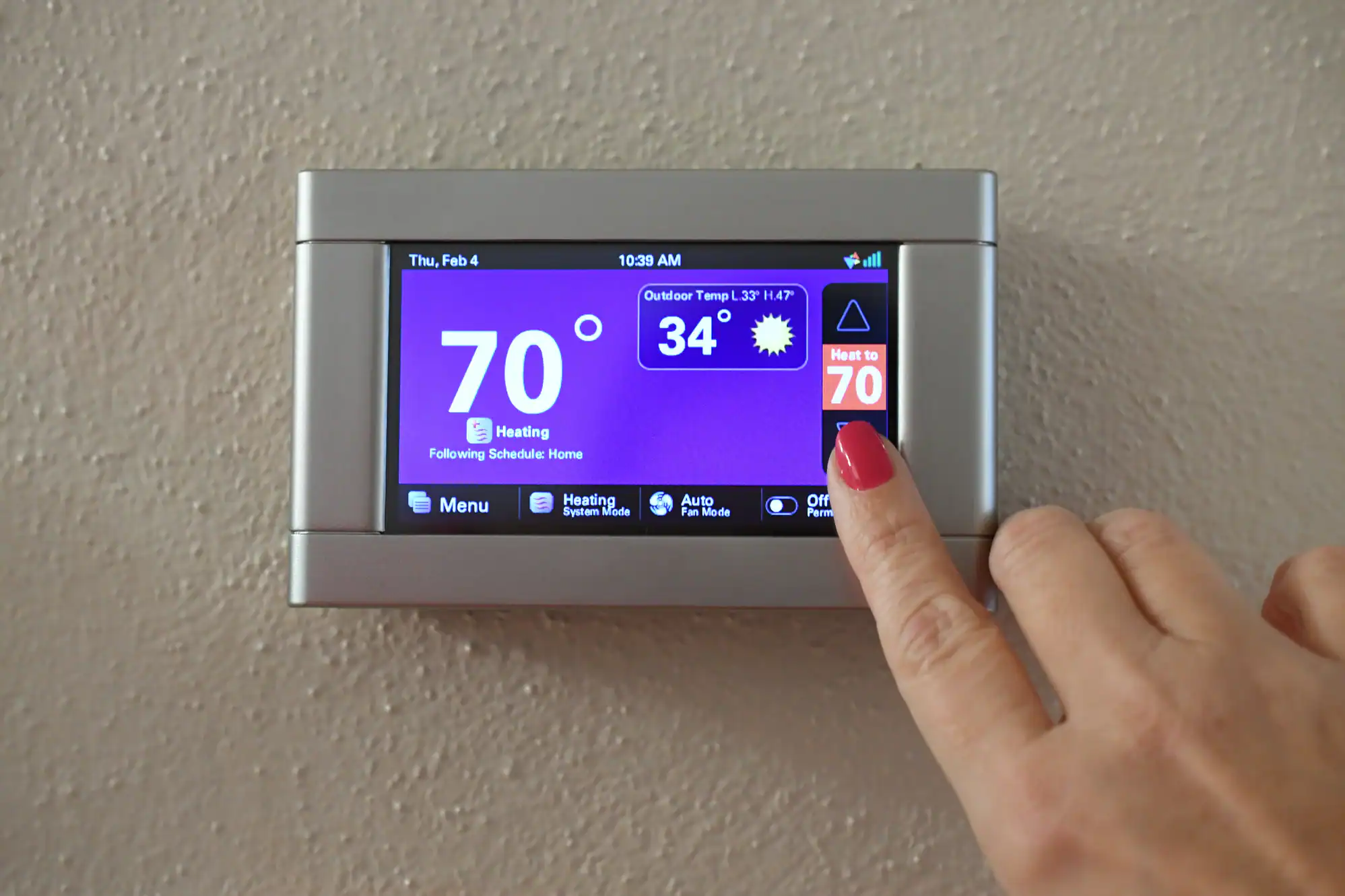
Thermostat replacement costs $100 to $280 for most models. Smart thermostats cost more but can lower your energy bills over time. The installation is straightforward for most homes.
Fan motor replacement ranges from $200 to $700. This includes both the blower motor inside your home and the condenser fan motor outside. Motors wear out over time, and replacement restores proper airflow.
Compressor replacement is the big one—$1,500 to $3,000 or more. At this price point, you need to consider your system’s age. If your AC is 10 to 15 years old and needs a compressor, replacement of the entire system often makes more financial sense than repairing.
Coil repairs or replacement cost $400 to $2,000. Evaporator coils and condenser coils can develop leaks or become so corroded they need replacement. In San Mateo’s coastal air, coil corrosion happens faster than inland areas.
Emergency HVAC service costs more. After-hours, weekend, or holiday repairs typically add $40 to $80 per hour to standard rates. Some companies charge double or triple for emergency calls. If you can wait until normal business hours, you’ll save money.
Fair pricing starts with clear communication. Before any work begins, you should receive a detailed explanation of what’s wrong, why it needs fixing, and how much it will cost. No surprises, no vague estimates that balloon later.
Watch for red flags. Technicians who immediately recommend full system replacement without thorough diagnosis might be pushing unnecessary work. A cracked heat exchanger claim without showing you the crack. Urgent safety warnings that feel designed to scare rather than inform. These tactics target homeowners who don’t know what questions to ask.
Get the diagnosis in writing. A legitimate HVAC company provides written estimates that break down parts and labor separately. This transparency lets you verify pricing and understand exactly what you’re paying for.
Ask about warranty coverage. Quality air conditioning repairs come with guarantees—typically 30 days to one year on labor, and manufacturer warranties on parts. If an HVAC contractor won’t stand behind their work, that tells you something about their confidence in the repair.
Consider the company’s history in your area. Businesses that have served San Mateo County for decades build reputations they protect. They can’t afford to overcharge or provide poor service because word travels in tight-knit communities. New companies or out-of-area contractors don’t have that same accountability.
Senior and military discounts indicate companies that value certain customers beyond just profit. These discounts—often 10% to 15%—show respect for people who’ve contributed to the community. Ask if you qualify.
References and reviews matter, but read them carefully. Look for specific details about how problems were solved, not just generic praise. Recent reviews tell you more about current HVAC service quality than ones from years ago.
Trust your instincts. If something feels off—high-pressure sales, reluctance to explain clearly, prices that seem way above or below typical ranges—get a second opinion. Legitimate HVAC contractors welcome informed customers who ask questions.
Air conditioning repair doesn’t need to be stressful or confusing. When you understand what happens during an HVAC service visit, what repairs typically cost, and which problems are common in San Mateo’s coastal climate, you can make informed decisions about your cooling system.
The key is working with an HVAC contractor who explains clearly, prices fairly, and fixes problems right the first time. You shouldn’t feel rushed or pressured. You should understand what’s broken, why it broke, and what it takes to fix it properly.
If your AC needs attention, we bring nearly 40 years of experience serving San Mateo County, CA homeowners. Our long-term technicians understand how coastal air affects your system differently than inland climates, and we explain everything clearly before any work begins.
Summary:
Article details:
Share: