Smart home technology isn't just changing how you control your lights—it's transforming how we deliver comfort, efficiency, and reliability to homeowners across San Mateo County.
Your HVAC system probably runs the same way it did twenty years ago. Set a temperature, wait for the room to get uncomfortable, adjust again, repeat. Meanwhile, your phone can predict what you want to watch, your car knows your usual routes, and your doorbell recognizes faces. The gap between what your home can do and what your HVAC system delivers keeps growing.
That’s changing faster than most homeowners in San Mateo, CA realize. We aren’t just installing smarter thermostats—we’re fundamentally rethinking how heating and cooling systems work with your life instead of against it. The question isn’t whether automation makes sense. It’s whether you’re ready to stop managing your comfort manually.
Let’s talk about what’s actually happening in the HVAC industry and why it matters for your home.
Smart HVAC automation isn’t about adding an app to control your thermostat, though that’s part of it. It’s about systems that learn, adapt, and make decisions without you thinking about temperature seventeen times a day.
Modern systems connect your HVAC equipment to sensors, weather data, and your actual usage patterns. They know when you’re home, when you’re asleep, and when you’re three miles out on your commute back. More importantly, they know how your San Mateo home responds to coastal fog rolling in or those unexpected heat waves that have become less unexpected lately.
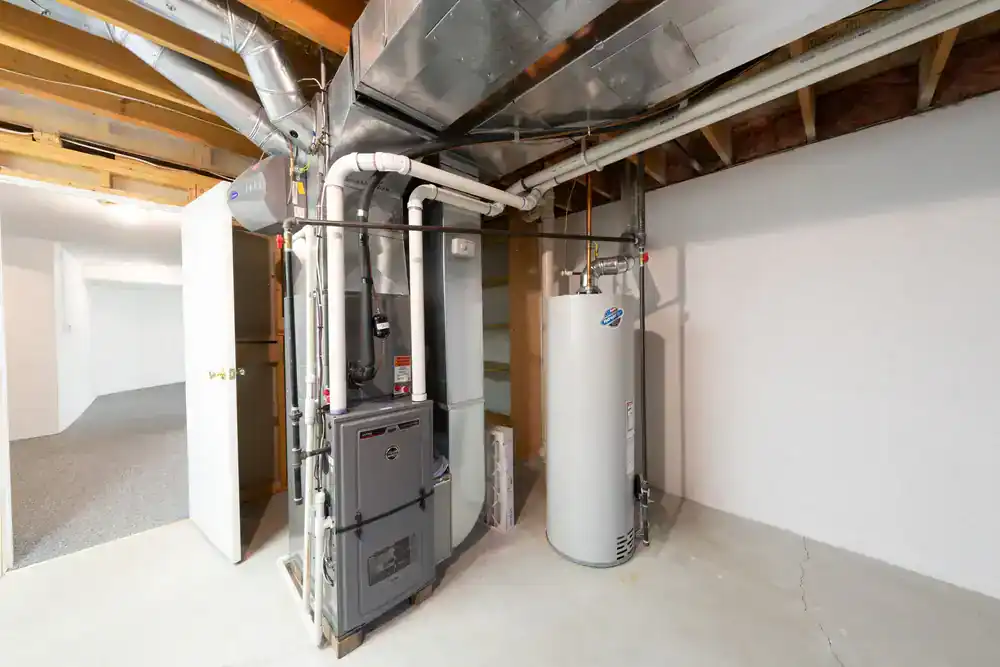
The HVAC contractor installing your system today has access to technology that simply didn’t exist five years ago. Equipment talks to thermostats. Thermostats talk to your phone. Your phone talks to your utility company’s grid management system. Everything works together to keep you comfortable while using less energy.
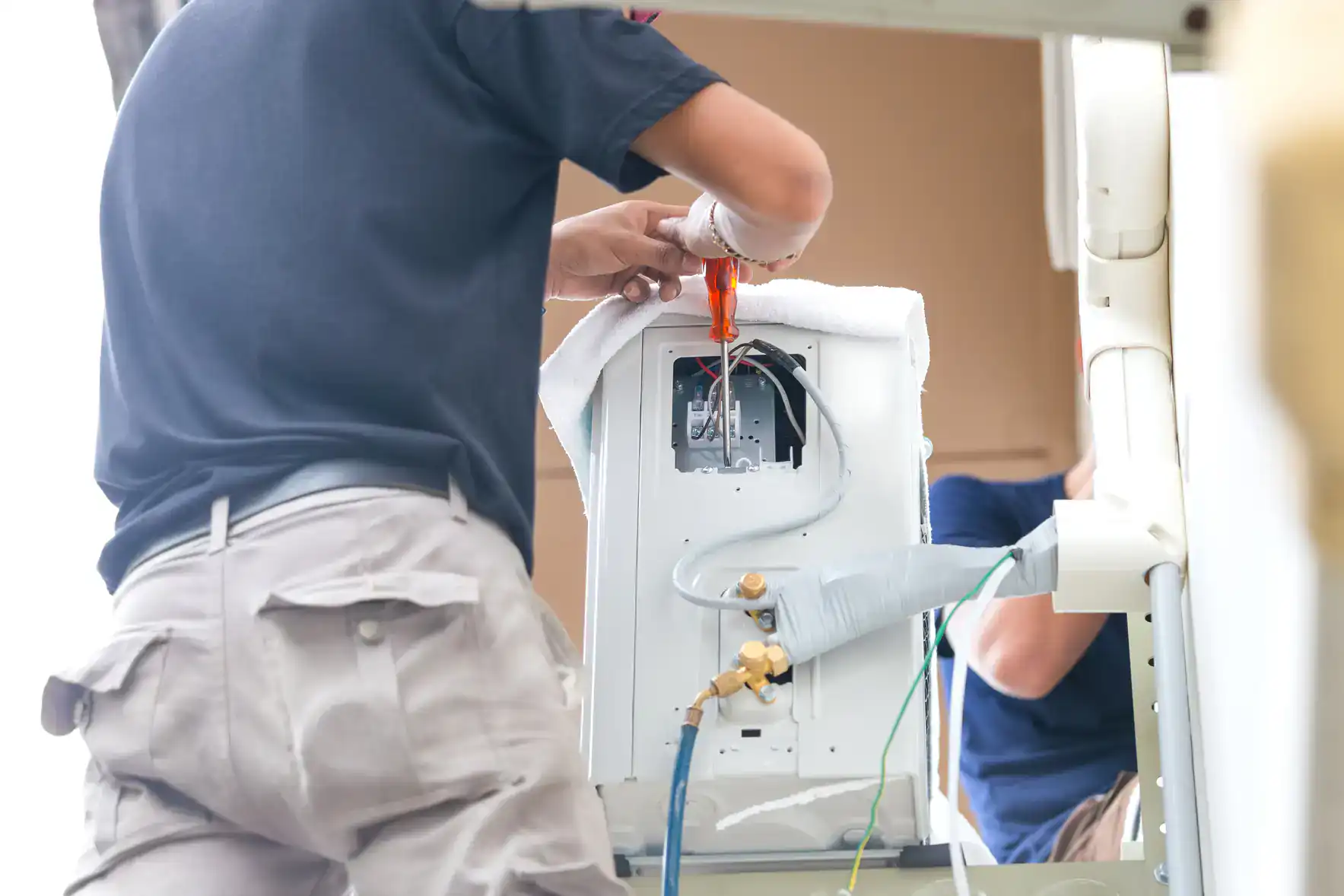
Here’s something most homeowners don’t think about until it’s too late: your HVAC system gives warning signs weeks or months before it actually fails. A slight efficiency drop. A component working harder than it should. Small changes that add up to expensive problems.
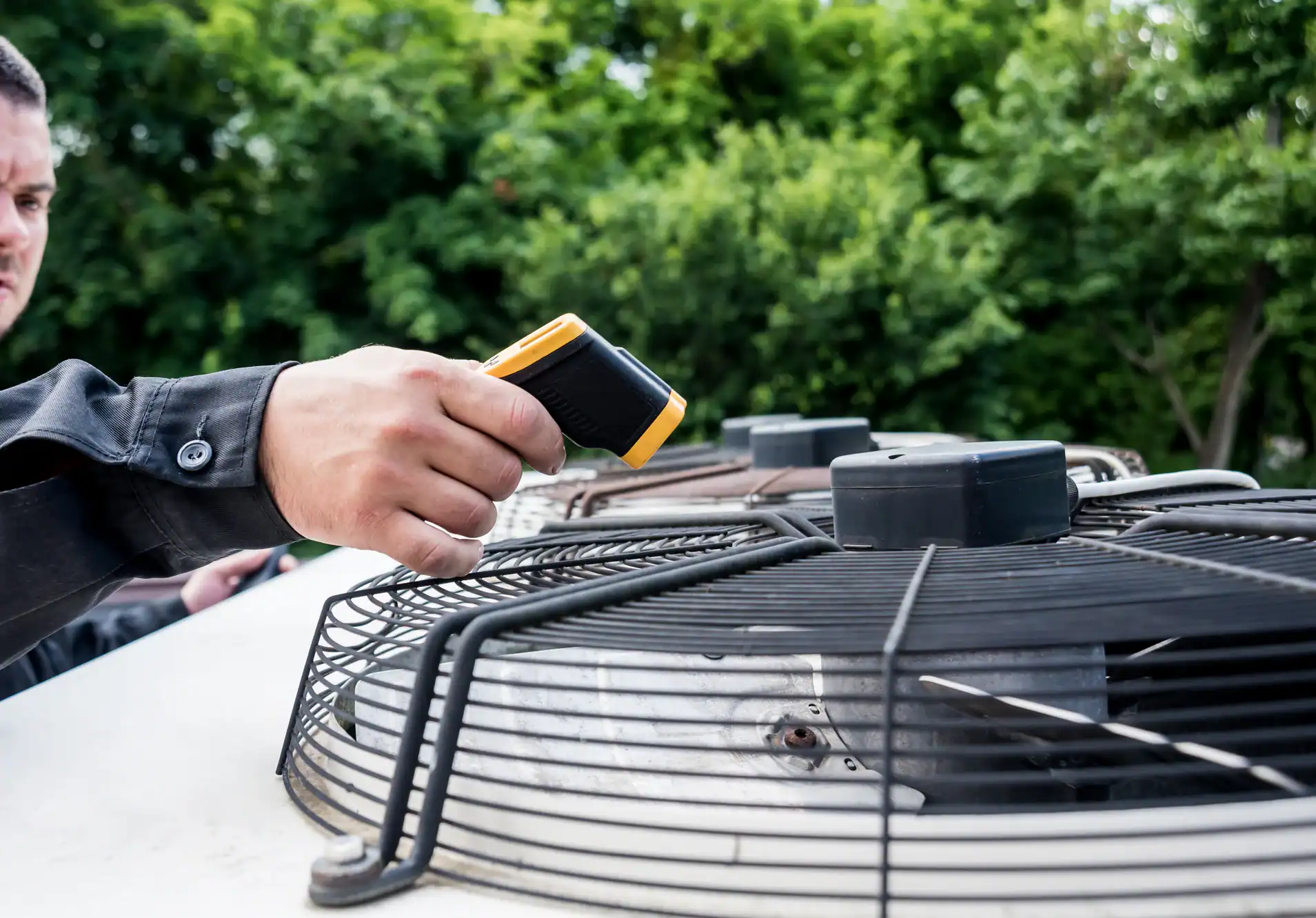
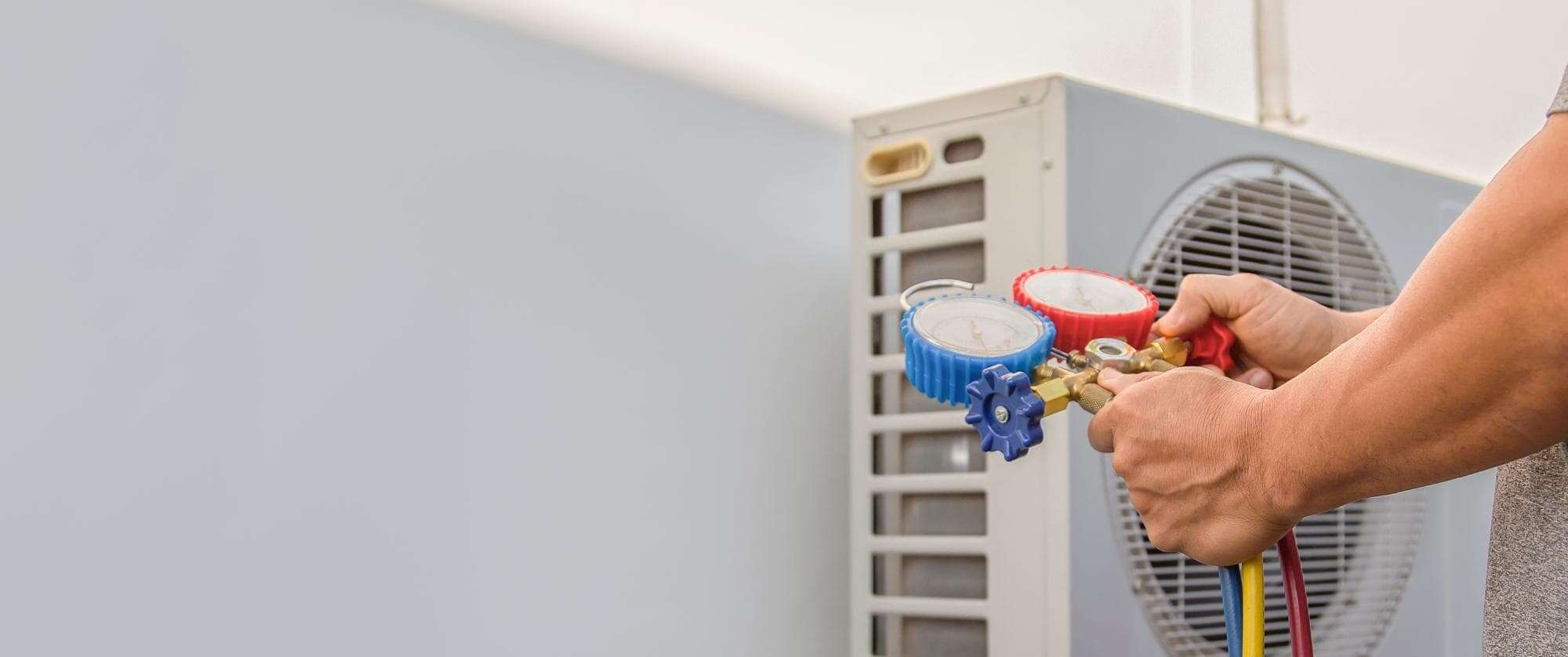
Smart automation changes that equation completely. Sensors monitor everything from airflow to energy consumption in real time. The system knows what normal looks like for your specific equipment in your specific home. When something shifts, you get an alert before the problem becomes a breakdown.
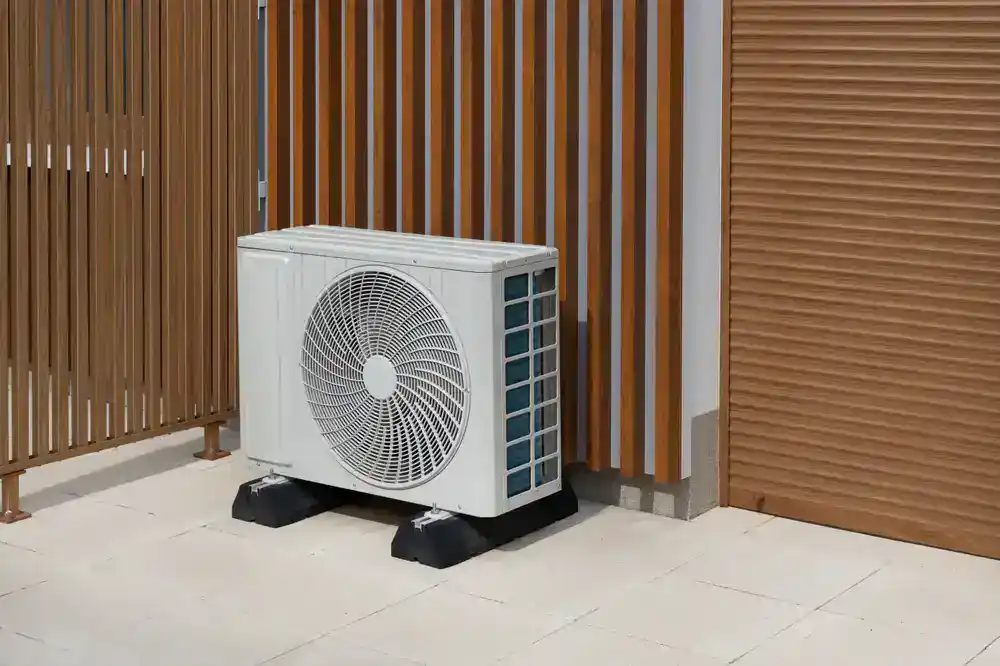
This matters more in San Mateo County, CA than you might think. Salt air from the coast affects outdoor units differently than inland systems. Temperature swings that can hit 30 degrees in a single day put unique stress on components. We can now track these specific challenges and address them proactively.
The data gets even more useful over time. Your system learns seasonal patterns, understands how your home responds to weather changes, and identifies which components might need attention during the next maintenance visit. It’s like having a technician monitoring your equipment 24/7, except the monitoring actually happens and costs you nothing extra.
Traditional HVAC service waits for something to break, then fixes it. Smart automation flips that model. You address small issues during scheduled maintenance instead of dealing with emergency repairs on the hottest day of summer. The cost difference isn’t small—emergency calls typically run 50-100% more than planned service.
Energy savings claims sound great until you get your next utility bill and see the same numbers. Smart HVAC automation delivers different results because it works differently than traditional programmable thermostats.
The problem with old programmable systems? About 40-70% of homeowners never actually program them correctly. You set a schedule once, your life changes, and the thermostat keeps running that outdated routine. Or you override the program so often it becomes pointless.
Smart systems eliminate that friction. They learn your patterns automatically. They adjust for weather conditions. They know that San Mateo’s marine layer affects your home’s humidity differently than inland areas, and they compensate without you touching a button.
The savings come from precision, not deprivation. Your system runs less when you don’t need it and adjusts gradually instead of blasting full power. It pre-cools before peak electricity rates kick in. It coordinates with your utility company to reduce usage during grid stress events, often earning you credits in the process.
Real numbers matter here. Smart thermostats typically cut heating and cooling costs by 10-20% annually. In California, where energy prices run higher than most states, that can mean the technology pays for itself in under a year. We can show you specific projections based on your current system and usage.
The efficiency gains compound over time. Modern HVAC equipment paired with smart controls operates at 95% efficiency when properly maintained. Skip the automation, and that same equipment might run at 70-80% efficiency because it’s cycling on and off inefficiently or running when nobody’s home.
Here’s what that looks like in practice: your system knows you typically leave for work at 8 AM. Instead of blasting cold air until 7:59 and then shutting off, it gradually reduces output starting at 7:30. When you’re driving home, it sees your location and starts pre-cooling so the house is comfortable when you walk in, not twenty minutes later. Every adjustment is small, but they add up to significantly lower bills.
Get a Free Quote!
Connect with a Eco Air Cooling and Heating expert for fast, friendly support.
The HVAC industry is splitting into two groups. Companies still doing business the old way—show up, fix what’s broken, leave—and companies using automation to deliver an entirely different service experience.
We install systems that communicate. We set up monitoring that catches problems early. We provide service based on actual equipment data instead of arbitrary calendar schedules. Most importantly, we give you control and information that was impossible just a few years ago.
This shift changes what you should expect from your HVAC company. Remote diagnostics mean technicians often know what’s wrong before they arrive. Maintenance visits focus on components that actually need attention instead of generic checklists. You get alerts about filter changes based on actual airflow restriction, not guesses about how long it’s been.
Your HVAC system doesn’t exist in isolation. It affects and is affected by everything else in your home—windows, insulation, occupancy, even your cooking schedule. Smart automation lets all these factors work together instead of fighting each other.
Integration starts with voice assistants and smartphone apps, but it goes much deeper. Your HVAC system can coordinate with smart blinds to reduce solar heat gain before your AC has to work harder. It talks to occupancy sensors to avoid cooling empty rooms. It monitors indoor air quality and adjusts ventilation automatically.
For San Mateo homeowners, this integration handles specific local challenges. When fog rolls in and humidity spikes, your system adjusts dehumidification without overcooling. During heat waves, it pre-cools your home during off-peak hours to reduce stress on the grid and your wallet. If you have solar panels, it can prioritize running during peak production hours.
The convenience factor matters more than most people expect. You’re not opening multiple apps to manage different systems. Everything works from a single interface. We set it up once, and it keeps working. You can override anything manually, but you rarely need to.
Smart integration also means your HVAC system plays well with whatever other smart home technology you add later. New security system? It can tell your HVAC when you’re away. Smart meter from your utility? It can shift usage to save money automatically. The system gets more useful over time instead of becoming outdated.
This is where local expertise makes a real difference. Understanding San Mateo County’s climate means we can configure your automation to handle coastal conditions specifically. We know which sensors matter most for salt air environments. We understand how marine layer affects humidity. We’ve seen how temperature swings impact different neighborhoods.
Traditional HVAC maintenance follows a calendar. Come out twice a year, run through a checklist, hope nothing breaks in between. Smart maintenance uses actual equipment data to determine when service is needed and what specifically needs attention.
This changes the relationship between homeowners and their HVAC service provider completely. Instead of waiting for annual visits, your system reports its status continuously. We can monitor multiple homes simultaneously and schedule service based on need, not arbitrary dates.
The business model shift benefits everyone. You pay for maintenance that actually maintains your system instead of generic tune-ups. We can plan service efficiently instead of cramming everything into spring and fall. Equipment lasts longer because problems get caught earlier.
Smart maintenance plans typically include remote monitoring, priority service when issues arise, and data-driven recommendations for repairs or upgrades. You’re not guessing whether that strange noise means trouble. We can often diagnose issues remotely and arrive with the right parts on the first visit.
For older homeowners in San Mateo—a key demographic for many HVAC companies—this approach provides peace of mind that traditional service can’t match. Your system is being watched even when you’re not thinking about it. Alerts go to family members if needed. Emergency situations get flagged before they become dangerous.
The cost structure makes sense too. Smart maintenance plans usually run $200-400 annually, which is less than a single emergency repair call. You get regular service, priority scheduling, and discounts on any needed repairs. We get predictable revenue and happier customers.
Data from smart systems also helps with bigger decisions. When your equipment is approaching end-of-life, we can show you exactly how efficiency has declined over time. You can see repair frequency trends. You get clear information about whether replacement makes financial sense instead of guessing based on age alone.
Smart home automation isn’t coming to the HVAC industry—it’s already here. The question isn’t whether automation makes sense, but whether your current HVAC company is equipped to deliver it properly.
The technology works. Energy savings are real and measurable. Predictive maintenance prevents expensive breakdowns. Remote monitoring provides peace of mind. Integration with other smart home systems makes everything more convenient. These aren’t promises about the future. They’re capabilities available right now.
What matters is working with an HVAC contractor who understands both the technology and your specific needs. San Mateo County’s coastal climate creates challenges that generic automation setups don’t handle well. You need expertise that combines local knowledge with technical capability.
For homeowners ready to move beyond manual temperature management, smart HVAC automation delivers comfort that adapts to your life instead of requiring constant adjustment. Your system works harder when you need it and conserves energy when you don’t. Problems get caught before they become emergencies. Everything connects and coordinates automatically.
If you’re tired of managing your comfort manually or want to see what modern HVAC service actually looks like, we’ve been serving the area since 1985. Four decades of local experience combined with the latest automation technology means you get both reliability and innovation. That combination is harder to find than you might think.
Summary:
Article details:
Share: