San Mateo homeowners face a critical choice in 2026: wait for rebate approval or risk losing thousands. Here's what the reservation waitlist means for your heat pump installation.
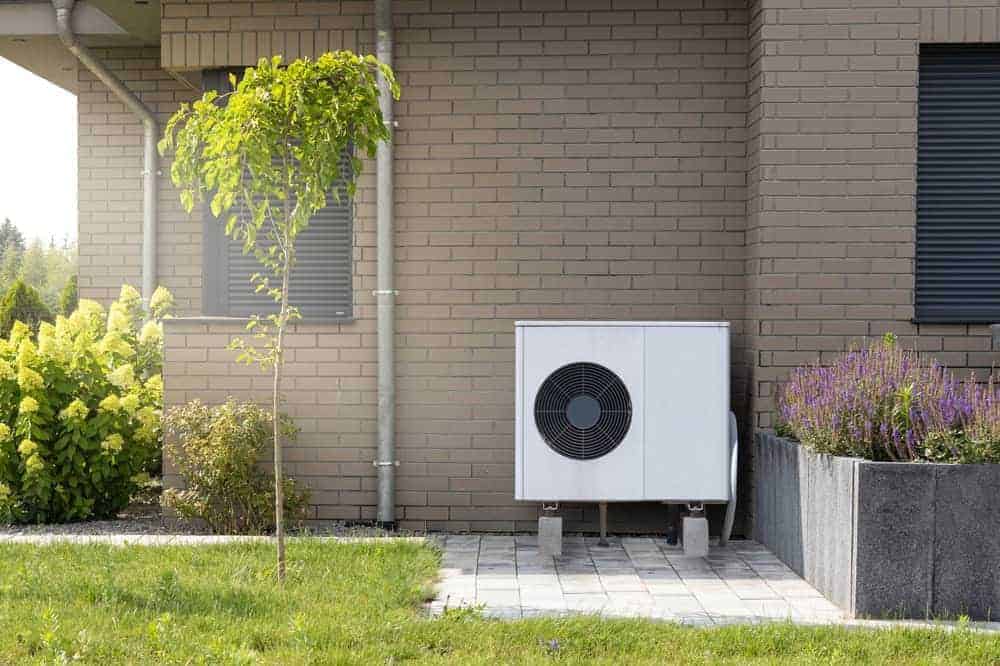
As of February 24, 2026, HEEHRA rebates for single-family homes are fully reserved statewide. That means the program stopped accepting new income verification applications across California, including San Mateo County. Every reservation request that wasn’t already approved went onto a waitlist.
If you’re on that waitlist, you can’t move forward with installation yet. Not if you want the rebate. The rule is clear: your heat pump has to be installed after your reservation gets approved, not before. Install early, and you’re ineligible—even if you were technically “in line” when you started the project.
This isn’t just a Northern California issue. Central and Southern California hit full capacity even earlier, back in January. The funding ran out faster than most people expected, and now the approval process is the bottleneck everyone’s dealing with.
The HEEHRA program offers rebates based on your household income relative to your county’s area median income. If your household earns less than 80% of the AMI, you qualify for up to $8,000. Between 80% and 150% AMI, it’s up to $4,000.
That’s real money. For most families, it’s the difference between affording a heat pump upgrade this year or putting it off indefinitely.
But here’s where it gets more interesting. You’re not limited to just HEEHRA. Peninsula Clean Energy offers its own rebates for heat pump HVAC systems, and those can be stacked with federal and state programs. Depending on your situation, you could be looking at significant combined savings—but only if you navigate the process correctly.
The issue is that these programs don’t operate on the same timeline or under the same rules. Peninsula Clean Energy rebates are processed post-installation. HEEHRA requires pre-approval. If you don’t understand which comes first, you can easily disqualify yourself from one while trying to claim the other.
And it’s not just about knowing the rules. It’s about having documentation ready, working with a TECH Clean California-certified contractor who’s HEEHRA-trained, and making sure every step is completed in the right order. Miss one detail, submit paperwork late, or install before approval, and you’re out thousands of dollars with no way to get it back.
Most homeowners don’t have time to become experts in state energy policy. You’re busy. You have a heating system that needs replacing, a budget to manage, and a dozen other things demanding your attention. That’s exactly why the reservation approval process has become such a problem—it’s not intuitive, it’s not forgiving, and the consequences of getting it wrong are steep.
The reservation system wasn’t designed to frustrate homeowners. It was designed to prevent fraud and ensure that limited funds go to people who are genuinely ready to complete qualifying projects. The problem is that “ready” has a very specific definition in this context, and it doesn’t always align with what makes sense from a homeowner’s perspective.
Here’s how it’s supposed to work. You verify your income first. That gets you a code proving you’re eligible. Then you find a HEEHRA-trained contractor and they submit a reservation request on your behalf. Once that reservation is approved—and only once it’s approved—you can schedule installation. After the work is done, your contractor submits the rebate application, and eventually you receive your money.
Every step has to happen in that order. You can’t skip ahead. You can’t assume approval is coming and start early. You can’t even begin installation if your reservation is still pending.
Why the strict sequence? Because the program is managing limited funds across thousands of applicants. If people could install first and apply later, the state would have no way to control how much money gets committed. Reservations let them allocate funds in real time and ensure that approved projects actually have funding waiting for them.
The trade-off is that homeowners are stuck waiting. And in San Mateo, where older heating systems fail without warning and contractors are booked weeks out, that waiting period creates real problems. Your furnace doesn’t care that you’re on a waitlist. Neither does the February weather when it dips into the 40s at night.
This is where working with a contractor who understands the system makes a tangible difference. We know how to expedite income verification, how to submit reservation requests correctly the first time, and how to communicate with program administrators when issues come up. We’ve done this before—dozens of times—and we know which mistakes to avoid.
An inexperienced contractor might tell you to go ahead and schedule installation while the reservation is pending, thinking approval is just a formality. That advice costs you everything. A knowledgeable contractor knows better. We know the waitlist is real, we know approval isn’t guaranteed, and we know that protecting your rebate eligibility is just as important as installing the equipment correctly.
Get a Free Quote!
Connect with a Eco Air Cooling and Heating expert for fast, friendly support.
If you’re on the waitlist or thinking about applying, the most important thing you can do right now is resist the urge to move forward before you have written confirmation that your reservation is approved. That sounds obvious, but when your heating system is struggling and a contractor has an opening next week, the temptation to just get it done is strong.
Don’t. The rebate isn’t a bonus—it’s part of your project budget. Losing it changes the entire financial equation. A $12,000 heat pump installation that you planned to offset with $8,000 in rebates suddenly becomes a $12,000 out-of-pocket expense. That’s not a minor difference.
The second thing you need is a contractor who’s actually certified to handle HEEHRA rebates. Not every HVAC company is. The program requires contractors to be TECH Clean California-enrolled and HEEHRA-trained. If your contractor isn’t, they can’t submit your reservation request, and you can’t access the rebate at all—even if you’re income-qualified.

This is the scenario that keeps people up at night. You’re on the waitlist. You’re doing everything right. Then your furnace dies in the middle of winter, and you need heat now, not in six weeks when your reservation might get approved.
The program does have provisions for emergency replacements, but they’re reviewed on a case-by-case basis. The general advice is to verify your income before the emergency happens if possible, and then have your contractor reach out to the program team immediately to explain the situation.
There’s no guarantee they’ll make an exception. But if you haven’t even started the income verification process yet, you have no chance at all. At least if you’re already in the system, there’s a possibility of working something out.
This is another reason why starting the process early matters, even if you’re not planning to install for several months. Get your income verified. Get on the waitlist. Establish that you’re a legitimate applicant who’s been waiting. If an emergency happens later, you’re in a much stronger position to request an exception than someone who’s just now discovering the program exists.
In the meantime, if your current heating system is showing signs of trouble—strange noises, inconsistent temperatures, higher energy bills—get it serviced. A $200 repair that buys you two more months might be the difference between keeping your rebate eligibility and losing it. It’s not ideal, but it’s pragmatic.
And if your system does fail and you absolutely need heat immediately, talk to your contractor about temporary solutions. Space heaters aren’t a long-term answer, but they can get you through a cold week while you wait for approval. Some contractors can also expedite parts of the process if they have strong relationships with program administrators, though that’s not something you can count on.
The key is communication. Don’t assume your contractor knows you’re waiting on rebate approval. Don’t assume they’ll check before scheduling installation. Make it explicitly clear that you cannot proceed until your reservation is approved, and confirm that they understand the consequences of moving forward early.
While HEEHRA rebates are fully reserved and waitlisted, Peninsula Clean Energy’s rebate programs are still active. These are separate incentives offered at the local utility level, and they haven’t hit the same capacity issues that the state program has.
Peninsula Clean Energy offers rebates for heat pump HVAC systems that can be combined with other incentives. The application process is different—you apply after installation is complete, not before. That means there’s no reservation system and no risk of losing eligibility by installing too early. You complete the work, submit your documentation, and receive your rebate.
The trade-off is that these rebates are generally smaller than HEEHRA. But if you’re stuck on the HEEHRA waitlist with no approval in sight, Peninsula Clean Energy rebates might be the best option available to you right now. And if your HEEHRA reservation does eventually get approved, you can potentially stack both.
The application requires photos of your installed equipment, your final invoice, and a copy of your city permit. Most contractors are familiar with the process and can either submit the application on your behalf or walk you through doing it yourself. The review typically takes about 15 business days, and once approved, they mail you a check.
It’s not as lucrative as the full HEEHRA rebate, but it’s something. And in a year where thousands of homeowners are getting nothing because they’re stuck on waitlists, something is better than nothing.
The other advantage of Peninsula Clean Energy rebates is that they’re available regardless of income. You don’t need to verify your household earnings or qualify based on area median income. If you’re a Peninsula Clean Energy customer and you install qualifying equipment, you’re eligible. That makes the process simpler and faster for people who don’t want to deal with income documentation.
For homeowners who were counting on HEEHRA and didn’t get approved, this becomes the fallback. It won’t cover as much of your installation cost, but it still helps. And if you’re working with a contractor who knows how to maximize available incentives, we can often find additional rebates or financing options that bring your total savings closer to what you were originally hoping for.
The lesson here is that the rebate landscape is complicated, and it’s changing fast. What was true in November 2025 isn’t true in February 2026. Programs run out of money, new restrictions get added, and deadlines shift. Staying on top of all of that while also trying to make smart decisions about your home’s heating system is a lot to manage on your own.
The 2026 rebate situation is frustrating, but it’s not hopeless. Thousands of San Mateo homeowners are navigating this same process right now, and many of them are successfully securing rebates by working with contractors who understand the system.
The key takeaways are simple. Don’t install before your reservation is approved. Work with a HEEHRA-trained contractor who can handle the paperwork. Explore Peninsula Clean Energy rebates as a backup or supplement. And start the process early, even if you’re not ready to install immediately, because getting on the waitlist now gives you options later.
If you’re looking for a heat pump installer in San Mateo who’s been navigating these programs for decades, we’ve been serving the Peninsula since 1985. We understand the local rebate landscape, we know how to protect your eligibility, and we’ve helped hundreds of homeowners make the transition to energy-efficient heating without leaving money on the table.
Summary:
Article details:
Share: