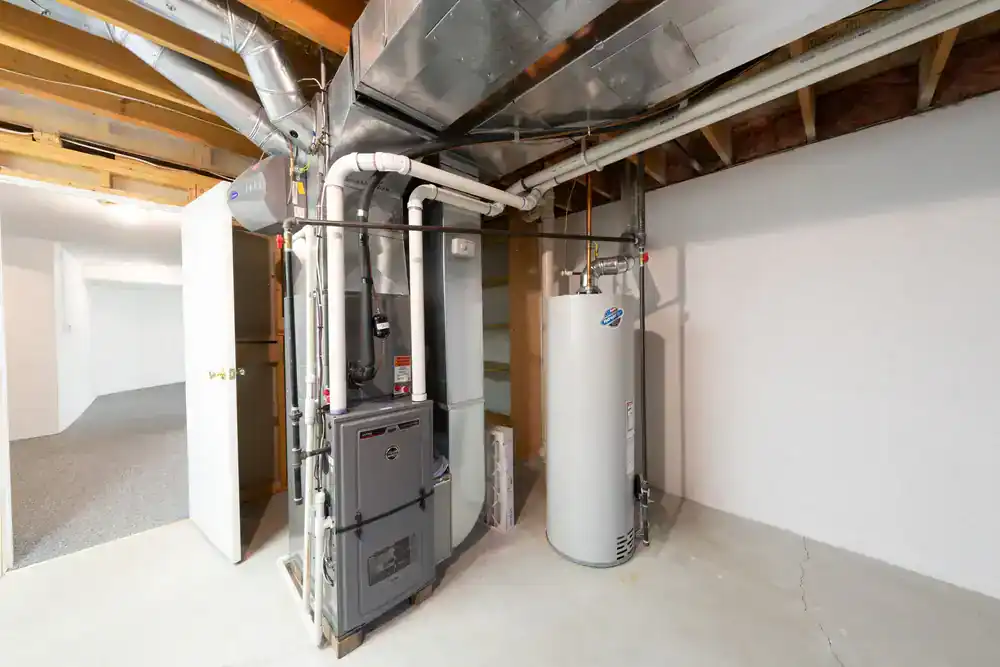
Tired of squinting at confusing thermostats? Learn how senior-friendly smart thermostats with large displays and voice control can save you money while making comfort effortless.
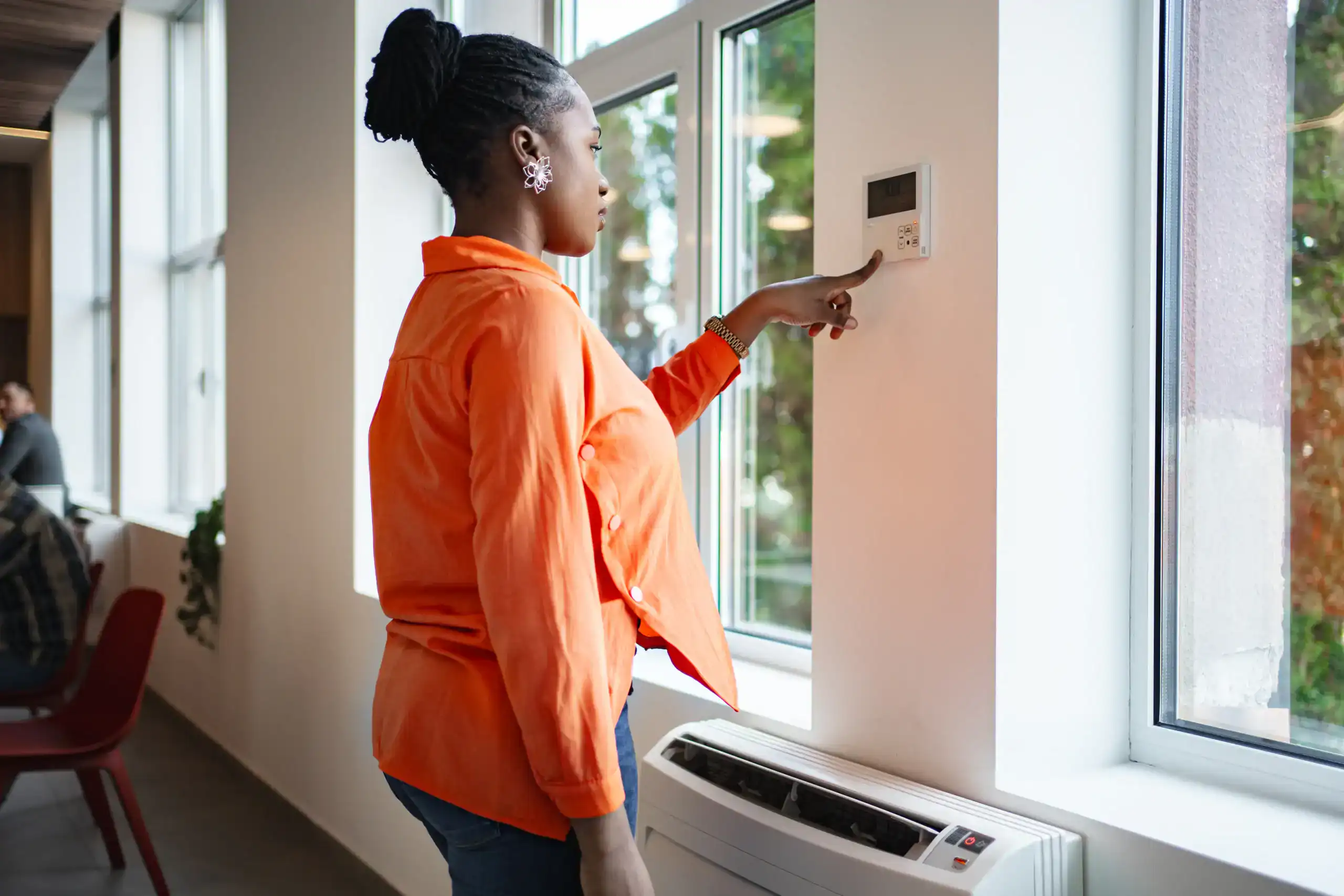
If you’ve ever stood in front of your thermostat, squinting at tiny numbers and pressing buttons that do who-knows-what, you’re not alone. For many older adults in San Mateo, PA, the simple act of adjusting the temperature has become an exercise in frustration. And when you can’t easily control your heating and cooling, you end up wasting energy and money.
Here’s the good news: there’s a better way. Senior-friendly thermostats with large displays, simple controls, and even voice activation are changing how older homeowners manage comfort. These aren’t gadgets for tech enthusiasts. They’re practical tools designed to make your life easier while cutting your utility bills.
Pairing these modern controls with efficient systems like heat pump installation can further enhance comfort and energy savings throughout your home. Let’s talk about what makes these thermostats different and why they might be exactly what your home needs.
Not all thermostats are created equal, especially when it comes to usability for older adults. A senior-friendly thermostat prioritizes clarity and simplicity over flashy features you’ll never use.
The best models feature displays with large, bold numbers you can actually read from across the room. No more leaning in close or searching for your reading glasses every time you want to check the temperature. High-contrast screens with backlighting make the display visible in any lighting condition, day or night.
Simple interfaces matter too. Instead of navigating through multiple menus and settings, senior-friendly thermostats use straightforward controls. Some models use a single dial you turn to adjust temperature—familiar and intuitive. Others have clearly labeled buttons with only the essential functions. The goal is to remove confusion so you can focus on comfort, not technology.
One of the biggest complaints about modern thermostats is that you need a magnifying glass to read them. Manufacturers seem to forget that not everyone has perfect vision, and tiny digital numbers create unnecessary barriers.
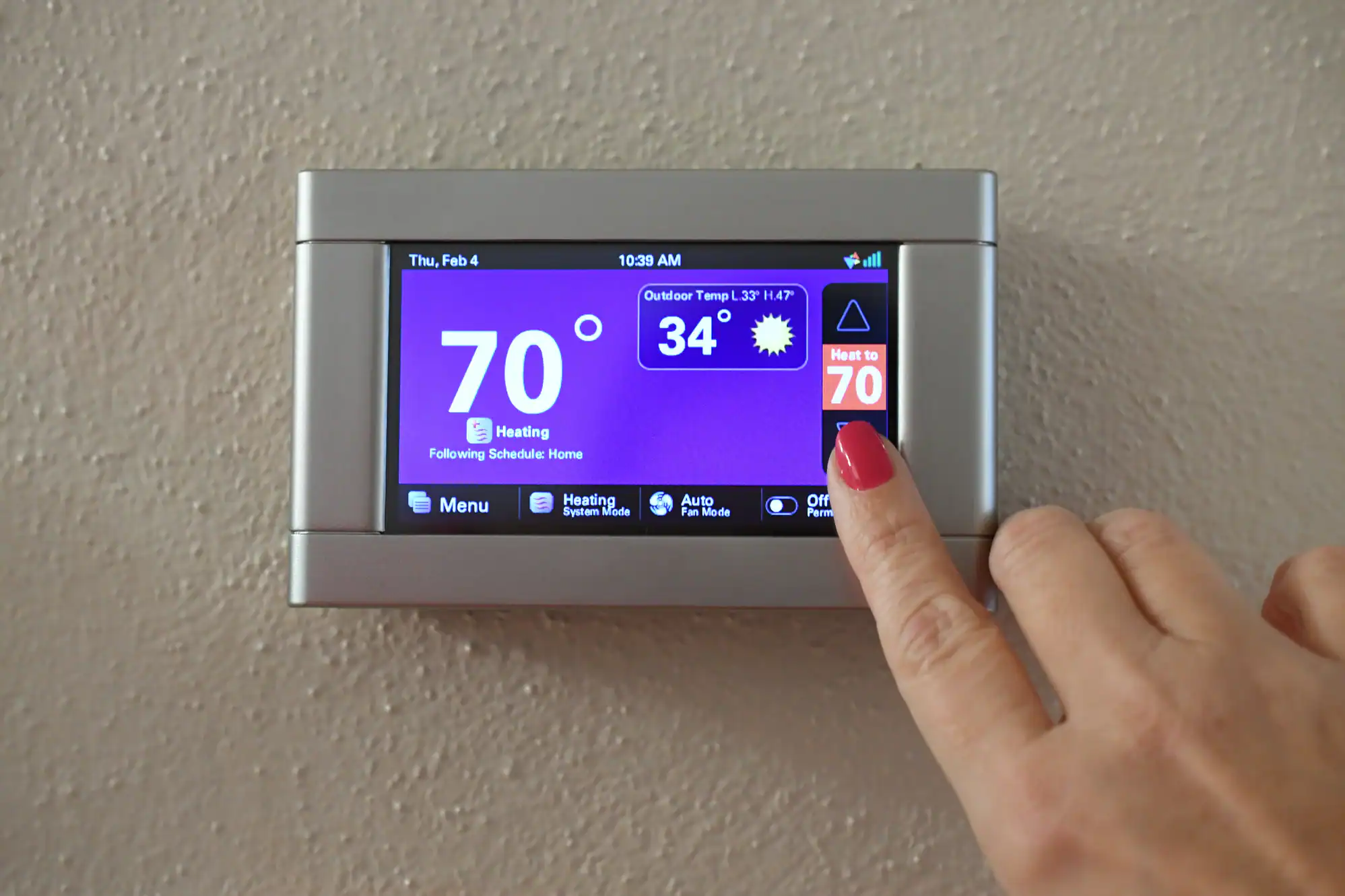
Large display thermostats solve this problem immediately. These models feature oversized digits—often 1 inch or larger—that are visible from anywhere in the room. The numbers are crisp, clear, and easy to distinguish. You’ll know at a glance what temperature your home is set to and what the current temperature reads.
Many of these thermostats also use color-coded displays to show heating versus cooling modes. A flame icon might appear when the heat is on, while a snowflake indicates cooling. These visual cues eliminate guesswork. You don’t need to remember what “mode 3” means or decode cryptic abbreviations.
The physical design matters too. Some senior-friendly thermostats have raised markings you can feel, which helps if your vision is limited. The tactile feedback gives you confidence that you’re making the right adjustment. Others feature bright backlit screens that automatically illuminate when you approach, making nighttime adjustments easier without fumbling for light switches.
Installation is typically straightforward for a local HVAC company with experience in senior homes. A qualified technician can replace your old thermostat with a large-display model in under an hour, and they’ll walk you through how to use it before they leave. You don’t need to rewire your entire system or make major changes to your home.
The difference a readable display makes in daily life is significant. You’ll check and adjust your thermostat more confidently, which means you’re more likely to keep your system running efficiently. When you can see what’s happening, you stay in control.
Getting up to adjust the thermostat might not sound like a big deal, but when you have mobility challenges or arthritis, every trip across the room adds up. Voice-controlled thermostats eliminate this problem entirely by letting you change the temperature with simple spoken commands.
These systems work with voice assistants like Amazon Alexa, Google Assistant, or Apple Siri. Once your thermostat is connected, you can say things like “set the temperature to 72 degrees” or “make it warmer” from wherever you’re sitting. The thermostat responds immediately, adjusting your heating or cooling without you having to move.
Voice control is especially helpful if you use a wheelchair, walker, or cane. You don’t need to navigate to the wall-mounted thermostat, reach up to press buttons, or struggle with small controls. Just speak naturally, and your home responds. It’s also useful when your hands are full, you’re cooking dinner, or you’re already comfortable on the couch and don’t want to get up.
The technology isn’t complicated to use. Most voice-controlled thermostats come with clear setup instructions, and we can handle the installation and initial configuration. We’ll connect the thermostat to your home’s Wi-Fi network and link it to your preferred voice assistant. From there, you’re ready to start using voice commands.
Many seniors worry that voice technology won’t understand them or will be too finicky. Modern systems have improved dramatically. They recognize different accents, speech patterns, and even work well if you speak slowly or clearly. If the system doesn’t understand a command, it will usually ask you to repeat it or offer suggestions for how to phrase your request.
Another benefit of voice control is that family members or caregivers can help you manage your home temperature remotely. If you have adult children who worry about you during extreme weather, they can check your thermostat settings through a smartphone app and make adjustments if needed. This gives everyone peace of mind without being intrusive.
The cost of voice-controlled thermostats has come down significantly in recent years. While they were once premium products, many affordable options now exist that deliver excellent performance. When you factor in the energy savings these smart thermostats provide—typically 10-20% on your heating and cooling bills—the investment pays for itself within a year or two.
Get a Free Quote!
Connect with a Eco Air Cooling and Heating expert for fast, friendly support.
Saving money on utility bills isn’t about suffering through uncomfortable temperatures. It’s about using energy more efficiently, and that’s exactly what modern senior-friendly thermostats help you do. These devices can reduce your heating and cooling costs by hundreds of dollars per year without requiring you to make sacrifices.
The key is automation and smart scheduling. Traditional thermostats require you to remember to adjust the temperature when you leave the house or go to bed. Most people forget, which means the heating or cooling runs all day even when it’s not needed. Senior-friendly smart thermostats learn your routine and make these adjustments automatically.
For example, if you typically leave for errands at 10 AM and return around 2 PM, the thermostat will notice this pattern. It will automatically lower the heating or cooling while you’re gone and bring the temperature back to your preferred setting before you return. You walk into a comfortable home without wasting energy on an empty house. The same principle applies at night when you’re sleeping and may prefer a slightly cooler temperature.
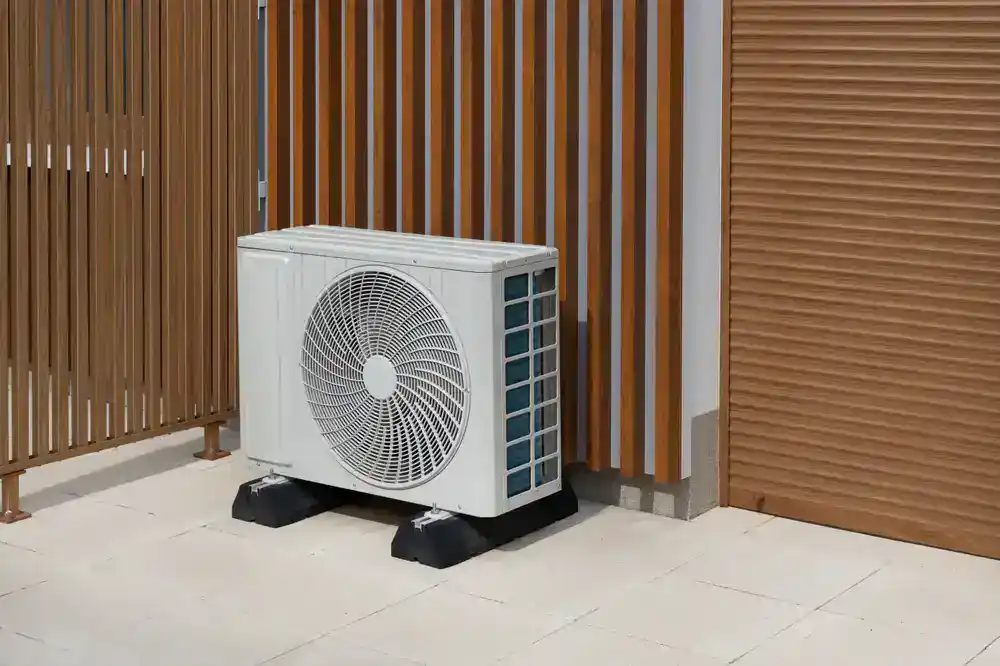
One of the most appealing features of senior-friendly smart thermostats is their ability to operate on autopilot once you’ve set your preferences. This “set-it-and-forget-it” approach removes the daily burden of temperature management while still keeping your home comfortable.
After initial setup, the thermostat learns what temperatures you prefer at different times of day. It tracks when you’re typically home, when you’re active, and when you’re sleeping. Using this information, it creates a custom schedule that matches your lifestyle. You don’t need to program anything manually or remember to make adjustments.
The learning process is gradual and happens in the background. You won’t notice the thermostat making changes—you’ll just notice that your home feels comfortable more consistently and your energy bills start dropping. Most systems take about a week to learn your patterns, though they continue refining their understanding over time.
This automation is particularly valuable for seniors who may forget to adjust the thermostat or find the process too complicated. Instead of worrying whether you remembered to turn down the heat before bed, you can trust that the system is handling it. This peace of mind is worth a lot, especially during extreme weather when heating or cooling costs spike.
Many set-it-and-forget-it thermostats also include geofencing technology. This feature uses your smartphone’s location to detect when you’ve left home or are returning. If you leave unexpectedly, the thermostat automatically adjusts to save energy. When you’re on your way back, it brings the temperature to your preferred setting so you arrive to a comfortable home.
For seniors who don’t carry smartphones everywhere, this feature can be disabled without affecting the thermostat’s other benefits. The system will still follow your learned schedule and make automatic adjustments based on time of day. You maintain full control over how much automation you want to use.
The energy savings from automated temperature control are substantial. Studies show that homes with smart thermostats typically see 10-20% reductions in heating and cooling costs. For a household spending $1,500 per year on HVAC energy, that’s $150-$300 in annual savings. Over the lifetime of the thermostat, you’re looking at thousands of dollars back in your pocket.
Let’s talk actual numbers, because that’s what matters when you’re on a fixed income. Senior-friendly smart thermostats deliver measurable savings that show up on your monthly utility bills, and the results are consistent across different climate zones and home types.
Research from ENERGY STAR shows that smart thermostats save approximately 8% on heating and cooling bills on average, which translates to about $50 per year for a typical household. However, many users see significantly higher savings—10% to 20% or more—depending on their previous thermostat habits and how efficiently they were managing their system.
If your current monthly heating and cooling costs average $125, an 8% reduction saves you $10 per month or $120 annually. A 15% reduction saves you nearly $19 per month or $225 per year. These aren’t trivial amounts, especially when you consider that the thermostat requires no ongoing effort from you once it’s installed and configured.
The savings come from multiple sources. First, the thermostat eliminates energy waste by not heating or cooling an empty home. Second, it maintains more consistent temperatures, which prevents your HVAC system from working overtime to recover from large temperature swings. Third, it optimizes run times based on actual need rather than arbitrary schedules you set years ago and never updated.
Winter months typically see the highest savings because heating costs are generally higher than cooling costs. The thermostat can automatically lower temperatures at night when you’re under blankets and don’t need as much warmth. It can also reduce heating during the day if you’re in one part of the house and don’t need the entire home heated to the same level.
Summer savings come from avoiding overcooling and managing air conditioning more efficiently. The thermostat won’t let your AC run continuously trying to reach an unrealistically low temperature. It will maintain comfortable settings while minimizing runtime, which directly reduces your electricity consumption.
Many utility companies offer rebates or incentives for installing smart thermostats because they recognize the energy-saving benefits. These rebates can range from $50 to $150, which offsets a significant portion of the thermostat’s purchase price. We can help you identify available rebates in the San Mateo area and handle any required paperwork.
The payback period for a senior-friendly smart thermostat is typically one to three years, after which all savings go directly to your bottom line. Given that these thermostats can last 10 years or more, you’re looking at substantial long-term savings. It’s one of the best home investments you can make for ongoing cost reduction.
Making the switch to a senior-friendly thermostat doesn’t have to be complicated or overwhelming. The right local HVAC company can guide you through the process, recommend the best model for your needs, and handle the installation professionally.
Start by identifying what features matter most to you. Do you want a large display you can read easily? Voice control for hands-free operation? Simple one-knob adjustment? Understanding your priorities helps narrow down the options to thermostats that will actually improve your daily life.
Next, reach out to a trusted HVAC services provider who understands senior needs and has experience with these systems. We can assess your current heating and cooling setup, explain which thermostat models are compatible, and provide honest recommendations without pushing unnecessary upgrades. The installation typically takes less than an hour, and we’ll teach you how to use your new thermostat before we leave.
If you’re ready to take control of your home comfort while lowering your energy bills, we can help. With 40 years of serving the local community and a focus on senior homeowners, we understand exactly what you need and how to deliver it without the tech-headache.
Summary:
Article details:
Share: