San Mateo County offers unprecedented heat pump rebates in 2026, but navigating Peninsula Clean Energy, HEEHRA, and federal programs feels overwhelming. Here's what you actually need to know.
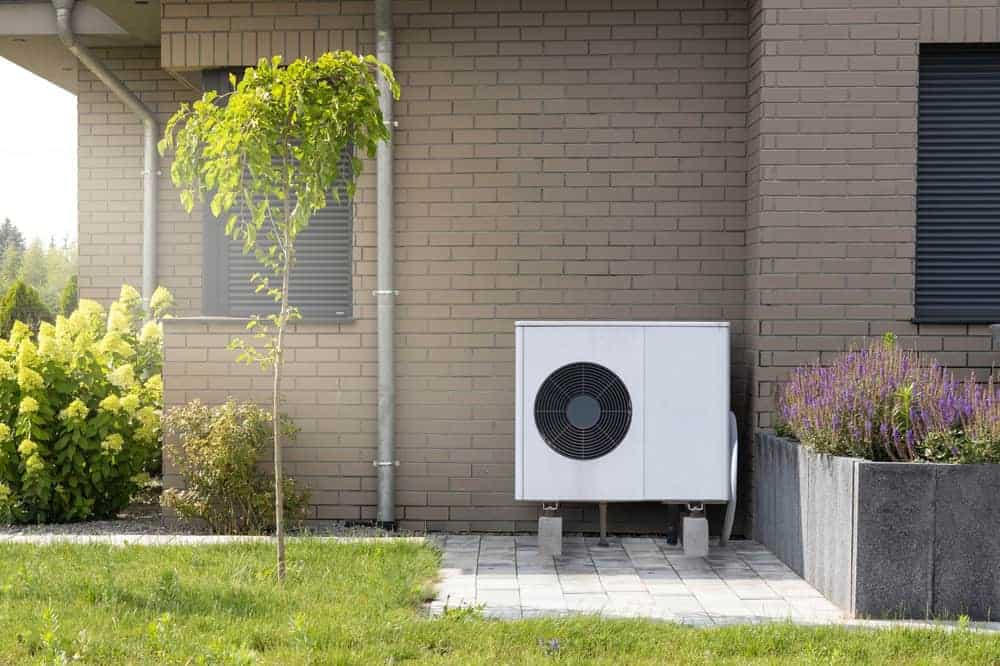
San Mateo County sits at the intersection of multiple rebate programs, which means you have more opportunities to save—but also more confusion to sort through. The programs that matter most are Peninsula Clean Energy’s local utility rebates, California’s TECH Clean program, federal tax credits through the Inflation Reduction Act, and income-based HEEHRA rebates.
Peninsula Clean Energy offers $2,500 when you replace a gas furnace with a heat pump system. TECH Clean California adds another $1,000 for qualifying installations. The federal government provides a 30% tax credit up to $2,000. And if your household income falls between 80-150% of area median income, you might qualify for an additional $4,000 through HEEHRA. Households under 80% AMI can get up to $8,000.
That’s potentially $10,000 or more off your installation cost. The challenge is that each program has different requirements, different application processes, and different timelines. Some are first-come-first-served. Others require pre-approval before you even schedule the work.

Peninsula Clean Energy serves San Mateo County residents with some of the most straightforward rebates available. When you replace a gas heating system with a qualifying heat pump, you get $2,500 back. The equipment needs to meet basic efficiency standards, and you’ll need to work with a contractor who understands the program requirements.
The application happens after installation, which means you’ll pay upfront and receive reimbursement within 90 days. You’ll need your itemized invoice, proof of permitting, and photos of the installed equipment. The contractor you choose should be familiar with this process—if they’re not, that’s a red flag.
BayREN offers an additional $1,000 if you’re replacing an existing AC system and installing a heat pump with at least a 17 SEER rating. This can stack with Peninsula Clean Energy’s rebate, bringing your local utility savings to $3,500 before you even touch state or federal programs.
If your home needs an electrical panel upgrade to support the new heat pump—and about 11% of installations do—Peninsula Clean Energy provides $1,000 toward that cost as well. Most older San Mateo homes have 100-amp panels, but heat pumps typically require 200-amp service. That upgrade usually costs $2,000-$4,000, so the rebate helps, but it doesn’t cover everything.
The key with local utility rebates is timing. These programs run on annual budgets and operate first-come, first-served. Once the money’s gone, you’re waiting until the next funding cycle. That’s why getting your application submitted quickly matters more than most contractors will tell you upfront.
HEEHRA—the Home Electrification and Appliance Rebates program—represents the largest single rebate opportunity for qualifying homeowners. If your household income is below 80% of area median income, you can receive up to $8,000. Households between 80-150% AMI qualify for up to $4,000.
For a family of four in San Mateo County, 80% AMI is roughly $130,000 annual income. That threshold is higher than most people expect, which means more homeowners qualify than realize it. The program specifically targets moderate-income families who need help with the upfront cost of energy-efficient upgrades.
Here’s where it gets complicated. HEEHRA requires income verification before you start the project. You’ll submit documentation through an online portal, receive an approval code within about a day, and then provide that code to your contractor. The contractor must be TECH-certified and HEEHRA-trained—not all contractors meet these requirements.
Your contractor then submits a reservation request on your behalf. This reservation must be approved before installation begins. If you install the heat pump before getting reservation approval, you won’t receive the rebate. That’s a costly mistake that happens more often than it should, usually because homeowners don’t understand the sequence or work with contractors who aren’t familiar with the program.
As of January 2026, HEEHRA funding for Central and Southern California is fully reserved. Northern California—which includes San Mateo County—is expected to reach full reservation by February 2026. After that, new applications go on a waitlist. If you’re considering this upgrade and think you might qualify for HEEHRA, the time to start the income verification process is now, not later.
The program also comes with warnings. The California Energy Commission has issued alerts about scammers claiming to represent HEEHRA or the Inflation Reduction Act. Legitimate contractors will never ask for your financial statements or bank information. They only need your income verification code and your AMI range. If someone’s asking for more than that, walk away.
Get a Free Quote!
Connect with a Eco Air Cooling and Heating expert for fast, friendly support.
Before rebates, heat pump installations in San Mateo County typically run between $7,000 and $20,000 depending on system type, home size, and whether you need ductwork modifications or electrical upgrades. Ductless mini-split systems start around $7,000 for a single-zone setup. Ducted systems that integrate with existing HVAC infrastructure usually begin at $15,000.
Recent data from Peninsula Clean Energy shows the median cost for heat pump water heaters is about $6,500 including electrical work. For whole-home heating and cooling systems, expect to invest more. A typical $12,000 installation becomes much more affordable when you factor in the rebate stack: $2,500 from Peninsula Clean Energy, $1,000 from TECH Clean California, and $2,000 from the federal tax credit brings your out-of-pocket cost down to around $6,500.
If you qualify for HEEHRA’s $4,000 or $8,000 rebate, your actual cost drops to $2,500 or even becomes net-positive in some cases. That’s why understanding which programs you qualify for matters so much. The difference between knowing the system and not knowing it can be $10,000 or more.
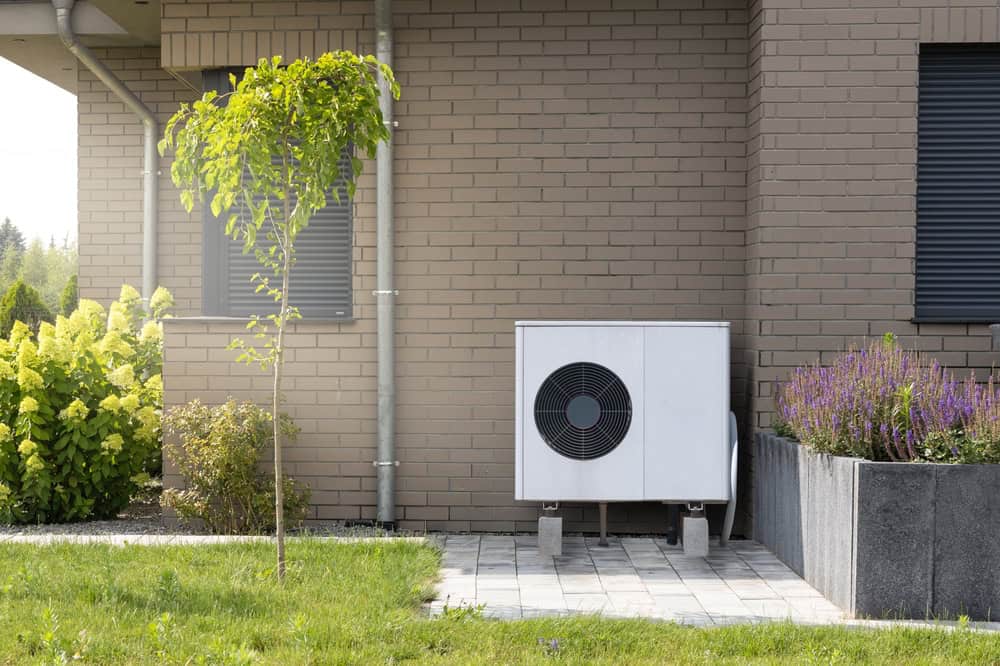
Stacking rebates means combining federal, state, and local programs on the same project. California explicitly allows this, which is why San Mateo County homeowners have such strong incentive opportunities right now. The federal tax credit can combine with Peninsula Clean Energy rebates, which can combine with TECH Clean incentives, which can combine with HEEHRA if you’re income-qualified.
The order matters. Start with income verification for HEEHRA if you think you qualify. That process takes about a day and gives you the approval code you’ll need. Next, find a contractor who’s certified with TECH Clean California and trained for HEEHRA. Not all heating and cooling contractors meet these requirements, and if yours doesn’t, you’ll lose access to thousands of dollars in rebates.
Once you’ve selected a contractor, they’ll help you submit the HEEHRA reservation request if applicable. This must happen before installation. After approval, the installation can proceed. Your contractor should handle the TECH Clean California paperwork as part of the installation process.
Peninsula Clean Energy rebates get submitted after installation is complete. You’ll have 90 days from the installation date to submit your application with the required documentation. The federal tax credit gets claimed when you file your taxes for the year the installation happened.
The challenge most homeowners face isn’t the individual programs—it’s coordinating all of them correctly and in the right sequence. Miss one step, and you could forfeit thousands. That’s why working with a contractor who understands the full rebate landscape matters more than finding the lowest installation quote. A contractor who saves you $500 on installation but costs you $5,000 in lost rebates isn’t actually saving you money.
If you’re a senior homeowner on a fixed income, heat pump rebates represent a genuine opportunity to reduce your energy costs long-term while upgrading aging equipment. The problem is that the application processes weren’t designed with you in mind. Online portals, income verification systems, contractor certification requirements, and pre-approval sequences create barriers that disproportionately affect older homeowners.
Many seniors receive most of their income from Social Security, pensions, or retirement accounts. Documenting that income for HEEHRA verification can be confusing, especially if you’re not used to navigating online forms. The approval codes, reservation systems, and timing requirements add layers of complexity that feel designed to discourage participation rather than encourage it.
This is where having a contractor who specializes in helping seniors makes a difference. Companies that understand this demographic don’t just install equipment—they guide you through the paperwork, explain what documentation you need, and handle the coordination between programs. A 15-minute conversation explaining the process clearly is worth more to you than a technically perfect installation that leaves you confused about your rebates.
The other challenge seniors face is the upfront cost. Even with rebates, you’re typically paying the full installation price and receiving reimbursements later. For someone on a fixed income, coming up with $12,000 upfront—even knowing you’ll get $6,000 back—can be impossible. Some contractors offer financing options or will apply certain rebates as instant discounts, reducing your initial outlay. Others expect full payment at installation. Knowing which financing options exist and which contractors offer them can make the difference between completing the upgrade or continuing to pay high energy bills on your old system.
California’s 2030 deadline for phasing out gas water heaters and furnaces means this transition is coming whether you’re ready or not. Getting ahead of it now, while substantial rebates are available, makes more financial sense than waiting until you’re forced to upgrade without assistance. But only if you can actually navigate the system successfully.
Heat pump rebates in San Mateo County represent real money—often $10,000 or more—but only if you can successfully navigate the programs, meet the deadlines, and work with contractors who understand the full picture. The opportunity is genuine. The complexity is also genuine.
For homeowners who qualify for income-based HEEHRA rebates, the clock is ticking. Northern California funding is expected to be fully reserved by February 2026. After that, you’re on a waitlist with no guarantee of when or if additional funding becomes available. Peninsula Clean Energy and TECH Clean California programs operate on annual budgets that can run out before the year ends.
The federal tax credit provides more flexibility since it’s available through at least the end of 2025, but combining it with time-sensitive state and local programs requires coordination. Start with income verification if you think you might qualify for HEEHRA. Then find a TECH-certified, HEEHRA-trained contractor who can guide you through the reservation and application processes.
If you’re a senior homeowner who needs help with the paperwork, that’s not something to be embarrassed about. These systems are confusing by design, and asking for assistance is smart, not weak. Look for contractors who specialize in serving older homeowners and who have experience helping clients maximize rebate opportunities.
We’ve been serving San Mateo County since 1985, with particular focus on helping senior homeowners navigate exactly these kinds of transitions. We handle rebate paperwork, coordinate between programs, and ensure you’re not leaving money on the table because of a missed deadline or an incomplete application.
Your energy costs aren’t going down on their own. California’s gas appliance phase-out is coming in 2030 whether you’re ready or not. The rebates available right now won’t last forever. Taking action while the funding exists puts you ahead of the curve instead of scrambling to catch up later.
Summary:
Article details:
Share: