Step-by-step troubleshooting guide for San Carlos homeowners when your furnace stops working, plus safety tips and when to call professionals.
Safety comes first when dealing with any heating system problem. Before you start investigating why your furnace isn’t working, you need to protect yourself and your family.
If you smell gas anywhere in your home, leave immediately and call your gas company from outside. Never attempt any troubleshooting if you detect gas odors. Similarly, if you hear unusual banging, grinding, or other mechanical sounds coming from your furnace, it’s best to leave the system alone and contact a professional.
Make sure you know where your main gas shut-off valve is located. This knowledge could be crucial in an emergency situation.
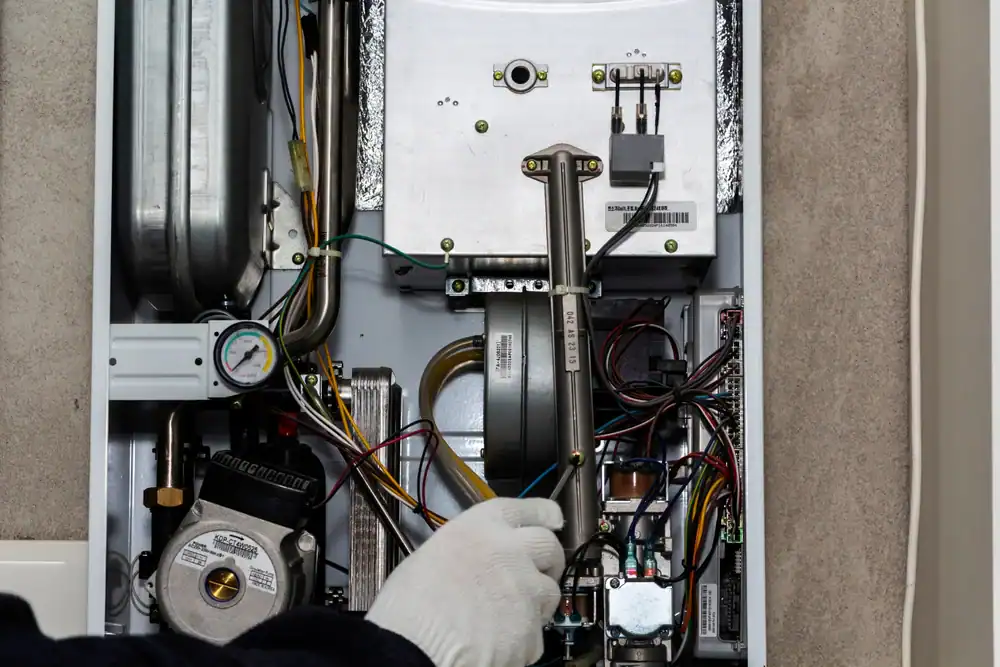
When your home isn’t heating properly, the first and easiest place to start is the thermostat. The thermostat measures its surrounding indoor air temperature to control when the furnace turns on or off.
Start by checking if your thermostat is actually on. Your furnace won’t run if the thermostat isn’t on. If your thermostat approach is to set-it-and-forget-it, simply checking the thermostat batteries, if it’s not a wired unit, may solve the problem.
Next, verify the settings. If your thermostat controls your furnace and central air conditioning, it will have a ‘heat’ and ‘cool’ setting. Ensure that your thermostat is set to ‘heat’. You’d be surprised how often this simple oversight is the culprit.
Review which temperature you set the thermostat to. The thermostat does not activate the furnace to generate heat unless the temperature setting is higher than room temperature. Try setting it 5-10 degrees higher than the current room temperature and wait a few minutes to see if the system responds.
For smart thermostats, check your Wi-Fi connection and recent software updates. Sometimes connectivity issues can prevent proper operation, especially during San Carlos’s rainy winter months when internet service might be spotty.
Your heating equipment needs electricity to operate, or else no heat is produced. Even gas furnaces require electricity to run the blower, ignition system, and safety controls.
At your home’s electrical panel, make sure the circuits that power HVAC equipment do not have tripped breakers or blown fuses. Look for breakers in the middle position or switches that feel loose – these indicate a tripped breaker that needs to be reset.
There is a main switch on every furnace. Check to make sure yours is switched “on.” Furnace switches usually look like light switches on the wall near the furnace. Once it switches on, wait a few minutes, as some furnaces slightly delay turning on.
Don’t forget about the furnace’s access panels. If the furnace’s front panel door isn’t completely closed, it will trigger a safety switch that prevents the unit from operating. Inspect the panel door to make sure it is securely closed.
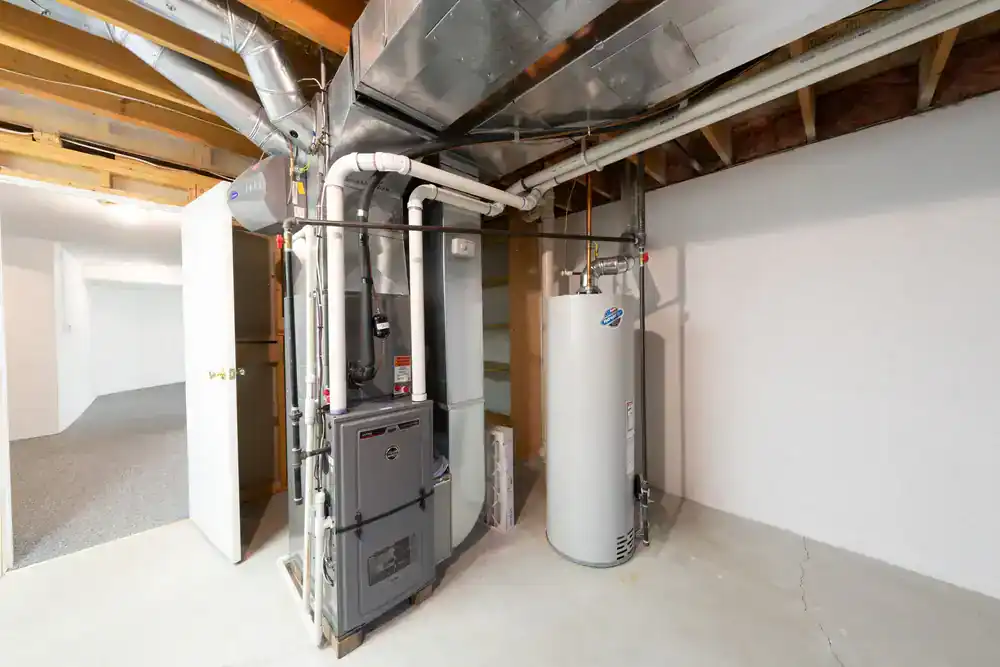
Furnaces and air handlers are enclosed in a metal cabinet which holds their components. In some models, these access doors must be firmly shut, or else the system does not run. Check your indoor heating equipment’s exterior and make sure its panels are secure and that none have fallen off or have come loose. If there are loose or removed panels, replace them and see if the system is now able to start.
After addressing any power issues, give your system 10-15 minutes to reset and attempt to start up again.
Get a Free Quote!
Connect with a Eco Air Cooling and Heating expert for fast, friendly support.
A clogged filter can be the most common cause of furnace problems. A dirty filter can be compared to breathing with a hand over your mouth. The dirt prevents smooth airflow and subsequent heat output.
Central furnace and heat pump heating systems need plenty of airflow to work properly. When airflow is blocked, potential overheating is a cause of no heat because the system’s safety controls shut it down. Two common causes of airflow blockages homeowners should troubleshoot when they have no heat are air filters and vents.
Locate your filter compartment and remove the access door. The filter is typically found near the furnace blower or where the return air duct connects to the unit.
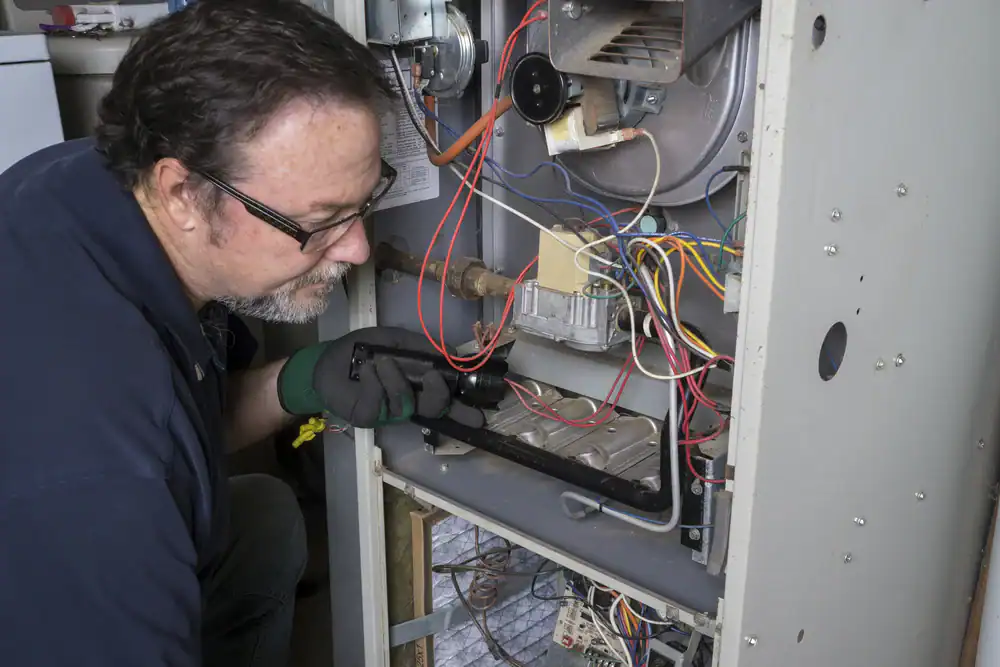
To check your air filter, turn off the thermostat and furnace and remove the filter, typically located on the side of the furnace. Hold the filter up to a light source. If light cannot pass through, the filter is too dirty and needs replacing to maintain indoor air quality.
Find your filter compartment and remove the access door if applicable. Remove the filter and inspect – if it is filled with contaminants, throw it out and use a fresh filter. Insert the filter into the filter compartment following the airflow directional markings on its frame. Make sure the filter is fully inserted and fits properly into the compartment.
In San Carlos’s dusty conditions, especially during dry periods, filters can clog faster than expected. At a minimum, replace the furnace filter twice annually–at the beginning and end of the cold weather season. However, purchasing a new filter more frequently, as often as every three months, is recommended.
Don’t make the mistake of using a filter that’s too restrictive for your system. Some high-efficiency filters can actually reduce airflow too much, causing the furnace to overheat and shut down. If you recently switched to a higher MERV rating filter and started having problems, try going back to a lower rating.
After replacing the filter, wait about 30 minutes before testing your system. This gives the furnace time to reset its safety controls.
Closed or blocked vents throughout the home also cause heating systems to overheat and turn off. Inspect vents and return air grills in each room of your home – all vent louvers need to be open, and all vents and grills must be unblocked by rugs, furniture, and other items.
Walk through your San Carlos home and check every room. Look for furniture pushed against vents, curtains hanging over returns, or family members who might have closed vents in unused rooms thinking it saves energy.
Blocked or closed air vents can restrict the airflow in your home, preventing warm air from reaching the rooms. Check all vents and registers to ensure they are open and unobstructed. Additionally, inspect your ductwork for any obstructions or leaks that could hinder heat distribution.
Pay special attention to return air grilles – these are usually larger vents that pull air back to the furnace. They’re often located in hallways or central areas and are crucial for proper system operation. Make sure these aren’t blocked by furniture or decorations.
In older San Carlos homes, ductwork might have developed leaks over time. Even if your furnace is generating heat, it might not be reaching your living spaces due to leaks or blockages in your ductwork. Leaky ducts can waste up to 30% of the heated air, significantly reducing your system’s efficiency.
If you notice uneven heating throughout the house, higher-than-usual energy bills, or weak airflow from vents, you might have ductwork issues that require professional attention.
After you troubleshoot your no heat issue, if you still have a heating problem, give a professional a call. When a technician arrives, tell him or her that you have completed these troubleshooting items, so they know to move on to more complicated issues.
You’ve tried the basic troubleshooting steps, but your furnace still isn’t working. Now it’s time to recognize when the problem requires professional expertise. Don’t wait too long – San Carlos winter nights can get uncomfortably cold, and heating problems typically get worse, not better.
Contact us at Eco Air Home Services LLC when you need reliable, local HVAC expertise backed by nearly 40 years of experience serving Santa Clara County families.
Summary:
Article details:
Share: