
Hear from Our Customers
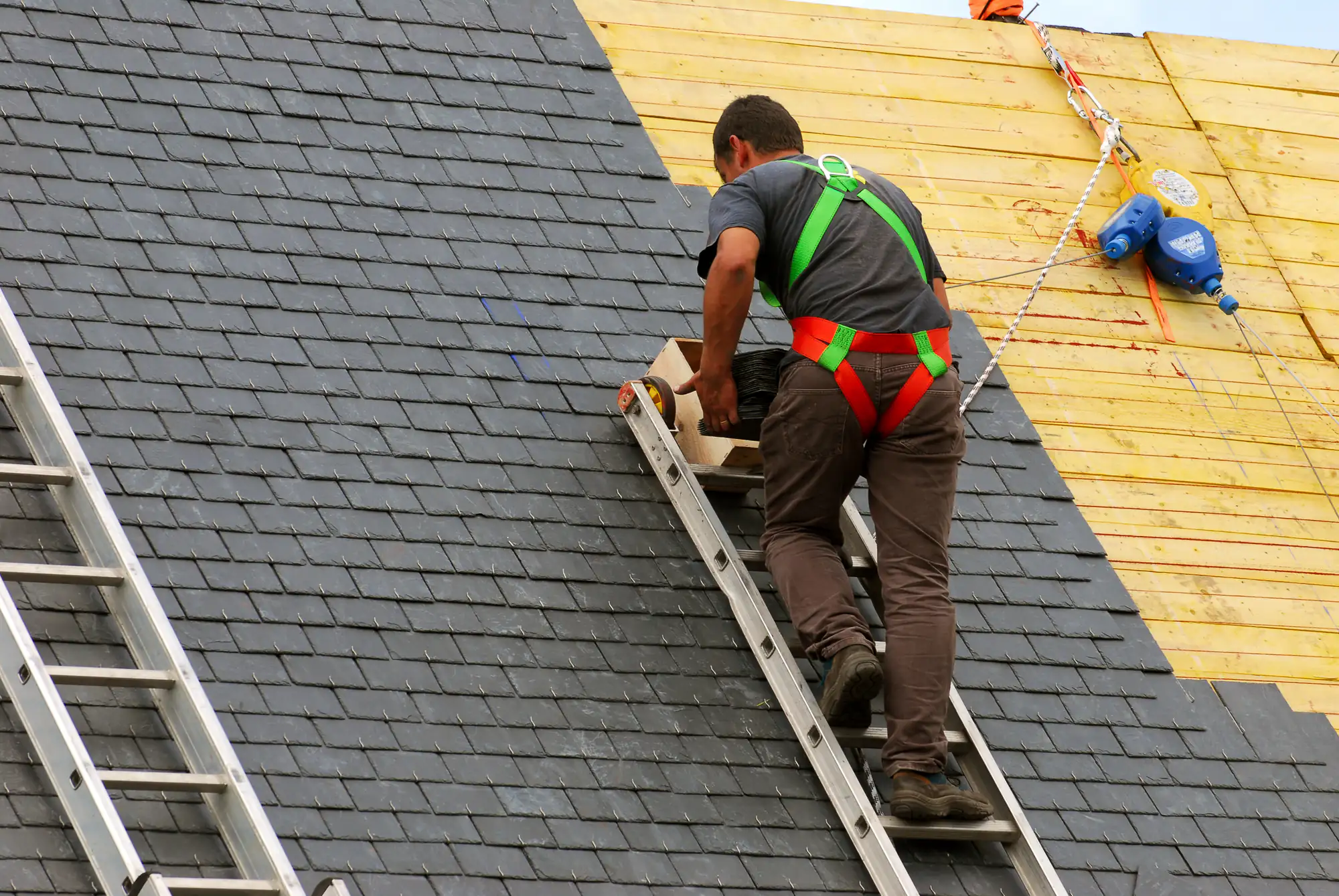
Ladera’s homes were built to blend into the landscape — and most of them have been doing it for sixty to seventy years. That’s a long time for a roof to hold up against November storms, fog drip from the Jasper Ridge side, and the kind of sustained moisture that hillside sites collect in ways flat-area homes never do. When a roof starts to go, it rarely announces itself loudly. It shows up as a stain on the ceiling, a soft spot near the ridge, or a gutter that’s pulling away where it shouldn’t be.
Getting that fixed — really fixed, not just patched until next season — means your home stays protected, your interior stays intact, and you’re not dealing with a $40,000 restoration project because a $400 repair got ignored. In a community where homes are regularly listed above three million dollars, the cost of waiting is never small.
For the senior homeowners who make up a significant share of Ladera’s long-term residents, there’s also the peace of mind that comes with knowing a contractor who shows up on time, explains what we found, and doesn’t disappear after the check clears. That’s what this is actually about — not just a dry roof, but a service relationship built on four decades of doing this right.
We founded Eco Air Home Services LLC in 1985 — which means we were already established before most of Ladera’s current residents moved in. Ramiro’s father built it from the ground up. Ramiro took over in 2006 and has been running it since. That’s not a corporate handoff — that’s a family that put our name on the work and kept it there.
We operate out of Redwood City, about ten to fifteen minutes from Ladera via I-280 and Alpine Road. That proximity matters when a storm rolls through overnight and you need someone on-site before the next one hits. Our team knows San Mateo County’s permit process, we know the building stock in this corridor, and we know what mid-century hillside construction looks like from the inside out.
We’re fully licensed under California’s C-39 Roofing Contractor classification, bonded, and insured. If you want to verify that before you call, the CSLB database is public — and that’s exactly the kind of contractor you should be looking for.
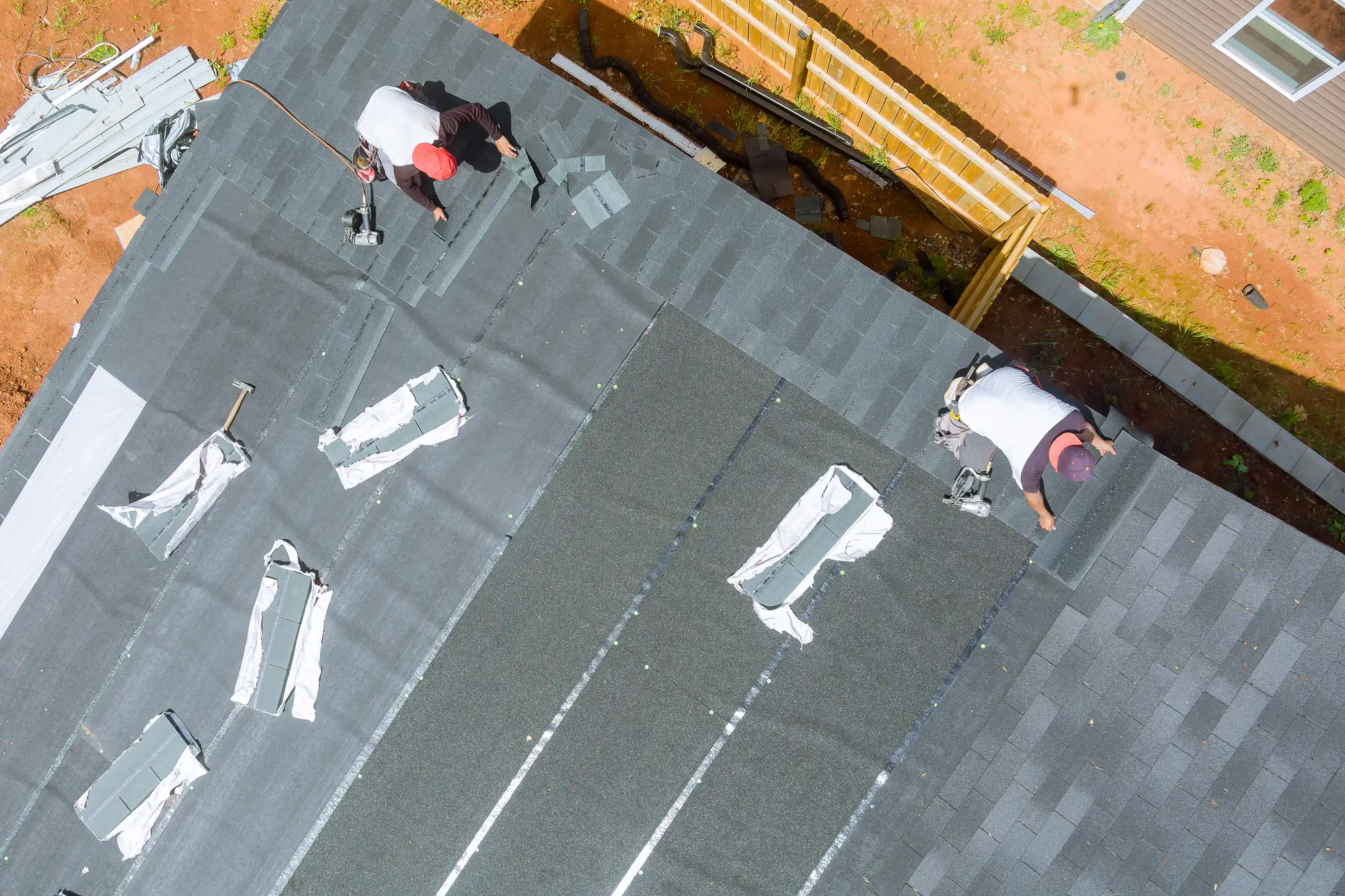
It starts with a call and a scheduled inspection. One of our technicians comes out, gets on the roof, and actually looks — at the field, the flashing, the ridge, the valleys, and the gutters. On hillside homes in Ladera, that means paying close attention to the drainage points and upslope edges where water tends to collect and push under the surface. This isn’t a five-minute drive-by. It’s a real assessment.
After the inspection, you get a clear explanation of what we found — what needs immediate attention, what can wait, and what’s holding up fine. No pressure, no inflated scope. If a repair is all you need, that’s what we recommend. If your roof is at or past its service life, that conversation happens honestly, with material options that meet San Mateo County’s building code requirements and, where applicable, the fire-resistance standards that matter for homes near the wildland-urban interface.
From there, we pull permits through the County — we handle that process — and schedule the work. Our crew shows up when we said they would, works cleanly, and leaves the site the way we found it. When the job is done, you’ll know what was done and why. That’s the whole process. No mystery, no runaround.
Ready to get started?
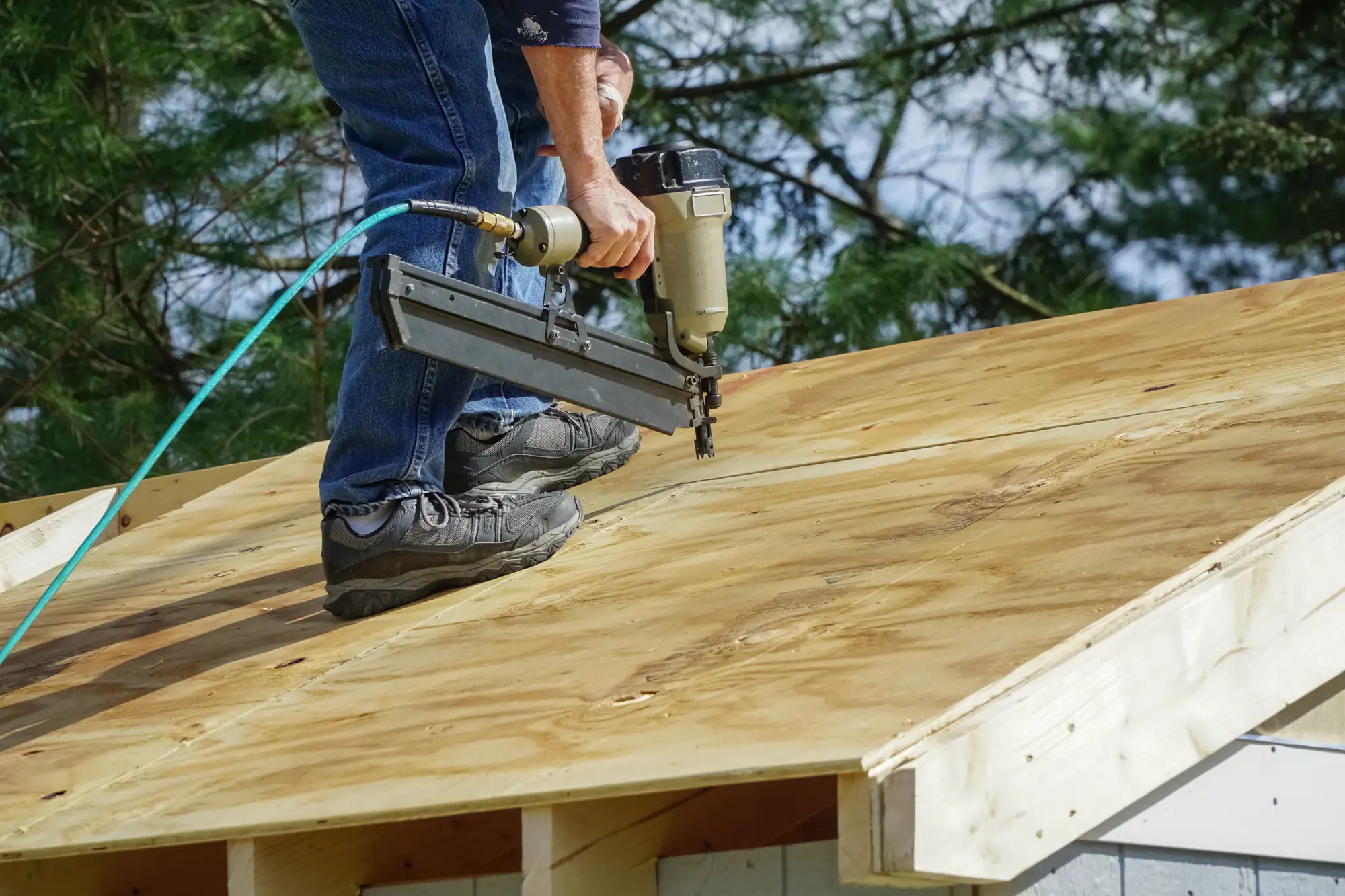
The range of what Ladera roofs actually need isn’t one-size-fits-all. Some homes need emergency roof repair after a storm peels back flashing or drops a branch through an aging section of sheathing. Others need a targeted roof leak repair tracked to a failed valley or a cracked tile that’s been slowly letting moisture in for two seasons. Some just need a storm damage roof inspection after a heavy rain event — not because something is visibly wrong, but because these are sixty- and seventy-year-old homes, and the only way to know is to look.
For situations where the damage is active and the next rain is coming, we provide tarping services for leaking roofs — an immediate weatherproof barrier while permanent repairs are planned and permitted through San Mateo County. That step alone can prevent thousands of dollars in interior damage to hardwood floors, plaster walls, and original cabinetry that can’t simply be replaced.
On the larger end, we handle full roof replacements with the same attention to detail — material selection that holds up to the Peninsula’s wet season, meets current code, and where needed, carries a Class A fire rating appropriate for homes adjacent to the Jasper Ridge preserve. We also extend a 15% discount to senior homeowners and a 15% discount to military members and veterans — straightforward, no conditions attached.
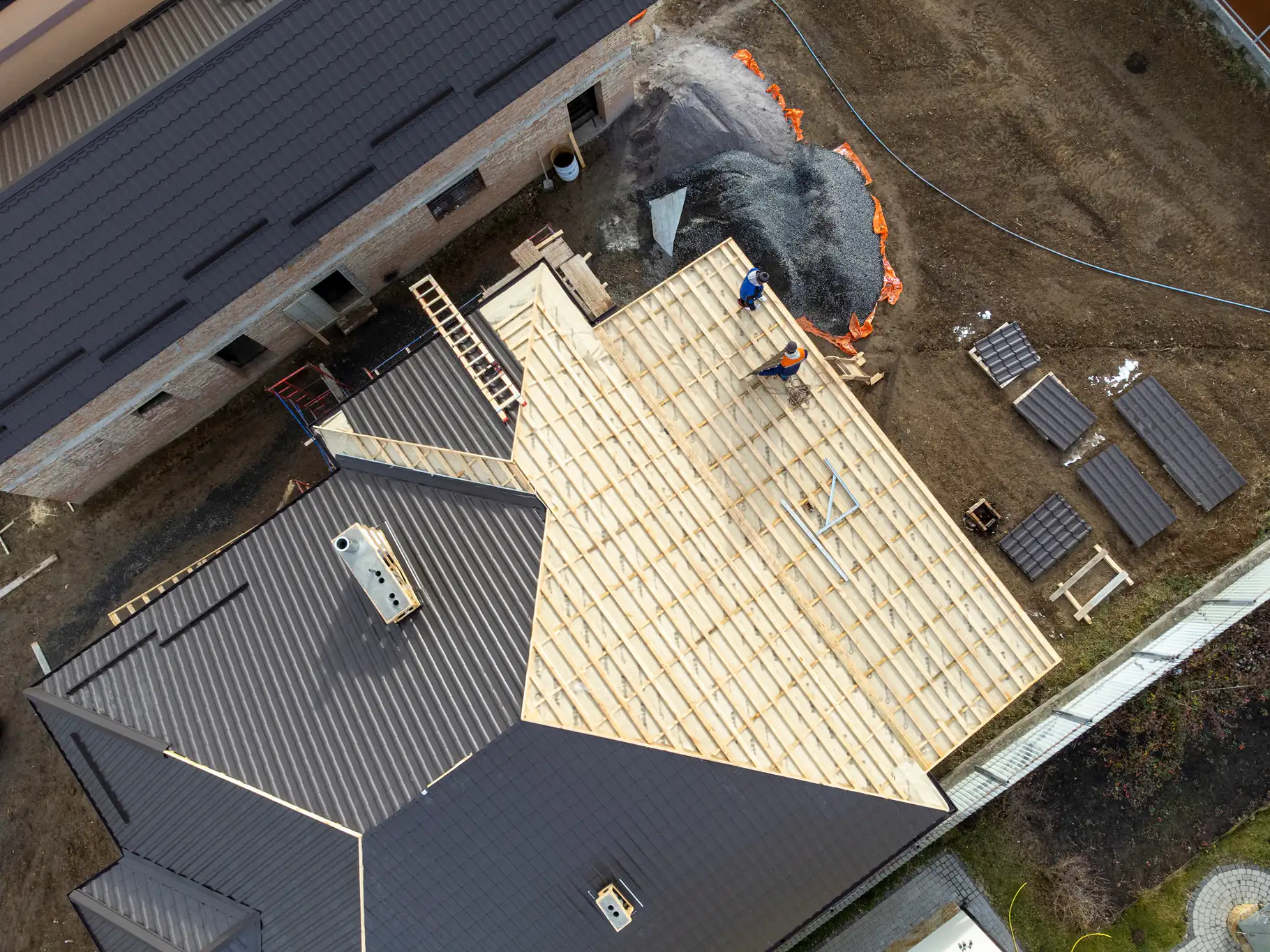
Yes — because Ladera is an unincorporated community, all roofing permits are issued by San Mateo County’s Planning and Building Department, not by a city. Applications go through the County’s Development Review Center at 455 County Center in Redwood City. This applies to full re-roofing projects and, in many cases, significant repair work as well.
This is one of the details that separates a contractor who actually knows this area from one who doesn’t. We operate out of Redwood City, handle the County permit process regularly, and pull permits as a standard part of every qualifying job — not as an afterthought. Unpermitted roofing work in Ladera can complicate home sales and create problems with insurance claims, so it’s not a step worth skipping.
The honest answer is that most homeowners can’t tell from the ground — and many roofs that look fine from the driveway are quietly failing at the flashing, the underlayment, or the ridge. Ladera’s original cooperative-era homes were built in the late 1940s and 1950s, which means a significant portion of the community’s housing stock is now sixty to seventy years old. Even with prior remodels, many of these roofs are at or past their expected service life.
A professional inspection is the only reliable way to know. Our technicians will check the field surface, the flashing at all penetrations and transitions, the valleys, the ridge, and the gutters — looking for signs of moisture intrusion, material degradation, and structural movement. From there, you get a straight answer: repair, replace, or monitor. No upsell, no manufactured urgency.
Homes in Ladera sit at the edge of the wildland-urban interface — bordered on the west by Jasper Ridge Biological Preserve and surrounded by mature tree canopy and natural vegetation. That context matters for material selection. California building codes increasingly require Class A fire-rated roofing materials for homes in or adjacent to wildland areas, and San Mateo County enforces those standards through its permitting process.
Beyond fire resistance, the hillside position and the Peninsula’s wet season mean you want materials that handle sustained moisture, resist moss and algae growth, and hold up against the kind of wind-driven rain that approaches from unexpected angles on elevated sites. Composition shingles with Class A ratings, concrete tile, and metal roofing are all viable options depending on your home’s structure, its original design character, and your budget. The right choice depends on the specific roof — which is why a proper inspection always comes before a material recommendation.
We operate out of Redwood City, which puts our team roughly ten to fifteen minutes from Ladera via I-280 and Alpine Road under normal conditions. For emergency situations — active leaks, storm-damaged sections, or exposed roof areas ahead of incoming rain — that proximity makes a real difference. A 24-hour emergency roofer who’s an hour away is a different proposition than one who’s a short drive up the freeway.
For situations where permanent repairs can’t be completed immediately — whether because of permit timing, material lead time, or the scope of damage — we deploy professional tarping first to stop active water intrusion. This is especially important in Ladera, where hillside drainage patterns can push water into a compromised roof from angles that accelerate interior damage quickly. Getting a weatherproof barrier in place before the next storm is always the first priority.
Yes — we offer a 15% discount for senior homeowners, and it applies to roofing work. Ladera skews older than most Peninsula communities, with a median resident age of 58.3 years and a large share of long-term owner-occupants who have lived in the same home for decades. Many of those homeowners are managing properties they’ve invested in for thirty or forty years — and they deserve a contractor who treats that relationship with the same seriousness.
The discount is straightforward — mention it when you call and it gets applied. There’s no complicated qualification process. We also extend a 15% discount to military members and veterans. These aren’t conditions buried in fine print. They reflect a company that has built its business on repeat clients and referrals, not one-time jobs, and understands that the people who’ve been in their homes the longest are often the ones who’ve taken the best care of them.
The Peninsula’s rainy season runs roughly from November through April, and Ladera’s hillside position means it catches more moisture than communities on the Bay floor — approximately 25 inches of annual rainfall, concentrated in those months. That’s the window when existing vulnerabilities become active problems. A flashing gap that was manageable in September becomes a leak by December.
The practical implication is that the May through October dry season is the best time to schedule inspections, preventive maintenance, moss treatment, and planned replacements — before the rains return and contractor availability tightens. If you’re already in the rainy season and something is failing, that’s an emergency call, not a scheduling conversation. Either way, the timing matters, and a contractor familiar with Peninsula weather patterns will tell you the same thing. Waiting until you see water inside is always the more expensive version of the same problem.