California's 2026 Title 24 laws now require independent HERS rater testing for every AC installation. Discover why proper duct sealing matters and how to avoid failed inspections.
Title 24 is California’s Building Energy Efficiency Standards. It’s been around since 1978, but it gets updated every three years to push for better energy performance. The version that took effect January 1, 2026 introduced some of the strictest HVAC requirements the state has ever seen.
The goal is straightforward: reduce energy waste. Heating and cooling account for roughly 40-45% of a typical residential energy bill in California. When your ducts leak, you’re paying to cool your attic or crawl space instead of your living room. The state estimates that the average single-family home has duct leakage between 30% and 40%. That’s a massive amount of wasted energy and wasted money.
Title 24 requires that all new central AC installations and replacements meet specific insulation standards, sealing standards, and efficiency thresholds. More importantly, it requires third-party verification that your system actually performs as intended once it’s installed. That’s where HERS raters come in.
HERS stands for Home Energy Rating System. A HERS rater is a state-certified professional trained to test and verify the efficiency and performance of your home’s heating and cooling systems. They’re considered special inspectors by enforcement agencies, and they must be independent. Your HVAC contractor cannot test their own work.
The reason for this requirement is simple: accountability. When contractors are allowed to self-certify, corners get cut. Ducts don’t get sealed properly. Systems underperform. Homeowners pay higher energy bills for years without realizing their system was never installed correctly.
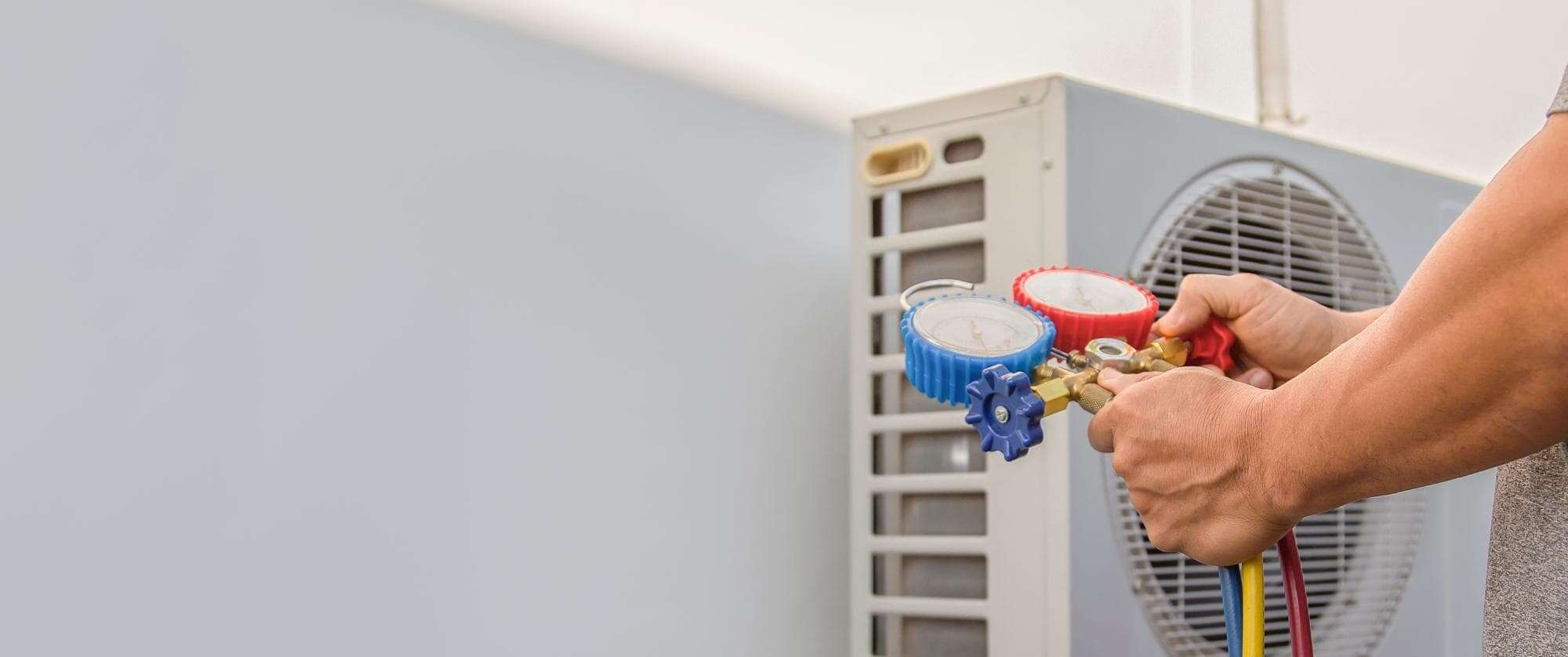
Under the 2026 standards, HERS raters perform several critical tests. The most important one for AC installations is duct leakage testing. The rater uses a device called a duct blaster to pressurize your duct system and measure exactly how much air is escaping through gaps, joints, and connections. New duct systems must have no more than 6% leakage. Existing systems being modified must have no more than 15% total leakage or no more than 10% leakage to the exterior.
If your system fails the test, your contractor has to go back and seal the leaks. Then you have to schedule the rater to come back out and re-test. That means delays, additional labor costs, and another testing fee. The entire process grinds to a halt until the system passes.
But here’s the thing: when your contractor seals ducts to Class A standards from the beginning, you pass the first time. No delays. No surprises. No extra costs. That’s the difference between a contractor who understands Title 24 compliance and one who’s learning as they go.
Class A sealing is the gold standard for duct construction. It’s defined in the SMACNA HVAC Duct Construction Standards, and California’s Title 24 now requires it for all ductwork with pressure class ratings. This isn’t a suggestion or a best practice. It’s a mandatory requirement for every AC installation in San Mateo County, CA.
Class A sealing means every joint, seam, and connection in your duct system must be mechanically fastened and properly sealed using approved materials. Connections of metal ducts and the inner core of flexible ducts must be mechanically fastened. Openings must be sealed with mastic, UL-rated tape, or aerosol sealant. If you’re using mastic or tape to seal openings greater than 1/4 inch, you must use a combination of mastic and either mesh or tape.
Here’s what you can’t use: cloth-backed rubber adhesive duct tape by itself. That’s the silver tape most people think of as “duct tape.” It doesn’t hold up over time, especially in San Mateo County attics where temperatures can reach 130-140°F in summer and humidity from the marine layer creates additional stress on materials. If a contractor wants to use it, it must be combined with mastic and drawbands, and even then, it’s not the preferred method.
Drawbands are another critical component. These are stainless-steel worm-drive hose clamps or UV-resistant nylon duct ties with a minimum tensile strength of 150 pounds. They must be tightened with an adjustable tensioning tool according to the manufacturer’s recommendations. This level of detail matters because it’s exactly what the HERS rater will be looking for during inspection.
The other piece that homeowners often don’t realize is insulation. The 2026 standards require all supply and return ducts to be insulated to at least R-6, regardless of location. Previous codes allowed lower insulation values for ducts in conditioned spaces, but not anymore. In some Bay Area climate zones, you may need R-8 depending on your specific situation and whether you’re using prescriptive or performance compliance methods.
When contractors cut corners on sealing or insulation, it shows up during HERS testing. The system fails. The homeowner gets stuck with the consequences. That’s why working with a contractor who builds to Class A standards from day one is the only way to protect your investment.
Get a Free Quote!
Connect with a Eco Air Cooling and Heating expert for fast, friendly support.
Every AC installation and replacement in San Mateo County, CA requires a building permit. This isn’t a gray area. California law is clear: if you’re adding, replacing, relocating, or removing an AC unit, you need a permit. The permit ensures the work is done safely and in accordance with local building codes and Title 24 energy standards.
Your contractor should be pulling the permit, not you. When a licensed contractor pulls the permit, they’re taking responsibility for making sure the work meets code. If something goes wrong, they’re accountable. If you pull the permit yourself as a homeowner, you’re considered the contractor, and you’re liable for any issues.
The permit process includes inspections. After your AC is installed, a city or county inspector comes out to verify the work was done correctly. They check electrical connections, refrigerant piping, outdoor unit placement, and compliance with setback and noise regulations. They also verify that HERS testing has been completed and that all required documentation is in order.
Some contractors suggest skipping the permit to save money or speed up the timeline. This is a massive red flag, and it can cost you far more in the long run than the few hundred dollars you might save upfront.
First, there’s the legal risk. Any contractor who fails to obtain a required permit is violating California law. If you’re caught, you could face fines and penalties that vary by jurisdiction. More importantly, if unpermitted work is discovered later, you may be required to bring your home into compliance with current code requirements before you can sell it. That means paying for the permit retroactively, often with penalty fees, plus any modifications needed to meet current standards.
Then there’s the insurance issue. Many homeowner’s insurance policies explicitly state that coverage may be voided if work is done without required permits. If you have a fire or other damage related to your HVAC system, and the insurance company discovers the installation was unpermitted, they can deny your claim. That’s not a risk worth taking.
California’s real estate law also requires you to disclose to potential buyers whether required permits were obtained for work done on your home. If you can’t provide documentation, buyers may walk away, or they may demand that you resolve the issue before closing. Either way, it creates delays and complications that could have been avoided entirely.
Permit costs in San Mateo County, CA typically range from $200 to $500 depending on the scope of work. HERS testing adds another $250 to $500. Yes, that adds to your total project cost. But it also protects your home’s value, ensures your insurance remains valid, and gives you documentation that proves the work was done correctly and legally.
Not all contractors handle Title 24 compliance the same way. Some have established relationships with HERS raters and build compliance into every job as a standard practice. Others treat it as an afterthought or try to avoid it altogether. Here’s how to tell the difference.
Start by asking direct questions during the estimate process. Does the contractor pull permits for every AC installation? If there’s any hesitation or they need to “check with the office,” that’s a warning sign. A reputable contractor should answer immediately and confidently that yes, they pull permits on every job.
Next, ask how they coordinate HERS testing. Do they have an established relationship with certified HERS raters? Who schedules the testing? Who pays for it? Is the cost included in their estimate or is it an additional charge? You want clear, upfront answers to all of these questions before you sign a contract.
Also ask what happens if the system fails HERS testing. A contractor who seals ducts to Class A standards should be confident that the system will pass the first time. But they should also be willing to state clearly that if it doesn’t pass, they’ll fix it at no additional cost to you. If a contractor can’t or won’t make that commitment, keep looking.
Finally, ask for documentation. A reputable contractor will provide you with copies of the permit, the CF-1R compliance form, the CF-2R installation certificate, and the CF-3R HERS verification certificate. These documents prove that your installation was done legally and correctly. Keep them with your home records. You’ll need them if you ever sell your home or file an insurance claim.
The bottom line is this: contractors who prioritize compliance aren’t trying to make your life more complicated. They’re protecting you from risks that could cost you thousands of dollars down the road. The few hundred dollars you might save by working with someone who cuts corners isn’t worth the potential consequences.
The 2026 Title 24 requirements aren’t going away. If anything, they’re only going to get stricter as California continues pushing toward greater energy efficiency. When you’re ready to install or replace your AC system in San Mateo County, CA, you need a contractor who understands these regulations inside and out.
Proper Class A duct sealing, third-party HERS testing, and complete permit compliance aren’t optional extras. They’re legal requirements that protect your investment, your home’s value, and your peace of mind. Working with a contractor who has decades of experience navigating these requirements makes the entire process smoother and ensures you pass inspection the first time.
If you’re in San Mateo County and you’re ready to move forward with your AC installation, we’ve been serving local homeowners since 1985 at Eco Air Home Services LLC. We understand the coastal climate challenges, the Title 24 requirements, and exactly what it takes to get your system installed correctly and legally from the start.
Summary:
Article details:
Share: