Complex furnace zone control and low-voltage wiring problems require specialized knowledge beyond basic repairs.
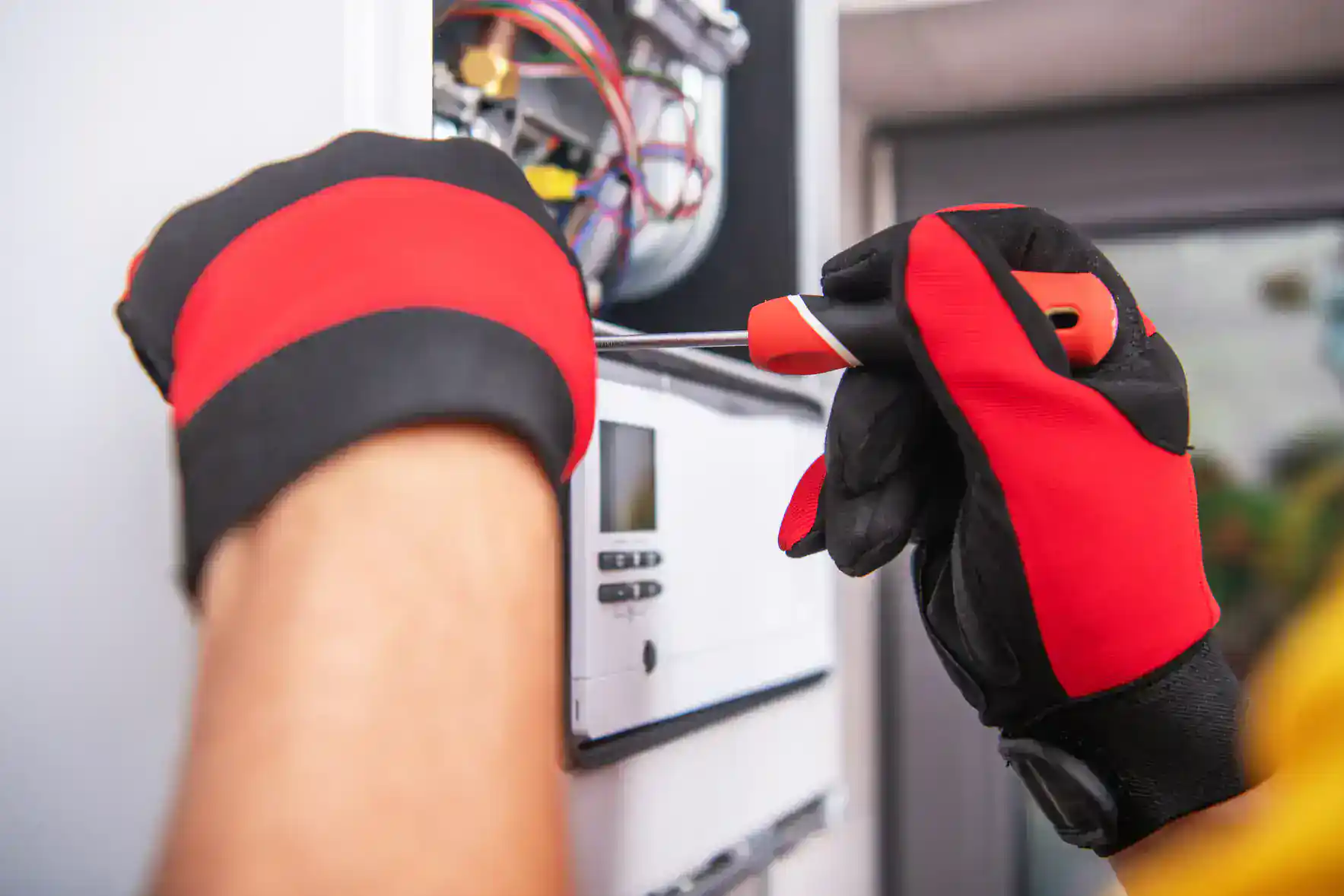
Zone control systems manage heating across different areas of your home using motorized dampers, multiple thermostats, and a central control panel. When this system malfunctions, you’ll notice uneven heating, rooms that won’t reach set temperatures, or complete system shutdowns.
The control panel acts as the brain, receiving signals from thermostats and directing dampers to open or close. Everything connects through low-voltage wiring that carries 24-volt signals between components. When these electrical pathways fail, your entire heating system becomes unreliable.
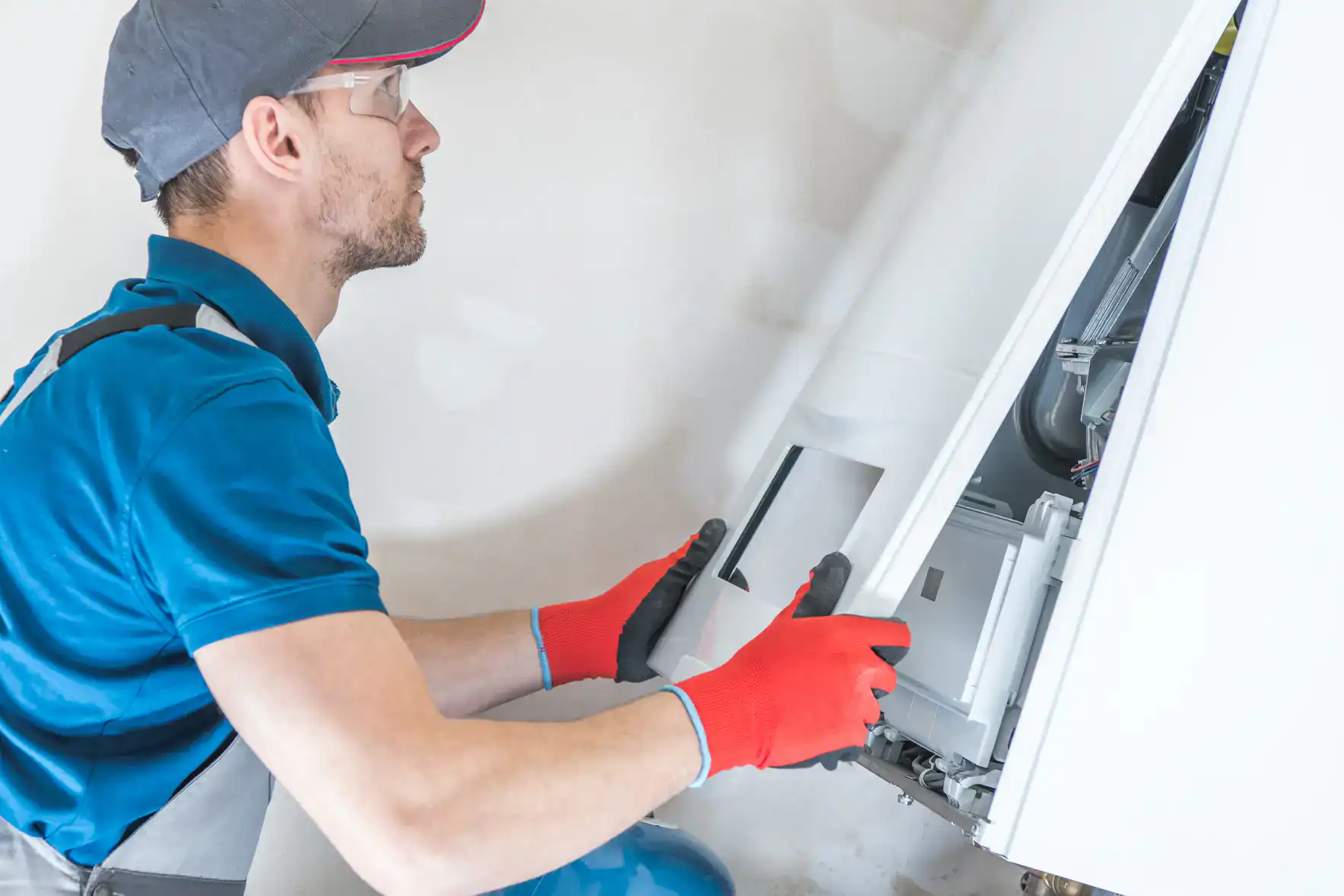
Most zone control failures stem from electrical issues rather than mechanical problems. Damaged low-voltage wiring creates shorts that can blow fuses, cause intermittent operation, or prevent zones from responding to thermostat calls.
Rodent damage ranks among the most common causes. Mice and rats chew through wire insulation, creating shorts between conductors. These problems often develop gradually—your system works fine most of the time, then suddenly fails when you need heat most.
Wire connections also deteriorate over time. San Mateo County’s wet winters contribute to corrosion at junction points, especially in crawl spaces and attics where moisture accumulates. Loose connections create resistance that generates heat, further damaging wire insulation and creating cascading failures.
Control panels themselves can develop internal faults. Circuit boards suffer damage from power surges, age-related component failure, or moisture infiltration. When the control panel fails, it may send incorrect signals to dampers or fail to respond to thermostat calls entirely.
Thermostat wiring presents another failure point. Each zone requires proper connections between the thermostat and control panel. Broken wires inside walls, loose terminal connections, or incorrect wiring during installation can prevent individual zones from operating correctly.
Diagnosing zone control problems requires understanding both HVAC systems and electrical circuits. Many HVAC companies install equipment and ductwork but don’t handle complex wiring issues. They’ll replace obvious failed components but struggle with intermittent electrical problems that require systematic troubleshooting.
Professional electrical diagnosis involves testing circuits with specialized meters, tracing wires through building structures, and understanding how different components interact electrically. A qualified electrician can isolate shorts, identify damaged conductors, and determine whether problems originate in the control panel, field wiring, or connected devices.
Safety considerations also demand electrical expertise. While 24-volt control circuits seem harmless, shorts can damage expensive control boards and create fire hazards. Proper repair requires understanding electrical codes, using appropriate wire types, and ensuring connections meet safety standards.
The integration between electrical and mechanical systems adds complexity. Zone dampers, for example, require both proper electrical connections and mechanical adjustments. An electrician experienced with HVAC systems understands how electrical problems affect mechanical operation and can address both aspects during repair.
Modern zone control systems often include advanced features like variable-speed operation, smart thermostats, and integration with home automation systems. These sophisticated controls require specialized knowledge to diagnose and repair correctly.
Get a Free Quote!
Connect with a Eco Air Cooling and Heating expert for fast, friendly support.
Professional zone control repair begins with systematic electrical testing to isolate the problem. This process requires turning off power, testing circuits with appropriate meters, and methodically checking each component in the system.
Experienced technicians use proven techniques to trace intermittent problems that frustrate homeowners for months. They understand how to test control panels, verify thermostat operation, and check field wiring without causing additional damage to sensitive electronic components.
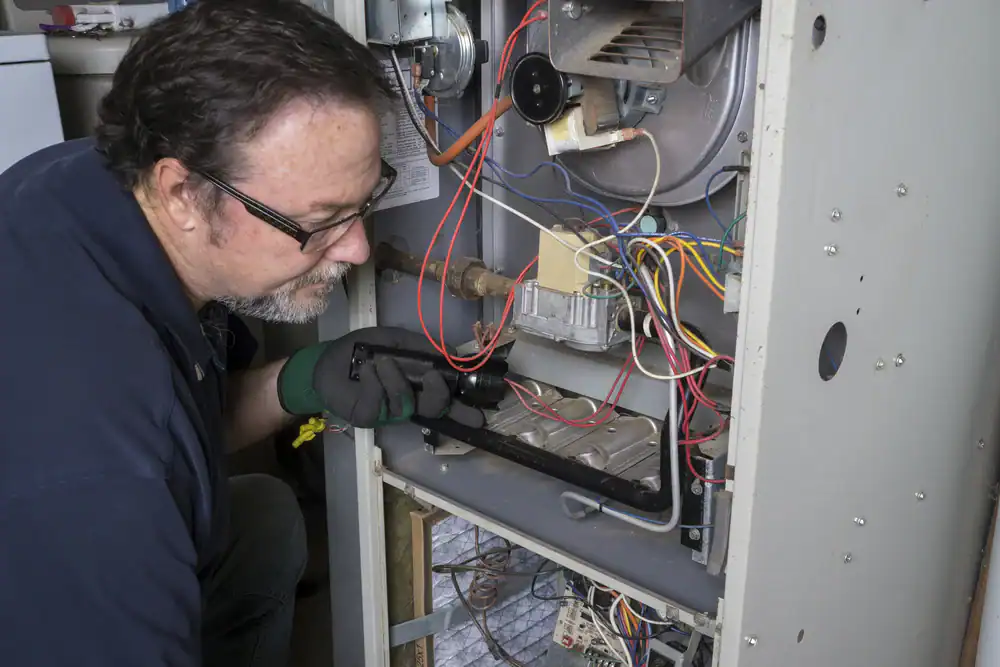
Locating electrical shorts in zone control systems requires patience and systematic testing. Professional electricians disconnect circuits one at a time, testing resistance between conductors to identify damaged sections. This process eliminates guesswork and prevents damage to expensive control equipment.
Intermittent problems demand special attention. Wires that sometimes make contact and sometimes don’t create frustrating symptoms that seem to fix themselves temporarily. Professional diagnosis involves testing circuits under different conditions, checking connections for looseness, and identifying environmental factors that trigger failures.
Control panel testing requires understanding how these devices operate internally. Each manufacturer uses different control logic and wiring schemes. Experienced technicians maintain documentation for various systems and understand how to interpret diagnostic codes and LED patterns that indicate specific problems.
Thermostat compatibility presents another technical challenge. Modern smart thermostats often require specific wiring configurations that older zone control systems don’t provide. Professional installation ensures proper power supply, correct signal routing, and compatibility between all system components.
Field wiring inspection involves accessing crawl spaces, attics, and wall cavities where damage often occurs. Professionals understand how to safely work in these environments while tracing wire runs and identifying damage that isn’t visible from accessible areas.
Contact a professional electrician immediately if your zone control system shows signs of electrical problems. Blown fuses, burning smells, or sparking at electrical connections indicate serious safety hazards that require immediate attention.
Intermittent operation also warrants professional diagnosis. If zones work sometimes but not others, or if your system operates normally for weeks then suddenly fails, electrical problems are likely causing the inconsistent performance. These issues typically worsen over time and can damage expensive control equipment if left unaddressed.
Complex symptoms like multiple zones failing simultaneously, thermostats that don’t respond to temperature changes, or heating systems that run continuously without reaching set temperatures often indicate control panel or wiring problems that require electrical expertise.
Don’t attempt DIY repairs on zone control systems. These systems integrate electrical and mechanical components in ways that can create safety hazards if improperly serviced. Professional electricians understand safety procedures, have appropriate test equipment, and carry insurance that protects your property during repair work.
Professional repair also ensures code compliance and warranty protection. Many manufacturers void warranties if unqualified personnel service their equipment. Licensed electricians understand current electrical codes and installation requirements that protect both your safety and your investment.
When your furnace zone control system fails, you need technicians who understand both heating systems and electrical troubleshooting. Complex wiring problems require specialized knowledge that goes beyond basic HVAC repair.
Professional diagnosis identifies the root cause of electrical failures and provides lasting solutions rather than temporary fixes. Proper repair ensures your heating system operates safely and efficiently through San Mateo County’s challenging winter weather.
For expert furnace zone control and electrical repair services, contact us at Eco Air Home Services LLC. Our experienced technicians have the electrical expertise and HVAC knowledge necessary to solve complex wiring problems and restore reliable heating to your home.
Summary:

Article details:
Share: