San Mateo's trusted HVAC experts share our 40-year emergency response checklist for quick service and preparation tips when your system fails.
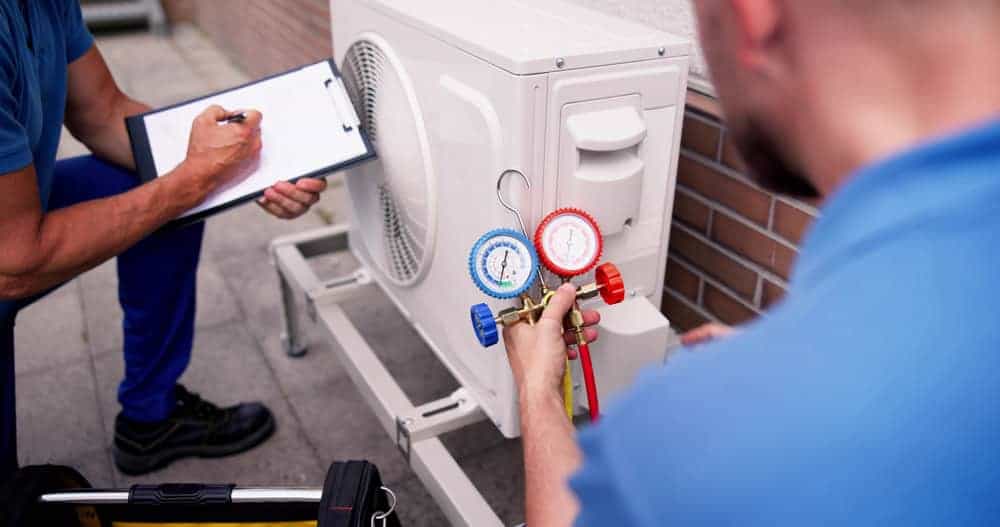
When your heating or cooling system fails unexpectedly, your first few actions determine whether you’ll have a quick resolution or a prolonged problem. The key is staying calm and following a systematic approach that’s been proven effective across thousands of San Mateo County emergency calls.
Start with safety first. If you smell gas, hear unusual noises, or notice any electrical issues, turn off your system immediately and call for professional help. Don’t attempt DIY repairs on gas lines or electrical components—these require licensed technicians for your safety.
Check your thermostat settings and circuit breakers next. Sometimes what feels like a major emergency is actually a tripped breaker or incorrect thermostat setting. These simple checks can save you an emergency service call and get your system running again in minutes.
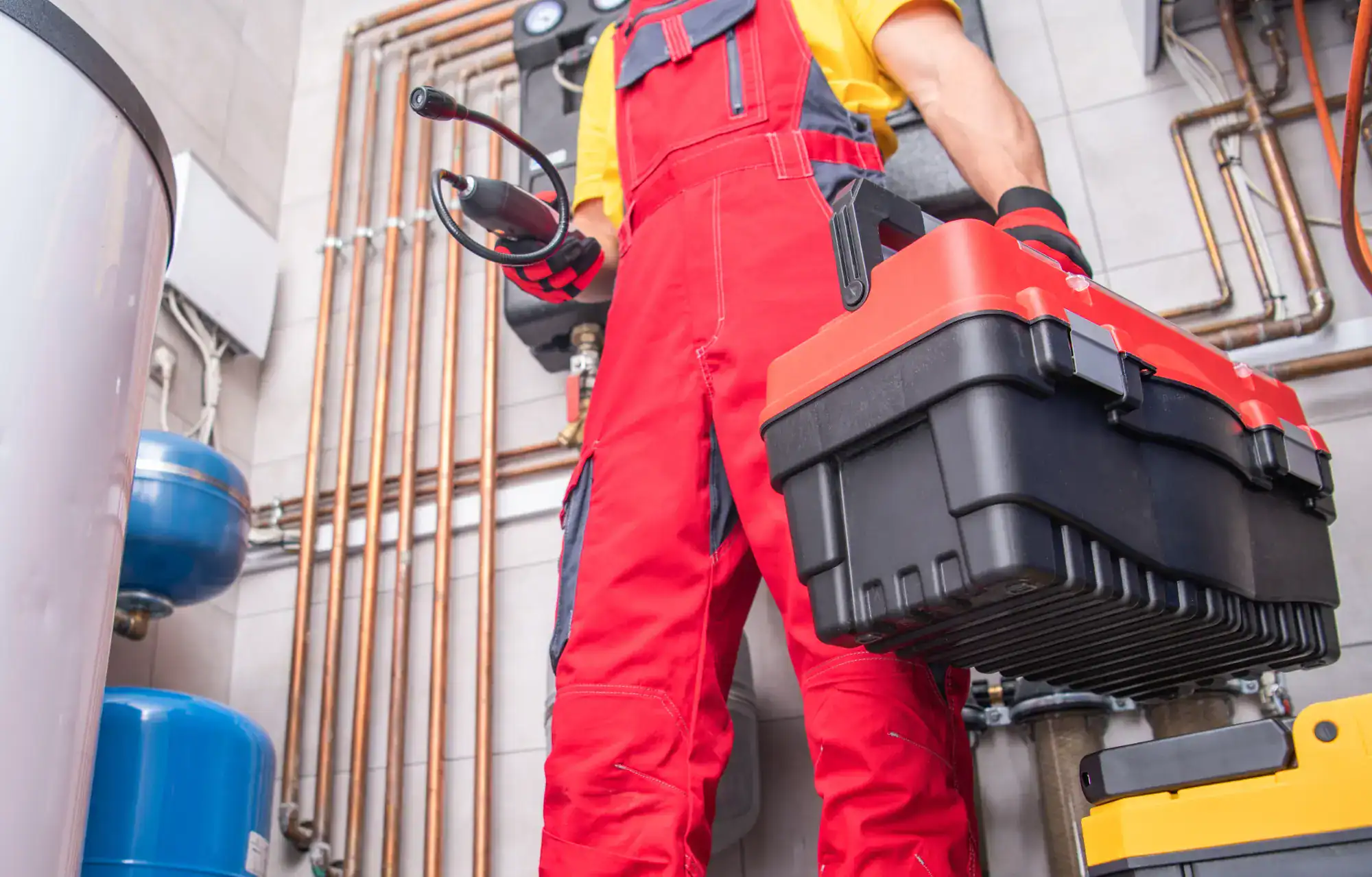
Before picking up the phone, there are several diagnostic steps that can help you determine if you’re facing a true emergency or a problem that can wait until regular business hours. This systematic approach has helped countless San Mateo families avoid unnecessary emergency fees while ensuring real emergencies get the urgent attention they need.
First, examine your air filter. A completely clogged filter can cause your system to shut down as a safety measure. If you can’t remember the last time you changed it, this might be your culprit. Replace it if it’s dirty and try restarting your system. In San Mateo’s moderate climate, many homeowners forget about filter maintenance since their systems don’t run constantly.
Next, check all vents throughout your home to ensure they’re open and unobstructed. Furniture, curtains, or closed dampers can restrict airflow enough to cause system problems. Walk through your home and verify that air is moving freely through each vent.
Look at your outdoor unit if you have central air or a heat pump. Clear away any debris, leaves, or obstructions around the unit. Check that the unit isn’t covered in ice during winter months—this can prevent proper operation and may indicate a refrigerant issue that requires professional attention.
Verify your thermostat is set correctly and the display is functioning. Try switching between heating and cooling modes to see if one works while the other doesn’t. This information helps technicians diagnose the problem more quickly when they arrive.
Finally, note any unusual sounds, smells, or performance issues you’ve noticed recently. These details provide valuable clues about what’s causing the current problem and help prioritize your service call appropriately.
Certain HVAC problems demand immediate professional attention, regardless of the time of day or weather conditions. Recognizing these situations can prevent property damage, ensure your family’s safety, and avoid more expensive repairs down the road.
Gas leaks represent the most serious emergency situation. If you smell gas near your furnace, water heater, or gas lines, leave your home immediately and call your gas company from outside. Don’t use light switches, phones, or any electrical devices inside the house. Professional technicians have the training and equipment to safely address gas leaks and restore your heating system.
Electrical issues also require immediate attention. If you see sparks, smell burning odors, or notice scorch marks around your HVAC equipment, shut off power to the unit at your circuit breaker and call for emergency service. These problems can escalate quickly and pose fire hazards.
Complete system failures during extreme weather conditions warrant emergency calls. In San Mateo County, this typically means heating failures during rare cold snaps or cooling system breakdowns during heat waves. While our climate is generally moderate, these extreme conditions can create health risks, especially for seniors and those with medical conditions.
Water leaks around your HVAC equipment signal problems that can worsen rapidly. Whether it’s a condensate drain backup, refrigerant leak, or pipe burst, water damage spreads quickly and can affect your home’s structure and belongings. Emergency technicians can stop the leak and assess the underlying cause.
Strange noises that develop suddenly—grinding, banging, or high-pitched squealing—often indicate mechanical failures that can cause extensive damage if the system continues running. It’s better to shut down your system and call for service than risk a minor problem becoming a major replacement.
Get a Free Quote!
Connect with a Eco Air Cooling and Heating expert for fast, friendly support.
The best emergency response starts before the emergency happens. After responding to thousands of urgent calls across San Mateo County, we know that prepared homeowners get faster service and better outcomes when problems do occur.
Preparation isn’t just about preventing emergencies—it’s about being ready to provide technicians with the information they need to diagnose problems quickly and arrive with the right parts and tools. This preparation can mean the difference between a one-hour fix and waiting days for special-order parts.
Smart homeowners maintain a basic understanding of their system’s normal operation, keep important information accessible, and establish relationships with reliable service providers before they need emergency help.

When you’re dealing with an HVAC emergency, having the right information readily available can dramatically speed up the repair process. Technicians can provide better guidance and arrive better prepared when you can quickly provide specific details about your system and situation.
Create a simple information sheet that includes your system’s make, model, and age. This information is usually found on metal plates attached to your indoor and outdoor units. Include the installation date if you know it, and note any recent repairs or maintenance. Keep this information in an easily accessible location, like taped inside your electrical panel or saved in your phone.
Document your system’s normal operating sounds and behaviors when it’s working properly. This baseline helps you recognize when something changes and provides valuable information to technicians. Note things like how long your system typically runs, what sounds it normally makes, and how quickly it heats or cools your home.
Maintain a list of your preferred HVAC service providers with their emergency contact information. Don’t wait until you need emergency service to research companies—establish relationships with reputable local technicians who understand San Mateo County’s specific climate challenges and building codes.
Keep your utility account information accessible, including your gas and electric company emergency contacts. Sometimes HVAC problems are actually utility issues, and having this information readily available can save time and confusion during stressful situations.
Take photos of your system’s normal operation—things like flame patterns in gas furnaces, ice formation patterns on heat pumps, and normal condensate drainage. These visual references help you communicate problems more effectively and can be texted to technicians for quicker diagnosis.
Store important warranty information and service records where you can find them quickly. This documentation can affect repair costs and help technicians understand your system’s maintenance history, leading to more accurate diagnoses and appropriate repair recommendations.
A well-thought-out emergency response plan takes the panic out of HVAC failures and ensures you get the fastest, most effective service when problems occur. This plan should be simple enough that any family member can follow it, yet comprehensive enough to handle different types of emergencies.
Start by creating a step-by-step checklist that family members can follow when the system fails. Include safety checks first—gas odors, electrical problems, and water leaks require immediate attention and specific responses. Follow with basic troubleshooting steps like checking thermostats, circuit breakers, and air filters. Having this written down prevents forgotten steps during stressful moments.
Establish clear criteria for what constitutes an emergency versus what can wait until regular business hours. In San Mateo’s moderate climate, true heating emergencies are rare, but they do happen during occasional cold snaps. Cooling emergencies are more common during heat waves and can be serious for vulnerable family members.
Identify backup comfort options for different scenarios. Know where your space heaters are stored and ensure they’re in working condition. Have battery-powered fans available for cooling emergencies. Consider which rooms in your home are most comfortable during system failures—often interior rooms maintain temperature better than those with large windows or poor insulation.
Prepare an emergency contact strategy that goes beyond just calling a technician. Know your utility companies’ emergency contacts in case the problem involves gas or electrical service. Have contact information for family or friends who could provide temporary shelter if needed. Keep important contacts written down in case your phone battery dies during an extended outage.
Plan for different types of weather emergencies that affect HVAC systems differently. San Mateo County’s occasional heat waves require different preparation than rare freezing conditions. Understanding how your system responds to different weather patterns helps you anticipate problems and respond appropriately.
Create a simple maintenance schedule that reduces emergency likelihood. Even basic tasks like monthly filter changes and annual professional tune-ups significantly reduce the chance of unexpected failures. Schedule these tasks in your calendar just like any other important appointment—your system’s reliability depends on consistent care.
Having a solid emergency plan and knowing basic troubleshooting steps puts you ahead of most homeowners when HVAC problems strike. But when you’ve exhausted your options and need professional help, choosing the right service provider makes all the difference in getting your comfort restored quickly and reliably.
The best emergency HVAC service combines rapid response with the experience to diagnose problems accurately on the first visit. Look for technicians who understand San Mateo County’s unique climate challenges and have the parts inventory to handle most repairs immediately rather than scheduling return visits.
When you need trusted emergency HVAC service that’s been serving San Mateo County families for over 40 years, we at Eco Air Home Services LLC bring the experience and reliability you can count on, day or night.
Summary:
Article details:
Share: