Quick emergency AC repair steps every San Mateo homeowner should know before the technician arrives.

Before you start any AC troubleshooting, your safety comes first. Turn off your system at the thermostat and locate your electrical panel—you might need to flip the breaker if there’s an electrical issue.
Never attempt to fix electrical problems yourself, and avoid touching any exposed wires or components. If you smell gas, hear unusual electrical sounds, or see sparks, evacuate immediately and call professionals.
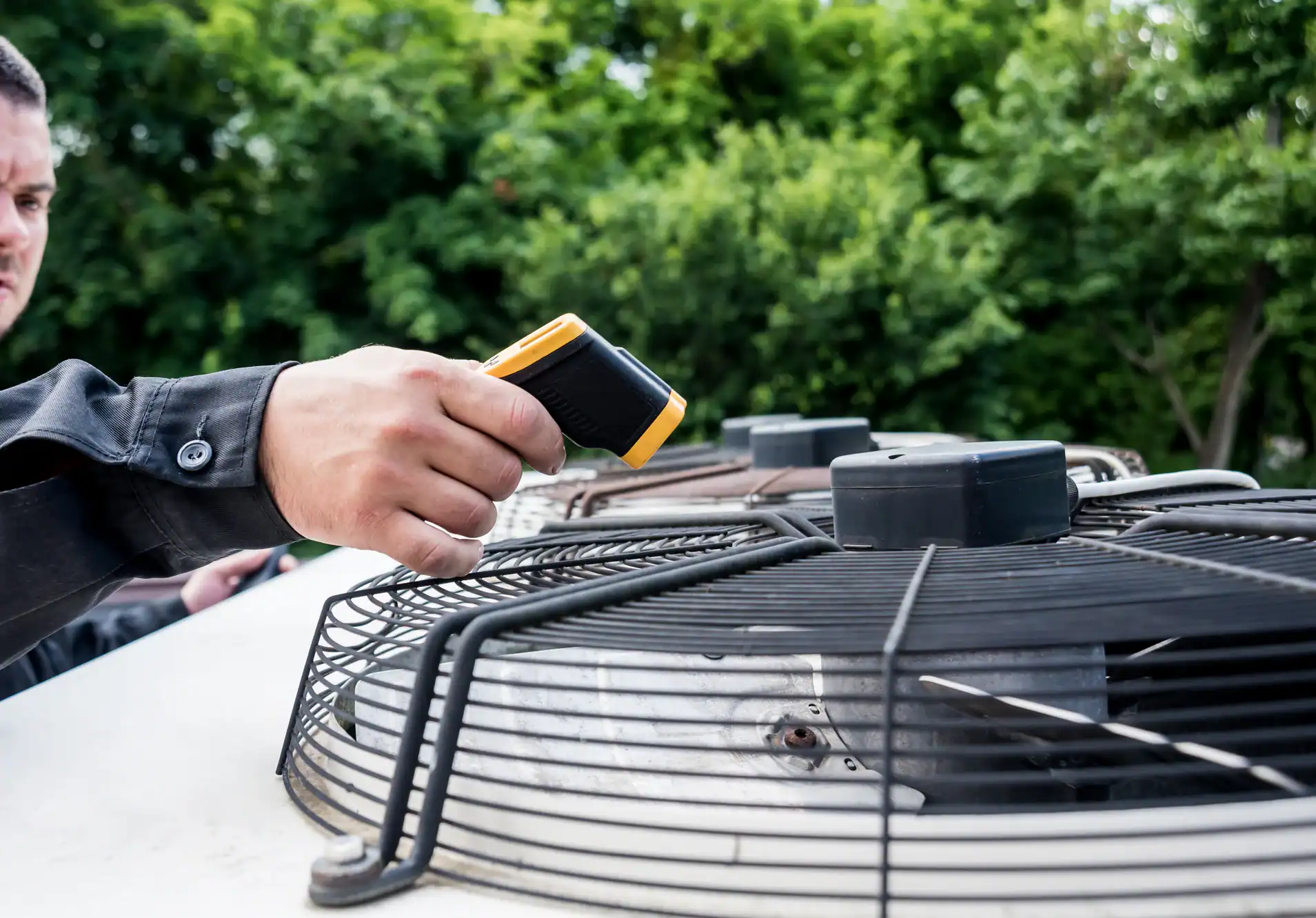
Check for any obvious signs of damage around your outdoor unit, like fallen tree branches or debris that might have caused the problem. These visual cues will help your AC repair technician understand what happened.

Start with the simplest explanation—your thermostat. Make sure it’s set to “cool” and that the temperature setting is actually lower than your current room temperature. It sounds basic, but thermostat issues cause more service calls than you’d think.
Check if your thermostat display is working. If it’s blank or unresponsive, try replacing the batteries. Many newer thermostats will show error codes or warning messages that can help diagnose the problem.
Next, verify that your AC unit is getting power. Check your electrical panel for any tripped breakers—AC units typically have their own dedicated circuit. If you find a tripped breaker, you can try resetting it once, but if it trips again immediately, that’s a sign of a more serious electrical issue that requires professional AC services.
Look for any GFCI outlets near your outdoor unit that might have tripped. These safety outlets can shut off power to your AC if they detect electrical irregularities. Press the reset button if you see one that’s popped out.
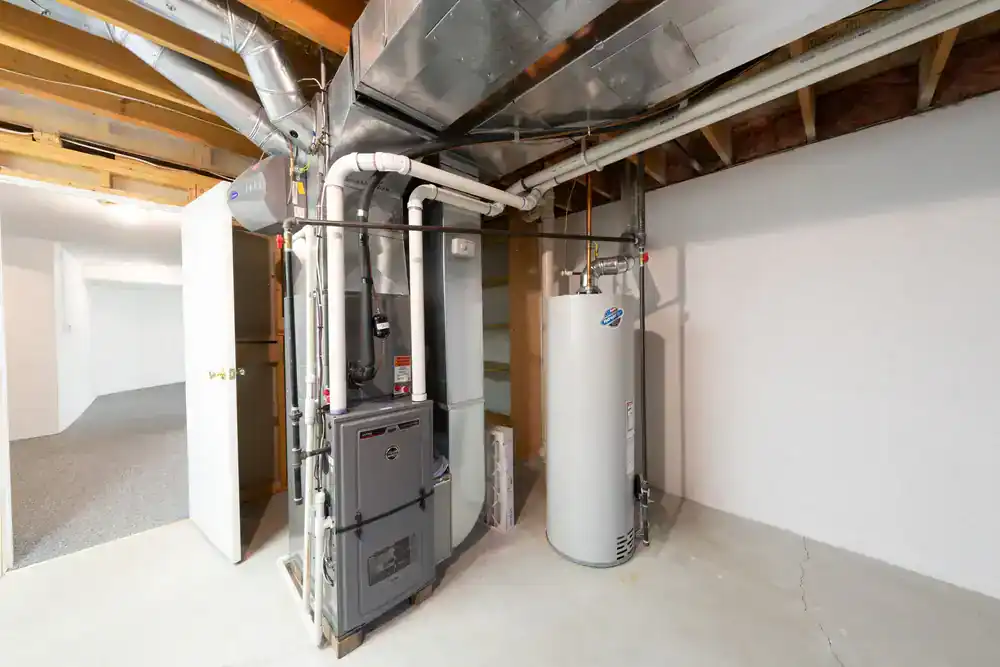
Don’t forget about your indoor air handler if you have a split system. Check that it’s plugged in and that any switches near the unit are in the “on” position.
A clogged air filter is one of the most common causes of AC problems, and it’s something every homeowner can check. Locate your air filter—it’s usually in the return air duct or near the air handler.
Remove the filter and hold it up to the light. If you can’t see through it clearly, it needs replacing immediately. A severely clogged filter restricts airflow so much that your system can freeze up or overheat, triggering safety shutoffs.
While you’re checking the filter, take a look at your vents throughout the house. Make sure they’re all open and not blocked by furniture, curtains, or other obstructions. Closed vents can create pressure imbalances that stress your system.
Check your outdoor unit for any obvious airflow restrictions. Tall grass, leaves, or debris around the condenser can prevent proper heat exchange. Your outdoor unit needs at least two feet of clearance on all sides to function properly.
If you have a ductless mini-split system, check the indoor units for any visible blockages or damage to the filters. These systems often have washable filters that homeowners can clean themselves.
Get a Free Quote!
Connect with a Eco Air Cooling and Heating expert for fast, friendly support.
Some AC problems are clear signals that you need professional HVAC maintenance right away. Don’t attempt DIY fixes for these issues—they require trained technicians with proper tools and expertise.
If your system is making unusual noises like grinding, squealing, or banging, shut it off immediately. These sounds often indicate mechanical problems that can cause expensive damage if the system keeps running.
Ice formation on your indoor or outdoor unit is another red flag. While it might seem counterintuitive, ice on your AC means something is wrong with airflow or refrigerant levels. Turn off the system and let it thaw completely before calling for service.

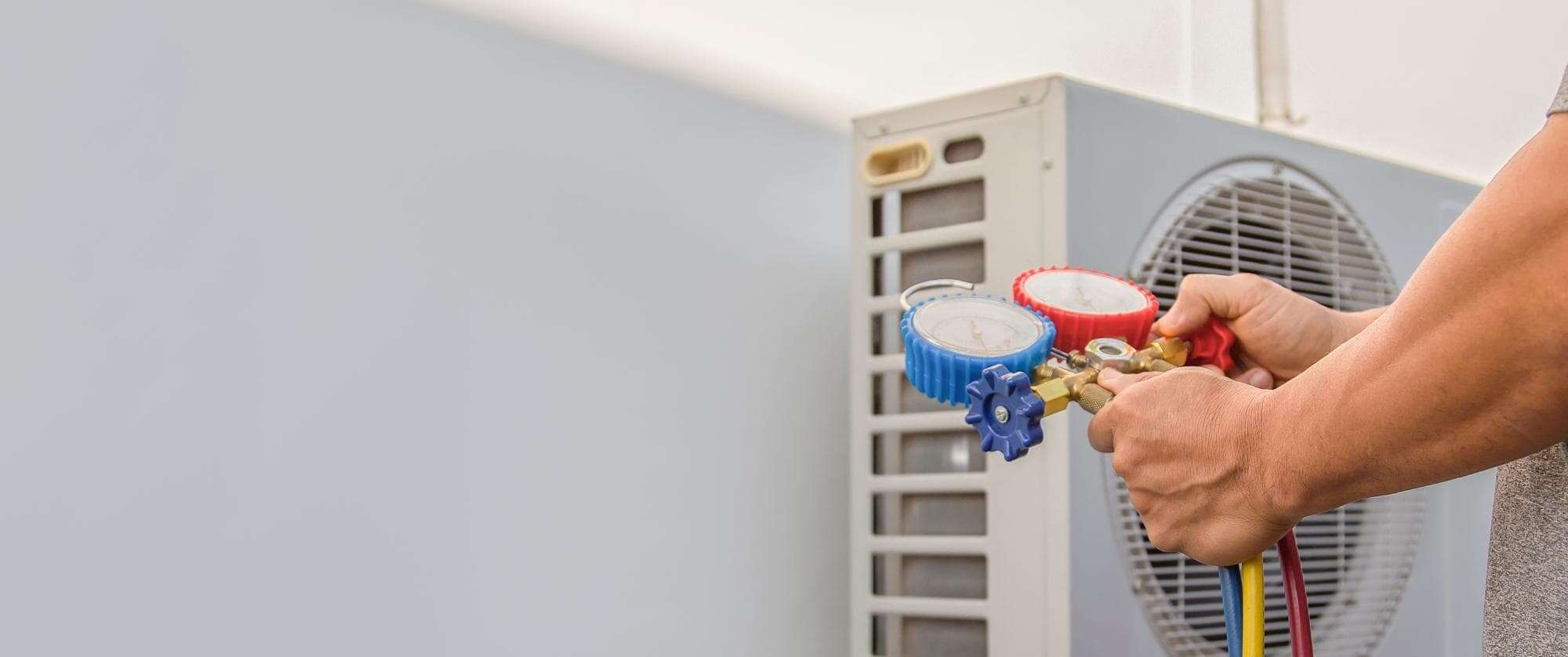
Refrigerant leaks are serious issues that require immediate professional attention. If you notice a sweet, chemical smell around your AC unit, or if your system is blowing warm air despite running constantly, you might have a refrigerant leak.
Never attempt to handle refrigerant yourself—it requires special certification and equipment. EPA regulations strictly control refrigerant handling, and improper repairs can be both dangerous and illegal.
Electrical problems are equally serious. If you see any sparking, smell burning odors, or notice that your circuit breaker keeps tripping, these are emergency situations. Turn off power to the unit immediately and call for professional AC repair.
Water leaks around your indoor unit can indicate several problems, from clogged drain lines to more serious issues with your evaporator coil. While a small amount of condensation is normal, puddles of water or active leaking require professional diagnosis.
If your AC repair for air conditioner needs involves any of these issues, don’t delay calling for service. What starts as a minor problem can quickly become a major repair if left unaddressed.
If your AC system is over 10 years old and experiencing frequent problems, age might be a factor in your current emergency. Older systems are more prone to component failures and may struggle to keep up with cooling demands.
Pay attention to how your system has been performing lately. Has it been running constantly without reaching the set temperature? Are some rooms significantly warmer than others? These performance issues often precede complete system failures.
Energy bills that have increased dramatically without changes in usage patterns can indicate that your system is working harder than it should. This extra strain often leads to component failures and emergency breakdowns.
If you’ve been scheduling AC maintenance regularly but still experiencing frequent problems, it might be time to discuss replacement options with your technician. Sometimes the most cost-effective solution is upgrading to a newer, more reliable system.
Keep in mind that emergency repairs on older systems can be particularly expensive if parts are difficult to find. Your HVAC repairman can help you weigh the costs of repair versus replacement based on your specific situation.
When you do need to call for emergency AC services, having the right information ready will help your technician diagnose and fix the problem more efficiently. Be prepared to describe what happened, any unusual sounds or smells, and what troubleshooting steps you’ve already taken.
A reputable AC repair company should be able to provide you with a clear timeline for service and transparent pricing before work begins. Don’t hesitate to ask questions about the diagnosis and repair options—good technicians will explain the problem and your options clearly.
For San Mateo homeowners dealing with AC emergencies, we at Eco Air Home Services LLC have been providing reliable HVAC maintenance and repair services since 1985. Our experienced technicians understand the unique needs of Bay Area homes and can help you get your system running efficiently again.
Summary:
Article details:
Share: